Our Top Picks
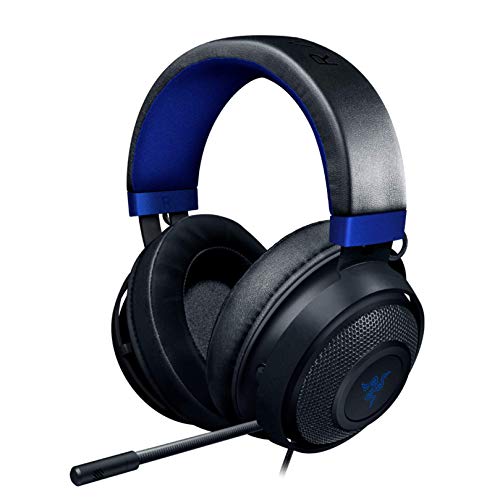
 Razer BlackShark V2 X Wired PlayStation Gaming Headset3.5 mm7.5 x 4.5 x 9.5 inches1.15 poundsCheck on Amazon


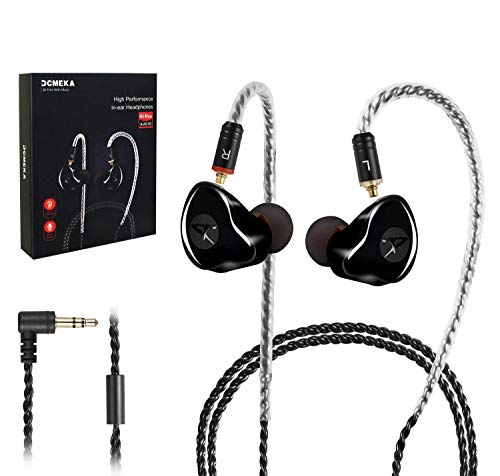

What's inside
- Isolation is a seal, not a switch
- Passive isolation versus active cancellation, clearly separated
- Earcup design: depth, volume, and materials
- In-ear isolation: tips, depth, and canal fit
- Microphones: sounding clear to the other end
- Clamping force and headband engineering
- Comfort across genuinely long sessions
- Sound character inside a sealed enclosure
- Wired reliability, wireless freedom, and isolation’s role in both
- Use cases, matched honestly
- Durability: hinges, cables, and replaceable parts
- Hearing health and sensible volume
- Fit-checking a headset in the first fifteen minutes
- Shared spaces, etiquette, and leakage outward
- Choosing between over-ear, on-ear, and in-ear formats
- Software, equalisation, and platform quirks
- What specifications indicate, and what they hide
- A decision sequence for this category
- Seasonal and situational adjustments
- When isolation is the wrong tool
- Check prices on Amazon
- Listening at a desk, hour after hour
As an Amazon Associate I earn from qualifying purchases. This post may contain affiliate links at no extra cost to you.
Affiliate disclosure: Links in this article may earn us a commission when readers purchase through product listings, at no additional cost to the buyer. That support keeps our research independent and pays for the specification comparisons behind each guide.
Isolation is a seal, not a switch
Passive isolation begins with a physical barrier. A closed earcup wall, a cushion pressing evenly around the ear, or an ear tip expanding inside the canal blocks sound the same way a closed door blocks hallway conversation: by leaving airborne energy nowhere easy to go. No battery participates, no microphone samples the room, and nothing switches on. The performance therefore lives or dies on fit, which is why two listeners can describe the same headset oppositely. On one head the cushion seals over smooth hair and the world recedes; on another, a glasses arm lifts the pad by two millimetres and a leak undoes half the benefit.
That leak sensitivity follows basic acoustics. Sound exploits the smallest opening, particularly low-frequency sound whose long wavelengths bend around obstacles and squeeze through gaps that would stop a whisper. A gap along the jawline, common when cushions are too stiff to follow the curve below the ear, lets in the rumble of a bus engine while still muting keyboard clicks effectively. Listeners then report the strange but accurate impression that a headset blocks voices better than traffic. It is not inconsistency; it is frequency-dependent leakage, and reseating the cup or choosing a softer, deeper cushion often repairs the bass leak without changing anything else.
Manufacturers describe passive attenuation with laboratory figures gathered on test fixtures, sometimes quoting reductions in the region of 15 to 25 decibels at higher frequencies for well-sealed closed-back designs, with considerably smaller reductions down at 100 hertz. Treat those numbers as a map of the trend, not a promise for your head. The trend itself is reliable: isolation strengthens as frequency rises, because short wavelengths are easier to block with mass and absorption, and weakens in the bass, where only an airtight seal and substantial cup volume help at all.
Passive isolation versus active cancellation, clearly separated
Active noise cancelling adds electronics that listen to incoming sound and generate an opposing signal, a process that excels against steady low-frequency drone such as aircraft engines or air conditioning hum. Passive isolation cannot generate anything; it simply obstructs. Against irregular, higher-pitched sounds, a crying baby three rows away, cutlery in a café, a colleague’s phone call, obstruction frequently outperforms cancellation, because the electronic system has too little time to model sounds that change every fraction of a second. Many travellers therefore discover that a deeply sealing passive headset feels quieter in a terminal even though its laboratory bass figures look weaker than a cancelling rival.
The two approaches also fail differently. Cancellation weakens when its microphones are covered by a hood, when wind buffets the ports, or when the battery dies mid-flight, at which point the headset becomes an ordinary, sometimes poorly sealing, pair of headphones. Passive performance never expires, never hisses, and never produces the subtle pressure sensation some listeners attribute to cancelling circuits. It works identically during takeoff announcements, in a library where electronics are unwelcome, and on a building site where a dead battery would otherwise end hearing protection for the rest of a shift.
Cost allocation differs too. Money spent on a passive model buys drivers, materials, hinges, and cushions, because no cancellation processors or microphone arrays demand a share. For a buyer whose noise problem is an open-plan office rather than a weekly long-haul flight, that allocation often delivers better sound and sturdier construction for the same outlay. Buyers facing both environments sometimes own one of each, using the passive set for daily calls and music, reserving the electronic set for aircraft, a division of labour that mirrors the physics rather than fighting it.
Where hybrid designs fit
Some headsets combine a genuinely sealed enclosure with cancellation electronics inside. The passive layer handles voices and clatter, the active layer trims engine drone, and the combination can be excellent. The risk is a manufacturer using electronics to excuse a shallow cushion and a leaky cup, leaving the owner stranded when the battery fades. Judging a hybrid therefore starts with the same seal tests as a purely passive model: wear it switched off in a noisy room first, because that off-state performance is your guaranteed floor, and everything the circuits add is a bonus above it.
Earcup design: depth, volume, and materials
Cup depth decides whether your ear lives inside the headset or is pressed by it. A deep cup, giving the ear 20 millimetres or more of clearance before the driver grille, prevents the helix from folding against foam, a contact that feels trivial for ten minutes and becomes a hot ache by hour two of a gaming session. Depth also creates the enclosed air volume that helps bass isolation, since a larger sealed chamber resists pressure changes from outside more effectively than a shallow one. Shoppers with ears that protrude noticeably should treat internal depth as a headline specification, not a footnote.
Wall construction matters in parallel. Thick, rigid shells reflect external sound outward and resist flexing when the headband squeezes, maintaining the seal geometry the designer intended. Thin shells can drum sympathetically with low-frequency energy, effectively re-radiating a portion of the noise they were meant to stop, and they creak during jaw movement, which the wearer hears amplified inside the sealed space. A simple tap test in a shop, knuckle against the closed cup while wearing it, reveals a surprising amount: a dull thud suggests damped mass, a hollow ping suggests a shell that will sing along with the bus.
Cushion material tunes both seal and heat. Protein leather and other smooth synthetics seal most readily against skin and hair, forming the continuous contact line isolation demands, but they trap warmth and can feel clammy during summer calls. Velour breathes, stays comfortable through long sessions, and forgives glasses arms slightly better because its pile compresses around the frame, yet that same porosity leaks a little sound at the contact surface. Memory foam cores help either covering conform to an individual head over the first minutes of wear, as body heat softens the foam into the hollows behind the jaw. Replaceable cushions extend the whole headset’s life, since pads typically perish years before drivers do.
In-ear isolation: tips, depth, and canal fit
In-ear headsets pursue the same seal by a different route, occluding the ear canal itself. A silicone tip that expands gently against the canal wall can deliver isolation rivalling or exceeding large closed cups, particularly against midrange voices, because the barrier sits millimetres from the eardrum with almost no enclosed air to transmit vibration. Foam tips, compressed before insertion and expanding slowly in place, usually seal most completely and adapt to irregular canal shapes, at the cost of a slower fitting routine and a shorter lifespan, often a few months of regular use before the foam loses resilience.
Tip size selection is not a vanity detail. Too small, and the tip never contacts the canal wall fully, leaking bass and forcing the wearer to raise volume, which defeats the protective purpose of isolation in loud settings. Too large, and pressure builds against sensitive canal skin, causing soreness within an hour and sometimes triggering excess earwax production over weeks of use. Most adults land on a medium or large tip in one ear and occasionally a different size in the other, because canals are rarely mirror images. A proper trial runs through every supplied size for at least fifteen minutes each, listening for bass stability while turning the head and speaking, since jaw motion reshapes the canal entrance noticeably.
Insertion depth introduces the occlusion effect, the boomy amplification of your own voice, footsteps, and chewing that sealed canals produce. Shallow-fitting tips reduce it; deep-fitting tips intensify it while isolating better. For call-heavy work, that trade matters, because hearing your own voice boom for six hours of meetings fatigues even when callers sound perfect. Some designs vent the tip slightly or position the driver so the seal sits shallower, accepting a small isolation loss for a large gain in conversational naturalness. Anyone who sings, presents, or talks continuously for a living should weight occlusion heavily in the decision.
Microphones: sounding clear to the other end
A headset earns its name, rather than merely being headphones, through its microphone, and isolation helps the microphone as much as the listener. When less room noise reaches your ears, you naturally speak more quietly and consistently, and when the microphone sits close to your mouth on a boom, it captures voice at a level far above the surrounding clatter, letting noise-suppression processing in your phone or computer work from a favourable ratio. A boom positioned roughly two finger-widths from the corner of the mouth, angled toward it rather than pointing at the nose or chin, delivers the most consonant clarity for the least breath noise.
Boom design splits into three families. Rigid booms hold position precisely and suit desk work, where the microphone must return to the identical spot after every coffee break. Flexible gooseneck booms bend to individual faces, valuable because mouth position relative to the ear varies considerably across head shapes. Detachable booms remove entirely for music-only listening, converting a gaming headset into presentable commuter headphones, though the connector becomes a wear point and a lost boom ends call capability until a replacement arrives. Each family can sound excellent; the differentiator is whether the capsule and its processing reject sound arriving from behind, the direction where keyboards, colleagues, and traffic mostly live.
Inline microphones on a cable, and microphones built into an earcup, trade that proximity advantage for convenience. They sit farther from the mouth, gather more room, and rely harder on software suppression, which in a quiet home office suffices and in a shared kitchen during a school holiday does not. Buyers whose calls carry professional weight, client pitches, recorded interviews, telehealth conversations, should insist on a boom. Buyers whose calls are casual check-ins can accept the inline compromise and enjoy a lighter, simpler cable. Knowing which caller category dominates your week prevents both overspending and embarrassment.
Testing your own voice before committing
Record a thirty-second sample on the device you actually call from, speaking at natural volume while a television plays news in the same room at conversational level. Play it back through a different pair of headphones and listen for three things: whether consonants stay crisp enough to distinguish fifty from fifteen, whether the television anchors itself as background rather than a competing voice, and whether breath pops strike on plosive sounds. Then record the same passage while typing, because key clicks near a desk microphone expose handling noise that a silent-room trial conceals. This small experiment, done during a return window, predicts caller satisfaction better than any microphone specification printed on packaging.
Mute hardware deserves respect as well. A physical mute switch or a boom that mutes when flipped upward gives certainty during coughing fits, doorbells, and confidential asides, without hunting for an on-screen button. Audible or visible confirmation, a click, a small light at the boom tip, prevents the opposite disaster of delivering a presentation to nobody. Sidetone, the controlled playback of your own voice into the earcups, complements mute control by stopping you shouting into a sealed headset; because isolation muffles your natural self-perception, a modest sidetone level restores normal speaking volume and saves both your voice and your household’s patience.
Clamping force and headband engineering
Isolation needs pressure, and pressure is where comfort negotiations begin. Clamping force, the inward squeeze a headband applies, commonly falls somewhere around 3 to 6 newtons per side across consumer designs, enough to hold a seal during head turns without creating the temple ache that ends sessions early. Too little force and the cups drift, breaking the seal each time you look down at a keyboard. Too much and the jaw hinge, sitting just in front of the ear, protests within the hour, sometimes presenting as a headache that owners misattribute to sound itself.
Headband shape distributes that force. A band with a wide, padded contact area spreads load across the crown, while a narrow band concentrates it into a stripe that flattens hair and eventually skin comfort alike. Suspension designs, where a separate inner strap floats beneath a rigid outer frame, adapt automatically to head height and eliminate the hot spot at the very top, which is why endurance-focused gaming and aviation-derived models favour them. Sliding adjustments should move in firm detents rather than gliding freely, because a band that creeps longer during wear gradually transfers weight onto the earcups and tilts the seal open at the bottom edge.
New headsets clamp harder than broken-in ones. Headband materials, especially spring steel and reinforced polymers, relax measurably over the first weeks, and cushions compress toward their long-term thickness. Judging clamp comfort in the first ten minutes therefore overstates the problem for most designs, though it remains a useful screen for extremes. Stretching a headband over a row of books overnight is a folk remedy with real but limited effect on steel bands and almost none on polymer ones; patience plus regular wear accomplishes the same adaptation more safely, without risking a cracked yoke that no warranty will cover.
Comfort across genuinely long sessions
Weight interacts with clamp in ways spec sheets flatten. A 320 gram headset with balanced distribution and a good suspension strap can disappear for four hours, while a 260 gram model with nose-heavy cups and a thin crown pad announces itself every few minutes. The centre of mass should sit over the ear, not forward of it; forward-heavy designs slide during downward glances and demand constant small readjustments that break concentration during games and calls alike. Cable weight counts too, since a heavy braided cable tugging from the left cup effectively adds a sideways load that the headband must counteract all day.
Heat is the second long-session enemy. Sealed cushions, by definition, stop airflow, so ear temperature climbs steadily; after roughly an hour many listeners notice warmth, and after three hours in a warm room, sweat can compromise the very seal that created the problem, lubricating the cushion’s contact line until it slips. Breaks solve most of it: lifting the cups for two minutes every hour restores comfort disproportionately. Gel-infused cushions delay the onset by absorbing initial warmth, and spare cushion sets let a heavy user rotate a dry pair while the other airs, a practical trick borrowed from professional broadcast routines.
Glasses wearers face the sharpest version of the comfort puzzle. Temple arms trapped between cushion and skull create pressure points, and the arm’s passage through the seal leaks sound exactly where isolation is needed. Softer foams, cushions with a channel moulded for frames, and thinner flexible temple arms on the glasses themselves each mitigate the conflict. Some listeners place their glasses arms over the cushion rather than under it, tilting the lenses slightly but preserving the seal and eliminating the pressure point, a compromise that works surprisingly well for screen work where a small lens tilt changes little. For related budget comparisons, readers can start with best 100 dollar headsets and then return to these fit principles with fresh eyes.
Sound character inside a sealed enclosure
Sealing a cup changes tuning. Trapped air stiffens the system, often lifting mid-bass and creating the punchy, enclosed character associated with closed-back listening, while the absence of rear venting narrows the perceived soundstage compared with open designs. For gaming, that trade is usually welcome: footsteps and reload clicks sit in the midrange where sealed designs stay articulate, and the reduced stage matters less than the blocked household noise that would otherwise mask those cues entirely. For orchestral music at home in silence, an open alternative might image more spaciously, but silence is precisely what most headset buyers do not have.
Driver size, commonly 40 to 50 millimetres in over-ear models, predicts less than marketing implies. A well-damped 40 millimetre driver in a properly sealed chamber outperforms a loose 50 millimetre unit rattling in a thin shell, because control of cone movement, not diameter alone, governs clarity at conversational listening levels. Sensitivity figures matter more practically: a headset rated around 100 decibels per milliwatt or higher reaches satisfying volume from a laptop or controller without an amplifier, preserving the plug-and-play simplicity that office and console buyers expect.
Frequency balance should serve voices first for a communications headset. A gentle presence lift in the 2 to 5 kilohertz region, where speech intelligibility lives, helps callers cut through game audio or office murmur without raising overall volume. Excess bass, by contrast, bleeds upward and muddies vowel definition, and it also leaks outward through the seal more readily, disturbing the partner trying to sleep in the next room. Many gaming models offer equaliser presets through companion software; a vocal or flat preset frequently serves mixed call-and-play duty better than the bass-heavy default the box ships with.
Wired reliability, wireless freedom, and isolation’s role in both
Connection type does not change passive acoustics, yet it shapes how isolation gets used. A wired headset never needs charging, introduces no codec compression, and keeps latency effectively at zero, which competitive players value because a delayed footstep cue is a lost cue. Its cable, however, transmits handling noise into a sealed cup with unusual efficiency; a cable brushing a zip or desk edge arrives as a thump that an open headphone would barely reveal. Strain relief at the cup entry, a cable routed behind the chair rather than across the lap, and a modest cable length matched to the desk all tame that behaviour.
Wireless models free the wearer to stand, pace during calls, and fetch coffee without removing the headset, behaviours that genuinely improve long meetings. Their isolation remains purely passive in most designs, so the seal analysis above applies unchanged. Battery weight adds to the total the headband must manage, and battery ageing sets a lifespan ceiling that a wired equivalent escapes. For a headset bought primarily for a fixed desk, wired simplicity usually wins on value and longevity; for a headset shared between desk, sofa, and commute, wireless flexibility justifies itself quickly. Shoppers narrowing gaming budgets may find best 50 dollar gaming headsets useful as a companion shortlist.
Connector details reward a moment’s attention. A four-pole 3.5 millimetre plug carries stereo audio plus microphone on most laptops and controllers, while older desktop PCs split those into separate pink and green sockets needing a splitter cable that some boxes include and others omit. USB connections route around a weak built-in sound card and enable software features, sidetone control among them, but tie the headset to devices with the right port. Checking your actual machines, not assumed ones, against the plug in the box prevents the classic first-day disappointment of a microphone that physically cannot reach its socket.
Use cases, matched honestly
Picture a customer support specialist working from a one-bedroom flat while a partner teaches music lessons through a wall. Her problem is not engine drone; it is intermittent midrange sound, piano scales and a metronome, arriving unpredictably during calls. A deeply cushioned closed-back headset with a directional boom answers it almost completely, because the seal attacks exactly those frequencies and the boom’s rejection pattern ignores the wall behind her. Cancellation electronics would add little here, while a better cushion, replaced promptly when its foam tires, adds a great deal.
Picture instead a competitive player in a student house, six flatmates sharing a kitchen behind his desk chair. He needs positional cues preserved, a microphone his squad understands through raid chatter, and isolation against bursts of laughter that no steady-state system predicts. A wired sealed headset with moderate clamp serves him, and its lack of battery removes one failure mode during long evening sessions. Tournament-grade surround processing may tempt him toward best 7 1 gaming headsets, yet the underlying seal will still decide how much of the kitchen reaches him between processed cues.
A commuter on diesel buses faces the hardest passive test, because engine energy concentrates in the low frequencies where seals help least. Expectations should adjust: voices, brake squeals, and phone conversations around him will fade substantially, while the engine’s fundamental hum will soften rather than vanish. Raising volume to bury that residue is the dangerous response, trading a hearing problem tomorrow for quiet today. A better tactic pairs the sealed headset with program material that masks efficiently, speech podcasts rather than delicate acoustic recordings, and keeps levels moderate enough that a neighbour’s question remains just audible when the bus idles.
Parents working beside sleeping infants occupy the reverse position: they need to hear one specific sound, a stirring baby, while blocking the rest. Wearing a single earcup, choosing a model whose cups rotate flat for one-ear use, or selecting an in-ear set worn in one ear only are legitimate configurations that pure isolation rankings ignore. A headset’s usefulness is defined by the soundscape it creates for a particular life, not by a single attenuation figure, and flexible designs that support partial wear quietly serve households better than maximum-seal models that demand total commitment.
Durability: hinges, cables, and replaceable parts
Sealed headsets live hard lives, twisted onto heads one-handed, dropped on desks, and stuffed into bags where the cups fold against each other. The yoke where cup meets band absorbs most of that abuse; metal reinforcement at that joint, or a single-piece band design that eliminates the joint, predicts survival better than any driver specification. Flex the display model gently if a shop allows it: creaks at the yoke today become cracks next winter, because polymer fatigue accumulates at exactly the points that complain early.
Replaceability separates a five-year headset from an eighteen-month one. Cushions, cables, boom microphones, and headband pads all wear on independent schedules, and a model whose maker sells those parts keeps its seal, and therefore its isolation, renewable indefinitely. A headset with glued cushions may isolate beautifully when new and disappoint permanently once the pads flatten, since a compressed cushion no longer fills the hollow behind the jaw. Before purchase, confirm that replacement pads exist for the specific model and that fitting them requires no tools beyond your fingers.
Cable entry deserves the same scrutiny as any hinge. A detachable cable converts the most common fatal accident, the snagged cord, into a five-second reconnection, and lets owners switch between a boom-equipped cable for calls and a plain cable for listening. Fixed cables should exit the cup through a reinforced grommet and tolerate a firm tug without transmitting a crackle into the audio, a quick check worth performing during any return window. For microphone-focused wired comparisons, see best gaming wired headsets with microphone alongside the durability points raised here.
Hearing health and sensible volume
Isolation’s greatest health benefit is indirect: by lowering the noise floor around you, it removes the temptation to out-shout the environment. In a quiet room most listeners settle near comfortable levels without thinking; on a loud train the same listener may push volume far higher to maintain the same perceived clarity, accumulating exposure quickly. Occupational guidance commonly treats prolonged exposure above roughly 85 decibels as hazardous, and a sealed headset used wisely keeps listening well below that territory precisely because the seal does the work instead of the amplifier.
Build the habit of setting volume in the quietest moment of your session, before the bus accelerates or the office fills, then resist incremental nudges upward as conditions worsen. If a companion sitting beside you can identify your music through the sealed cups, the level is almost certainly excessive, since a good seal retains sound efficiently. Many phones and computers offer volume limiting and exposure notifications; enabling them costs nothing and provides an external check on a sense, hearing, that adapts to loudness and therefore judges it poorly in the moment.
Ringing, muffled hearing, or needing to raise your voice after removing a headset are warning signs to take seriously rather than badges of an immersive session. They indicate temporary threshold shift, the ear’s protective fatigue response, and repeated episodes precede permanent change. The sealed headset is an ally here, not a culprit, provided its isolation is used to lower levels instead of to seal in louder ones. That single behavioural distinction separates the tool’s benefit from its risk more completely than any feature list can.
Fit-checking a headset in the first fifteen minutes
A disciplined fitting routine extracts more value from any model than an extra feature ever will. Put the headset on in a genuinely noisy place, a kitchen with the extractor fan running or a street-facing room at rush hour, and sit quietly for one minute without audio. Notice which sounds remain: fan hiss largely gone but its low thrum present, traffic softened to a wash, a television in the next room reduced to rhythm without words. That residue profile is normal for passive designs and tells you the seal is working, because a failed seal leaves voices intelligible, and intelligible speech is the clearest leak detector available without instruments.
Next, move deliberately. Turn your head fully left and right, look down as if reading a phone in your lap, open your jaw wide, smile, and speak a full sentence aloud. Each motion tests a different seal boundary: head turns stress the cable side, jaw movement reshapes the area in front of the ear, smiling lifts the cheek into the cushion’s lower edge. A robust design survives all of it with only minor changes in the noise floor. A fragile fit collapses audibly on one specific motion, and identifying that motion tells you whether a cushion change, a headband adjustment, or a different model entirely is the correct response.
Then play familiar material at modest volume, ideally a voice recording you know well, because unfamiliar music hides balance flaws behind novelty. Voices expose cup resonance as a boxy colouration around certain syllables, expose channel imbalance when the voice drifts from centre, and expose rattles when a loose joint vibrates on deeper notes. Follow with a call to a patient friend or a voicemail service, asking specifically whether your voice sounds closer and clearer than your previous setup. Fifteen structured minutes like these, inside a return window, are worth more than a month of vague impressions gathered while distracted.
Shared spaces, etiquette, and leakage outward
Isolation runs in both directions, imperfectly. A sealed cup keeps your audio largely contained, yet at high volumes some sound escapes through cushion contact and shell vibration, enough for a partner in a quiet bedroom to follow the rhythm of your game if not its detail. Late-night users should test leakage deliberately: play material at your usual level, remove the headset, hold it at arm’s length in a silent room, and listen. If the content remains clear at that distance, a sleeping household will hear it too, and either lower levels or an in-ear alternative, which leaks far less at equal loudness, becomes the considerate choice.
Office etiquette cuts the other way. A strongly isolating headset hides colleagues’ voices from you, including the colleague standing beside your desk saying your name. Teams develop signals, a wave in peripheral vision, a tap on the desk rather than the shoulder, a chat message before speaking, and agreeing those signals with nearby coworkers prevents the small social friction that makes some managers distrust headsets generally. Some wearers leave one cup slightly off the ear during low-focus work as a deliberate compromise, accepting reduced isolation to remain approachable, then seat both cups fully when concentration or a call demands it.
Shared headsets in call centres, training rooms, and family homes raise hygiene questions that sealed cushions make concrete. Smooth synthetic pads wipe clean with a lightly dampened cloth and tolerate disinfectant wipes formulated for electronics, while velour absorbs moisture and resists quick cleaning between users. Individual cushion sets, labelled and swapped at shift change, solve the problem elegantly where headsets are pooled, and they restore each user’s personal seal geometry as a bonus. Foam in-ear tips should never be shared at all; silicone tips wash with mild soap, dry fully, and only then change ears.
Choosing between over-ear, on-ear, and in-ear formats
Over-ear designs, cushions encircling the whole ear, deliver the most reliable passive seal for the widest range of heads, because the contact line lands on the skull’s relatively uniform surface rather than on the ear’s irregular cartilage. They also distribute clamp across the largest area, suiting long sessions, at the cost of bulk, heat, and a silhouette nobody would call discreet. For desk-bound call work and gaming at home, those costs are mostly theoretical, which is why this format anchors the category.
On-ear designs press a smaller cushion directly against the ear itself. They travel better, run cooler, and look tidier on camera, but their seal depends on a small contact patch that glasses arms and earrings disrupt easily, and the pressure lands on cartilage that fatigues faster than the skull does. Isolation figures usually trail over-ear equivalents by a noticeable margin, particularly in the bass. An on-ear model suits shorter calls and mobile use where its portability is exercised daily; bought for eight-hour isolation duty, it tends to disappoint on both of its promises by the second week.
In-ear formats invert the compromise: maximum isolation per gram, minimum long-wear tolerance for sensitive canals, and a microphone that usually lives on a cable rather than a boom unless the design adds a short stalk. They excel for commuting, for travel where bag space is rationed, and for side sleepers listening in bed, since no cup presses into the pillow. They frustrate users who remove and replace them constantly through the day, because each reseating takes seconds and dirty hands near ear tips invite hygiene lapses. Many heavy users ultimately own an over-ear set for the desk and an in-ear set for everywhere else, discovering that format loyalty matters less than matching the tool to the hours it will actually serve.
Software, equalisation, and platform quirks
Companion software can refine a headset, but it cannot rescue a poor seal, and the order of operations matters. Fit first, then adjust equalisation in small steps, because a bass leak caused by a glasses arm tempts owners into boosting low frequencies electronically, which raises distortion and leakage outward while never restoring the missing foundation. Re-check fit after any equaliser change by replaying the same voice recording used during fitting; consistency of test material is what turns tweaking into measurement rather than mood.
Platform differences surprise buyers who test on one device and deploy on another. A console controller may supply less power than a laptop, lowering maximum volume and altering how hard the drivers work at a given setting. A work computer managed by an employer might lock out the very software that enables sidetone adjustment, leaving the headset’s defaults as your permanent experience. Bluetooth codecs, where wireless models are concerned, compress audio differently across phones and computers, occasionally introducing a delay that matters for video calls even when music sounds unaffected. Verifying behaviour on every device in your routine, during the return period, prevents the common story of a headset praised at home and resented at work.
Firmware updates occasionally change microphone processing or equaliser defaults, so a headset can subtly alter character months after purchase. Reputable makers publish release notes describing such changes; skim them before updating during a critical work period, and keep the previous settings noted somewhere so a changed default can be recognised and reversed. None of this should intimidate a casual buyer, whose headset will simply work, but heavy call users depend on vocal consistency the way broadcasters do, and small processing changes carry outsized consequences for them.
What specifications indicate, and what they hide
Impedance and sensitivity together predict compatibility. A low-impedance, high-sensitivity design reaches full volume from phones and controllers, while a high-impedance studio-derived model may sound thin and quiet from the same sources without amplification. Frequency response ranges printed on boxes, often spanning well beyond human hearing at both ends, convey almost nothing about how a headset actually sounds or isolates; a response graph, when a maker publishes one, shows the balance between bass, midrange, and treble that determines whether voices stay intelligible during a long meeting.
Isolation claims hide the most behind single numbers. A lone figure without a frequency attached could describe performance at 1 kilohertz, where seals excel, while saying nothing about the 125 hertz region where engines live. Prefer makers who publish attenuation across frequencies, even approximately, because willingness to show the weak region signals confidence about the strong ones. Weight figures similarly omit distribution, cable mass, and cushion size, all of which the fitting routine described earlier reveals within minutes. Specifications indicate where to look; your own head delivers the verdict.
Warranty terms complete the specification story. Two years of coverage on electronics with cushions treated as consumables is a common pattern, and it quietly confirms the maintenance model this guide has assumed throughout: the structure endures, the soft parts renew. A maker offering no replacement cushions and a short warranty is telling you the product is disposable on a schedule, whatever its launch-day isolation achieved. Reading that signal correctly, before money changes hands, is worth more than a small difference in driver diameter or a bundled carrying case.
A decision sequence for this category
Start by naming your dominant noise: steady drone, intermittent voices, impact sounds, or a mixture, because that answer ranks passive designs more honestly than any feature list. Choose format by hours worn and space available, over-ear for the desk, in-ear for the road, on-ear only where portability truly dominates. Insist on a boom microphone if calls carry consequences, verify the plug against your actual machines, and plan the fitting routine for the first day, noisy room, jaw movements, familiar voice recording, and a real call included.
Then judge comfort at the hour mark rather than the minute mark, leakage at arm’s length in a quiet room, and your own recorded voice through a different playback device. Confirm that cushions and cables can be replaced, that the warranty treats those parts sensibly, and that the return route stays open until the fitting routine is complete. A headset chosen this way will not silence the world, because passive physics never promised that, but it will lower the world’s volume enough for your voice, your game, and your concentration to take their proper turns at the front of your attention.
There is a particular satisfaction, a few weeks after a careful purchase, in realising that a neighbour’s renovation, a partner’s lesson, and an office’s Friday laughter have all receded into a manageable background hum while your calls stay crisp and your ears stay comfortable, and that satisfaction, earned by a seal measured in millimetres and a clamp measured in patience, is the quiet dividend this entire category exists to pay.
Seasonal and situational adjustments
Summer exposes weaknesses that a spring purchase concealed. Heat softens cushion foam slightly, which can improve conformity while also letting the cup settle closer to the ear than intended, reviving contact discomfort on longer calls. Sweat shortens cushion life by attacking adhesives and synthetic coverings from within, so a weekly wipe-down and a full airing on a hook, rather than inside a closed case, becomes maintenance rather than fussiness. In-ear tips grow slippery in hot weather too, and a size that sealed perfectly in April may creep loose during an August commute, which is why keeping the full tip set, not just the fitted pair, pays off across a year.
Winter reverses several of those problems and adds its own. Cold stiffens foam until body heat warms it, so the first five minutes outdoors feel tighter and isolate less than the settled state that follows. Hats and earmuffs compete for the same real estate as headbands, tilting cups and breaking seals in ways no laboratory anticipates; a low-profile in-ear set under a wool hat often outperforms a flagship over-ear model worn over one. Static discharge through dry indoor air can produce tiny clicks in some wired setups when a wearer touches a metal desk, harmless to the equipment but startling inside a sealed cup, and a humidifier in a home office quietly removes the phenomenon.
Travel compresses every variable into a single bag. A folding headset earns its hinges on a packed flight, yet each fold is a future failure point, so travellers should weigh packed size against the durability discussion above rather than assuming folding is free. Airplane cabin pressure changes during descent alter the pressure differential across a tight seal, occasionally producing a stuffed sensation that swallowing or briefly lifting one cushion equalises instantly. Carrying a short wired backup cable, even for a primarily wireless model, rescues a journey when a battery fades over an ocean, because the passive seal that defines the product keeps working regardless of what powers the audio.
When isolation is the wrong tool
Honesty requires naming the situations where strong passive blocking creates problems. Cyclists, runners near traffic, and warehouse staff who must hear alarms or approaching vehicles should not wear deeply sealing headsets in those environments, full stop; situational awareness is a safety system, not a distraction. Parents of newborns, carers listening for a relative in another room, and anyone responsible for a sleeping household’s smoke alarm at night face softer versions of the same calculation, solved by partial wear or single-ear configurations rather than maximum attenuation.
Some listeners also discover a personal intolerance for sealed listening itself: a feeling of pressure, an awareness of their own pulse or breathing, or discomfort from the occlusion of their voice that no tip geometry fully relieves. That response is physiological, not a failure of research, and it redirects the buyer toward lightly sealing or open designs used in quieter rooms, accepting environmental noise as the price of personal comfort. A category guide earns trust by admitting its category is not universal, and this one is not; it serves people whose environments are louder than their tolerance and whose ears welcome a well-made barrier.
Budget honesty belongs in the same section. Beyond a certain point, extra spending buys refinement, lighter materials, finer microphones, longer warranties, rather than proportionally greater quiet, because passive attenuation is bounded by physics and by the anatomy of the human head. A buyer who understands that ceiling spends confidently at the level where seal quality, replaceable parts, and microphone clarity converge, instead of chasing an ever-quieter flagship that cannot exist. The remaining money often serves better as spare cushions, a second format for travel, or a proper desk stand that keeps the chosen headset aired, charged if needed, and ready at the moment a call arrives.
Check prices on Amazon
Live listings for the shortlist in this guide are pulled from Amazon below, so prices and availability are always current at the moment you look.

Listening at a desk, hour after hour
Desk workers underestimate how much posture interacts with a headset. Sitting upright with the screen at eye level keeps the headband centred and the cups level, while the gradual slouch of a tired afternoon tilts the head forward, shifting the band toward the forehead and opening a small gap behind each ear that leaks office sound precisely when concentration is thinnest. A monitor riser or a stack of books under the screen corrects the geometry at its source. Chair headrests introduce another contact, knocking a cup askew whenever the wearer leans back to think, which is why some full-time call workers remove the headrest or choose a chair without one.
Desk surfaces reflect sound upward into the small space between listener and screen, so a headset worn in a bare room with hard walls faces a livelier soundscape than the same room softened by curtains, a rug, or bookshelves. Buyers sometimes blame a new headset for isolation that seemed stronger in a carpeted shop, when the room changed rather than the product. Treating the room, even modestly, multiplies the value of any seal: a door sweep under a home office door can contribute as much perceived quiet as a model upgrade, at a fraction of the cost, because it attacks the same airborne pathway the cushions do.
Finally, build a small ritual around taking the headset off. Rest it on a stand instead of a hot laptop vent, glance at the cushions weekly for flattening or cracking, rotate in-ear tips before they crumble rather than after, and keep the boom’s foam windscreen clean, since a clogged windscreen muffles your voice for callers long before you notice anything wrong from your side. These habits take minutes a month, and they preserve the two assets the whole purchase rests on, a seal that still seals and a microphone that still sounds like you on your clearest day.
Choose patiently, fit carefully, maintain lightly, and a passive headset rewards you with the rarest commodity in modern working life: a room of your own that fits inside a bag, deploys in seconds, needs no charging, and asks nothing in return except an occasional fresh cushion, leaving you alone with your callers, your game, and your thoughts in a proportion that finally feels chosen rather than endured.
A closing word on expectations
Set the expectation correctly and satisfaction follows almost automatically. A passive headset will not erase a building site, silence a jet cabin, or make a toddler’s tantrum vanish from the next room, and any marketing implying otherwise should be read as poetry rather than engineering. What it will do, reliably and without power, is turn intrusive sound into background sound, protect your hearing by letting you listen lower, present your voice to callers with a clarity that laptop microphones rarely approach, and remain comfortable enough, when fitted with the patience described throughout this guide, that you forget its presence during the conversations and sessions it was bought to serve.
That forgetting is the real benchmark. Technology worn on the head succeeds when attention moves entirely to the person speaking, the match unfolding, or the paragraph being written, and the equipment mediating those experiences dissolves from awareness. A seal measured in millimetres, a band adjusted once and then ignored, a boom that returns to its spot without thought: these unglamorous details compound quietly into hours of recovered concentration, and recovering those hours, week after week, is a return on a modest purchase that few other desk tools can honestly claim to match.
One more small test belongs in that first week: wear the headset during the noisiest routine you actually repeat, a Sunday vacuum run in the next room, a Friday evening when neighbours entertain, a morning when delivery scooters queue outside, and simply notice whether you reach for the volume control less than you used to. That single changed habit, repeated across months, is the measurable benefit hiding behind every specification discussed above, and noticing it early confirms the purchase in the only currency that matters, which is your own attention, returned to you intact at the end of each day.
Related guides
- Best Affordable Bluetooth Headsets: Earpieces and Light Work Headsets That Earn Their Keep
- Best Aviation Headsets With Noise Canceling: ANR Flagships and the Honest Passive Pair
- Best Mono Bluetooth Headsets: One Ear on the Call, One on the World
- Best Audiophile Gaming Headsets: Open-Back Greats, Honest Microphone Warnings


