Our Top Picks
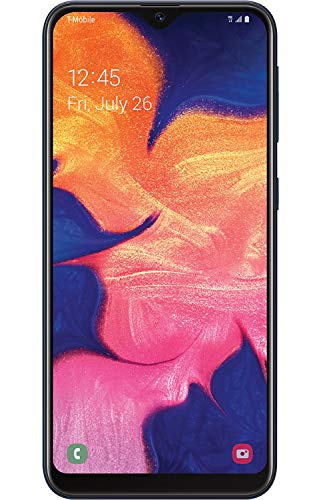
 Rogue R67S Unlocked 4G LTE Smartphone for T-Mobile6.78 x 3.13 x 0.39 inches0.5 poundsCheck on Amazon


What's inside
- What a list of everything is actually for
- How to survey a market without drowning in it
- Samsung Galaxy S25 Ultra: the conventional flagship at its most complete
- Google Pixel 9 Pro: intelligence as a design philosophy
- OnePlus 13: the enthusiast flagship that remembered speed is a feeling
- Nothing Phone 3: design dissent in a sea of similar slabs
- Motorola Razr 2025: the flip phone as everyday joy
- Samsung Galaxy Z Fold 7: a tablet that answers calls
- Google Pixel 9a: the value argument made with unusual discipline
- ASUS ROG Phone 9: the gaming specialist without an ounce of apology
- Displays, cameras, and batteries: reading the landscape sideways
- Software personalities: the invisible difference you will feel every hour
- From landscape to shortlist: a narrowing ritual that actually works
- Longevity, repair, and the environmental arithmetic of keeping a phone
- Eight phones, eight answers: the survey distilled
- What the next generation will probably change, and what it will not
- Photography across the landscape, scene by scene
- Travel, work, and family life through eight different windows
- The case for buying the phone you keep noticing
- A short glossary for the bewildered, because jargon should never decide a purchase
- Ownership rituals that make any of these phones better
- Check prices on Amazon
- One more walk past the shelves before you decide
As an Amazon Associate I earn from qualifying purchases. This post may contain affiliate links at no extra cost to you.
A note before the grand tour begins: this survey deliberately starts with everything, because narrowing too early is how shoppers end up comparing three nearly identical glass slabs while a foldable, a gaming rig, or a cheerful budget phone that suited them better never even entered the room.
What a list of everything is actually for
Most buying guides begin by quietly discarding ninety percent of the market, then present the survivors as if they were the universe, and that sleight of hand works beautifully until your needs fall outside the editor’s assumptions. A list built around a single need, say photography or battery life, answers a narrow question with welcome precision, but it cannot tell you whether the question itself was the right one to ask. The survey approach taken here reverses the order of operations: first we walk the entire landscape of noteworthy Android phones currently available, category by category, and only afterward do we talk about shrinking that landscape into a personal shortlist.
That reversal sounds indulgent, yet it mirrors how satisfying purchases actually happen, because people rarely regret learning what else existed before they committed. The Android ecosystem in this generation is unusually plural, offering conventional flagships polished to a mirror shine, book style foldables that unfold into small tablets, flip phones that shrink into powder compacts, gaming handsets with cooling fans and shoulder triggers, and attainable models whose competence keeps embarrassing their elders. Treating those tribes as one market with many dialects, rather than as a single ladder with one top rung, is the intellectual heart of this guide.
Readers who enjoy tracing how the platform reached this abundance will appreciate the long view offered by best all time android phones, where landmark devices from earlier eras explain why today’s variety feels both novel and strangely inevitable. For everyone else, the practical promise is simpler: by the end of this survey you will know which tribe you belong to, which two or three handsets deserve your detailed attention, and which impressive machines you can release from consideration without a backward glance.
How to survey a market without drowning in it
A landscape this wide needs a method, or the tour degenerates into a parade of superlatives where every phone is somehow the best at something. Our method sorts by form and philosophy before specifications, because a flip phone and a gaming phone can share a processor while sharing almost nothing else that matters to their owners. Within each tribe we ask the same grounding questions about display quality, camera honesty, battery behavior, software support, and the small ergonomic truths that emerge after a week of pockets, desks, and one handed bus rides.
Specifications still matter, but they matter in translation rather than in isolation. A large sensor means little until you know how the processing treats faces at dusk, a huge battery means little until you learn how the display drinks from it, and a blazing refresh rate means little if the software stutters beneath it. Readers comparing top tier connectivity and speed across brands may also want the narrower lens of best 5g flagship phones, which concentrates on the premium tier where fifth generation performance and flagship pricing intersect most intensely.
Finally, we weigh support horizons as a form of respect for the buyer, because a phone is a multi year companion and its maker’s update policy is a promise about that companionship. Google and Samsung now make the longest promises in this survey, OnePlus and Nothing occupy a respectable middle, ASUS serves its gaming niche with more modest timelines, and Motorola’s flip asks you to value present delight over distant patches. None of those positions is automatically disqualifying; each simply belongs in the open where a survey can see it.
Samsung Galaxy S25 Ultra: the conventional flagship at its most complete
Every landscape needs a reference point, and in the current Android world the Galaxy S25 Ultra plays that role by being the conventional phone against which all other conventional phones are quietly measured. Its formula is abundance executed with discipline: a vast, glare resistant display, a camera array covering nearly every focal length a traveler could request, a stylus tucked into the frame for notes and signatures, and performance that treats heavy games and sprawling multitasking as light exercise. If a shopper announced they wanted the safest possible premium Android and refused to discuss the matter further, this is the handset most clerks would reach for, and they would not be wrong.
Living with the Ultra reveals its character in accumulations rather than revelations. The anti reflective screen saves your eyes a dozen times a day without ever asking for credit, the telephoto lenses turn distant details into keepers at concerts and coastlines, and the battery behaves like a professional, finishing demanding days without negotiation. Samsung’s software, once criticized for duplication and clutter, has matured into a deep, customizable environment whose extra features, from elaborate routines to a desktop style mode when connected to a monitor, reward explorers while staying out of the way of minimalists who ignore them.
The costs of completeness are literal size and figurative commitment, because this is a large, squared, unapologetically serious object that dominates pockets and demands two hands for comfortable typing. Its camera processing still leans toward polish, occasionally smoothing a face or saturating a sunset beyond what the eye recorded, though recent tuning has narrowed that exuberance. In a survey context the Ultra represents the ceiling of the traditional form: buy it and you have essentially ended the conventional flagship conversation, which is either deeply satisfying or faintly boring depending on your temperament.
Google Pixel 9 Pro: intelligence as a design philosophy
Where Samsung pursues completeness, Google pursues judgment, and the Pixel 9 Pro is the fullest expression yet of a phone that tries to make wise decisions on your behalf. Its cameras favor natural contrast and honest skin, its software filters your calls, transcribes your recordings, and tidies your photographs with tools that feel less like features and more like a competent assistant living in the walls. The Pro designation finally brings hardware parity to that philosophy, adding the telephoto reach and refined construction that earlier Pixel flagships withheld, so the choice between Google and Samsung now turns on taste rather than on missing parts.
The Pixel experience reveals itself in moments of friction removed: a restaurant number identified before you answer, a boarding pass surfaced at the airport without digging, a group photograph where everyone’s eyes are open because the software quietly borrowed better expressions from neighboring frames. Purists debate whether such computational kindness counts as photography, but the people receiving those pictures rarely join the debate, because the picture is simply good. Video, historically the Pixel family’s concession speech, has become genuinely competitive, and the front camera’s improvements acknowledge that modern life is conducted face to camera more than any previous generation expected.
Its compromises live in raw performance and charging pace, where Tensor silicon prioritizes learned tasks over sustained gaming muscle and where a full charge takes its unhurried time. Long update support counters those compromises for patient owners, promising that the phone’s intelligence will keep compounding while rival hardware ages in place. Within this survey the Pro stands as proof that a flagship can compete by thinking differently rather than by containing more, and for buyers whose lives run through Google’s services it may feel less like a product and more like a natural extension of habits already formed.
OnePlus 13: the enthusiast flagship that remembered speed is a feeling
OnePlus built its name on a sensation, the feeling that everything happens the instant you ask, and the OnePlus 13 is the company’s most convincing restoration of that founding religion after years of wandering. The interface moves with an eagerness that makes rival flagships feel briefly thoughtful by comparison, charging speeds border on the theatrical, refilling a drained phone during a shower and a coffee, and the display ranks among the most pleasing panels in this entire survey for brightness, color, and fluidity. It is the phone for people who notice milliseconds and make no apology for it.
Camera credibility, long the brand’s soft underbelly, receives serious attention through its partnership tuned color science and a versatile arrangement that handles daylight landscapes, portraits, and evening streets with newfound confidence. Results may not dethrone the Pixel’s judgment or the Ultra’s reach, but the gap has narrowed from a verdict into a preference, which transforms the OnePlus conversation entirely. Battery endurance also surprises, outlasting several more famous flagships in mixed use, a feat that pairs beautifully with that charging speed to make range anxiety feel like a memory from another decade.
The remaining cautions concern ecosystem and endurance of a different kind: update commitments trail the two leaders, resale recognition lags behind the famous names, and the software, while swift, carries a personality that some Samsung and Pixel migrants find busy at first acquaintance. Carrier shelf presence can also be thinner, making hands on time harder to arrange. None of that dims the central fact that the OnePlus 13 delivers the flagship sensation for buyers who prioritize responsiveness above brand gravity, and in a landscape survey it earns the title of most exciting conventional phone that is not made by the two giants.
Nothing Phone 3: design dissent in a sea of similar slabs
Nothing approaches the market as an aesthetic argument, insisting that a phone can be an object of character rather than a pane of anonymous glass, and the Phone 3 carries that argument into more ambitious territory. Its transparent influenced styling, glyph lighting language, and deliberately restrained software give it an identity you can recognize across a café table, something no other handset in this survey can claim with a straight face. For buyers exhausted by sameness, that recognizability is not decoration; it is the entire point, a small daily pleasure purchased once and enjoyed thousands of times.
Beneath the styling sits a thoughtfully balanced device whose performance handles everyday demands and respectable gaming without strain, whose cameras produce lively, social ready images in good light, and whose clean interface strips Android down to a monochrome calm that some users find genuinely restorative. The glyph lights, easily dismissed as theatre, prove useful in quiet rooms where a phone lying face down can signal importance through pattern rather than noise. Battery life lands comfortably in the all day camp, and the whole package feels considered in a way that suggests designers argued about every gram and gradient.
Honest surveying requires noting the limits of the dissent: camera versatility and low light reach trail the leaders, update support sits mid pack, and the brand’s service network remains young compared with the giants it critiques. The Phone 3 therefore suits a particular sensibility, the buyer who values distinction and software calm over telephoto heroics and who replaces phones on a rhythm that matches its support window. In the landscape it plays an essential role, reminding the entire industry that specifications are not the only language a phone can speak.
Motorola Razr 2025: the flip phone as everyday joy
The Razr 2025 makes the most seductive pitch in this entire survey, because it does not ask you to want more phone but to want less of it, folded. Closed, it becomes a compact square that slips into pockets designed in an era when phones were smaller, and its generous cover screen handles notifications, replies, music, and even full applications without forcing the ritual of opening. Flip it open and a tall, bright main display resumes the conventional smartphone story, complete with capable cameras for its class and performance that keeps daily life moving without hesitation.
That dual life changes behavior in subtle, delightful ways. The cover screen becomes a triage desk where trivial alerts are dismissed without falling into the scroll, the folded form works as its own tripod for group photographs and video calls, and the simple physical act of closing the phone to end a call restores a punctuation mark that slab phones abolished. Motorola’s software restraint suits the concept, adding gestures and cover screen tricks without burying the charm under bloat, and the styling, especially in its textured finishes, attracts the kind of compliments that specification leaders rarely receive in the wild.
Compromises ride along, as they must in any folding design: battery capacity bows to the hinge, camera ambition bows to the thin halves, and durability questions, while greatly improved across generations, still deserve respect from buyers who work in dust or drop phones on quarry floors. Update support is not the Razr’s headline either. Yet judged as a whole life proposition rather than a laboratory contest, the Razr may be the most lovable object in this guide, proof that the landscape’s edges sometimes hold more happiness than its center.
Samsung Galaxy Z Fold 7: a tablet that answers calls
If the Razr shrinks the phone, the Galaxy Z Fold 7 expands it into something that challenges the boundary between phone and tablet, and its latest generation focuses on making that expansion feel effortless rather than experimental. Folded, it presents a usable outer display for messages and maps; unfolded, it becomes a canvas for reading, multitasking, spreadsheets, and video that makes conventional flagships look like they are performing through a keyhole. Samsung’s years of iteration show in the hinge feel, the crease’s reduced visibility, and software that remembers how you like applications arranged across the two personalities of the device.
Productivity is the Fold’s native language, with split screen combinations that let a document and a reference page coexist, a taskbar that treats recent applications like a desktop dock, and stylus free note taking that still benefits from the sheer acreage available. Photographers gain the strange superpower of previewing shots on the large inner screen while using the superior rear cameras for self portraits, and readers discover that ebooks and articles finally breathe at a size the printed page would recognize. Camera quality approaches the conventional flagships more closely than earlier generations managed, though the Ultra still keeps its crown in reach and low light finesse.
The Fold asks for commitment in return: it remains the heavyweight of this survey in hand and in financing, its inner screen demands gentler treatment than ordinary glass, and battery life, while respectable given the display area being fed, will not embarrass the endurance specialists. It suits professionals whose work genuinely spans documents and communication, travelers who would otherwise pack a separate tablet, and enthusiasts who simply enjoy living slightly in the future. Readers fascinated by large, fluid displays in general might enjoy the display focused detour at best 90 hz smartphones, where refresh rates and motion clarity take center stage away from folding hinges.
Google Pixel 9a: the value argument made with unusual discipline
Every landscape survey needs a phone that embarrasses the pricing of everything above it, and the Pixel 9a performs that office with Google’s characteristic emphasis on software intelligence over hardware theatre. It carries the same Tensor lineage and update generosity as its expensive relatives, a main camera whose processing produces photographs that regularly win blind comparisons against costlier rivals, and a design that trades exotic materials for a lightness and practicality many owners quietly prefer. For students, families buying multiple lines, and anyone whose flagship money has better destinations, the 9a is the rational heart of this guide.
Daily life with the 9a feels far less compromised than its station suggests, because the experiences most people touch hourly, messaging, browsing, photography, navigation, run with the same calm competence as the Pro. The display is bright and fluid enough to please all but the most devoted panel connoisseurs, battery life benefits from the efficient hardware pairing, and Google’s call handling features arrive intact rather than rationed. Wireless charging and water resistance, once unthinkable at this tier, appear as small declarations that value buyers deserve completeness too.
The sacrifices announce themselves in materials, charging speed, and camera flexibility, since there is no telephoto to rescue distant subjects and the bezels confess the phone’s budget more honestly than its siblings do. Yet those are precisely the sacrifices a disciplined buyer should accept, because they sit in areas touched weekly rather than hourly. In survey terms the 9a reframes the entire market: once you have held its competence in mind, every premium phone must explain what its extra money buys in lived experience, and several famous names find that explanation harder than their marketing suggests.
ASUS ROG Phone 9: the gaming specialist without an ounce of apology
The ROG Phone 9 closes our tour of tribes with the survey’s most specialized instrument, a handset engineered around sustained gaming performance the way a concert grand is engineered around resonance. Its flagship silicon is supported by serious cooling, a battery sized for marathon sessions, shoulder triggers that transform shooters and racers, and a display whose refresh behavior chases smoothness into territory ordinary flagships consider frivolous. Accessory ecosystems, from clip on coolers to controller docks, extend the proposition toward a portable console that also happens to answer calls and photograph lunch.
What surprises newcomers is how livable the ROG remains outside the arena, with clean software modes for ordinary days, speakers that embarrass most rivals during video, and cameras that perform respectably even though nobody at ASUS pretends photography drove the design. Video creators focused on capture quality will still wander toward the flagships discussed earlier, and best 4k smartphones offers that audience a dedicated comparison where recording resolution and stabilization outrank trigger buttons. For everyone else, the ROG’s everyday competence simply removes the last excuse for dismissing it as a toy.
Its trade offs are philosophical as much as technical: the design announces gaming allegiance loudly, update timelines run shorter than the leaders, and the size and weight reflect batteries and cooling rather than pocket diplomacy. But within its tribe it has no serious rival in this survey, and it demonstrates the landscape principle perfectly, because a phone can be simultaneously a poor universal recommendation and an absolutely perfect recommendation for the right person. Competitive players, streamers, and emulation enthusiasts will not find its combination of stamina, controls, and thermal discipline anywhere else on this page.
Displays, cameras, and batteries: reading the landscape sideways
Cutting across the tribes reveals patterns that tribe by tribe touring can hide, starting with displays, where the entire field has become so good that differences now live in glare handling, outdoor brightness, and motion smoothness rather than in basic beauty. The Ultra’s anti reflective treatment, the OnePlus panel’s fluidity, and the Fold’s acreage each represent a different theory of what a screen is for, while even the Pixel 9a delivers an experience that would have headlined a flagship not long ago. Refresh rates have settled into a high standard across the premium field, making touch responsiveness a shared inheritance rather than a differentiator worth a speech.
Cameras divide more honestly, because physics still charges rent for small sensors and thin bodies. The Ultra buys its way out with lenses and glass, the Pixels compute their way out with processing intelligence, the OnePlus splits the difference with improving color partnerships, and the foldables and value models accept defined limits in exchange for their other gifts. The wisest camera question is therefore not which phone wins, but which photographic situations dominate your life: faces at arm’s length, stages across halls, landscapes at noon, or night markets after dark, each crowns a different champion from this very list.
Battery stories follow a similar honesty, with the ROG and OnePlus converting capacity and charging into genuine freedom, the foldables spending their reserves on glorious screen area, and the Pixel 9a quietly outlasting expectations set by its price. Charging philosophies split the field into those who sip overnight and those who gulp during breakfast, and neither camp is wrong, though travelers and shift workers tend to convert to the fast camp after a single rescued morning. Reading sideways like this turns a bewildering landscape into a set of legible trade offs, which is all a buyer ever really needed.
Software personalities: the invisible difference you will feel every hour
Hardware photographs well, but software is where ownership actually happens, and the personalities in this survey diverge more sharply than their specification sheets suggest. Samsung’s environment is the maximalist’s workshop, dense with settings, automations, and alternative ways to accomplish anything, rewarding tinkerers who enjoy bending a phone until it fits their exact routines. Google’s interpretation is the helpful concierge, quieter on the surface, proactive underneath, surfacing information and assistance with an intuition that can feel almost social once it learns your patterns across weeks of use.
OnePlus chases velocity in its interface, trimming animations and responses until the phone feels caffeinated, while Nothing strips the canvas toward monochrome minimalism, arguing that calm is a feature in an attention economy designed to steal it. Motorola keeps its additions gestural and sparse, ASUS splits its personality between a clean daily mode and a gaming cockpit, and each approach will delight exactly the users the others mildly irritate. This is why hands on time matters disproportionately for software: a ten minute session in a store, scrolling, typing, and hunting through settings, teaches more about fit than an hour of benchmark charts.
Artificial intelligence features now weave through all these personalities, summarizing articles, drafting replies, editing photographs, and translating conversations, with quality varying from genuinely useful to entertaining novelty depending on the maker and the task. Google currently weaves them most deeply into the fabric of the phone, Samsung spreads them widest across applications, and the smaller brands implement selectively where they can excel. The prudent buyer treats these tools as a bonus whose value will grow, not as the foundation of a purchase, because foundations should be cameras, batteries, and support windows that cannot be patched into existence later.
From landscape to shortlist: a narrowing ritual that actually works
Having surveyed everything, the discipline begins, and it starts with form rather than brand. Decide first whether your phone should fold, flip, game, or remain a classic slab, because that single answer eliminates most of this guide with merciful speed. Next, name your non negotiable experience, the one thing your current phone does badly enough to make you mutter, whether that is dying before dinner, blurring your child’s recitals, or lagging through the game you play nightly, and promote every candidate that solves it while demoting those that merely sparkle elsewhere.
Then interrogate your storage, your carrier, and your keeping habits with unusual honesty. Chronic photo hoarders need capacity or a cloud routine they will actually maintain, travelers need band support and unlocking flexibility checked before romance sets in, and keepers of phones across many years should let update policies veto otherwise charming candidates. Handle the finalists physically if you possibly can, because weight distribution, button placement, and the reach of a thumb across a tall display are facts your hand learns instantly and your eyes cannot learn from photographs at all.
- Choose the form first, since folding, flipping, gaming, and classic shapes serve genuinely different daily lives.
- Promote the phone that fixes your loudest current complaint instead of the one collecting the most abstract superlatives.
- Let update policy decide between near equals whenever you expect to keep the device for many years.
- Test typing, one handed reach, and pocket comfort in person before financing anything with a large display.
- Revisit the value tier last, because the Pixel 9a has a habit of dissolving premium shortlists entirely.
Notice what this ritual never does: it never asks which phone is best in the abstract, because that question, beloved of comment sections, has no answer that survives contact with a specific human life. The landscape exists to be narrowed, and narrowing is a personal act disguised as a technical one. Two thoughtful buyers can read this entire survey, follow the same ritual faithfully, and walk away with a Razr and a ROG respectively, both correct, both slightly baffled by the other’s choice, and both better served than if a narrower guide had forced them into the same flagship.
Longevity, repair, and the environmental arithmetic of keeping a phone
A survey of everything should spare a thought for what happens after the honeymoon, because the most sustainable and economical phone is usually the one you keep, and keeping depends on batteries, parts, and patches arriving years after the launch applause fades. Samsung and Google have turned longevity into a competitive sport at the flagship level, and the Pixel 9a extends that generosity downward in a way that may prove its most radical feature. OnePlus and Nothing offer respectable middle horizons, while the gaming and flipping specialists ask buyers to trade some future proofing for present distinctiveness, a trade that is fair precisely when it is made knowingly.
Battery wear remains the universal tax on keeping, arriving gradually until a once mighty phone becomes anxious by mid afternoon, and replaceability of that battery through reputable service quietly determines whether a beloved device gets a second act. Cases, protectors, and the occasional professional battery swap cost a fraction of replacement and keep capable hardware out of drawers and landfills alike. The foldables complicate this arithmetic with their intricate construction, rewarding owners who treat the inner screen with a little ceremony and punishing, eventually, those who treat it like a rental car.
Resale and hand me down value form the cheerful side of longevity, since a well supported flagship passed to a family member delivers years of further service, while an abandoned budget phone becomes e waste with a cracked screen. Buying with the second owner in mind, choosing storage generously and keeping the original box in a closet, sounds faintly absurd until the day a teenager in your life receives a still patched, still swift handset with genuine gratitude. The landscape rewards that long view more generously now than at any point in Android history.
Eight phones, eight answers: the survey distilled
Step back far enough and the eight candidates resolve into eight distinct answers to the question of what a phone is for. The Galaxy S25 Ultra answers that a phone is a complete toolkit, the Pixel 9 Pro that it is a thoughtful assistant, the OnePlus 13 that it is a sensation of speed, and the Nothing Phone 3 that it is an object of personal expression worth glancing at with pleasure. Each answer is coherent, each has a natural owner, and none requires the others to be wrong, which is precisely the insight a landscape survey exists to deliver.
The second quartet answers with form and focus rather than philosophy. The Razr proposes that a phone should know when to disappear, the Fold that it should expand to meet serious work and serious reading, the Pixel 9a that excellence in the essentials belongs at every budget, and the ROG Phone 9 that play deserves engineering as serious as any profession receives. A market healthy enough to sustain all eight answers simultaneously is a market worth surveying slowly, because the diversity itself is the headline that narrower guides, rushing to crown one winner, consistently bury.
Practical pairings emerge for the indecisive: the Ultra and the Fold for those torn between camera supremacy and screen acreage, the Pro and the OnePlus for those choosing between intelligence and velocity, the Razr and the Nothing for those buying with their hearts and needing permission to do so, and the 9a standing behind every pairing as the voice asking whether the premium difference will still feel meaningful after the third month of ownership. Sometimes that voice wins, and when it does, the money saved tends to find excellent employment in travel, savings, or the simple luxury of upgrading again sooner without guilt.
What the next generation will probably change, and what it will not
Surveys age, so it is worth marking which judgments here rest on bedrock and which rest on the current season’s soil. Silicon will grow faster, artificial intelligence will grow more ambient, foldable creases will grow fainter, and some brand in this list will announce a battery chemistry that resets endurance expectations, yet the underlying tribes will persist because they map onto human desires rather than onto technology cycles. People will still want tools, assistants, sensations, statements, compacts, canvases, bargains, and arenas, and manufacturers will still arrange silicon and glass to serve those appetites in roughly the shapes described here.
That stability is liberating for today’s buyer, because it means choosing by desire rather than by fear of imminent obsolescence leads to purchases that age gracefully even as specifications march on. A Razr bought for the joy of closing it will still close satisfyingly when its successor folds flatter, and a Pixel bought for its judgment will still judge wisely when rival assistants grow louder. The phones most vulnerable to regret are those bought for a superlative, fastest, brightest, thinnest, because superlatives expire on schedule while fit does not.
So the survey closes where it began, with permission to start wide and narrow slowly, trusting that the right phone is rarely the one with the longest list of victories and usually the one whose particular victories align with your mornings, your work, your photographs, and your games. Somewhere among these eight machines is the one that will make you stop reading guides for a good long while, and finding it was never about crowning a champion for everyone, only about recognizing, with a small click of certainty, the handset that was shaped like your own life all along, waiting patiently beneath the lighthouse beam of your attention.
Photography across the landscape, scene by scene
Walk these eight phones through a single photographic weekend and their personalities sort themselves faster than any laboratory chart could manage. Saturday morning light in a kitchen favors the Pixels, whose processing keeps a child’s face honest against a bright window while breakfast chaos unfolds around the edges of the frame. A midday hike rewards the Ultra’s telephoto patience, isolating a hawk on a fence post and a lighthouse across the bay with equal composure, while the Fold’s vast inner screen turns reviewing those shots into a shared event rather than a squinting solo ritual performed with one eye closed.
Afternoon street scenes flatter the OnePlus and the Nothing, both producing lively color that suits markets, murals, and the general theatre of a city at leisure, and the Razr earns its invitation by folding halfway to photograph the group itself, propped on a café table with its cover screen showing everyone their own grinning preview. Evening separates the field with the old cruelty of low light, where the flagships from Samsung and Google hold detail and dignity longest, the OnePlus follows respectably, and the specialists accept grain and softness as the toll for their other talents. None of this makes the specialists poor cameras; it simply maps their cameras onto the scenes where they shine, which is the only map a buyer ever actually uses.
Sunday’s video duties, a youth match, a grandparent’s toast, a dog discovering the sea, reward stabilization and sound as much as resolution, and here the conventional flagships justify their reputations while the ROG surprises everyone by turning its gaming grade cooling into long, steady recordings that never throttle. The Pixel 9a, carried by a cousin who insisted expensive phones were a tax on the gullible, produces the photograph of the weekend, a laughing portrait at golden hour that the family group chat adopts unanimously, delivering the survey’s favorite lesson in person: light, timing, and affection beat hardware hierarchies whenever they feel like it.
Travel, work, and family life through eight different windows
Consider the same eight phones packed for a work trip, and the landscape rearranges itself around airports and hotel desks. The Fold becomes a second monitor that folds into a jacket pocket, the Ultra becomes a scanner, signature pad, and presentation remote in one, and the Pixel Pro becomes the colleague who transcribes the meeting, translates the menu, and screens the spam call ringing through at midnight in a foreign time zone. The OnePlus wins the departure lounge by refilling during a coffee after a forgetful night, the ROG wins the delayed evening by turning a terminal bench into an arcade, and the 9a wins the expense report by simply existing without a flagship sized financing line attached to it.
Family life rearranges the ranking again, because households buy ecosystems of patience rather than individual triumphs. A Razr delights a teenager and then teaches her to close the phone at dinner, a Nothing Phone gives a design conscious student an identity that is not the family default, and a Pixel 9a in a sturdy case becomes the handset a parent can replace without a household summit if gravity wins an argument at the pool. Shared chargers, shared photo libraries, and the sacred tradition of handing a still supported phone down the sibling line all argue for buying within a support horizon the whole family can live inside.
Work in the field, on sites, in clinics, in kitchens, adds gloves, glare, and haste to the evaluation, and suddenly screen brightness, one handed reach, and the humility to survive a drop matter more than any camera crown. The survey’s lesson repeats in every costume: context is not a complication added to the buying decision, it is the buying decision, and the landscape format honors that truth by refusing to flatten eight different excellences into one podium. Your context, examined honestly, will crown its own winner long before any reviewer gets a vote.
The case for buying the phone you keep noticing
After method, ritual, and cross cutting analysis have done their work, a quieter signal deserves its hearing: attention itself. During any honest survey, one or two phones keep pulling your thoughts back while the others, however impressive, recede into respectful abstraction, and that pull usually encodes real information about your tastes, your frustrations, and the daily pleasures you are actually shopping for. A buyer who cannot stop picturing the Razr folded beside a coffee cup is not being frivolous; they are imagining a smaller, calmer relationship with the device that mediates their entire day, and imagination of that specificity rarely lies.
The same logic dignifies the gamer who dreams in trigger buttons, the executive who keeps unfolding an imaginary Fold across an imaginary train table, and the minimalist who returns repeatedly to Nothing’s calm monochrome screens like a visitor returning to a quiet room. Analysts can warn about support windows and camera ceilings, and those warnings belong in the decision, but they should sit beside desire rather than automatically above it, because a phone is handled thousands of times and unloved excellence curdles into resentment faster than beloved compromise ever does. The survey method, by presenting everything fairly, earns you the right to choose with your heart without choosing in ignorance.
There is a final, unfashionable test to apply before ordering, and it involves picturing the phone aged two years: scuffed at the corners, battery slightly humbled, software still familiar, photographs of people you love filling its storage in no particular order. If that aged image feels warm rather than disappointing, if you can imagine defending the choice to a skeptical friend with stories instead of specifications, then the landscape has done its work and the narrowing is complete. Every phone in this guide can pass that test for somebody, and the somebody was the entire point of surveying everything before choosing anything.
A short glossary for the bewildered, because jargon should never decide a purchase
Surveys accumulate vocabulary, so a brief translation service may help before the final decision hardens. When makers praise computational photography, they mean software rescuing and refining what small lenses capture, the Pixel family’s home ground; when they praise optical zoom, they mean glass doing that work before the software wakes, the Ultra’s favorite argument. A hinge rating counts folds the way a passport counts stamps, a refresh rate describes how often the screen redraws itself each second, and an update commitment is simply a dated promise about how long the maker will keep guarding and improving the phone after your money becomes their memory.
eSIM means the carrier identity lives as downloadable data rather than a plastic sliver, ingress ratings describe dust and water resistance in a code that rewards a quick search before swimming is contemplated, and thermal throttling is the polite term for a processor slowing itself to avoid cooking its neighbors during a long game. None of these terms should intimidate anyone out of the conversation, because each translates into an ordinary question: will it photograph my life well, survive my weather, stay safe for years, and keep up when I ask it to run. Ask those questions in plain language of any seller, any reviewer, and any guide, including this one, and the landscape becomes a place you can walk confidently rather than a quiz you are afraid of failing.
Ownership rituals that make any of these phones better
Whichever name survives your narrowing, a few rituals will raise its quality of life more reliably than another hour of comparison ever could. Set up backups on the first evening while enthusiasm is high, because photographs become irreplaceable on a schedule nobody predicts, and move your authenticator and banking applications deliberately before the old phone is wiped, traded, or handed down in a burst of tidiness. Choose a case for the life you actually lead rather than the life in the advertisement, learn the camera’s two or three genuinely useful modes instead of its twenty novelty settings, and let the software’s routines learn your mornings for a fortnight before declaring them gimmicks.
Give the battery a boring, consistent charging habit, give the screen a protector fitted with patience, and give yourself permission to stop researching the moment the box opens, because the comparison habit that served you so well as a buyer becomes pure dissatisfaction as an owner. The landscape will keep moving, new champions will be crowned by narrower guides, and none of it needs to reach you until your own phone, aged and familiar, begins to ask politely for a successor. Until that day, the best Android phone out there is the one in your hand doing its quiet work, and the survey’s final gift is the confidence that you chose it with your eyes open, your priorities named, and your imagination fully consulted, somewhere between the first folded morning and the last photograph of the year.
Carry that confidence lightly, share your reasoning generously when friends face the same bewildering wall of glass, and remember that every one of the eight tribes in this landscape exists because somebody, somewhere, needed a phone to be exactly that shape of helpful, beautiful, playful, or calm. The market’s abundance is not a puzzle designed to trap you; it is a menu written by millions of different lives, and your only task was always to find the line written in your own hand, which you now hold, glowing softly, ready for its first journey beyond the garden gate at dawn.
Check prices on Amazon
Live listings for the shortlist in this guide are pulled from Amazon below, so prices and availability are always current at the moment you look.


One more walk past the shelves before you decide
Picture the wall of phones one final time, not as a ranking but as a row of doors, each opening onto a slightly different version of your next three years. Behind the Ultra’s door are distant stages photographed clearly and documents signed without a printer; behind the Pixel Pro’s are screened calls, rescued portraits, and meetings that transcribe themselves while you were busy listening. The OnePlus door opens onto speed you can feel in your fingertips and a charger that forgives every forgotten night, while Nothing’s door opens onto a calmer, stranger room where the phone on the table looks like nobody else’s and the software whispers instead of shouting for your attention.
The remaining doors hold their own weather: the Razr’s compact mornings and theatrical little snap at the end of every call, the Fold’s library and office unfolding from a pocket, the 9a’s unburdened competence and the pleasant arithmetic of money left over for living, and the ROG’s long glowing evenings where the game never stutters and the battery never pleads. Stand there long enough and the doors stop competing, because you are no longer asking which room is finest in the abstract; you are listening for the one where your own furniture, your own habits, and your own people seem already to be waiting. That listening is the whole method of this survey compressed into a single quiet moment, and it has never once required a trophy, a podium, or a crown to reach its answer.
And if, after all this walking and weighing, two doors still stand open with equal light spilling from each, choose the one whose shortcomings you can describe without irritation, because every phone in this survey will eventually disappoint you in its particular way, on a rainy platform, in a dim hall, during a game that matters more than it should. A disappointment you anticipated and accepted feels like a personality trait in an old friend, while a disappointment that ambushes you feels like betrayal, and the difference between those two feelings is nothing more exotic than the honesty you practiced today. So take the survey with you, leave the superlatives behind, and walk out carrying the machine whose flaws you have already forgiven and whose virtues match the shape of your days, past the bright shopfront windows and into the ordinary, welcoming dusk where your real life has been waiting to be photographed.
Years from now, when this phone is a scuffed veteran riding in a coat pocket beside loose coins and a folded receipt from a city you barely remember visiting, you will not recall its launch headlines or the arguments strangers staged beneath its reviews, but you will remember whether it felt like an ally on the days when everything else demanded too much. That memory is being decided right here, in the unhurried space between surveying everything and choosing one thing, and it deserves the full measure of your attention before the receipt prints and the door of the shop swings shut behind you beneath a sky the color of pewter and coming rain.
Trust that memory, then, more than any chart, and let the chosen phone slip into your pocket with the quiet ceremony it deserves, because the grand tour ends not with a fanfare but with a familiar gesture, a hand closing around a shape that already feels like it belongs there, while the street outside carries on with its buses, its bicycles, and its thousand other glowing screens moving through the blue hour toward home.


