Our Top Picks
 Rogue R67S Unlocked 4G LTE Smartphone for T-Mobile6.78 x 3.13 x 0.39 inches0.5 poundsCheck on Amazon
 OUKITEL C62 Unlocked Phones Dual-Screen Android 16 Smartphone2.97 x 2.9 x 6.1 inches0.78 poundsCheck on Amazon
 Samsung Galaxy A16 4G LTE 128GB+4GB SM-A165F/DS Factory3.07 x 0.31 x 6.47 inches0.4 poundsCheck on Amazon


What's inside
- What reviewer consensus actually means
- Google Pixel 8 Pro
- Samsung Galaxy S24 Ultra
- Google Pixel 8
- OnePlus 12
- Samsung Galaxy S24
- Nothing Phone 2
- Google Pixel 8a
- Motorola Edge 40
- Asus Zenfone 10
- The qualities reviewers praise again and again
- Turning consensus into your own shortlist
- Questions about reviewed and recommended Android phones
- Samsung Galaxy S23
- Google Pixel 7 Pro
- Sony Xperia 1 V
- Samsung Galaxy Z Flip 5
- How consensus forms, and how it can mislead
- What owners confirmed after the reviewers moved on
- Samsung Galaxy S23 Ultra
- Honor Magic 5 Pro
- Reading reviews the way professionals read each other
- Why praised phones make such satisfying second-hand buys
- Check prices on Amazon
- Our verdict on the most praised Android phones
As an Amazon Associate I earn from qualifying purchases. This post may contain affiliate links at no extra cost to you.
How this consensus guide was put together at GizmoVerdict: our team read across a wide spread of independent phone reviews, noted where experienced testers kept reaching the same conclusions, and ignored any handset whose praise came from only one loud corner of the internet.
Some phones win a news cycle, while a smaller and more interesting group wins something harder: the settled respect of people who test phones for a living. Reviewers disagree constantly, because they weight cameras, displays, battery life and software according to their own habits, and that disagreement makes their moments of agreement unusually valuable. When testers with rival loyalties keep praising the same handset in the same language, season after season, a buyer can treat that chorus as evidence rather than advertising. This guide is about those phones, the Android models that experienced reviewers consistently praised once the launch confetti had been swept away.
A note on method matters here, because consensus can be misunderstood as a league table wearing a disguise. We are not averaging verdicts into a single number, and you will find no numerical scores anywhere in what follows. Instead, we describe the qualities that reviewers returned to again and again: the camera that never embarrassed itself, the battery that ended arguments, the software that stayed smooth after the honeymoon. Readers who care about the raw specifications behind the applause may also enjoy our display-focused companion on best 1440p android phones after this tour of the consensus favourites.
Consensus also has a memory, and that memory is part of what makes it useful to a buyer shopping today. A phone praised in its launch week may fade once long-term reviews expose heating problems, update delays or cameras that crumble in winter light. The models below survived that second examination, earning the deeper compliment of still being recommended when newer rivals were already on the test bench. That staying power is the real subject of this guide, because a recommendation that survives contact with time is worth more than a headline that does not.
We have organised the praise by strength rather than by brand loyalty, so photographers, battery worriers and software purists can each find their section quickly. Every phone here earned its place through repeated commendation across independent publications, not through a single glowing write-up. Where reviewers found a flaw worth repeating, we repeat it too, because consensus includes the criticisms everyone agreed on. A trustworthy round-up should sound like the whole conversation, not just the compliments.
What reviewer consensus actually means
Understanding why reviewers converge on certain phones begins with understanding what testing actually exposes. A reviewer lives with a handset through deadline days, travel, family events and software updates, compressing months of ordinary ownership into a few intense weeks. Under that pressure, gimmicks exhaust their charm quickly, while dependable cameras, honest battery life and stable software become more impressive with every passing day. Phones that earn lasting praise are usually the ones whose virtues compound quietly instead of peaking at the unboxing.
Camera consistency is the theme that surfaces most often when testers explain their favourites in interviews and long-term reports. Not the single spectacular shot, which almost any flagship can produce in perfect light, but the tenth ordinary photograph of a child, a dog or a dinner plate taken without thinking. Reviewers consistently praised the phones below for removing anxiety from photography, for producing the keeper image on the first attempt rather than the fifth. That reliability is a software achievement as much as a hardware one, and it explains why some technically modest cameras outscore exotic rivals in affection.
Battery praise follows a similar pattern, rewarding endurance that survives a reviewer’s worst day rather than a laboratory’s best one. The handsets singled out here were the ones testers stopped carrying a power bank for, the ones still awake at midnight after a day of navigation, hotspotting and photography. Reviewers are heavy users by profession, so their confidence on this subject translates generously to ordinary owners. When several publications independently describe a phone as the one they trust on a trip, that sentence carries more weight than any endurance chart.
Software earns consensus praise more slowly, because its quality reveals itself across updates, months and accumulated data. Reviewers consistently praised interfaces that stayed fluid after their photo libraries grew, assistants that improved rather than cluttered, and update programmes that arrived as promised. They were equally consistent in punishing duplicated apps, advertising inside system menus and features that worked only during the launch demonstration. The phones in this guide are, without exception, phones whose software reviewers said they would happily keep using, which is rarer praise than it sounds.
Google Pixel 8 Pro
Ask a room of reviewers which Android camera they trust blindly and the Pixel 8 Pro is the name that surfaces with the least hesitation. Testers praised its ability to walk into ghastly mixed lighting, a school hall, a rainy street, a candlelit restaurant, and walk out with photographs that look like the moment felt. That consistency, repeated across publications that agree about little else, is the foundation of its reputation. The hardware is excellent, but the judgement of its processing is what reviewers kept describing as peerless.
Beyond the camera, praise gathered around the display, which testers described as bright, colour-faithful and easy to read in punishing summer glare. Google’s software support promise drew its own chorus, with reviewers noting that a phone this capable deserved a long life and was finally being given one. The on-device intelligence features earned more qualified admiration, useful in flashes, occasionally theatrical, yet the core experience underneath them was never in doubt. Even critics of its price conceded that the complete package justified the argument.
The reservations reviewers shared are worth repeating because they were shared so widely. Charging speeds were described as leisurely for a flagship, and the processor, while intelligent, was not the choice of testers who game competitively. Video quality, though much improved in this generation, still split opinion when compared with the very best rivals. None of those caveats displaced it from recommendation lists, which tells you how heavily the camera and software praise weighed in the final balance.
Samsung Galaxy S24 Ultra
The Galaxy S24 Ultra collected praise the way a flagship should: from every direction at once, for reasons that rarely overlapped. Camera reviewers applauded its zoom reach, display specialists applauded its anti-reflective screen, and productivity writers applauded the stylus that still has no equivalent rival. When a phone leads several different conversations simultaneously, consensus stops being a coincidence and becomes a description of the hardware. Testers who began their reviews looking for a weakness usually ended them discussing its size or its price instead.
The display drew some of the warmest language of its generation, with reviewers praising outdoor legibility that made maps and messages readable in direct sunlight. Battery endurance earned repeated commendation from heavy users who expected the big screen and stylus to exact a heavier toll. Samsung’s long update commitment was cited as the moment the Ultra became easy to recommend to owners who keep phones for many years. Even the flat screen, a small design change, was welcomed by reviewers tired of accidental touches on curved edges.
Criticism, where consensus formed, centred on the physical experience rather than the capability list. It is a large, heavy, unapologetically slab-like phone, and several reviewers advised smaller-handed buyers to handle one before committing. The camera’s processing occasionally produced images testers called over-eager, particularly in challenging colour. Yet the final verdicts kept landing in the same place: for buyers who want everything, reviewers agreed this was the Android that delivered it.
Google Pixel 8
The standard Pixel 8 may be the most warmly reviewed phone in this entire guide relative to its price, and that warmth has a distinct flavour. Reviewers consistently praised it as the recommendation they give their own families, the phone without an asterisk, the one that will not generate a confused phone call a month later. Its camera shares the family’s celebrated processing, its size suits ordinary hands, and its software support stretches far beyond segment expectations. Publication after publication reached for the same word to describe it, and that word was sensible, delivered as the highest compliment.
Testers praised the brighter display as the upgrade that fixed the previous generation’s most common complaint, noting how much easier outdoor photography became. Performance divided opinion less than expected, because everyday fluidity impressed reviewers more than benchmark tables disappointed them. The smaller battery asks for understanding on the heaviest days, a caveat reviewers mentioned honestly while continuing to recommend the phone. That pattern, flaw noted and recommendation intact, is exactly what genuine consensus looks like.
Long-term reviews were particularly kind, with writers reporting that the phone aged gracefully as features arrived and rough edges softened. Its face unlock, call screening and voice features were described as the kind of intelligence that earns its place quietly. For our own broader look at network-ready handsets, see best 5g android phones, where this model also features prominently. If the Pro is the photographers’ champion, the standard Pixel 8 is the reviewers’ consensus made pocketable.
OnePlus 12
Reviewers greeted the OnePlus 12 as a homecoming, and their reviews carry the unmistakable tone of critics relieved to praise a brand they had worried about. The speed that defined early OnePlus phones is present in full, joined this time by a complete flagship checklist that earlier generations had trimmed. Testers praised the rapid charging in near-identical terms, calling it the feature that changes daily habits rather than merely topping a chart. A battery refilled during breakfast, they agreed, forgives almost any amount of heavy use the day before.
The camera system earned the strongest reviews the brand had received in years, with the telephoto lens singled out for portraits that flattered without artificial smoothing. Display quality drew consistent praise for brightness and colour, and the return of wireless charging was welcomed as a wrong finally righted. Software opinion remained the most divided area, with some reviewers preferring rival interfaces while conceding this one had matured considerably. Even that division is informative, because it was about taste rather than about faults.
Battery life itself, separate from the charging story, impressed testers who pushed the phone through travel days and festival weekends. The consensus caveat involved availability and long-term update confidence, where Samsung and Google still set the pace reviewers measure against. Yet the final lines of review after review converged: this was the OnePlus to recommend without caveats about missing features. For speed devotees, the critics have effectively spoken with one voice.
Samsung Galaxy S24
Not every consensus favourite needs an Ultra badge, and the Galaxy S24 built its reputation by being the flagship reviewers described as enough, in the most approving sense. Its compact frame won praise from testers exhausted by ever-growing phones, with several calling it the size a flagship should have been all along. The display, cameras and processor deliver the full Samsung experience in a body that disappears into a pocket rather than dominating it. Reviewers consistently praised that balance, returning to it whenever readers asked which Galaxy they personally carried.
Battery endurance surprised critics who expected the smaller body to mean a shorter day, and many reported comfortably reaching bedtime under professional workloads. The camera system was praised for consistency across its lenses, with colour and exposure that stayed coherent as reviewers zoomed through a scene. Samsung’s extended support window transformed the recommendation maths, and testers said so explicitly and often. A compact phone with years of updates ahead of it is a combination reviewers found almost nothing to argue with.
The shared criticisms were gentle ones: charging that trails the fastest rivals, and a design so refined it borders on familiar. Some testers wished for the Ultra’s zoom reach, while acknowledging that wishing for a different phone is not a flaw in this one. Mid-range shoppers comparing across segments will find useful context in best mid range 5g phones, where the value argument continues. For buyers who want the flagship experience without the flagship footprint, the reviewers’ verdict on the S24 was unusually unanimous.
Nothing Phone 2
The Nothing Phone 2 charmed reviewers in a way that spec sheets cannot explain, and their reviews keep circling back to the pleasure of using something designed with intent. Its light-up interface matured from novelty into a genuinely useful signalling system, and testers praised the restraint of its monochrome-leaning software. Performance from its flagship-grade processor drew straightforward praise, particularly at the price the phone asked. Critics who expected a gimmick found a balanced handset instead, and several admitted the surprise in print.
Battery life earned consistent commendation, with reviewers reporting two relaxed days for moderate use and an easy full day under pressure. The cameras were described as good rather than great, a distinction testers drew carefully while still praising their honest colour. Where the phone truly separated itself was in the intangibles: the feel of the software, the distinctiveness of the design, the sense of a company with a point of view. Reviewers consistently praised it as the phone they enjoyed reviewing most, which is its own category of recommendation.
Reservations focused on the support window, which trailed the longest commitments in this guide, and on camera versatility after dark. Availability through official channels also varied by market, a practical note several publications repeated for their readers. None of it stopped the consensus from forming around the phone’s character and value. In a market of competent sameness, reviewers agreed, this was the Android with a personality worth paying for.
Google Pixel 8a
Every year reviewers perform the same ritual with Google’s A-series: they set out to explain why you should buy the flagship, and end up recommending the cheaper phone. The Pixel 8a continued that tradition so convincingly that several publications called it the default Android recommendation for ordinary buyers. Its camera inherits the family’s processing wisdom, and testers praised photographs that embarrassed phones costing far more. When critics agree that the budget option is the smart option, buyers should pay close attention.
The long software support drew particular praise, because it removed the traditional penalty for choosing the affordable model. Reviewers noted the brighter display, the comfortable size and the wireless charging as features that made the phone feel generous rather than compromised. Performance satisfied every tester who used it for ordinary work, which is to say nearly all of them, nearly all of the time. The praise was not reluctant or qualified by price; it was the straightforward admiration usually reserved for flagships.
Shared caveats included bezels that look dated beside sleeker rivals and charging speeds from a more patient era. A few reviewers also noted that frequent promotions on the standard Pixel 8 could narrow the value gap to a sliver. Even so, the final verdicts kept returning to the same conclusion about what most people should buy. Consensus rarely gets clearer than a room full of critics telling you to spend less.
Motorola Edge 40
Motorola’s Edge 40 won its consensus praise in the mid-range trenches, where reviewers are hardest to impress because every phone there is a compromise wearing a smile. Testers praised its slim, light build at a moment when rivals were growing heavier, and its curved display divided opinion on looks while uniting it on quality. The clean software experience drew repeated compliments from reviewers tired of mid-range phones arriving stuffed with advertising and duplicated applications. It became the phone critics reached for when readers asked for something pleasant that did not cost flagship money.
Camera performance in daylight earned solid praise, with natural colour that several testers preferred to the oversaturated output of competitors. Charging speed impressed the same reviewers, who noted how a brief plug-in before leaving home changed the battery anxiety equation. Water resistance at this level of the market was cited as evidence of Motorola taking the segment seriously. Together those details built a reputation greater than any single specification could justify.
The criticisms reviewers shared involved low-light photography and a support commitment shorter than the leaders in this guide. Some also found the curved screen’s edge reflections distracting during video, a matter of taste they flagged fairly. Yet recommendation after recommendation included the phone for buyers prioritising design, display and software cleanliness. Its consensus is narrower than the flagships above, but within its segment it is remarkably firm.
Asus Zenfone 10
The Zenfone 10 holds a special place in reviewers’ hearts as the small phone that refused to compromise, and their affection for it borders on protective. Testers praised its one-handed size in an era of giants, then praised it again for somehow fitting in flagship performance and a headphone jack besides. Battery endurance astonished critics most of all, with a compact phone outlasting rivals far larger than itself. When reviewers describe a handset as the answer to their own personal wish list, consensus has clearly formed.
Its customisable software touches, from smart key gestures to a near-stock interface with thoughtful additions, earned praise for respecting the owner’s intelligence. The main camera, aided by an excellent stabilisation system, won compliments for video work and dependable stills. Reviewers consistently framed it as proof that the market’s drift toward size was a choice, not a law of physics. Small-handed buyers finally had a flagship the critics could recommend without a single apology about power.
The shared reservations were real: a shorter update window than the giants promise, no telephoto lens, and wireless charging absent from the specification. Availability was limited in some markets, which several reviewers flagged as the phone’s most frustrating feature. Even so, it remained the compact recommendation across publication after publication. For a certain kind of buyer, the critics agreed, nothing else on sale was even the same shape of answer.
The qualities reviewers praise again and again
Step back from individual models and the consensus reveals what reviewers actually value once novelty stops paying rent. They value cameras that behave like reliable colleagues, batteries that remove a daily worry and software that respects both the owner’s time and intelligence. They punish phones that chase a single headline specification while neglecting the experience of an ordinary Tuesday. Reading a year of reviews with that lens turns a pile of verdicts into a surprisingly coherent philosophy of what a phone should be.
Displays illustrate the philosophy well, because reviewers praised qualities that spec sheets describe poorly. Brightness that survives a beach, colour that stays honest in photographs and dimming that stays comfortable at midnight earned more ink than raw resolution ever did. Several phones in this guide were commended for anti-reflective finishes and thoughtful eye-comfort features, details invisible in a comparison table. The lesson for buyers is to read how a screen behaves in a reviewer’s day, not merely how many pixels it contains.
Performance praise has similarly matured beyond worship of the fastest processor. Reviewers consistently praised phones that stayed cool during navigation, held their frame rates in long gaming sessions and opened the camera instantly after months of use. They were unimpressed by benchmark peaks followed by throttling, and said so with increasing bluntness as the years passed. Sustained, unglamorous speed is what consensus rewards, which is encouraging news for buyers who cannot replace their phone annually.
Value forms the final theme, and it cuts across every price band represented here. The most praised phones were rarely the cheapest or the most expensive; they were the ones whose price felt explained by the experience, month after month. Reviewers returned to phrases about phones earning their cost, respecting their buyers and needing no excuses. That is the standard worth holding any Android to, whatever your budget, and it is the standard this guide has tried to apply throughout.
Turning consensus into your own shortlist
Using consensus wisely means treating it as a starting point rather than a substitute for your own priorities. If reviewers agree a camera is superb but you photograph nothing except documents and whiteboards, that agreement should move you less than praise for battery life or screen size. Make a short list of the three qualities your current phone frustrates you with, then reread the sections above hunting for those exact words. The phone whose praise matches your frustrations is your phone, regardless of which model collected the most compliments overall.
Long-term reviews deserve more of your trust than launch coverage, and seeking them out is the easiest upgrade any buyer can make to their research. Writers who revisit a phone after six months talk about update reliability, case wear, battery drift and the features they stopped using by February. That is the texture of real ownership, and the phones in this guide earned their places partly by surviving those revisits with reputations intact. Our all-time survey in best all time android phones takes the same long view across many generations for readers who enjoy the historical picture.
Availability, support and repair networks form the unglamorous border around every glowing review. A phone praised in another continent may arrive in your market without local warranty cover, spare parts or the network tuning your carrier expects. Check that the exact model reviewers praised is the exact model sold to you, because regional variants sometimes differ in memory, bands or included accessories. Consensus travels well; hardware variants, unfortunately, travel confusingly, and the careful buyer verifies before celebrating.
Finally, remember that consensus is a snapshot of expert opinion, not a prophecy about your satisfaction. Hands differ, eyes differ, and the phone a reviewer praises for its compact size may feel cramped to a reader who edits spreadsheets on the train. Handle your shortlist in a shop whenever you can, because ten minutes of holding a phone teaches things no review can transmit. Then buy the model whose praised qualities you could feel for yourself, and the critics will have done their job properly.
Questions about reviewed and recommended Android phones
Why does this guide contain no scores at all?
Because consensus is a pattern of agreement, not an arithmetic exercise, and compressing it into a number would pretend to a precision the evidence does not have. Reviewers use different scales, test at different times and weight qualities according to their own readers, so averaging their verdicts produces a number that means very little. Describing what they agreed about, in their own recurring language, preserves the information that actually helps a buyer decide. If you want a single sentence instead of a score, it is this: every phone here made experienced critics reach for the same compliments.
Do reviewers ever change their minds about a phone?
Regularly, and those changes of mind are among the most valuable signals a buyer can find. Software updates have rescued phones that launched rough, while heating problems and broken update promises have quietly demoted former favourites. The models in this guide are the ones whose reputations survived revision, which is why we favoured long-term coverage over launch enthusiasm. A phone praised twice, months apart, by the same sceptical writer is a safer bet than a phone praised once by everyone.
Which praised phone suits photography lovers best?
The Pixel models collected the deepest camera consensus, with reviewers trusting their processing in situations where other phones produce regret. Samsung’s Ultra answered with versatility, earning praise for covering every focal length a traveller could reasonably want in one body. OnePlus earned its strongest camera reviews in years, particularly for portraits, while Motorola and Nothing were praised for honest colour at gentler prices. Match the praise to your subjects: family moments favour Google, travel zooms favour Samsung, and value favours the rest of this list.
Are older praised phones still worth considering?
A phone that reviewers praised for its camera judgement, battery honesty and software stability does not stop deserving that praise when a successor appears. What changes is the remaining update window and the battery’s age, both of which deserve the careful checking any used purchase requires. Several former consensus favourites make outstanding second-hand buys precisely because their reputations are fully documented. Read the long-term reviews, verify the support calendar, and a praised phone from a recent generation can serve beautifully.
How much should I trust a single glowing review?
Treat one glowing review as an invitation to investigate, not as a conclusion to adopt. Look for the same compliments in publications with different audiences and different testing habits, and notice whether the criticisms also match. When independent writers converge on the same strengths and the same flaws, you are looking at the phone’s real character. That convergence, repeated across this entire guide, is the closest thing phone buying has to a reliable witness.
Samsung Galaxy S23
Before the current generation took the stage, the Galaxy S23 spent a full year collecting the kind of reviews that marketing departments dream about and cannot buy. Testers praised its return to a single, consistent processor strategy across markets, noting how uniform performance made the phone easier to recommend everywhere. Its compact body won the same affection its successor later inherited, with reviewers calling it the Galaxy they would buy with their own money. Consensus built slowly around it, the way trust builds around a colleague who never misses a deadline.
Camera praise focused on reliability across lighting rather than on any single spectacular mode, with daylight images described as confident and low-light results as steadily improved. Battery endurance surprised critics who remembered earlier compact Galaxies struggling, and several long-term reviews highlighted how well it held up months later. Samsung’s update promise, generous for its time, was repeatedly cited as the detail that turned a good review into an easy recommendation. Even reviewers who preferred rival cameras conceded the complete package was difficult to argue against.
Its limitations were reported with equal consistency, which strengthens rather than weakens the consensus around it. Charging speeds trailed the fastest Chinese rivals, and the telephoto, while genuinely useful, asked for good light to shine. Those caveats appeared in review after review alongside verdicts that still recommended the phone warmly. A handset whose flaws are this well documented is a handset a buyer can choose with unusual confidence.
Google Pixel 7 Pro
The Pixel 7 Pro’s reviews read, in hindsight, like the moment Google’s flagship ambitions became credible to its sternest critics. Testers praised the telephoto camera as a genuine instrument rather than a specification filler, producing distant images they were proud to publish. Its display drew compliments for brightness and colour, while the polished frame finally gave the camera system hardware worthy of it. Publication after publication concluded that Google had built the complete article at last.
Long-term coverage was kinder still, with reviewers reporting that software updates refined the experience rather than merely maintaining it. The camera’s handling of skin tones and night scenes remained the benchmark several rivals were measured against in their own reviews. Battery life earned the qualified praise typical of large flagships, sufficient for a day, rarely stretched into a second. That honesty about endurance makes the enthusiasm about everything else easier to trust.
Shared criticisms involved a processor that warmed under sustained load and charging that belonged to a more patient generation. A few reviewers also questioned the curved screen’s practicality while admiring its appearance. Yet the phone kept appearing in recommendation lists long after its successor arrived, the surest sign of durable consensus. For camera-led buyers shopping a generation back, critics had effectively written the buyer’s guide already.
Sony Xperia 1 V
Sony’s Xperia 1 V occupies a distinctive corner of the consensus, praised most fervently by reviewers who create video and photography themselves. Its tall, high-resolution display earned admiration as a monitoring tool as much as an entertainment screen, with colour accuracy that professionals described in grateful detail. The retention of a headphone jack and expandable storage made it the critics’ champion for features the rest of the industry abandoned. Reviewers consistently praised Sony for serving a defined audience superbly instead of chasing everyone adequately.
The camera applications, modelled on Sony’s dedicated cameras, delighted experienced photographers while occasionally bewildering casual ones, a split reviewers reported honestly. Battery endurance impressed testers given the demanding display, and the phone’s restrained software kept the experience close to stock Android. Its video capabilities drew some of the warmest language in any Android review of its year. Critics framed it as an instrument first and a phone second, and meant the ordering as praise.
Consensus caveats centred on price, on a support window shorter than the leaders promise and on automatic photography that trails Pixel processing for point-and-shoot owners. Availability through carriers was limited in several markets, which reviewers flagged for readers outside Sony’s strongholds. None of that disturbed its standing among the reviewers whose work it was built to serve. It remains the clearest example in this guide of consensus forming around excellence at a specialism rather than excellence at everything.
Samsung Galaxy Z Flip 5
Foldable phones usually divide reviewers, which makes the warm agreement around the Galaxy Z Flip 5 worth pausing over. Testers praised its large cover screen as the feature that finally made the flip format practical, letting owners triage messages and frame photographs without opening the phone. Its pocketable folded size delighted critics who had spent years apologising for ever-larger slabs. Review after review described it as the foldable they would recommend to a curious friend, a sentence earlier generations never earned.
The hinge’s flatter fold and improved durability reassured reviewers who had treated previous models as delicate experiments. Camera praise was measured, good rather than flagship-great, and testers were consistent about positioning it below the Ultra class. Battery life landed in the acceptable middle, another point on which the reviews agree with unusual precision. That precision helps buyers: the Flip’s consensus tells you exactly which joys you are buying and which compromises travel with them.
Criticism focused on the crease that remains visible in certain light, on charging speeds and on cover-screen software that still fences some tasks. Long-term reviewers added that the inner display demands gentler treatment than ordinary glass. Yet the phone’s charm survived every revisit, which for a fashion-led device is the hardest test of all. Reviewers agreed it had crossed the line from novelty to recommendation, and crossing lines is what this guide exists to record.
How consensus forms, and how it can mislead
Review consensus does not arrive by committee; it accumulates as independent testers keep reaching for the same adjectives in different newsrooms. One writer praises a camera’s consistency, another trusts it at a family wedding, a third measures rivals against it, and gradually a reputation hardens into something a buyer can lean on. That process is slower than a launch event and far more trustworthy, because it survives embargo lifts, marketing cycles and the arrival of shinier competitors. When you read that reviewers consistently praised a phone, you are reading the residue of dozens of separate judgements that happened to agree.
Consensus can still mislead when it forms around the priorities of professional testers rather than the lives of ordinary owners. Reviewers are photographers by necessity, heavy users by profession and novelty seekers by temperament, so their praise naturally overweights cameras and underweights things like one-handed bus use or glove-friendly buttons. A phone can be a consensus triumph and still be wrong for a reader whose days look nothing like a reviewer’s week. Use the agreement as evidence about the phone’s qualities, then judge those qualities against your own routine with clear eyes.
Geography quietly shapes consensus too, because reviewers test the networks, services and retail realities of their own markets. A handset praised in one country may arrive elsewhere with different software support, a different processor or no local repair network behind it. Publications are usually careful to note their market, and careful readers return the favour by checking that the praised model matches the one on their local shelf. The strongest consensus in the world cannot rescue a purchase of the wrong regional variant.
Time is the final ingredient, and it is the one launch coverage cannot supply. Some phones in this guide grew in reviewers’ esteem as updates refined them, while other former favourites quietly slid out of recommendation lists as their flaws compounded. That is why this guide favoured models whose praise was repeated across seasons rather than concentrated in a single enthusiastic month. Durable agreement is the whole point: a phone worth buying is a phone still worth praising when the next launch invitation arrives.
What owners confirmed after the reviewers moved on
The most reassuring chapter in any praised phone’s story is written by its owners, months after the professional verdicts have been filed. Forum reports, long-term diaries and revisit videos test the same qualities reviewers praised, but across winters, holidays, accidents and software updates no embargo ever scheduled. For the phones in this guide, owner experience largely confirmed the critics: the cameras stayed trustworthy, the batteries aged predictably and the software promises were kept. When two different kinds of witness tell the same story, a buyer can proceed with rare confidence.
Owners also refine the consensus in useful ways that professional testing rarely has time to explore. They report which cases protect a phone properly, which settings tame a hungry application, how a display behaves with a protector fitted and whether a repair was painless or purgatory. That accumulated practical knowledge becomes part of the product you are buying, especially with popular models whose communities are large and generous. A praised phone with a thriving owner community offers support long after its maker’s marketing has moved on.
Where owners disagreed with reviewers, the pattern was usually about emphasis rather than about facts. A camera praised for consistency might still disappoint an owner who photographs fast-moving toddlers indoors every day, because no consensus survives every individual use case unchanged. Reading owner reports through the lens of your own habits resolves most of those apparent contradictions. The critics describe the phone; the owners describe living with it; the wise buyer listens carefully to both choirs before joining either.
Samsung Galaxy S23 Ultra
Few phones have held reviewers’ respect across a changing of generations as completely as the Galaxy S23 Ultra managed during its long reign. Testers praised its camera system for covering every distance from a wide landscape to a distant stage without breaking stride or changing colour character. The integrated stylus kept its unique constituency among note-takers and sketchers, who described it in reviews as the feature no rival had answered. Even after its successor arrived, writers kept citing it as the benchmark for completeness, which is consensus extending itself across time.
Battery endurance earned the kind of praise usually reserved for far simpler phones, with heavy users reporting confidence through travel days and festival weekends. The display’s brightness and clarity in outdoor light were commended by reviewers who tested it in conditions from desert shoots to ski trips. Samsung’s software support, already generous, made the phone a fixture of recommendation lists well beyond its launch season. Critics treated it less like a product of its year and more like a reference point for the category.
Its criticisms were consistent and mostly physical: a substantial weight, sharp corners that some hands disliked and a price that demanded commitment. A few reviewers also noted that its camera processing could be assertive with colour in difficult scenes. Yet those points appeared inside reviews that still recommended the phone to anyone seeking the complete Android experience. When a handset’s flaws are this familiar and its verdicts this warm, consensus has done its work thoroughly.
Honor Magic 5 Pro
Honor’s Magic 5 Pro surprised reviewers who had filed the brand under promising, and their surprise gives its consensus a particular credibility. Testers praised a camera system that competed credibly with the established giants, particularly in low light, where its images held detail without collapsing into noise. The display drew compliments for brightness and eye-comfort features that several publications singled out as genuinely thoughtful rather than decorative. Publication after publication concluded that Honor had built a flagship requiring no apologies.
Battery life impressed reviewers accustomed to thinner endurance from camera-led flagships, and charging speeds kept impatient testers satisfied. The software drew the most divided opinion, with some writers enjoying its direction while others preferred rival interfaces, a disagreement about taste rather than quality. Availability and update confidence were the practical caveats repeated for readers in markets where Honor’s presence remains thinner. Even with those notes attached, the phone kept appearing in best-of lists far from home.
What lifts it into this guide is the consistency of the surprise itself, repeated by critics who arrived with modest expectations. A phone that converts sceptics across multiple publications has demonstrated something sturdier than a phone that merely pleases its existing fans. Its camera, screen and endurance formed a triangle of praise that no major review seriously disputed. For buyers willing to look beyond the two biggest names, reviewers agreed this was the alternative with the fewest asterisks.
Reading reviews the way professionals read each other
There is a craft to reading reviews well, and it begins with ignoring the verdict paragraph until you have read everything before it. The body of a good review tells you how a phone behaved across a real week: which photographs failed, which settings annoyed, which promises survived contact with an update. Verdicts compress that evidence into a recommendation for an imagined average reader who may not resemble you at all. Read the evidence first, form your own conclusion, and only then check whether the reviewer reached the same place by the same road.
Pay particular attention to the sentences reviewers write reluctantly, because those carry the most information per word. A critic who loves a camera but admits its video stabilisation wobbles, or who praises a battery while noting its slow charging, is showing you the map of their honesty. Reviews without a single reluctant sentence are usually describing a launch event rather than a phone. Consensus built from honest reviews inherits that honesty, which is why the phones in this guide can be described with their flaws attached and still shine.
Photographs published inside reviews deserve the same sceptical reading as the words around them. Look at the difficult images, the dim restaurants, the backlit faces and the night streets, rather than the sunlit landscapes any camera can flatter. Notice whether the reviewer trusted the phone at a moment that mattered to them personally, because that trust is the review’s real conclusion. The phones praised most consistently in this guide earned that trust repeatedly, in the hands of people professionally obliged to withhold it.
Finally, let consensus do the job it is good at and refuse to ask it for more. It can tell you which phones kept their promises, which cameras earned trust and which batteries ended arguments among people who test for a living. It cannot tell you which phone fits your hand, your budget or your patience, and it should not be blamed when a beloved handset feels wrong in your pocket. Combine the critics’ agreement with your own ten minutes of handling, and you will have assembled the most reliable buying method the phone market allows.
Why praised phones make such satisfying second-hand buys
A phone that reviewers praised consistently carries an advantage into its second life that an obscure handset can never match: its character is completely documented. Every weakness has been catalogued, every strength confirmed by owners, and every common repair priced by a mature market of parts and technicians. Buying such a phone used is less like gambling on a stranger and more like hiring someone whose references you have actually read. That documentation is worth money, and it is one reason former consensus favourites hold their value so stubbornly.
The same logic applies to accessories, applications and advice, all of which accumulate around popular, praised models like snow around a fence post. Cases fit properly, guides answer your exact question and the strange setting you need is always one search away from a forum post written by someone who needed it first. Ownership feels supported from every direction, which quietly changes how confident a phone makes you feel day after day. Reviewers cannot measure that confidence in a laboratory, yet it may be the most practical benefit their praise ultimately delivers.
None of this turns a praised phone into a permanent one, and the support calendar still deserves the final word in any used purchase. Check the remaining patches, inspect the battery as carefully as the screen and confirm that the exact variant on sale matches the model the critics admired. Do those three things and a formerly celebrated flagship becomes one of the most rational purchases in the entire phone market. You inherit not only the hardware the reviewers praised, but the years of evidence that the praise was deserved.
There is also a simple pleasure in owning a phone whose reputation you understand completely, with no surprises left hiding in its future. You know which photographs it will take beautifully, which days will stretch its battery and which software habits keep it feeling quick. That familiarity breeds a relaxed kind of satisfaction that novelty can never provide, because novelty is always partly a promise and partly a risk. The most praised Android phones offer the opposite bargain: fewer surprises, more certainty and a daily experience that has already been vouched for by the toughest audience in technology. Owners who buy on that evidence tend to keep their phones longer, update them more faithfully and recommend them more calmly, which is how a strong reputation quietly renews itself long after the original reviews have faded from the front pages.
Check prices on Amazon
Live listings for the shortlist in this guide are pulled from Amazon below, so prices and availability are always current at the moment you look.

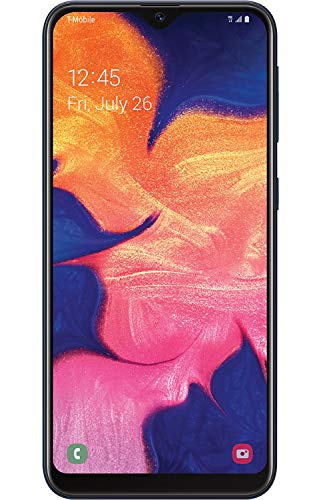

Our verdict on the most praised Android phones
The Android phones reviewers praised most consistently share a quality that no specification can capture: they kept their promises after the reviewers stopped being polite. Cameras that delivered daily, batteries that ended anxiety, software that stayed smooth and support that arrived on schedule built these reputations one ordinary day at a time. Google and Samsung dominate the consensus because they mastered those unglamorous virtues, while OnePlus, Nothing, Motorola and Asus earned their places by excelling at the particular things their buyers care about most. Any phone in this guide will make its owner feel well advised, because so many advisers independently agreed about it.
Choose among them by temperament rather than by trophy count, and you will understand the critics better than any score could teach you. Pick the Pixel for photographic judgement, the Ultra for completeness, the Zenfone for size, the Edge for lightness, and know that each choice carries a chorus of professional approval behind it. Long after the launch events are forgotten and the comparison videos have aged, the phones people still praise in passing are the ones that respected their owners every single day — and that quiet, durable respect is the only verdict that has ever really mattered.


