Our Top Picks



What's inside
- How 5G phone prices move across the year
- Know your baseline before you hunt
- Our picks at a glance
- Google Pixel a-series — the mid-range deal that keeps recurring
- Samsung Galaxy A-series — the promotion magnet
- Previous-generation flagships — the launch-cycle bargain
- Apple iPhone, standard model — the longevity deal
- Motorola Moto G 5G line — the respectable budget deal
- Certified refurbished flagships — the careful buyer’s shortcut
- Trade-ins: turning your old phone into honest money
- Carrier bundles versus unlocked freedom
- Season by season: a hunter’s calendar in words
- Where to buy, and where not to
- Protecting the deal after you have won it
- Questions deal hunters ask us most
- Worked examples: reading three common offers like a professional
- Negotiation, price matching and other quiet arts
- A short pre-purchase ritual worth keeping
- Check prices on Amazon
- What a good deal feels like a year later
As an Amazon Associate I earn from qualifying purchases. This post may contain affiliate links at no extra cost to you.
Funding, in one line: affiliate links appear here, and buying through one may earn us a payment from the seller while your price stays the same. That income supports our independent guides, and it does not buy any brand a better mention, a softer warning or a place in this round-up.
The best deal on a 5G cell phone is rarely a single magical listing. It is usually a timing decision, a channel decision and a conditions decision landing together: the right phone, bought in the right week of its life, from a seller whose terms you understand, without a trade-in fiction or a plan obligation quietly inflating the true total. Shoppers who chase only the lowest headline figure often discover that the figure belonged to a different storage size, a locked variant, a refurbished unit described in hopeful language, or a monthly slice of a much larger commitment. Shoppers who learn how phone pricing breathes across the year tend to pay less for better phones, and they do it without refreshing sale pages at midnight or gambling on sellers they would not trust with a toaster.
This guide is a year-round playbook rather than a list of expiring offers. It maps the seasons when 5G phones genuinely soften in price, explains how launch cycles push last year’s excellent handsets into bargain territory, and gives refurbished phones, trade-ins, carrier bundles and unlocked purchases the separate, honest treatment each deserves. Printed prices are deliberately absent, because a number published in a guide would be stale within weeks and meaningless across markets, storage tiers and plan conditions. Instead, every phone here is placed by segment and by buyer, so any live offer you meet can be measured against stable expectations. If you want the category overview before the deal hunting begins, start here: best 5g cell phones.
One principle runs through everything that follows. A deal is a reduction in the total cost of a phone you would happily have bought anyway, over the whole period you will own it, including the case, the charger if one is not in the box, any care cover you genuinely need, the plan you will actually pay for and the value of the old phone you give up. Anything that lowers one visible number by raising another invisible one is not a deal; it is a rearrangement. Learning to see rearrangements at a glance is worth more than any single seasonal event, because retailers rearrange all year long.
How 5G phone prices move across the year
Phone pricing follows the launch calendar the way farming follows weather. A new flagship arrives at its highest figure, supported by launch promotions that usually reward early buyers with bundles, storage upgrades or trade-in boosts rather than with a lower headline price. Over the following months the street price softens in small steps as retailers compete, then drops more noticeably when the successor is announced, when a major sale season arrives, or when a maker needs to defend attention against a rival’s launch. The previous generation rarely becomes a worse phone on the day its successor appears, yet its price behaves as if it did. Patient buyers live off that gap between perception and reality.
Sale seasons layer on top of that cycle, and each has its own character. The late-November events are the loudest and often the broadest, pushing current mid-range phones and previous flagships hardest. Mid-year sales tend to favour older stock and bundled accessories. Back-to-school periods reward mid-range and budget phones aimed at students and families. The quiet weeks after a new launch are an underrated hunting ground, because retailers clear the outgoing model with genuine intent while public attention is fixed on the newcomer. And the dead weeks of the year, when no banner is flying at all, can produce the calmest negotiations and the most honest everyday figures, especially on models a few months past their launch excitement.
Mid-range phones move differently from flagships. Their margins are thinner, so their reductions look smaller in currency while often being just as meaningful in proportion, and their best offers frequently arrive as bundles: a case, earbuds, a charger or store credit added to a steady price. Budget 5G phones move least of all in headline terms, which is why the channel matters so much at that level; the same budget handset can represent fair value at a reputable retailer with a real warranty, or poor value from a marketplace seller once delivery, returns and grey-import risks are priced honestly. At every level, the question is never simply how much came off. It is how much phone, support and certainty you received for the total you paid.
Know your baseline before you hunt
Every successful deal hunter keeps a baseline, and building one takes less effort than shoppers fear. Pick the two or three phones that genuinely fit your needs, in the exact storage sizes you would buy, and note their ordinary selling figures at a few reputable retailers on an unremarkable week. Note also what is included: charger or not, case offers, warranty length, return window. That small record becomes your lie detector for the rest of the year. When a sale claims a dramatic saving, compare it with your baseline rather than with the launch figure the banner prefers. When a marketplace listing looks impossibly keen, compare its total, delivered and warranted, with the same baseline. Most illusions dissolve at this single step.
Baselines also protect you from the variant shuffle, the quietest trick in phone retail. A deal page may advertise a family name while the keen figure belongs to the smallest storage, the previous year’s chipset, a carrier-locked unit or a regional variant with different band support. None of that is visible in the headline, and all of it is visible in the specification block if you read it with your baseline beside you. Train yourself to check five fields on every listing before you look at the price at all: exact model, year or generation, storage, locked or unlocked status, and new, refurbished or open-box condition. A listing that makes any of those hard to find is telling you something about the seller.
Total cost of ownership, the grown-up number
Beyond the handset figure sits the ownership total, and deal quality lives there. Add the case and screen protection you will actually use. Add a charger if the box omits one and your drawer holds nothing suitable. Add the plan difference if an offer requires a particular service tier, across the whole minimum term rather than the first month. Subtract nothing for a trade-in until you have honestly valued that old phone as a backup, a hand-me-down or a private sale. Then, and only then, compare totals between offers. Two deals that looked far apart as headlines often finish within a whisker of each other as totals, at which point the better retailer, the longer warranty and the kinder return terms should decide, because those are the differences you will actually feel.
Our picks at a glance
Six phone families anchor this guide, chosen because each one regularly becomes a genuine bargain through a different mechanism. The Google Pixel a-series earns its place through mid-range excellence that sale seasons push into budget conversations. The Samsung Galaxy A-series earns its through sheer ubiquity in promotions and a long support promise. The previous-generation flagship, from Samsung, Google or Apple depending on your ecosystem, earns its through launch-cycle clearance. The Apple iPhone standard model earns its through retailer competition and remarkable longevity. The Motorola Moto G 5G line earns its by making the budget segment respectable. And certified refurbished flagships earn theirs by letting a careful buyer own yesterday’s best hardware for mid-range commitment. Each pick below names its buyer, its best buying season and its characteristic trap.
Google Pixel a-series — the mid-range deal that keeps recurring
Segment: mid-range. Best for: camera lovers and clean-software fans who want flagship flavour without flagship commitment.
The Pixel a-series has become the connoisseur’s shortcut in phone buying, because Google builds it by keeping what people notice in its flagships — the camera processing, the uncluttered software, the smart call features, the long update commitment — and trimming what they notice less, such as premium materials, the fastest charging and dedicated zoom hardware. The result is a phone that photographs far above its segment and feels calm and current for years. In deal terms, its importance is that sale seasons treat it generously. It is a favourite of retailer promotions, bundle offers and store-credit events, so a patient buyer rarely needs to pay its ordinary figure at all.
Timing a Pixel a-series purchase is a small art. The line refreshes on its own rhythm, and the weeks around a new a-series announcement often soften the outgoing model, which remains an excellent camera phone with most of its support life ahead of it. Major sale events then work on whichever model is current. The trap to avoid is paying a near-flagship total for an a-series bundle padded with accessories you do not want; the phone’s whole charm is proportion, and a bundle that destroys the proportion destroys the deal. Value extras only at what you would genuinely pay for them separately, and let a clean handset reduction beat a theatrical bundle every time.
Ownership notes are reassuring. Update support stretches well beyond segment norms, which protects the phone’s resale and hand-me-down value and keeps banking and identity applications happy for years. Battery life in recent models suits a full normal day, charging is unhurried rather than fast, and the cameras reward exactly the photography most people do: family, food, travel, pets and dim restaurants. For readers comparing sensible Android value across brands, our wider affordable round-up adds context: best 5g affordable phones. Buy the a-series in a sale, from a retailer with easy returns, and you have executed the most repeatable good deal in this entire guide.
Samsung Galaxy A-series — the promotion magnet
Segment: mid-range to budget, depending on model. Best for: buyers who want a familiar brand, a bright screen, long support and a phone that is always on offer somewhere.
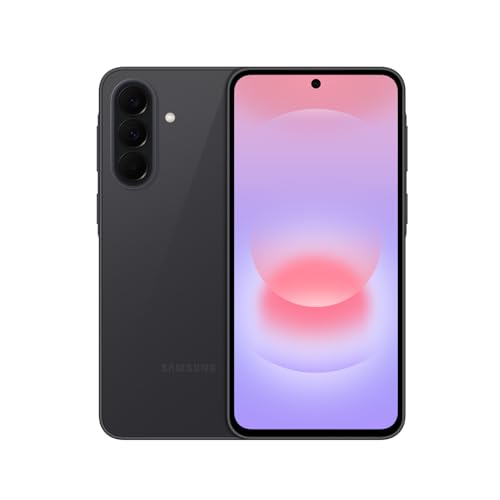
If the Pixel a-series is the connoisseur’s deal, the Galaxy A-series is the people’s deal, because Samsung’s mid-range line is woven into every catalogue, carrier promotion and warehouse event in the calendar. That ubiquity is itself a form of value: at almost any moment of the year, some reputable channel is competing on an A-series model, which means a buyer with a baseline and a little patience can almost always find a fair figure without waiting for a single annual event. The higher A models bring bright, smooth displays, water resistance and a design language borrowed from the flagships, while the lower A models concentrate on the essentials: a big screen, a dependable battery, proper 5G and software support that embarrasses many pricier rivals.
The deal discipline for this line is variant discipline. The A family spans a wide range, and sale pages love to headline the family while pricing the smallest member. Read the exact model number, because the difference between neighbouring A models can include the display quality, the camera system, water resistance and the length of the update promise. Also check storage with unusual care, since some A models offer expandable storage that changes the value calculation entirely: a smaller internal tier plus a memory card you already own can be the smartest configuration in the whole segment. Where expansion is absent, buy storage for year two, as with any phone in this guide.
Long support is the quiet reason A-series deals age well. A mid-range phone bought keenly and then kept securely updated for years delivers a cost per year that flagship buyers should envy. That maths only works if you actually keep the phone, so choose the model whose screen, size and camera you enjoy rather than the model with the loudest banner. A phone you like is a phone you keep, and keeping is where the saving compounds. Samsung’s own sale rhythm rewards flexibility on colour, so if you are indifferent between finishes, let the less popular colour carry the better offer; a case will cover your flexibility anyway.
Previous-generation flagships — the launch-cycle bargain
Segment: premium hardware at upper mid-range commitment. Best for: buyers who want flagship build, cameras and screens, and are happy to own last year’s best rather than this year’s newest.
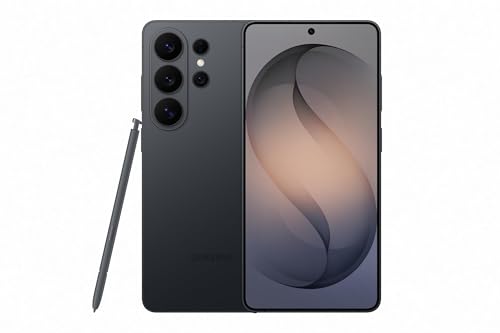
Every flagship launch creates two markets: the excited market for the new model, and the rational market for the outgoing one. The outgoing flagship does not lose its camera, its display, its water resistance or its performance on launch day. It loses only its novelty, and novelty is the one feature a deal hunter should never pay for. In the weeks around a successor’s arrival, and again in the big sale seasons, previous flagships from Samsung’s Galaxy S line, Google’s Pixel Pro line and Apple’s Pro line are cleared with genuine intent, and a buyer who checks the remaining support window can own a superb phone for the commitment of a mid-range one.
The checks are specific. First, support: count the maker’s promised update years from that model’s original launch, not from your purchase date, and make sure the remainder fits your keeping period with room to spare. Second, battery: prefer new and sealed stock from reputable retailers over display units or returns, because a flagship that has lived on a shop shelf at full brightness has spent part of its battery life entertaining strangers. Third, storage and variant: clearance often concentrates in particular colours and capacities, which is fine if they suit you and a false economy if they do not. Fourth, accessories: cases and parts for a discontinued flagship get scarcer over time, so buy the case you want at the same time as the phone.
Done well, this is the connoisseur’s flagship route, and it pairs naturally with buying unlocked and choosing a flexible service plan separately, so the handset saving is not handed back through an expensive contract. Done carelessly, it is how people end up with a nearly unsupported phone in an unpopular colour with a tired battery, wondering why the bargain feels flat. The difference is entirely in those four checks. Readers set on this route should also scan the unlocked market broadly, since outright retailers often clear outgoing flagships more honestly than carrier channels: best affordable android phones unlocked.
Apple iPhone, standard model — the longevity deal
Segment: premium. Best for: buyers in Apple’s ecosystem who measure value in years of smooth, supported service.
Apple deals require a different lens, because iPhones rarely see dramatic headline reductions through official channels, and yet they can be outstanding value in the only currency that finally matters, which is cost per year of excellent service. The standard iPhone model brings the current chipset generation or one very close to it, a strong dual camera, full mainstream 5G support and a support horizon measured in many years, wrapped in a body that is easier to handle than the largest Pro models. Retailer competition, carrier promotions, education channels where you qualify, and the arrival of a new generation each soften the real-world figure in their own way, and the phone’s strong resale and hand-me-down value quietly returns money at the end of ownership that Android rivals rarely match.
The deal traps with iPhone are storage and timing. Storage tiers are where Apple’s pricing has its sharpest edges, and a keen figure on the base tier is no bargain if your photo library will outgrow it in eighteen months, because there is no expansion path and cloud storage is a continuing subscription rather than a one-time fix. Choose storage from your current usage with honest headroom. Timing matters around the annual refresh: buying just before a new generation at an ordinary figure is the one reliably poor iPhone move, while buying just after, when the previous model is repriced and retailers compete, is one of the most reliable good ones. If your current phone can survive a few more weeks, the calendar is your discount.
Carrier iPhone offers deserve the full-total treatment from earlier in this guide, with special attention to bill-credit structures that pay the handset saving back in monthly slices across a long term. Those credits can be genuine value for a customer who would keep that plan anyway, and a gilded cage for a customer who values the freedom to move. Read the early-exit consequences before you sign, keep your proof of trade-in condition if a trade is involved, and remember that an unlocked iPhone bought outright keeps every future plan negotiation in your hands. Longevity only pays if the ownership structure lets you stay flexible while the phone ages gracefully.
Motorola Moto G 5G line — the respectable budget deal
Segment: budget. Best for: buyers who need honest 5G, a big screen and a dependable battery for the smallest sensible commitment.
Budget 5G is where deal hunting matters most and helps least if done badly, because the segment’s keenest listings are exactly where grey imports, band-compromised variants and warranty-free sellers gather. The Moto G 5G line is our budget anchor because Motorola sells it officially and widely, with mainstream band support, clean software close to stock Android, large displays and batteries sized for people whose day does not include a desk charger. It is not a glamorous phone, and that is its virtue: the money goes to the screen, the battery and the network behaviour rather than to marketing, and sale seasons push it into territory where a second phone, a teenager’s first phone or a careful primary phone becomes almost trivially affordable.
At this level, buy the seller as much as the phone. A reputable retailer with a local warranty and a real returns process is part of the product, and a small saving from an unknown marketplace seller is usually payment for risks you do not want: the wrong regional variant, no local repair path, a charger that does not suit your sockets, or a return address in another legal system. Check the exact variant and its band support for your market, confirm whether a charger is included, and prefer the configuration with more storage if the step is small, because budget phones are often kept longest by the people least able to replace them early.
Set expectations with kindness and the Moto G rewards it. Cameras are daylight tools rather than low-light instruments, performance is tuned for communication and media rather than heavy gaming, and update promises are shorter than Samsung’s or Google’s, though reasonable for the segment. For calls, messages, maps, banking, streaming and social life, it is entirely sufficient, and sufficiency at a keen figure is the definition of a good budget deal. Families buying several handsets should look for multi-buy or bundle structures from reputable retailers during school-season sales, where this line quietly does some of the best work in the whole market.
Certified refurbished flagships — the careful buyer’s shortcut
Segment: varies, typically mid-range commitment for flagship hardware. Best for: confident buyers who value build, cameras and screens, and who will read grading and warranty terms closely.
Refurbished is the word that separates deal hunters into the delighted and the disappointed, and the difference is almost always the word certified. A certified refurbished flagship, sold by the manufacturer or an authorised refurbisher, has been inspected, tested, repaired with proper parts where needed, fitted with a battery that meets a stated health standard, cleaned, data-wiped and backed by a real warranty. A merely used phone sold with refurbished language may have had some, none or all of that care. The category can deliver the single best hardware-per-commitment ratio in this guide, a genuine flagship experience for mid-range money, but only when the certification, grading and warranty are specific enough to be enforced.
Read a refurbished listing the way a surveyor reads a house report. What does the grade actually promise about the screen, the frame and the presence of scratches, in words rather than adjectives? What battery health standard is guaranteed, and what happens if your unit arrives below it? Who performed the refurbishment, whose parts were used, and who honours the warranty, for how long, through what process? Is the phone unlocked for all networks, is it the correct regional variant with the bands your carrier uses, and are water-resistance claims being made that no refurbisher can honestly renew after opening a device? A seller who answers those questions precisely is selling a product. A seller who answers them warmly and vaguely is selling a hope, and hope is overpriced at any figure.
Refurbished timing has its own seasons. Supply swells after major launches, when trade-ins flood in, and after the holiday period, when returns and upgrades refresh the shelves. That is when choice of model, colour and grade is widest and when a patient buyer can be fussy rather than grateful. Buy for your keeping period: a refurbished flagship with several support years remaining and a healthy battery can serve beautifully for a long stretch, while the same model bought near the end of its update life is a short-term device and should be priced in your head as one. Keep the warranty paperwork, test everything inside the return window, including cameras, speakers, charging, face or fingerprint unlocking and a day of real battery use, and the refurbished route becomes what it should be: the environmentally kind and financially shrewd way to own excellent hardware.
Trade-ins: turning your old phone into honest money
A trade-in is a sale disguised as a discount, and treating it that way improves every decision around it. Your old phone has a value as a traded unit, as a private sale, as a backup, as a hand-me-down and as a drawer spare for emergencies, and those values are rarely equal. Retailers and carriers compete on trade-in during launch windows, sometimes boosting values for particular models to pull switchers across, and those boosted windows are among the few times a carrier construction genuinely beats an unlocked purchase for the right customer. Outside launch windows, trade-in values settle toward wholesale reality, and a clean private sale of a desirable model often returns more, at the cost of your time and the small risks of selling to strangers.
Condition honesty is where trade-ins succeed or curdle. Programmes grade on screens, backs, cameras, battery health, water indicators and whether the phone has been repaired with non-original parts, and they re-grade on inspection after you have committed. Photograph your phone thoroughly before sending it, record its identifiers, factory-reset it properly only after your new phone is fully working, and keep the tracking proof until the credit lands in full. If a programme’s headline value assumes a flawless example of the most desirable variant, assume your real credit will be lower and judge the deal on the lower figure. A deal that only works at the maximum trade value is not a deal; it is a lottery ticket with a contract attached.
There is also a timing gift hidden in trade-ins: your old phone is worth most while it is still a current-feeling device with support remaining, which means the cheapest time to upgrade is often a year earlier than the most satisfying time. Owners who upgrade on a deliberate rhythm, selling or trading while value remains, can ride the mid-range and even flagship tiers for a surprisingly modest yearly total. Owners who run a phone into the ground pay less often but pay in a lump and recover nothing. Neither rhythm is morally superior, but knowing which one you are on stops you comparing your lump-sum purchase against someone else’s rhythm and feeling cheated by arithmetic that was never yours.
Carrier bundles versus unlocked freedom
The carrier bundle is the heavyweight of phone deals, and it deserves respect rather than reflexive suspicion. A carrier can genuinely subsidise a handset to win or keep a subscriber, and for a household that would pay for that network and that plan tier anyway, a well-structured bundle with bill credits or a boosted trade-in can be the cheapest honest route to a fine phone. The bundle becomes poor value only when it drags you onto a plan you did not need, a tier you will not use, or a term that outlives your satisfaction, because then the handset saving is financed by service overspend, month after month, in the least visible way possible.
Do the carrier maths on one page. Write the plan cost across the full term at the tier the offer requires. Write every handset payment, upfront amount and credit, with the dates credits start and the conditions that stop them. Write what happens if you leave, change tier, or break the phone in month three. Then write the unlocked comparison beside it: the best honest outright figure from a reputable retailer, plus the flexible plan you would actually choose, across the same period. Households are often surprised in both directions by this exercise. Sometimes the carrier wins clearly. Sometimes the unlocked route wins by a distance that makes the advertisement look like theatre. Either way, you will know, and knowing is the entire skill this guide is trying to teach. For mid-range shoppers especially, pairing an unlocked handset with a competitive plan is a combination worth pricing carefully: best mid range 5g phones.
Unlocked freedom has a second, quieter dividend: negotiation power forever. An unlocked phone can move to a better plan the month one appears, can carry a local service while travelling, can be handed to a family member on another network, and can be sold without unlocking paperwork. That flexibility has real monetary value even though no listing prints it. When a carrier offer and an unlocked offer finish close on totals, flexibility should break the tie. When a carrier offer wins by a wide and verified margin, take it with your eyes open and a calendar note for the month the term ends, because the best deal on your next phone starts with being free to choose it.
Season by season: a hunter’s calendar in words
Think of the year as four hunting grounds rather than a list of dates, because exact sale timings shift while the underlying logic holds. In the launch season for a brand you favour, hunt the outgoing generation and the boosted trade-ins, and let the new model’s bundle extras tempt you only if you were an early buyer by temperament anyway. In the great late-year sale season, hunt current mid-range phones and previous flagships, where competition is fiercest and stock is deepest, and be ready with baselines because that season also produces the year’s most theatrical anchor pricing. In the mid-year sales, hunt bundles, warehouse lines and the colours nobody wanted, which are often the same phones in a less fashionable coat. In the quiet weeks between events, hunt patiently: check your shortlist at a few reputable retailers, watch for a model crossing into clearance as its successor approaches, and remember that a fair figure with kind terms beats a frantic figure with sharp ones.
Students, families and gift buyers each have a natural season too. School-term sales aim bundles of mid-range phones, cases and accessories at exactly those households, and a family replacing two or three handsets at once has more negotiating surface than any individual shopper: ask reputable retailers what they can do on the basket, the protection and the accessories together, politely and with a competitor’s honest total in hand. Gift buyers should weight return windows and gift receipts over the last sliver of saving, because a phone that can be exchanged for the right size, colour or ecosystem in January is worth more than a phone that cannot. A deal that ignores the recipient is a deal for the wrong person.
Where to buy, and where not to
Channel choice is deal quality in disguise. Manufacturer stores bring certainty about variant, warranty and support, plus their own seasonal structures such as boosted trade-ins and education pricing where you qualify. Large reputable retailers bring competition, price-matching habits in some markets, easy returns and the ability to hold the phone before you commit. Carriers bring bundles and credits for those who do the maths. Authorised refurbishers bring the certified second-life market described above. Each channel is legitimate, and the best figure for your phone in your week may sit in any of them, which is why the baseline habit compares across channels rather than marrying one.
The channels to treat with caution share a smell: prices far below every reputable baseline, vague variant descriptions, pressure to pay through unusual methods, warranties described in adjectives rather than documents, and return addresses that dissolve under scrutiny. Marketplace bargains are not automatically scams, and experienced buyers do find genuine private and small-seller value there, but the protection burden shifts entirely onto you: verify the variant and its bands, meet or pay through protected routes, check the device’s status, and walk away from any seller who resists reasonable questions. On a device that will hold your banking, your identity documents and your family photographs, certainty is not a luxury feature. It is the feature.
Protecting the deal after you have won it
A surprising number of good deals are lost after checkout, in the small print of delivery, activation and the first fortnight. Save the full order confirmation and the offer terms as they stood when you bought, including any credit schedule or trade-in conditions, because sale pages are rewritten and memories are negotiable in a way documents are not. When the phone arrives, verify the model, storage and condition before you migrate your life onto it, then test it properly inside the return window: calls on your network, both cameras, speakers and microphones, charging from empty, a full day of battery at your real pace, and any accessory the bundle promised. If a credit, gift or bundle extra was part of the deal, calendar its arrival date and chase it if it slips. Retailers process thousands of promotions; the customers who keep documents are the customers whose promotions get honoured in full.
Then stop hunting. The final discipline of deal craft is contentment: a phone bought well, at a fair total, from a seller you trust, does not become a worse purchase because a different model softened a month later. Prices always move again. Your baseline, your timing and your maths were sound, and the phone in your hand is busy returning its value every day in photographs, directions, messages and small rescues. Owners who keep shopping after buying end up owning two things, a phone and a grievance, and only one of them was in the basket.
Questions deal hunters ask us most
When is the single best time of year to buy a 5G phone?
There is no single week that wins for every phone, but two windows reliably reward preparation: the arrival of a successor, when the outgoing model is cleared, and the great late-year sale season, when competition peaks across mid-range and previous flagship stock. Both windows reward buyers who already know their shortlist and their baselines. If your phone has failed today, the best time is the first fair total from a reputable seller this week, because months without a working phone cost more than any seasonal saving returns.
Is refurbished really safe for a main phone?
Certified refurbished from a manufacturer or authorised refurbisher, with a stated battery standard and a real warranty, is a rational main-phone choice for many owners, and the savings can move you up an entire class of hardware. Uncertified used stock sold in refurbished language is a different proposition and should be priced as a gamble, with the return window doing heavy work. The dividing line is documentation: grades, battery standards and warranty terms written precisely enough to enforce.
Should I trade in, sell privately or keep my old phone?
Compare the three values honestly. A boosted launch-window trade-in can beat everything for convenience and value combined. A private sale of a clean, desirable model usually returns the most currency and costs the most effort. Keeping the phone as a backup or hand-me-down returns value in kind that families often underestimate until a screen breaks on holiday. Choose by your circumstances rather than by the headline, and never let a maximum possible trade figure be the load-bearing wall of a deal.
Are carrier deals ever genuinely the best option?
Yes, when you would keep that network and plan tier regardless, when the credits and conditions survive your full-term maths, and when the early-exit terms are acceptable to you in writing. They are poor value when the plan overspend quietly exceeds the handset saving, which is common enough that the one-page comparison in this guide should be a reflex. The carrier is not the villain of phone buying; unexamined totals are.
How much storage should a deal hunter insist on?
Enough for your second year, not your first week. Photographs, video, messaging media and offline downloads grow in one direction, and phones in most of this guide cannot be expanded later, so a keen figure on a cramped tier is often the most expensive choice on the page. Where a model offers expandable storage, that flexibility is a genuine feature worth money. Where it does not, buy the tier your current usage, honestly projected, actually needs.
Does paying more for a flagship ever count as a deal?
It can, when the total cost per year tells the story. A flagship bought at clearance, kept for many supported years and resold or handed down with value remaining can undercut a sequence of cheap phones bought often and discarded worthless. Deals are about totals over time, not about segments, and the cheapest phone to own is frequently not the cheapest phone to buy. Run your own keeping period through the maths before letting anyone, including this guide, tell you which tier is the bargain.
Worked examples: reading three common offers like a professional
Abstract rules become useful when they meet real-shaped offers, so consider three situations that repeat in every market and every season. The first is the flagship from last year, sitting in a reputable retailer’s clearance section while its successor glows in the window. The advertisement emphasises how far it has fallen from its launch figure, which is the least useful number in the building. Your baseline tells you what it sold for last month, your support check tells you how many update years remain, and your storage check tells you whether the cleared variant is the one you would have chosen freely. If those three answers are good, the clearance is probably genuine, because the retailer’s motive, freeing shelf and capital for the new model, aligns with yours. Alignment of motives is the soul of a real deal, and clearance is where it happens most honestly.
The second situation is the mid-range phone wrapped in a generous-looking bundle during a sale weekend. The handset figure has barely moved, but earbuds, a case, a charger and store credit crowd the banner. Work through the bundle item by item and price only what you would have bought anyway, at the figure you would actually have paid. A case you need counts. A charger that matches the phone’s fastest standard counts. Earbuds you would never have purchased count at what you could sell them for unopened, if you can be bothered, and at nothing if you cannot. Store credit counts only if the retailer sells things you genuinely buy and the credit survives long enough to use. Bundles that survive this audit are rarer than bundles that fail it, and the audit takes four minutes, which is why retailers hope you will admire the pile instead of pricing it.
The third situation is the carrier offer whose monthly handset figure looks almost impossibly gentle. Nothing about it is necessarily wrong, but everything about it is spread across time, so rebuild it as a single total before you feel anything about it. Multiply the plan at the required tier by the full term. Add the handset payments and any upfront amount. Subtract the credits only as they would actually arrive, and ask what portion of them you would forfeit by leaving at the halfway point, because life changes and a deal should survive your life changing. Then set beside it the unlocked total for the same phone and the plan you would choose freely. In our experience of reading such offers, the carrier sometimes wins by a margin worth taking, and sometimes the gentle monthly figure conceals the most expensive phone in this entire guide. The arithmetic, not the advertisement, decides which situation you are in.
Negotiation, price matching and other quiet arts
Not every deal is published. Reputable retailers in many markets operate price-matching arrangements, loyalty programmes, open-box shelves and quiet clearance corners that never reach a banner, and a polite shopper with a baseline can access value that a passive shopper never sees. The method is simple and entirely honourable. Bring a competitor’s genuine, current, like-for-like total, on the identical variant, from a seller the retailer recognises as legitimate, and ask whether they can match it or improve the basket with protection or accessories instead. Ask once, accept the answer gracefully, and remember that a retailer who says no has still given you information. The worst outcome of polite negotiation is the price you already had.
Open-box stock deserves a special mention alongside refurbished phones, because it occupies a middle ground that suits careful buyers. An open-box unit is typically a return, inspected and resold with its condition described, often with most of the original warranty story intact, and it can represent a meaningful saving on a current model for the price of someone else’s brief indecision. The checks mirror the refurbished checks: condition in words, battery and accessory completeness, return rights in writing, and a thorough test inside the window. Where a retailer grades and stands behind open-box stock properly, it is one of the least theatrical and most reliable bargains in phone retail, precisely because no banner ever shouts about it.
Loyalty points, cashback arrangements and card rewards belong in the totals too, valued conservatively. Points you will genuinely use are worth something close to their travel or statement value. Points in a programme you ignore are worth nothing, and should be counted as nothing, however large the number in the advertisement looks. Cashback that requires claims, deadlines and documentation should be counted only if you are the sort of person who actually files such claims, and this guide suggests becoming that sort of person for exactly as long as it takes to file this one. Small disciplines compound. The shoppers who stack a fair handset figure, a matched price, a needed accessory and a claimed cashback are not lucky. They are simply awake at the moments everyone else is admiring banners.
A short pre-purchase ritual worth keeping
Finish every hunt with the same five-minute ritual, whatever the season. Read the listing once more for the five fields that matter: exact model, generation, storage, locked or unlocked status, and condition. Rebuild the total one final time, including accessories you need and the plan consequences you accepted. Confirm the warranty route and the return window in writing, and save both. Confirm that this is still the phone you shortlisted when you were calm, rather than a substitute the sale introduced while you were tired. And sleep on any purchase whose total would strain the month, because genuine deals recur, stock replenishes, and a phone bought rested is almost always a better phone than the identical phone bought frantic. The market’s urgency is manufactured. Yours does not have to be.
Check prices on Amazon
Live listings for the shortlist in this guide are pulled from Amazon below, so prices and availability are always current at the moment you look.



What a good deal feels like a year later
The truest test of a phone deal is not the screenshot you take on purchase day. It is the feeling a year later, when the banners have moved on to newer models and your phone is simply part of your life. A good deal feels invisible by then. The phone still receives its updates, the battery still meets your day, the storage still holds your photographs without a weekly eviction, and the plan you chose still fits the household budget without resentment. You do not think about what you paid, because what you paid stopped being interesting months ago, replaced by the quieter satisfaction of a tool that works. That invisibility is what all the baselines, totals and rituals in this guide are actually buying, and it is worth more than the brief theatre of an unusually low figure on a single afternoon.
A poor deal, by contrast, stays noisy. It is the cramped storage warning during a family holiday, the credit that stopped when a plan changed, the imported variant whose repair becomes an international correspondence, the refurbished unit whose vague grade turned out to mean exactly what you feared. Notice that none of those noises is the purchase price. Every one of them is a condition, a variant, a term or a seller that a calmer hour of checking would have caught. That is why this guide spends so little time on finding offers and so much time on reading them. Offers are abundant and will always be abundant. Attention is the scarce resource in phone buying, and the reader who spends attention before money almost always spends less money in the end, while owning the better phone for longer.
So build the habit once and keep it for every handset your household buys from now on. Shortlist while calm, baseline while patient, total while honest, and buy while the terms are written down where you can see them. Teach the ritual to the teenager buying a first phone and the parent replacing a cracked one, because it scales from a budget handset to a flagship without changing its shape. Markets will invent new banners, new seasons and new names for old rearrangements, and none of that matters very much to a shopper whose method does not depend on the market behaving kindly. Method is the deal that never expires.
Keep that method close, and share it generously with anyone in your household who is about to buy.
Carry one thought into every sale season, launch week and quiet Tuesday of the phone-buying year: the market will always offer you a louder number tomorrow, but a phone chosen for your life, bought at a total you verified and kept with satisfaction for years, is the only deal that ever actually pays out.
FAQ
When is the single best time of year to buy a 5G phone?
Is refurbished really safe for a main phone?
Should I trade in, sell privately or keep my old phone?
Are carrier deals ever genuinely the best option?
How much storage should a deal hunter insist on?
Does paying more for a flagship ever count as a deal?
Related guides
- Best 3D Art Tablets
- Best Balancing Stabilizers for Mirrorless Cameras: Payload, Balancing and Native Vertical Shooting
- Best Canon Point and Shoot Digital Cameras: PowerShot Picks From Pocket Compacts to Travel Zooms
- Best Basic Phones Camera Buyers Can Trust: Flip Phones and Simple Handsets That Still Take a Photograph


