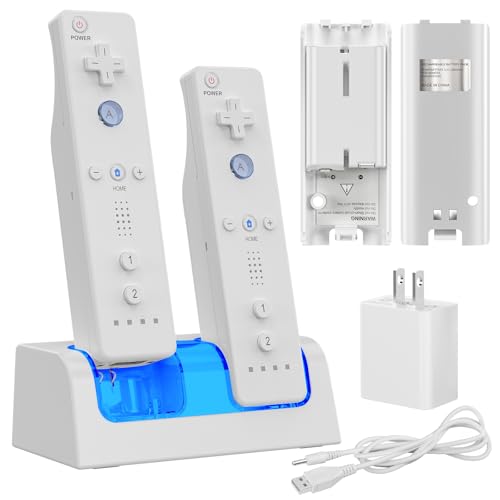
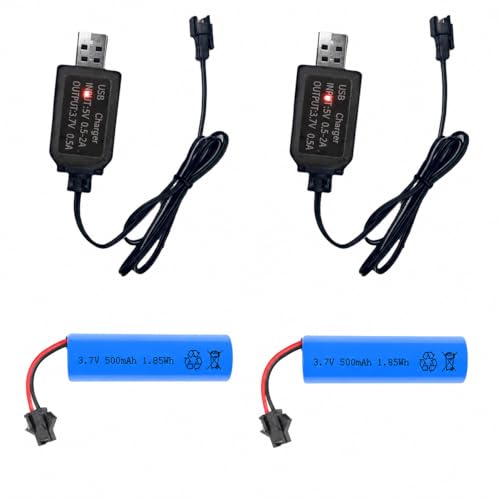
Our Top Picks
 JiajaX Ni-MH AA 600mAh 1.2V Rechargeable Solar Batteries40.55 x 0.55 x 1.97 inches0.1 poundsCheck on Amazon
 Energizer Power Plus Rechargeable AA Batteries4 Count (Pack of 1)4.5 x 3.8 x 0.6 inches0.3 poundsCheck on Amazon


What's inside
- What Ni-MH chemistry actually is, in plain terms
- Low self-discharge changed the whole ownership experience
- Real AA capacity: reading the 1,900 to 2,500 milliamp-hour window honestly
- The discharge curve: why 1.2 volts is not a weakness
- Cycle life: what the counts mean and what quietly shortens them
- Choosing a charger: the other half of the system
- The memory effect: a real phenomenon wearing an exaggerated reputation
- Cold weather: honest expectations and working tactics
- Camera flashes: where Ni-MH quietly humiliates disposables
- Toys, torches and household workhorses
- Game controllers and other bursty, idle-heavy loads
- Standard versus high-capacity cells: choosing your compromise
- Storage, safety and end-of-life handling
- How capacity is measured, and why your mileage will vary
- Series strings, uneven cells and the weakest-link rule
- Charging in depth: termination, trickle and heat
- Matching cells to devices: a practical field guide
- Environmental and household economics, without the sermon
- Common problems and what they usually mean
- A short history that explains today’s shelf
- Buying checklist: the decisions that actually matter
- Questions owners ask most, answered directly
- Bringing the whole picture together
- Check prices on Amazon
- Travelling with Ni-MH and keeping kits organised on the move
As an Amazon Associate I earn from qualifying purchases. This post may contain affiliate links at no extra cost to you.
How the money works on this page: some outbound links on this guide are referral links, and if you buy through one of them the publisher may receive a commission from the retailer at no extra cost to you. That income helps fund guides built from manufacturer documentation, technical references and published owner feedback, and it does not change which chemistries, capacities or charger features get recommended or criticised here.
What Ni-MH chemistry actually is, in plain terms
Nickel-metal hydride, usually shortened to Ni-MH, stores energy through a reversible reaction between a nickel oxyhydroxide positive electrode and a hydrogen-absorbing alloy negative electrode, with an alkaline electrolyte carrying ions between them. The hydrogen is not stored as free gas inside the can. It sits bound inside the alloy lattice, which is why a healthy cell stays sealed during normal charge and discharge and why the format could replace older nickel-cadmium cells in the same AA and AAA shapes without redesigning most devices.
That shared shape hides an important electrical difference. A Ni-MH AA carries a nominal voltage of 1.2 volts, lower on paper than a fresh disposable alkaline cell, yet its voltage holds steadier under load because internal resistance is lower. Many devices that appear picky about voltage actually care more about how far voltage sags when a motor starts, a flash capacitor draws current, or a radio transmitter pulses. Judged by behaviour under load rather than by a number printed on a wrapper, Ni-MH often looks stronger than the nominal figure suggests.
The chemistry also tolerates the messy reality of household use. Cells get mixed into drawers, left inside remotes for months, charged at different times and reunited later in a four-cell toy. Ni-MH is not indestructible, and abuse shortens its life, but it lacks the strict protection requirements of bare lithium cells in loose cylindrical form. For general-purpose AA and AAA duties, that forgiving character, combined with wide charger availability, explains why the chemistry remains relevant decades after its introduction.
Low self-discharge changed the whole ownership experience
Early consumer Ni-MH cells had a frustrating habit: charge them, leave them in a cupboard, and a large share of the energy quietly vanished within weeks. The culprit was self-discharge, a slow internal loss driven by reactions at the electrodes and by impurities moving through the electrolyte. For emergency torches, spare camera cells and rarely used remotes, that loss made rechargeables feel unreliable even when their capacity on the day of charging looked impressive.
Low self-discharge designs, often abbreviated to LSD, reworked the separator, the alloy and the electrolyte to slow those parasitic reactions dramatically. A modern low self-discharge AA typically arrives pre-charged from the factory and still holds a useful share of that charge many months later. Manufacturer retention figures vary by brand and storage temperature, but the practical shift is easy to describe: the cell behaves more like something you can store ready, and less like something you must charge the night before every use.
Heat is the quiet enemy of that retention. A low self-discharge cell stored in a cool drawer keeps its charge far longer than an identical cell sitting in a sunlit car or beside a boiler. If you maintain a household emergency kit, rotate the cells on a calendar rather than waiting for a blackout to reveal their state. A simple habit of topping up stored sets every six to twelve months preserves readiness without subjecting the cells to constant unnecessary cycling.
There is a trade-off buried in the design. Chasing the very lowest self-discharge usually means accepting slightly less maximum capacity than the highest-capacity standard cells in the same size. For a flash that gets recharged after every event, that exchange may not matter. For a wall clock, a TV remote or a spare set in a camera bag, retention usually wins, because a slightly smaller tank that is still full beats a larger tank that quietly emptied itself.
Real AA capacity: reading the 1,900 to 2,500 milliamp-hour window honestly
Capacity figures for AA Ni-MH cells cluster into recognisable bands, and understanding those bands prevents most buying mistakes. Mainstream low self-discharge AA cells commonly sit near 1,900 to 2,100 milliamp-hours. Higher-capacity variants push toward 2,400 to 2,500 milliamp-hours, sometimes a little beyond, by packing more active material into the same can. AAA cells follow the same logic at a smaller scale, most often landing somewhere around 750 to 950 milliamp-hours depending on the design priority.
Those numbers are measured under controlled discharge conditions, typically at a modest constant current down to a defined cut-off voltage. Your device may extract more or less usable energy depending on its own cut-off point and appetite for current. A clock that stops at a relatively high voltage leaves energy stranded in the cell. A well-designed torch that keeps working as voltage falls will harvest a larger fraction of the rated capacity before it finally dims.
Bigger is not automatically better, because the highest-capacity cells tend to pay for their extra material with thinner separators and tighter internal clearances. In practice that often means a shorter cycle life, slightly higher self-discharge and less tolerance of rough charging. If a set will be cycled weekly in a busy household toy, a mid-capacity low self-discharge cell frequently outlasts a flagship high-capacity cell by a wide margin in total energy delivered over its lifetime.
Weight offers a rough sanity check when listings look implausible. A genuine high-capacity AA Ni-MH cell weighs noticeably more than a low-capacity bargain cell because active material has mass. Listings promising capacities far beyond the established band for this chemistry, at suspiciously light weights, deserve scepticism. The physics of the nickel-metal hydride system sets a ceiling, and no wrapper printing can repeal it.
The discharge curve: why 1.2 volts is not a weakness
Voltage over time tells a more useful story than any single nominal figure. A Ni-MH cell starts a discharge a little above its nominal rating, settles quickly onto a long, fairly flat plateau around that rating, then falls more steeply near the end. Devices spend most of their running time on that plateau, receiving predictable power. That predictability is why battery meters calibrated carelessly can mislead: the gauge may sit near full for ages, then drop quickly once the knee of the curve arrives.
Disposable alkaline cells follow a different shape, starting higher and sloping downward continuously. Early in their life they can make a device feel lively, but under heavy current the slope steepens and voltage collapses sooner. This is why a camera flash recycles briskly on Ni-MH long after an alkaline set has begun to labour, even though the alkaline cells started with the higher headline voltage. Sustained delivery beats a brief early peak for most motorised and electronic loads.
Some older or very cheaply designed devices genuinely do misbehave on 1.2 volts, usually because their low-battery warning or cut-off was set assuming an alkaline slope. A weather station sensor that complains early, or a toy that slows sooner than expected, may be revealing its own calibration rather than a faulty cell. Testing that same cell in a torch or a charger with an analysing function often shows plenty of capacity remaining. Blame the pairing before blaming the chemistry.
Cycle life: what the counts mean and what quietly shortens them
Manufacturers quote cycle life as the number of charge and discharge rounds a cell can complete before its capacity falls to a stated fraction of the original, commonly around eighty percent. Low self-discharge AA cells are often rated for well over a thousand cycles under gentle laboratory conditions, while high-capacity variants may be rated for only a few hundred. Treat those figures as comparisons between designs, not as promises for your drawer, because real conditions differ from the lab in almost every detail.
Depth of discharge matters enormously. A cell used in a remote until it is completely flat, then recharged, endures more stress than a cell topped up after moderate use in a torch. Heat during charging matters just as much. A charger that keeps pushing current into an already full cell converts that energy into warmth, and repeated cooking accelerates the chemical ageing that raises internal resistance and erodes capacity.
Ageing shows itself in recognisable ways. The cell finishes charging suspiciously quickly, because there is less capacity left to fill. It runs a device for a shorter time, grows warmer during ordinary charging, or fails to hold voltage when a demanding load connects. An analysing charger that measures delivered capacity can confirm the decline with numbers, turning guesswork into a retirement decision. Cells that have fallen far behind their partners should leave matched sets, because one weak cell drags down every multi-cell device it joins.
Keeping sets together extends useful life more than any exotic charging ritual. Buy cells in matched groups, label them with a marker or a coloured band, charge them together and use them together. A set that shares the same history ages evenly, so no single member becomes the bottleneck that reverses polarity inside a device or triggers an early low-battery shutdown. This one organisational habit does more for real-world longevity than chasing fractional differences between reputable brands.
Choosing a charger: the other half of the system
A rechargeable battery is only ever half of a purchase. The charger decides how gently cells are treated, how reliably full charge is detected and how much information you get when a cell starts to fail. Cheap timer-based chargers simply run for a fixed period, blind to whether the inserted cell was empty or nearly full. That blindness overcharges topped-up cells and undercharges genuinely empty ones, and both errors accumulate quietly across months of use.
Better chargers watch each slot independently and end the charge for that cell when its voltage behaviour signals fullness, a method often described through delta voltage detection. Independent channels matter because household cells are rarely equally empty. A charger that treats a pair as a unit must keep charging both until the emptier one finishes, cooking the other in the process. Individual monitoring removes that compromise entirely.
Charge rate deserves the same attention as termination. A moderate rate, often expressed as a fraction of the cell capacity per hour, balances convenience against heat. Very fast charging suits a photographer between sessions but generates warmth that, repeated daily, trims cycle life. Very slow charging is gentle yet impractical for large households. Many owners settle on a charger offering selectable rates, using the brisk setting for urgent jobs and the calmer setting for routine overnight replenishment. Guidance on matching rates and slot layouts appears in our overview of best aa and aaa battery chargers, which pairs well with the chemistry background here.
Analysing functions separate a merely adequate charger from a genuinely useful one. A refresh or break-in mode cycles a cell and reports measured capacity, exposing weaklings before they sabotage a matched set. Discharge measurement also rescues cells that sat unused for a year, giving you a number rather than a hunch. For households running dozens of cells across toys, torches and audio gear, that diagnostic visibility quickly repays its modest extra cost.
Chargers for big households and shared kits
Families, scout groups, theatre crews and rental kits burn through AA cells at a pace that makes four-slot chargers a bottleneck. Multi-bay units keep sixteen or more cells in rotation, charging overnight so a fresh set always waits in the morning. When evaluating that class of hardware, look for independent channels rather than paired slots, clear per-cell status lights and a fan or ventilation design that copes with a full load. Our roundup of best 16 bay battery chargers covers the organisational side of running a large fleet, including labelling schemes that stop charged and discharged cells from mixing.
Safety features scale in importance with fleet size. Reverse-polarity protection, faulty-cell detection and temperature monitoring matter more when a charger runs unattended with a full complement of cells. A unit that refuses a damaged or incorrectly inserted cell protects both the rest of the batch and the room it sits in. Place any large charger on a hard, clear surface rather than bedding or paperwork, and give its vents room to breathe.
The memory effect: a real phenomenon wearing an exaggerated reputation
Few battery topics attract more folklore than the so-called memory effect. The phrase originated with nickel-cadmium cells in aerospace service, repeatedly discharged to exactly the same shallow depth by satellite routines, which developed a voltage step at that habitual point. The effect was real, measurable and highly specific to that unusual pattern of identical partial cycles under controlled conditions.
Household Ni-MH use looks nothing like satellite duty. Your cells discharge to random depths in different devices, rest for irregular intervals and recharge at varying rates. Under those conditions, a true crystalline memory almost never forms. What owners usually observe instead is voltage depression from chronic overcharging, or simple ageing, both of which can mimic memory by making a device shut down earlier than expected.
The practical cure matches the real causes. Stop leaving cells cooking on a dumb timer charger, and the apparent memory usually fades within a few normal cycles. A charger with a refresh mode can accelerate recovery by running a full discharge and recharge, which reconditions the electrodes and clears the voltage step. There is no need to deliberately flatten every cell before each charge; routine deep discharge adds wear without delivering the benefit folklore promises.
Partial charging, in other words, is fine. Topping up a half-used set before a trip does not teach the cells bad habits. Ni-MH tolerates opportunity charging gracefully, especially on a smart charger that terminates each slot properly. Liberating yourself from the flatten-first ritual makes rechargeables easier to live with, which in turn means the cells actually get used instead of languishing beside a pile of disposables bought out of hesitation.
Cold weather: honest expectations and working tactics
Low temperatures slow the chemical reactions inside every battery, and Ni-MH is no exception. In freezing conditions a cell delivers less capacity and its voltage sags earlier under load, because ions move sluggishly through a cold electrolyte and the electrode reactions lose their pace. The loss is temporary rather than permanent: warm the same cell back to room temperature and most of its familiar performance returns, unlike the lasting damage caused by chronic overheating.
Context matters, because the obvious alternative performs worse. Disposable alkaline cells lose a larger share of their capacity in the cold and recover poorly under heavy drain, which is why winter photographers and skiers learned long ago to prefer rechargeables or specialist lithium disposables for demanding kit. Ni-MH sits in a useful middle ground, holding up respectably in cold weather while remaining rechargeable and economical across a season of outings.
Simple fieldcraft stretches winter performance further. Carry the spare set in an inside pocket where body heat keeps it ready, and swap it with the chilled set rather than discarding the cold cells, which will revive as they warm. Insulated pouches slow the chill for cells waiting in a bag. At home, let very cold cells reach room temperature before charging them, since charging a frozen cell stresses it and confuses some chargers’ termination sensing.
Devices themselves add another variable. A headtorch that dims on a frosty trail may be protecting its LED driver or responding to a voltage threshold set conservatively by its maker. Rotating two sets through the device, warming each in turn, often keeps light output steadier than expecting one set to endure the whole night. Winter use rewards rotation habits in exactly the same way that summer storage rewards cool, dry drawers.
Camera flashes: where Ni-MH quietly humiliates disposables
Speedlights and portable flash units draw current in fierce bursts as their capacitors recharge between shots. That duty cycle plays directly to Ni-MH strengths: low internal resistance lets the cell deliver surge current without its voltage collapsing, so recycle times stay short and consistent across an event. Photographers notice the difference within a single portrait session, where an alkaline set fades progressively while a Ni-MH set keeps recycling briskly until it approaches genuine exhaustion.
Consistency matters as much as raw speed. A flash that recycles in roughly the same time for shot after shot lets a working rhythm develop, whereas lengthening pauses break concentration during weddings, press work or school performances. Because the Ni-MH discharge plateau is flat, flash behaviour stays predictable deep into the set’s capacity. The trade-off is the sudden end: when the plateau finishes, recycle times fall off a cliff rather than tapering gently, so carrying a charged spare set remains essential professional practice.
Heat management inside a flash deserves respect. Rapid firing warms both the flash tube assembly and the cells feeding it, and many flash manuals warn against long bursts for exactly that reason. Letting the unit rest between intense sequences protects the cells from the cumulative warmth that shortens their lives. Photographers who shoot high volumes often rotate three sets: one in the flash, one cooling after recent duty and one waiting charged, a rotation that keeps any single set from being perpetually hot and freshly charged.
Capacity choice for flash work leans toward durability over headline numbers. A mid-capacity low self-discharge set usually survives far more event days than a fragile maximum-capacity set, and its charge retention suits the irregular calendar of occasional shooters. Wedding regulars may value the extra shots from higher-capacity cells enough to accept shorter overall life. Either way, retiring a set whose recycle times have visibly lengthened protects you from missing moments that cannot be restaged.
Toys, torches and household workhorses
Motorised toys expose a different side of the chemistry. A radio-controlled car, a bubble machine or a train set pulls sustained current through a motor, and voltage sag translates directly into sluggish performance. Ni-MH cells hold their plateau under that draw, so toys run at convincing speed for most of the charge instead of dwindling gradually from the first minute. Parents also appreciate the economics of a birthday party that no longer consumes a fresh pack of disposables per guest.
Multi-cell toys introduce the matched-set discipline in its most practical form. Six cells of mixed age and brand will behave like their weakest member, and the device may reverse the polarity of that exhausted cell while its partners still push current, damaging it permanently. Keeping labelled sets together, as described earlier, prevents the mystery failure where a toy dies despite apparently fresh batteries. When a set retires from demanding toys, it can often serve out gentler duty in clocks or remotes before final recycling.
Torches and headtorches reward the same flat discharge curve. Regulated LED lights maintain near-constant brightness while input voltage stays above their driver’s threshold, then step down decisively. Ni-MH keeps a regulated torch in its bright mode for a satisfying stretch, while an alkaline cell’s sloping voltage trips the step-down far earlier. For unregulated budget lights, the Ni-MH plateau still yields steadier output than a disposable’s continuous fade.
Everyday electronics fill the long tail of uses: wireless mice, kitchen scales, game controllers for the living-room console, microphones for community halls, baby monitors, electric toothbrushes in some households and handheld games consoles of older generations. Each draws modest current and benefits from low self-discharge during idle gaps. The common thread is predictability. A drawer organised around a few labelled Ni-MH sets and one decent charger quietly replaces a chaotic stash of half-used disposables of unknown age.
Game controllers and other bursty, idle-heavy loads
A game controller presents a peculiar load profile: long idle periods on a shelf, then intense evening sessions mixing motors, lights and wireless transmission. Rumble motors draw brief heavy pulses, exactly the moments where a tired disposable sags and a controller may disconnect or warn prematurely. Ni-MH’s low internal resistance shrugs off those pulses, keeping the connection stable through boss fights and final laps alike.
Low self-discharge matters here in a subtler way. A controller picked up after a fortnight should simply work, not demand an emergency battery hunt mid-evening. LSD cells deliver that readiness, holding most of their charge across the gap between sessions. Players who rotate two labelled pairs per controller, one in use and one resting charged, effectively eliminate battery anxiety from their setup without any exotic hardware.
Battery meters in controllers and consoles are typically calibrated with disposable voltage curves in mind, so the on-screen gauge may read lower than the remaining play time justifies. Learning your own setup’s behaviour helps: note roughly how long a set lasts after the first low warning appears, and you will find a comfortable reserve in most cases. The flat Ni-MH plateau means the warning, when it finally becomes urgent, deserves prompt respect rather than another hour of optimism.
Standard versus high-capacity cells: choosing your compromise
Every Ni-MH range splits along the same fault line. Standard low self-discharge cells prioritise longevity, retention and robustness, accepting capacities near the lower end of the familiar band. High-capacity cells prioritise energy per charge, accepting fewer cycles, faster self-discharge and greater sensitivity to fast charging and heat. Neither choice is wrong; each suits a different pattern of use, and mixing the two philosophies inside one device set is the only genuinely poor decision.
Think in terms of cost per hour delivered across the cell’s whole life rather than minutes delivered on its first weekend. A durable standard cell cycled hundreds of times in a household torch accumulates an enormous total service record. A high-capacity cell in a flash that fires thousands of shots per event may deliver its value quickly before fading. Matching the cell’s strengths to the device’s rhythm is the entire game, and it is a judgement no headline capacity figure can make for you.
Physical size adds a footnote that surprises some buyers. A small minority of high-capacity AA cells are fractionally wider or longer than the nominal standard, and a few tightly engineered devices with snug tubes or springs can reject them. If a cell needs force to enter a compartment, stop and try a standard cell instead. Compartments designed generously accept everything, but precision torches and older electronics occasionally enforce the textbook dimensions strictly.
Storage, safety and end-of-life handling
Store Ni-MH cells cool, dry and partly charged rather than brim-full or utterly flat, especially when they will sit for months. A moderate state of charge reduces stress on the electrodes during long rests, and a top-up before returning them to service restores readiness quickly. Keep loose cells in cases or their original packaging so terminals cannot meet keys, coins or each other in a bag, because a short circuit can heat a cell and damage it even without any dramatic incident.
Damage deserves a clear-eyed response. A cell that has been crushed, punctured, severely overheated or left corroding in a forgotten device should leave service immediately. Swelling, leaking residue, a torn wrapper exposing the metal can, or a cell that grows hot during gentle charging all mark the end of the road. Isolate suspect cells in a non-conductive container and take them to a battery collection point rather than binning them with household rubbish.
Recycling routes for Ni-MH are well established in most regions, through retailer drop-off bins, municipal hazardous-waste collections and dedicated battery schemes. The nickel and alloy content makes recovery worthwhile, and keeping cells out of landfill prevents metals from entering soil and water. Tape the terminals of loose cells before transport if your local scheme requests it, and never attempt to open a cell to inspect its contents; the alkaline electrolyte inside is caustic and the interior offers nothing a home user can service.
Charging safety rests mostly on matching equipment to chemistry and respecting heat. Use a charger designed for Ni-MH, never a unit intended solely for lithium cells or for disposable batteries, and investigate any cell that becomes too hot to hold comfortably during a normal charge. Readers who also maintain lithium cylindrical cells for torches will find the charging discipline differs in instructive ways; our guide to best 18650 chargers explains that neighbouring ecosystem, while those curious about lithium polymer packs for hobby use can consult best affordable lipo chargers for a contrasting set of rules.
How capacity is measured, and why your mileage will vary
Rated capacity comes from a standardised discharge: the cell is charged in a prescribed way, rested, then drained at a specified current until its voltage reaches a cut-off near 1.0 volt. Change any of those conditions and the measured number moves. Drain the cell faster and total extracted energy dips slightly, because internal losses grow with current. Drain it in short pulses with rests between, and the cell may deliver a little more, because the chemistry recovers during each pause.
Temperature during measurement shifts results as well. Laboratory ratings assume comfortable room conditions, so a cell delivering its full rated capacity on a mild afternoon may offer noticeably less on a frosty morning even though nothing about the cell has changed. This is why comparing brands by tiny differences in printed capacity is a weak strategy. A gap of a hundred milliamp-hours sits well inside the variation created by your devices, your rooms and your charging habits.
Home verification is possible for owners with an analysing charger. Run a freshly charged cell through a measured discharge at a moderate rate and compare the reported figure with the rating, remembering that brand-new cells sometimes need a few cycles to reach their full stride. A cell delivering within roughly ten percent of its rating is behaving normally. One delivering half its rating after a refresh cycle is telling you, politely but firmly, that retirement is due.
Series strings, uneven cells and the weakest-link rule
Most AA devices wire their cells in series, stacking voltages to reach the level the electronics require. In a series string the same current flows through every cell, so the smallest capacity in the group dictates when the whole string runs dry. Worse, the stronger cells keep pushing after the weakest one empties, driving it into voltage reversal, a state that damages its structure and can make it leak or vent. Many mysterious battery failures trace back to this single mechanism.
Prevention is organisational rather than technical. Never top up a device by replacing only the cell that looks tired, because appearance reveals nothing and the new cell will simply inherit the abuse. Replace and charge the full set together, every time. If a device uses an odd number of cells, keep a dedicated labelled set for it rather than borrowing from even-numbered sets, and resist the temptation to raid the remote’s cells for a toy emergency.
Devices with parallel arrangements behave more forgivingly, since cells share the load and support each other, but true parallel AA compartments are uncommon outside specialist torches. Battery holders in hobby electronics follow their own wiring, so reading the holder’s diagram matters before assuming behaviour. Whatever the topology, the matched-set habit remains the cheapest insurance a Ni-MH owner can buy, costing nothing but a marker pen and a moment of discipline.
Charging in depth: termination, trickle and heat
Detecting full charge in Ni-MH is subtler than in many chemistries because the voltage signal is small. As a cell approaches fullness, its voltage peaks and then dips very slightly while its temperature begins to climb, since extra energy can no longer be stored chemically and converts to heat instead. Quality chargers watch for that tiny dip, for a flattening of the voltage rise, or for a temperature threshold, and they cross-check with a safety timer so a missed signal cannot cook a cell indefinitely.
Trickle charging, once the standard way to keep standby equipment ready, suits Ni-MH less well than folklore suggests. A very low continuous current can maintain charge in cells designed for it, but leaving ordinary consumer cells on an indefinite trickle accelerates the same ageing that smart termination exists to prevent. Modern practice favours charging to full, removing the cells and relying on low self-discharge to keep them ready, which is precisely the behaviour LSD designs were created to enable.
Warmth during a normal charge is not automatically alarming. Cells commonly grow mildly warm near the end of a charge as efficiency falls, and a charger may feel warm from its own electronics. The warning signs are excess and asymmetry: one slot’s cell far hotter than its neighbours, heat arriving early in the charge, or a cell that stays hot long after charging ends. Those symptoms point to a failing cell or a faulty channel, and both deserve investigation before the next cycle.
Reviving cells that sat too long
A cell left discharged in a drawer for a year or more may present a voltage so low that a smart charger refuses it, reporting an error or reading it as a disposable. Some chargers include a recovery mode that applies a gentle current until voltage rises into the acceptable range, after which normal charging and an analysing cycle can judge whether real capacity remains. Success is possible but never guaranteed, and a revived cell should prove itself through a measured discharge before rejoining a matched set.
Expectations should stay modest for such rescues. Long storage in a deeply discharged state encourages internal changes that raise resistance permanently, so even a cooperative cell often returns with reduced stamina. Treat a recovered cell as a candidate for undemanding solo duty in a clock or remote, where its weakness harms nothing, rather than restoring it to a flash or a multi-cell toy where partners depend on its strength.
Matching cells to devices: a practical field guide
High-drain devices announce themselves through motors, heaters, transmitters or bright light output. Wireless microphones, motorised toys, flashes, powerful torches and radio transceivers all reward cells with low internal resistance and honest capacity under load. For these, choose reputable low self-discharge cells, keep them in strict sets and retire them based on measured performance rather than age alone, because a hard-worked set can fade within a couple of seasons while a pampered set lasts far longer.
Low-drain devices play by different rules. Clocks, remote controls, wireless sensors and bathroom scales sip current so slowly that self-discharge, not load capacity, determines how often you intervene. Here the LSD design earns its keep most visibly, stretching service intervals to many months. Absolute capacity barely matters, since even a modest cell holds years of clock duty in theory; what matters is that the charge stays in the cell instead of evaporating between visits.
Seasonal equipment sits between those poles and creates its own trap. Garden lights, holiday decorations, camping gear and festival radios may work intensely for a few weeks and then vanish into storage. Before storing the device, remove its cells, give them a moderate charge and keep them separately in a labelled case. A springtime top-up then restores the kit quickly, and no cell spends the winter slowly emptying inside a damp shed or a freezing garage.
Audio equipment deserves a specific mention because hum and noise complaints occasionally get blamed on rechargeables. In well-designed gear the 1.2-volt supply causes no audible issue, and performers value the predictable runtime of a Ni-MH set in a wireless microphone across a long evening. Where a particular device is documented by its maker as requiring disposable cells, follow that instruction; a small number of designs regulate their power in ways that genuinely dislike the rechargeable discharge curve.
Environmental and household economics, without the sermon
A single Ni-MH cell replacing hundreds of disposables across its life changes household waste arithmetic in a way few product swaps can match. The benefit compounds in high-use homes: a family cycling sets through toys, torches and controllers may avoid thousands of disposable cells over a childhood. Manufacturing a rechargeable cell costs more energy and material upfront than making one disposable, which is why the environmental case depends on actually reusing it many times rather than losing it in a sofa within a month.
Money follows a similar pattern. The starter investment in decent cells and a smart charger looks steep beside a single pack of disposables, yet the cost per hour of device runtime collapses once the sets enter regular rotation. The households that save least are those that buy premium cells for devices used twice a year, where cheap disposables would have served adequately. Honest self-knowledge about which devices truly cycle often is worth more than any brand comparison.
Disposal habits complete the picture. Even long-lived rechargeables eventually retire, and sending them through battery collection keeps their nickel and alloy content in circulation. Mixing retired cells into general waste squanders that material and risks contaminating other recycling streams. A small labelled tub near the charger, emptied during a routine shopping trip, turns responsible disposal into a background habit rather than a special expedition.
Common problems and what they usually mean
A charger that rejects a cell outright is delivering information, not merely being difficult. Rejection often means the cell’s voltage sits outside the plausible range, either because it is deeply discharged, internally damaged or actually a disposable inserted by mistake. Trying that cell in a different slot rules out a channel fault. Persistent rejection across slots marks the cell itself as the problem, and forcing it rarely ends well.
Short runtime despite a full indicated charge points toward capacity loss or a single weak member in a series set. Measure each cell individually if your charger allows it, and compare the figures; the outlier usually identifies itself immediately. Where measurement is unavailable, rotating a suspect set into a single-cell torch isolates behaviour one cell at a time. Guessing wastes evenings, while one measured cycle converts suspicion into certainty.
Leaking in a Ni-MH cell is rarer than in disposables left to rot, but it happens after reversal damage, severe overcharge or physical abuse. The residue is alkaline and irritates skin, so handle affected cells with gloves, clean the compartment with a barely damp cloth once the device is empty, and let everything dry before fitting fresh cells. A device repeatedly damaging cells deserves scrutiny of its own contacts, springs and charging circuitry if it charges cells internally.
Rapid self-discharge in a supposedly LSD cell suggests age, heat exposure or a counterfeit. Genuine low self-discharge cells bought from reputable channels hold charge for months; a cell that empties in a fortnight is announcing internal trouble. Check storage conditions first, since a hot cupboard above an oven can mimic the symptom, then measure capacity. If both checks condemn the cell, retire it rather than building routines around its unreliability.
A short history that explains today’s shelf
Ni-MH reached consumers as the successor to nickel-cadmium, offering more capacity in the same cans without cadmium’s toxicity burden. Early generations impressed on capacity and disappointed on shelf life, training a generation of buyers to believe rechargeables were always flat when needed. The low self-discharge redesigns of the mid-2000s quietly reversed that reputation, and many households that abandoned rechargeables earlier would find the modern product almost unrecognisably more convenient.
That history explains the mixed advice still circulating in families and forums. Warnings about flattening cells before charging, about rechargeables dying in drawers within weeks and about mysterious memory all descend from earlier chemistries or earlier generations of this one. Reputable manufacturer documentation for current cells tells a calmer story: charge when convenient, store them cool, avoid chronic heat and expect years of service from a set treated with ordinary care.
Buying checklist: the decisions that actually matter
Start with the device list, not the product shelf. Write down which gadgets will use the cells, how many each needs and how often they run. That inventory determines whether you need one set or five, whether AAA joins the order and whether a larger charger belongs in the basket. Buying cells first and discovering your household’s real pattern later leads to orphan singles and mismatched sets, the twin roots of most Ni-MH disappointment.
Choose the design family next. Default to low self-discharge standard-capacity cells for mixed household duty, because their blend of retention, cycle life and robustness suits the widest range of devices. Reserve high-capacity cells for specific heavy users whose runtime per charge genuinely matters, such as a primary flash or a much-travelled torch, and accept their shorter lifespan as the price of that extra stamina.
Then pick the charger with the same seriousness as the cells. Independent slots, reliable termination, at least one moderate charge rate and clear status indication form the non-negotiable core. Analysing functions earn their place if you run many sets; a compact travel-friendly size earns its place if the kit moves between homes, venues or campsites. A charger chosen well will outlive several generations of cells and quietly protect every one of them.
Finally, plan the organisation before the parcel arrives. Decide how sets will be labelled, where charged and discharged cells will live, and which container carries spares on trips. A rotation that exists only as a good intention collapses within a month. Physical systems survive: a two-box arrangement, charged on the left and spent on the right, has kept countless households honest without any app, chart or spreadsheet.
Questions owners ask most, answered directly
Can Ni-MH cells stay in a device for years? In a low-drain clock or sensor they can serve for very long stretches, but inspecting them annually is wise, because any cell can eventually leak after damage or extreme age. Can they be charged before they are empty? Yes, and doing so is normal modern practice that does not induce memory in this chemistry. Can different brands share a device? They can, but matched sets of identical age and capacity behave better, so treat mixing as a temporary expedient rather than a system.
Why does a freshly charged set read slightly above the nominal voltage? Because a full Ni-MH cell rests a little higher than its working plateau and settles once a load connects; that brief elevation is normal and harmless for devices designed around rechargeables. Why do some chargers take so much longer than others? Because charge rates differ by design, and because a charger that also discharges or analyses a cell is performing extra work beyond simple refilling. Why did a set feel weak straight after a very fast charge? Heat and surface charge can both distort early impressions, and a short rest before use lets the cell stabilise.
Should old nickel-cadmium chargers be reused for Ni-MH? Generally no, because their termination behaviour and rates were designed around a different voltage signature, and the mismatch risks chronic overcharging. Should cells be stored inside the charger? No; remove them once charging completes, both to avoid any standby drain or trickle and to keep the household system visible at a glance. Should a set that powered a flooded or corroded device be trusted again? Only after inspection and a measured cycle, and not at all if wrappers, terminals or behaviour look compromised.
Bringing the whole picture together
Ni-MH rewards owners who understand a handful of principles and then stop worrying. The chemistry offers a flat, load-friendly discharge, modern low self-discharge versions hold their charge through long idle gaps, honest AA capacities live in the familiar band between roughly nineteen hundred and twenty-five hundred milliamp-hours, and cycle life stretches longest when heat, chronic overcharge and mismatched sets are kept out of the picture. The memory effect, properly understood, shrinks to a historical footnote for household use, while cold weather demands tactics rather than despair.
Flashes, toys, torches, microphones and game controllers each exploit a different facet of that profile, which is why no single cell variant wins everywhere. Your task is matching: durable standard cells for the broad household fleet, higher-capacity cells where each charge must stretch, a smart independent-slot charger guarding them all, and labels keeping every set’s members together through their working lives. Done well, the system fades into the background, noticed only when a device that used to eat disposables simply keeps running.
Treat every set you own as a small team whose members train, travel and retire together, and the chemistry will repay that loyalty with years of unglamorous, dependable power.
Check prices on Amazon
Live listings for the shortlist in this guide are pulled from Amazon below, so prices and availability are always current at the moment you look.
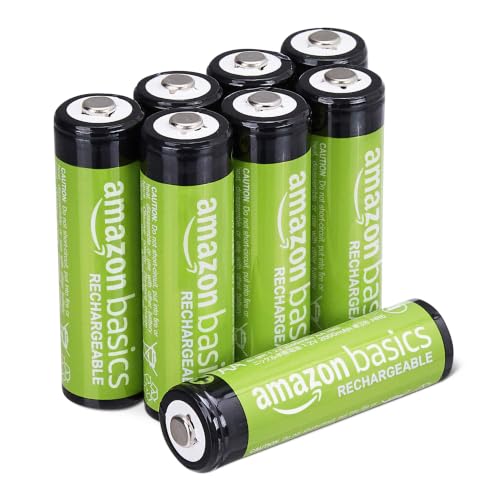


Travelling with Ni-MH and keeping kits organised on the move
Loose rechargeable cells travel well when their terminals are protected, and most carriers treat consumer Ni-MH far more casually than lithium spares because the chemistry is stable and the cells are sealed. Even so, a proper case costs little and prevents the two real travel risks: terminals shorting against metal objects in a bag, and sets scattering so thoroughly that matched members never reunite. A rigid case with individual slots solves both problems and doubles as a charged-versus-spent indicator when you load it consistently, full cells facing one way and depleted cells reversed.
Photographers, musicians and field technicians who travel for work often build a small ritual around the night before departure. Every set goes through the charger, gets checked for the one member that finishes suspiciously early, and enters the case in order. Labelling sets by letter rather than by device keeps the system flexible, because any healthy set can serve any device on the road, while the letter preserves the matched history that protects the cells. A set that misbehaves away from home gets marked with a twist of tape and analysed properly on return, instead of being silently forgiven and trusted again.
Temperature discipline continues during the trip itself. A kit left on a dashboard in summer sun or in an unheated luggage hold in deep winter arrives stressed even if it was perfect at departure. Keeping the battery case inside the main bag, surrounded by clothing that buffers temperature swings, is a simple protective habit. On arrival, letting the cells settle to room temperature before charging avoids confusing the charger’s sensors and gives the chemistry an easier start to the working week.
Households with children benefit from one extra rule: the charger lives in an adult zone, and cells move between that zone and devices as complete sets. This keeps small hands away from a charger they might load with disposables, keeps inventory visible and turns battery changes into a supervised swap rather than a rummage through drawers. Over months, children absorb the rotation system by watching it, which is how a household battery culture quietly passes to the next generation of device owners.
Ultimately, the owners who get the most from this chemistry are not the ones who memorised every specification, but the ones whose charged case is always exactly where their hand expects to find it on the darkest evening of the year.
One last habit separates tidy systems from chaotic ones: review the whole fleet twice a year. Gather every set, run an analysing cycle where equipment allows, retire the members whose capacity has collapsed, and note which devices consumed the most energy over the season. That brief audit prevents slow surprises, keeps the charged case honest and turns replacement buying into a planned purchase rather than an emergency. Households that adopt the routine rarely think about batteries between audits at all, which is precisely the quiet outcome this mature, forgiving chemistry was always meant to deliver.