Our Top Picks
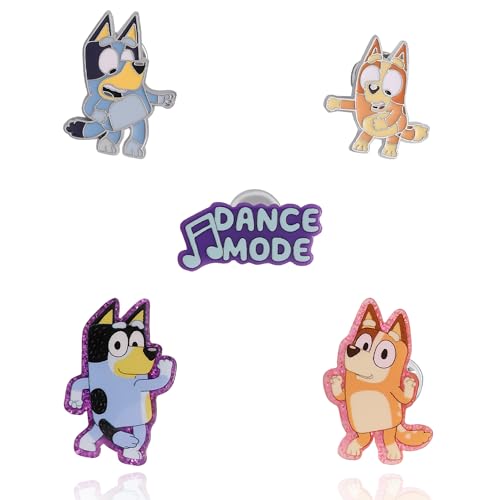 Bluey Pins "Dance Mode" 5 Pack Official License1.16 inches1.16 x 0.89 x 0.83 inches0 poundsCheck on Amazon
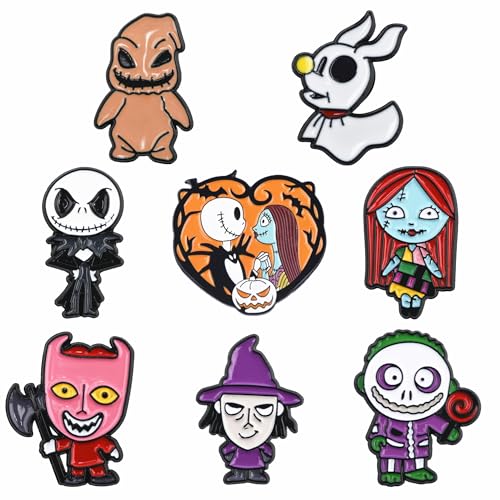 Cartoon Movie Characters Enamel Pins for Boys Girls1.2 to 1.5 inches3.5 x 2.5 x 0.5 inches0 poundsCheck on Amazon


What's inside
- The main types of Disney pin sets
- Set sizes, pin counts and what complete means
- Pin dimensions, posts and backs
- Authenticity: reading a genuine set
- Themed collection classes
- Trading etiquette at the parks
- Display and storage
- Sets for children versus sets for collectors
- Judging a set listing before buying
- Building a collection from sets over time
- How sets are released across a year
- Finishes and special treatments explained
- Condition grading in plain language
- The social life of sets: clubs, boards and events
- Travel with pin sets
- Gifting sets well
- When a set is missing a pin
- A short glossary for set buyers
- Putting the whole guide to work on one purchase
- Care, cleaning and repair of pins in a set
- Photographing and recording your sets
- How children learn the hobby, stage by stage
- Check prices on Amazon
- A note on sets as souvenirs of a specific day
As an Amazon Associate I earn from qualifying purchases. This post may contain affiliate links at no extra cost to you.
A Disney pin set looks simple from a distance: a card or box holding several small enamel pins, united by a theme. Up close, the category is surprisingly structured. Sets are built for different buyers, released under different edition rules, finished to different standards, and traded under customs that newcomers only learn after a few awkward moments at a park pin board. This guide explains how Disney pin sets are put together, how to read a set before you buy it, how to tell a genuine set from the flood of counterfeits, and how to store, display and trade pins once they come home. It is written for two readers at once: the parent choosing a first set for a child, and the collector who wants to build a themed run without stepping on the common traps.
One boundary is worth setting at the start. A pin set is a group of pins sold together as one product, on one backing card or in one box, under one product name. That is different from a collection, which is whatever a person gathers over time, and different from a series, which may be sold pin by pin over months. Sets matter because they are the natural unit of gift buying, of starter trading stock, and of themed collecting. Understanding the set as a unit — its count, its edition language, its backs and stamps — is the skill this guide builds, section by section.
The main types of Disney pin sets
Starter sets with lanyards
The starter set is the front door of the hobby. A typical starter set bundles a group of pins, commonly four to eight, with a lanyard printed in a matching theme. The pins are usually open edition, brightly coloured and built around broad-appeal characters, and the lanyard gives a child or a first-time visitor something to wear and trade from on the same day. Starter sets are sold in the parks, at resort shops and through Disney’s own retail channels, and they are refreshed as themes rotate. For trading purposes, the pins in a starter set are deliberately ordinary: they are meant to be traded away, one by one, for pins that catch the owner’s eye. Judging a starter set by the rarity of its pins misses its purpose; judge it by pin count, by whether the theme delights the wearer, and by whether the pins have proper posts and backs, which the sections below cover in detail.
Booster sets
Booster sets are the workhorse format: a card of themed pins, often four to seven, sold without a lanyard and aimed at topping up a collection or a trading pouch. Booster themes run from classic character groups to park attractions, snacks rendered as characters, seasonal events and film anniversaries. Most booster sets are open edition, meaning they are produced without a fixed numbered limit and can be reprinted while demand lasts. Because they are affordable units bought in volume, boosters are also the format most often copied by counterfeiters, so the authenticity checks later in this guide apply to boosters with full force. A booster set’s value to a collector lies in completeness: a full card holds every design in that mini-theme, including the one design that always seems to trade away fastest.
Mystery and blind sets
Mystery sets hide their contents. A mystery box or pouch contains one or two pins drawn from a stated pool of designs, often eight to sixteen possibilities, sometimes with a rarer chase design mixed in at lower odds. The buyer knows the theme and the full list of possible designs, which is usually printed on the packaging, but not which pins are inside a given box. Mystery sets are sold as open edition in many park lines and as limited releases in others, and the edition language on the box is the only reliable guide to which. For children, mystery sets are a game. For collectors, they are a completion problem: finishing a mystery set by buying boxes alone means duplicates, and duplicates become trading stock, which is precisely the social engine the format is designed to create. A sensible rule is to buy mystery sets for the fun of the pool, not for one specific design, because the design you want is statistically the one that arrives last.
Open-edition versus limited-edition sets
Edition status is the single most important line on any set’s packaging. Open-edition sets carry no production limit; they may stay on sale for years, retire without ceremony, and be reissued in altered form. Limited-edition sets state a fixed production number, such as an edition of a stated size, and once that run sells through, the set is not reprinted in that form. Between those poles sit limited-release sets, produced for a window of time or an event without a published number. The practical differences are real: limited sets are dated by their release, documented by collectors, and traded with more care, while open sets are bought to be used, worn and traded freely. Neither is better. A child’s trading lanyard should be open-edition pins; a framed anniversary set should be limited and kept complete. Trouble begins when a buyer pays limited-edition attention, and limited-edition money expectations, to an open set because a seller’s wording blurred the line — a wording problem this guide returns to when judging listings.
Set sizes, pin counts and what complete means
Set sizes cluster into recognisable bands. Mini sets of two or three pins are usually pairs or trios built around one image split across pins, or a character with companions. Standard sets of four to seven pins cover most boosters and starters. Large boxed sets run from eight pins upward, and jumbo presentation sets can hold a dozen or more, often arranged as a scene. Pin count interacts with theme: a set built on a film’s main cast needs enough slots for the cast to read as complete, while a set built on park icons can stop at five and feel finished. When a set feels oddly incomplete, it is often because one design was a variant or a chase that the standard card never held, and the packaging’s design list is the document that settles the question.
Complete has a technical meaning for collectors: every design in the set, in its original finish, with original backs, ideally with the original card or box. A set missing its card is still a set of genuine pins, but it is no longer a complete retail unit, and that distinction matters for display value and for resale honesty. Backing cards carry the product name, the edition language, the barcode and the legal lines, and they are part of the evidence that a set is what it claims to be. This is why experienced buyers ask for photographs of the card back, not just the pins, and why flattening and keeping cards is a common collector habit even when the pins themselves live in a book or a frame.
best backpacks for travel anti theft laptop
Pin dimensions, posts and backs
Most Disney pins fall between about two and a half and four and a half centimetres in their longest dimension, with standard trading pins near the middle of that range and jumbo pins exceeding it. Size is not a quality marker by itself; it is a design choice tied to artwork detail and to whether the pin is meant for a lanyard, a board or a frame. Weight follows size and metal thickness, and a genuinely substantial feel in the hand is one of the soft signs of a well-made pin, since counterfeit runs often save metal and feel light for their size. Enamel work divides into hard enamel with a smooth, flush surface and soft enamel with recessed colour fields and a more textured face; Disney sets use both, along with printed and glitter finishes, and the finish named in product descriptions should match what the eye sees.
The post is the pin’s stem, soldered or moulded at the back, and most trading pins use a single post, with larger or heavier pins sometimes using two posts to stop rotation. Post placement and straightness matter in daily use: a bent post loosens the back’s grip, and a post set too close to an edge can tilt the pin on fabric. Beside the post, genuine pins carry small nubs — tiny points near the post that bite lightly into the backing material and stop the pin from spinning on a lanyard. Those nubs are easy to overlook and are one of the authenticity details covered below, because many counterfeit pins omit them or place them wrongly.
Rubber Mickey-head backs versus metal clutches
The standard back on a modern Disney pin is a rubber or soft PVC back shaped like the Mickey head silhouette. It pushes onto the post, grips by friction, and is gentle on fabric and fingers, which is why it is the default for children’s lanyards. Its weakness is the same friction: a rubber back worked loose by a swinging lanyard can slip off, and the pin is lost. Metal clutch backs, the butterfly style familiar from jewellery pins, grip harder and suit display boards and bags that get jostled, but they can snag and are less forgiving for small fingers. Locking backs, sold separately in several designs, add a mechanical grip for pins that must not come off, and many collectors put locking backs on exactly one category: the pin they would be genuinely sad to lose. Whichever back a set ships with, spares are a normal purchase, because backs are consumables that split, harden and vanish into sofa cushions at a steady rate.
Authenticity: reading a genuine set
Disney publishes, and its packaging repeats, a set of markers that together identify genuine pins. No single marker is proof on its own, because counterfeiters copy markers too, but the combination is hard to fake cheaply and is the basis of every collector reference on the subject. Learn the markers as a checklist and apply the whole list, not a favourite item from it.
First, the official pin trading mark. Genuine trading pins produced since the early two thousands carry an official pin trading logo stamped on the back, including a year in many production runs. The stamp should be crisp, correctly spelled and proportioned like the published mark. Second, the waffle pattern: the back of a genuine pin carries a textured pattern of small Mickey head shapes running across the metal, extending to the edges in a regular grid. On many counterfeits the waffle pattern stops short of the edge, fades, or is replaced by a smooth or sand-like texture. Third, the nubs beside the post, described above. Fourth, the copyright and origin stamps: genuine pins carry clear legal lines, typically a Disney copyright mark and a country-of-manufacture line, stamped in clean, even lettering. Blurred, misspelled or oddly spaced legal text is one of the most reliable tells in the whole checklist. Fifth, the front of the pin: genuine enamel has clean borders between colours, consistent gloss, and no bubbles, dips or paint overrun at the edges, while hurried copies show colour bleed and rough rims under close light.
The counterfeit and scrapper problem, stated plainly
Two related problems fill the trading pool with bad pins. Counterfeits are unauthorised copies of Disney designs, made outside Disney’s production system and sold cheaply in bulk through general online marketplaces, often in mixed lots with no cards. Scrappers are pins made from genuine tooling or as factory overruns and seconds that were meant to be destroyed or never sold; they enter circulation through informal channels and can carry nearly correct backs while showing flaws in enamel, colour or finish. Both end up on lanyards because they are cheap trading stock, and both are passed along, knowingly or not, in park trades. The factual consequences are the ones that matter: a collection built from bulk lots will contain a share of pins that are not genuine, trading boards fill with copies of the same few designs, and children trading in good faith receive pins of poor make. The defences are equally factual: buy sets on cards from authorised retail channels, learn the back checklist, trade pin for pin with eyes open, and treat any offer of large mixed lots at very low unit cost as what it almost always is. None of this requires suspicion of other traders, most of whom are honest; it requires attention to the object in your hand.
Themed collection classes
Sets organise themselves into theme families, and knowing the families helps a buyer decide what a finished shelf or book should look like. Princess sets are the perennial first family: group portraits of the princess line, individual princess sets with sidekicks and symbols, and dress or icon variations that let a collector build a full wall from one family alone. Villains sets run second in popularity and first in design drama, built on bold colour and portraiture, with seasonal villain events producing some of the most sought-after boxed sets. Star Wars sets cover films, animated series and park land tie-ins, and they mix character pins with ship, droid and insignia designs that display well as grids. Marvel sets follow the films and series, favouring emblem pins and team groupings. Park icon sets — castles, mountains, landmark rides, resort signs, transportation — speak to visitors who collect trips rather than characters, and they are the family most tied to specific parks and anniversaries. Around those five sit durable sub-families: character snacks and merchandise rendered as pins, holiday sets, Epcot festival sets, and attraction-specific sets that pair a ride’s vehicles, posters and figures into one card.
Collecting by family works because sets within a family share scale, finish language and card design across years, so a shelf built from one family looks deliberate. Mixing families works too, but it asks for a unifying rule of your own — one park, one decade, one colour story — or the display reads as storage rather than collection. New collectors often buy across families for a season, then notice which family they reach for first, and that noticing is the cheapest collecting advice available: the family you would complete first is your family, and the rest can be traded toward it.
Trading etiquette at the parks
Pin trading runs on short, friendly rules that park materials and cast member guidance repeat, and following them makes the hobby work for everyone in the queue. Trade with cast members wearing pin lanyards or working at pin boards, and with other guests who signal willingness, usually by wearing a lanyard or carrying a book and pausing at boards. Offer a trade rather than announcing a demand, and accept a refusal with a smile; a no costs nothing. The standing norm is one pin for one pin, and cast members generally trade any pin on their lanyard for a genuine Disney pin offered in return, which is why carrying fair trading stock matters. Never touch another person’s pins without invitation, point instead of grabbing, and let children make their own trades while adults keep a quiet eye on fairness rather than directing every swap.
Board etiquette is its own small code. At a pin board, wait your turn, trade within the board’s stated rules for that location, and do not strip a board of its best pins in one visit; boards are stocked for the whole day’s guests. If you spot a counterfeit on a board or a lanyard, the kind and correct move is to trade for something else and say nothing accusatory, especially to a child. Adults who know the checklist carry a responsibility to use it gently. Finally, keep trades quick when a line waits behind you, and step aside to admire a new pin rather than holding the board. These courtesies are the hobby’s real infrastructure; the pins are just what passes through it.
Display and storage
Storage choices divide by purpose. Pin books, with padded pages and clear sleeves or fabric leaves, are the trader’s tool: portable, protective, and organised by page, so a book can hold trading stock in front and keepers at the back. Cork boards and fabric boards are the home display standard, cheap to make in any size, easy to rearrange, and honest about being working displays that pins move on and off. Shadow boxes and framed displays suit complete sets: a boxed set arranged as a scene, backed with a printed background or the original card art, turns a purchase into a wall piece, and framing a set whole preserves its completeness story in a way loose pins cannot. For long-term storage of valuable sets, the rules borrow from paper and metal care together: keep cards flat and dry, keep pins out of steamy rooms, separate enamel faces from abrasive contact, and store rubber backs loosely rather than compressed on posts for years, since compressed backs harden in shape.
Organisation inside any system rewards a little rigour. Sort by family first, then by set, keeping each set’s pins adjacent and, where possible, its card or a note of its product name and year with it. Photograph each completed set once, front and back, and keep the photographs in a single album on your phone; that album becomes your insurance record, your shopping list at boards, and your proof of completeness if you ever sell. Duplicates deserve their own pouch or page, labelled as traders, so good pins are never traded by mistake in a hurry at a board. These habits sound administrative because they are, and they are also the difference between a collection and a drawer.
Sets for children versus sets for collectors
A child’s set should be bought for loss. Not carelessness, but arithmetic: lanyards swing, rubber backs loosen, and a pin traded away at a board is gone by design. So children’s sets should be open edition, cheerful, complete on their card at the start of the trip, and made of pins the child likes enough to wear and is willing to trade. Starter sets exist precisely for this, and the right adult move is to let trades happen, even trades an adult collector would refuse, because the child’s gain is the experience and the story attached to the pin that came back. Give a child one keeper pin, on a locking back, that is understood to be off-limits to trading; one protected pin teaches the difference between stock and treasure better than a lecture.
A collector’s set is bought for keeping, and the criteria invert. Edition language, completeness, card condition, back stamps and finish quality all move to the front. Collectors buy sets to hold whole, store them by family, and trade duplicates and open stock rather than set members. Where the two worlds meet — a family trip with one collecting adult — the practical answer is two stocks kept visibly separate: the child’s lanyard and trader pouch, and the adult’s book. Mixing them produces the only genuinely sad outcome in the hobby, which is a set quietly broken by a well-meant trade.
Judging a set listing before buying
Whether the listing is from a marketplace seller, a collector group or a speciality shop, judge it in a fixed order and stop at the first failure. First, pin count: does the listing state how many pins the set contains, and does that number match the set’s published design list for that product name? A set described vaguely, with a count that shifts between the title and the description, is a set to leave alone. Second, edition language: the listing should quote or photograph the packaging’s own words — open edition, limited edition with its size, or limited release — and any listing that uses the word rare while the card says open edition is telling you how to weigh the rest of its claims. Third, backstamp photographs: ask for, or find, a clear photograph of at least one pin back from the set, showing the waffle pattern to the edges, the official trading mark, the nubs and the legal stamps. A seller of genuine sets can supply that photograph in a minute; reluctance here is information. Fourth, the card: is the original backing card or box included, and does its product name match the pins shown? Fifth, finish: fronts should show clean colour borders and even gloss in the listing’s own photographs, not stock images borrowed from a retail page.
Two further checks protect against the most common disappointments. Compare the set against a collector reference for that product name, confirming the design list and any known variant, because sets are sometimes quietly reissued with one design changed. And decide, before paying, which of the two buyers you are for this set: if it is for a child’s lanyard, small flaws are tolerable and completeness of the card hardly matters; if it is for a framed family run, they are the whole question. Most bad purchases in this hobby are not fakes; they are genuine sets bought under the wrong criteria, and the fixed order above prevents both kinds.
best chargers for international travel
Building a collection from sets over time
A set-based collection grows in seasons. Start with one family and one format — say, standard booster and boxed sets from that family — and finish what you start before opening a second front. Retired open sets remain findable for a long while through collector channels, so there is rarely a reason to chase a set in its first week unless it is a limited release tied to an event you attended. Keep a simple written list of sets owned, sets wanted and duplicates held for trade; three short lists, kept current, will save more money than any other habit in this guide, because most accidental duplicate purchases happen from memory at a crowded board or a late-night listing.
Anniversaries and park events are the calendar’s peaks, when limited sets cluster and themes align across shops. Planning for those peaks — deciding in advance which family’s anniversary set you would buy and which you would admire and leave — turns a frenzy into a choice. And leave room in the plan for the unplanned: a set from outside your family that you simply love is not a failure of discipline. Collections are arguments about what matters to their owners, and one joyful exception usually becomes the piece visitors ask about first.
How sets are released across a year
Disney’s retail calendar gives pin sets a rhythm that buyers can learn. Everyday open-edition sets anchor the range all year: character group boosters, park icon starters and family favourites that shops reorder as they sell. Around that base, seasonal waves arrive for spring festivals, summer film releases, Halloween and the winter holidays, each wave carrying its own boosters, mystery lines and a few boxed sets. Event sets form the sharpest peaks: anniversary years for parks and films, fan conventions and special ticketed nights all produce limited sets whose packaging names the event, and those names become the collector shorthand for the set ever after.
Release information travels through official shop announcements, park merchandise previews and collector references that log each set with its product name, design list and edition details. A buyer who follows even one reliable log gains the key advantage in this hobby: knowing what a set is before standing in front of it. That knowledge converts impulse into selection. It also protects against the secondary market’s favourite fog, in which a three-week-old open set is described as retired and gone forever. Sets do retire, quietly and without announcement, but the log of what was released, and in which edition form, is the record that separates a genuinely finished run from a restock gap.
Finishes and special treatments explained
Set descriptions use a vocabulary of finishes that is worth decoding once, properly. Glitter elements are filled with fine reflective particles suspended in the enamel, common in princess and celebration sets. Translucent enamel lets the metal beneath tint the colour, giving a jewel effect on gems, wings and water. Stained-glass style pins use translucent fields inside strong metal outlines to imitate leaded glass. Pin-on-pin construction layers a second, raised element over a base pin, adding depth at the cost of weight and post stress. Sliding, spinning and hinged elements appear in feature sets: doors that open on a scene, wheels that turn, characters that move along a track. Each moving part is a delight and a wear point, and collectors check movement pins for smooth travel and firm stops before judging a set complete in quality as well as in count.
Dangle elements hang a small charm below the main pin on a ring or short chain, and they are the most fragile common feature: rings open, charms detach, and a set missing its dangles is incomplete in a way photographs can hide if the pins are shot from the front at a distance. Flocked texture, light-up elements in special releases, and scented novelty pins all exist at the category’s edges. The buyer’s rule across all of them is the same: special treatments raise both the display reward and the inspection burden, and a listing for a feature set should show the feature working, from more than one angle.
Condition grading in plain language
Collector references grade pins in everyday language rather than formal scales, and the terms are worth using precisely. Mint on card describes a set still sealed or held on its original card in clean condition, pins unhandled. Near mint covers pins with no visible flaw at reading distance but perhaps a faint surface mark under close light. Honest wear — small edge rubs, a softened back, a replaced rubber back — suits trading stock and children’s sets and should be described, not hidden. Damage is a bent post, cracked enamel, a missing dangle or a corroded back, and damaged pins trade at the level of their artwork’s charm alone. Learning to describe condition this plainly, in your own listings and your own notes, is part of the hobby’s honesty culture: the next owner’s trust is built from the accuracy of the last owner’s sentence.
Card condition has its own scale of concerns: creased corners, price sticker residue, sun fading along one edge where a card sat in a shop window. For open sets destined for a lanyard, card condition is nearly irrelevant. For a limited boxed set, the box is part of the artefact, and collectors store boxes flat-packed or keep sets boxed entirely. Decide which standard applies before judging a listing’s photographs, because a seller showing a worn card on a play set is being honest, while the same wear on a presentation set is a material fact about value within the hobby.
The social life of sets: clubs, boards and events
Pin sets live a social life beyond the parks. Local trading clubs meet in libraries, cafes and community halls, where members bring books and boxed sets to trade and to show. Online collector groups run set registries, completion photographs and trade threads organised by family. Fan events and expos host trading areas where a complete set, displayed whole, draws the conversations that loose pins rarely start. In all of these settings the set is the unit of respect: anyone can accumulate pins, but finishing a set — especially a mystery set with a chase, or a limited set from a single event — is a small, legible achievement that other collectors recognise at a glance.
That social layer also carries the hobby’s memory. Long-time traders can date sets by their card design, recall which booster waves filled the boards in a given summer, and identify the year a family changed its finish style. New collectors absorb that memory by listening at boards and club tables, and the generous norm of the hobby is that knowledge is traded as freely as pins. If you are new, the fastest education available is to bring one complete set you love, lay it out, and ask the person beside you what they collect. The answer will teach you a family, a history and a set of names to look for, all in one conversation.
Travel with pin sets
Sets travel constantly in this hobby, and a few habits keep them safe in transit. Carry pins in a book or a padded case inside hand luggage rather than in checked bags, both for security and because checked baggage handling is rough on enamel edges and cards. Keep complete sets together during travel, in their card or box inside a protective sleeve, rather than splitting members across bags to spread risk; a split set that loses one bag is incomplete in the worst way. At security screening, a dense book of metal pins can draw a bag check, which is normal and quick when the book opens flat for inspection. On the trip itself, a small trader pouch of open pins, kept separate from keeper sets, prevents the classic travel error of trading a set member in a cheerful moment at a board far from home.
Weather deserves one sentence of planning: rain is harmless to enamel and metal for the length of a park day, but a soaked lanyard should be dried that evening, pins removed and backs dried separately, because trapped moisture against posts and cards is where quiet corrosion and card damage begin. Heat in a parked car is the greater enemy, softening rubber backs and warping cards, so sets ride in the cabin shade or come with you, never in a hot boot for an afternoon.
Gifting sets well
A pin set is a gift with a built-in future: it can be worn, traded, completed and displayed, which makes it stronger than most souvenirs of its size. Gifting well means matching the set type to the person. For a young child, choose a starter set with a lanyard in a theme they already love, and add a small pack of spare rubber backs, because the first lost back otherwise ends the wearing within a day. For an older child, a mystery set or two turns the gift into a game with trades to come. For a teenager or adult fan, a themed booster from their exact corner of the catalogue — one film, one park, one character family — lands better than a broad greatest-hits card, because it says the giver knew the map. For a collector, the safe gifts are supplies and completion help: a good pin book, locking backs, a display frame sized for a boxed set, or the single set on their written want list. The unsafe gift for a collector is a surprise set chosen at random, which will very likely duplicate a shelf or miss the family entirely.
Presentation has one hobby-specific rule: do not remove a set from its card to make it look prettier in wrapping. The card is part of the gift’s evidence and, for limited sets, part of its identity. Wrap the card as it is, and if the set is for a child, let the child do the opening and the first lanyard arrangement at the table. That small ceremony is, for many families, the actual beginning of a collection, remembered long after the individual pins have been traded into new stories.
When a set is missing a pin
Incomplete sets are a normal state in a trading hobby, and there are honest ways to live with them. A set short by one design can be completed through trades, collector groups or single-pin listings, and the want is easy to state precisely because the design list is public: family, product name, and the missing design by its position or character. Until completion, display the set with its gap acknowledged rather than filled by a near-match from another set; a visible gap is a story and a shopping list in one, while a filled gap quietly falsifies the set. If completion proves impossible — some chase designs stay stubbornly scarce — the set can be reframed as a study group of its theme and enjoyed without apology. Many respected collections hold one famously unfinished set, and its gap is usually the first thing its owner shows a fellow collector, because the hunt is the hobby’s connective tissue.
Selling an incomplete set calls for the plainest language of all: name the set, name the missing design, photograph every pin front and at least one back, and state the card’s presence or absence. Buyers forgive incompleteness readily; they do not forgive discovering it. The same plainness applies to replaced backs and repaired posts, which should be named in a listing as the routine maintenance they are.
A short glossary for set buyers
Backstamp means everything stamped into a pin’s back: the trading mark, legal lines and any edition or year marks. A chase is the scarcer design inside a mystery pool. A completer is a final design that finishes a group, sometimes released after the main set. A grail is the one set a collector wants above all others, a term used with affectionate exaggeration. A keeper is a pin or set that is not for trade. A lanyard is the neck strap that carries trading pins in the parks, and a pouch or book is its organised alternative. Open edition, limited edition and limited release carry the meanings given earlier in this guide, and those three phrases, read exactly, will protect a buyer more reliably than any other vocabulary in the hobby. A scrapper and a counterfeit carry the meanings given in the authenticity section, and the distinction between them matters less than the shared conclusion: neither belongs in a set you paid genuine-set money for. Traders are the duplicates and open pins a collector holds specifically to swap, and a board is any staffed or community pin board where swaps happen under posted rules.
Putting the whole guide to work on one purchase
Imagine the common case: a family preparing for a park trip, choosing sets at home before they travel. The working method from this guide runs in a few minutes. Pick one starter set per child, open edition, in a theme each child chooses personally. Add one booster per child as fresh trading stock for the second day, when the first trades have taught them what they actually hunt. For the adults, choose one themed set to keep whole — park icons from the park they are visiting is the classic — and a shared pouch of open traders. Pack spare backs, one locking back per child for a keeper pin, and a small book for the journey home. At the parks, trade by the etiquette section, photograph each child’s lanyard each evening, and let trades be trades. At home, move keepers into the book, keep the family set on its card or into a frame, and write the want list that the trip created. That sequence, ordinary as it sounds, is the entire hobby in miniature, and every later sophistication is a refinement of it.
For the collector reading the same scenario, the method differs only in emphasis: research the current limited releases for the trip dates, decide the one family set that would earn its place, set the boundary before entering the shop, and spend the rest of the attention on boards and conversations, where the hobby’s real finds are social as often as they are commercial. Both readers end the trip with the same asset, which is not the pins themselves but a clear record of what they hold, what it is, and what they want next.
Care, cleaning and repair of pins in a set
Enamel and plated metal ask for gentle care. Clean a pin with a soft, dry cloth for routine dust, and with a barely damp cloth for sticky marks from park days, drying it fully before it returns to a book or board. Never soak a set, never use abrasive pads on enamel, and keep household metal polishes away from coloured fields, because polish that brightens a rim can cloud the enamel beside it. Glitter and translucent fields deserve extra caution: their surfaces show fine scratches sooner than hard enamel, so they are wiped, never scrubbed. Storage humidity is the quiet variable; a set kept in a dry room on an interior wall will hold its finish for decades, while the same set in a steamy bathroom cabinet can develop spotted plating in a few years.
Posts bend in bags and books, and a bent post is the most common repair in the hobby. A post bent slightly can often be eased straight with slow finger pressure or flat pliers padded with cloth, working in small movements and stopping if the base shows any crack in the solder. A post bent at a sharp angle, or one that has already been straightened once, is a candidate for leaving alone and displaying rather than wearing, because metal fatigues and a post that snaps at a board takes the pin with it. Rubber backs that have hardened or split are replaced, not repaired, and a set’s spare backs should match the original style where the set is kept for display. Dangles that detach at the ring can be reclosed with jeweller pliers by a steady hand, and collectors who own feature sets often keep that one small tool with their books for exactly this five-minute job.
Photographing and recording your sets
A collection record sounds like paperwork until the first time it answers a question in seconds: do I already own this booster, which design am I missing, what did this set’s backstamp look like before I traded its duplicate? The record that serves best is simple. For each set, one photograph of the front, one of a representative back, and three lines of text — product name, family, and edition language copied from the card. Add the year you acquired it and where, if those facts matter to you; future you, or a future buyer, will be glad of both. Keep the record in one album and one note, backed up with the rest of your photographs, rather than scattered across message threads.
Photography technique for small metal objects rewards two habits: light from the side rather than straight above, which reveals enamel texture and flaws honestly, and a plain background that does not fight the colours. Shoot backs with the same care as fronts, because the back photograph is the authenticity record. When you photograph a set to trade or sell, include the card in the frame even if the pins are also shown loose; that single habit prevents most misunderstandings about completeness. And when you photograph for pleasure, for the shelf record or the club group, arrange the set as its designer arranged the card — the grouping is part of the artwork, and a faithful arrangement shows respect for the small design work that made the set worth finishing in the first place.
How children learn the hobby, stage by stage
Families often ask when a child is ready for each part of pin trading, and the honest answer follows the skills rather than a birthday. Carrying a lanyard and wearing pins proudly comes first and suits very young visitors, with an adult holding the trading stock. Making a trade with a cast member, with an adult beside them, comes next, and the scripted kindness of that exchange is designed for beginners. Trading with other guests, judging fairness, and recognising the back checklist are later skills, built over trips rather than days, and they arrive naturally when a child starts asking why one pin feels heavier or why a back looks different. The parent’s role shrinks in step: from holder, to companion, to consultant, to fellow collector. Rushing that sequence to complete a set teaches the wrong lesson, because the hobby’s gift to a child is not the finished card but the growing judgement — about objects, about fairness, and about letting a liked thing go to make room for a loved one. A set bought for a child should therefore be judged, years later, not by how many of its original pins remain, but by how many stories its trades produced.
Check prices on Amazon
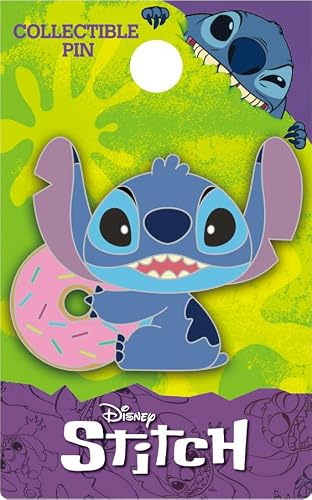
Live listings for the shortlist in this guide are pulled from Amazon below, so prices and availability are always current at the moment you look.




A note on sets as souvenirs of a specific day
Some sets matter less for their family or edition than for the day attached to them: the set bought in the rain after a parade, the mystery box that held the exact design a child had hunted all week, the anniversary set carried home from a park’s milestone year. Collectors call these anchor pieces, because a whole trip’s memory hangs from them. Anchor pieces deserve the best storage you own and a line in your record naming the day, because the object alone will not tell that story to anyone else, and one day the story is the value. This is also why selling an anchor set is a decision to make slowly and never in the same week as a clear-out: sets can be replaced, but the one that was actually there cannot, and the hobby is full of collectors searching for a set they once owned, hoping its card still carries a date they recognise.
One more habit ties the record and the shelf together: review your sets once a year, on a quiet day, with the book open and the want list beside it. Confirm that each set is still complete, that backs still grip, that cards are flat and dry, and that the list still reflects what you actually want rather than what you wanted three trips ago. Sell or trade what the review honestly releases, and let the rest stand. An annual hour of this kind keeps a collection deliberate at any size, and it turns ownership from accumulation into curation, which is the quiet destination every section of this guide has been pointing toward.
A closing word about how this guide was put together: it is drawn from published product information, maker documentation for Disney pin sets and accessories, park trading guidance in the public domain, and established collector references on authenticity marks, edition language and set records. It does not rest on any programme of handling or evaluating physical sets by the writer, and where production details vary between releases — pin counts, finishes, edition sizes — the guide describes the range and the packaging language to check, rather than inventing a single figure. Keep the checklist by your book, trade generously, buy the card as carefully as the pins, and the small enamel set you bring home from the next trip may still be opening conversations on your wall when the lanyard that carried it has long since been retired to a drawer of good memories.


