Our Top Picks


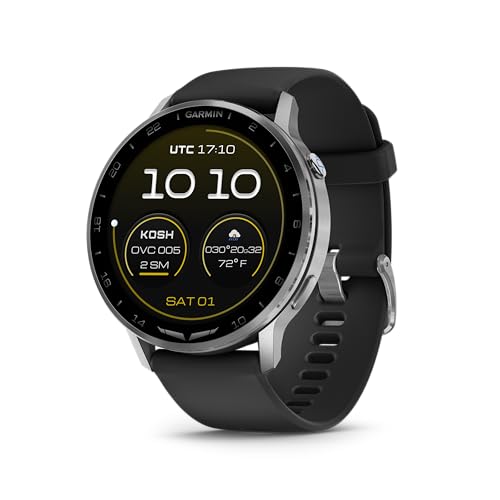

What's inside
- What makes a watch genuinely aviation capable
- GPS flight logging and track review
- METAR, TAF, and weather on the wrist
- Pulse oximetry and physiology at altitude
- Barometric altimeters, compasses, and situational tools
- Flight plans, waypoints, and aviation app ecosystems
- Sunlight readable displays and cockpit ergonomics
- Battery life in real flying patterns
- Health, training, and life between flights
- Build quality, water resistance, and cockpit durability
- Choosing by pilot profile
- Sensors, accuracy, and honest limitations
- Setup habits that repay the effort
- Comparing display technologies in depth
- Connectivity, phones, and cockpit interference discipline
- Ownership costs and replacement thinking
- How to shortlist without flying anywhere
- Final perspective for pilot buyers
- Regional considerations and database coverage
- Learning curve and daily wearability
- Environmental sealing and maintenance rhythms
- Check prices on Amazon
- A note on gifts, clubs, and shared aircraft
As an Amazon Associate I earn from qualifying purchases. This post may contain affiliate links at no extra cost to you.
An aviation smartwatch occupies a narrow and demanding corner of the wearable market, because the wrist of a pilot is not simply a convenient place for notifications. In the cockpit, a watch becomes a secondary instrument, a flight log recorder, a weather glance, and sometimes a quiet backup when panel equipment, tablets, or headsets demand attention elsewhere. Choosing well therefore means looking past step counts and decorative faces toward satellite positioning accuracy, pressure sensing, oxygen saturation measurement, legibility in harsh glare, and software that understands airfields, runways, and flight plans rather than only streets and running routes.
This guide compares the category at the level of features and published specifications, drawing on manufacturer documentation, aviation app descriptions, and standard references for how pilots actually use wrist devices before, during, and after a flight. The emphasis stays practical throughout. A specification that looks impressive in a marketing table may matter very little at altitude, while a modest detail such as a physical button that works with gloves, or a display that dims gracefully for night operations, can decide whether a watch earns its place on a flight deck or stays in a kit bag.
Readers who fly light aircraft, train toward a licence, instruct students, or simply log frequent recreational hours will find the priorities ordered differently from a general fitness roundup. Endurance athletes care about training load, whereas pilots care about whether a track log captured a departure cleanly, whether an altimeter trend hinted at changing pressure, and whether a weather widget refreshed before the signal faded inside a hangar. Those distinctions shape every section that follows, from satellite reception to strap materials.
What makes a watch genuinely aviation capable
The defining trait of an aviation model is not a pilot styled dial, although many wearers enjoy that aesthetic. Genuine capability starts with a positioning receiver that locks quickly, records a clean breadcrumb track, and reports altitude and groundspeed in units that match cockpit conventions. Multi constellation support, drawing on several satellite networks rather than a single system, improves the chance of a stable fix when the airframe, terrain, or a steep bank angle interrupts the view of the sky during a turn.
A second defining trait is an aviation database or a companion application that can supply it. Airport identifiers, runway lengths, frequencies, and nearest airfield searches transform a generic sports watch into something a pilot can consult during planning or diversion thinking. Without that data layer, the device remains a capable recorder of movement, useful for reviewing a route afterwards, yet far less helpful when a question begins with the words nearest suitable field.
Pressure sensing forms the third pillar. A barometric altimeter, calibrated thoughtfully and read with an understanding of its limits, offers trend awareness that satellite altitude alone cannot provide. Pilots who also hike, ski, or travel across mountainous regions gain double value from the same sensor, though cockpit use always demands humility, because a wrist instrument supplements certified panel equipment and never replaces it under any operating rule.
Finally, an aviation watch must respect attention. Alerts should be configurable, glanceable, and silent when silence matters. A device that buzzes insistently during a radio call or brightens suddenly during a night approach creates friction rather than support. The strongest designs in this category allow aggressive filtering, so only genuinely relevant items such as a timer, a weather update, or a planned waypoint notification reach the wearer in flight.
GPS flight logging and track review
Flight logging sounds simple until the details are examined closely. A useful log begins automatically or with a deliberate single action, captures position at intervals tight enough to reconstruct climbs, descents, circuits, and practice manoeuvres, and then exports that record in a format instructors, clubs, or personal archives can open later. Sparse sampling smooths away the very patterns a student pilot wants to review, such as the shape of a holding pattern or the consistency of a descent profile toward a destination.
Sampling rate interacts directly with battery consumption, so manufacturers balance fidelity against endurance in ways that published figures only partly reveal. A watch configured for maximum recording detail during a two hour lesson may behave very differently on a cross country day with multiple legs. Checking how a model handles activity profiles, and whether aviation specific profiles exist rather than repurposed running modes, tells a buyer more than a headline battery claim ever will.
Track review after landing is where logging earns its keep. Altitude traces aligned with groundspeed reveal where a climb flattened early, where a descent began later than planned, or where turbulence coincided with a heading change. When that record synchronises with a phone application that overlays airspace boundaries or airfield positions, a debrief becomes concrete instead of impressionistic, and students in particular benefit from seeing a lesson rendered as geography rather than memory.
Export flexibility matters for longevity. Open formats protect a logbook archive against a single application closing or changing its subscription terms, while proprietary clouds offer convenience at the cost of dependence. Pilots building a multi year record should favour devices that allow manual export, local backup, or integration with established electronic logbooks, because a decade of flights deserves storage habits as careful as the flying itself.
METAR, TAF, and weather on the wrist
Weather awareness begins long before engine start, and a watch that surfaces coded aviation reports can shorten the distance between curiosity and information. METAR observations describe current conditions at an airfield, including wind, visibility, cloud, temperature, dew point, and pressure setting, while TAF forecasts extend that picture forward across the hours when a flight might depart, arrive, or need an alternate. Rendering either report readably on a small circular screen is a design challenge that separates thoughtful software from a simple data dump.
The best implementations summarise first and reveal detail on demand. A colour coded flight category indicator, for example, communicates at a glance whether conditions sit comfortably within visual rules or have deteriorated toward instrument territory, and a tap then exposes the raw coded text for pilots who prefer reading the original format. Wind components deserve special prominence, because crosswind relevance depends on runway orientation, and a watch that knows the selected airfield can present that relationship far more usefully than a generic wind arrow.
Refresh behaviour deserves scrutiny. Weather widgets depend on a paired phone connection or an onboard network link, and neither is guaranteed inside a metal hangar or a remote strip with weak coverage. Sensible buyers check how old data is labelled, whether the timestamp of the underlying observation stays visible, and whether stale information is visually distinct from a fresh report. A confident looking number without an age attached invites exactly the misreading that careful preflight habits exist to prevent.
Radar and satellite imagery on a wrist will always be constrained by screen size, yet even a simplified precipitation view can support a go or wait conversation during planning. Such imagery belongs to the briefing room and the clubhouse rather than the airborne phase, and pilots should treat wrist weather as a prompt to consult full official briefings, never as a substitute for them. Used with that discipline, quick access encourages more frequent checking, and frequent checking is a habit that supports safer decisions across an entire flying career.
Pulse oximetry and physiology at altitude
Pulse oximetry attracts pilots because oxygen availability thins with altitude and because unpressurised cabins expose occupants to that thinning directly. A wrist sensor estimates blood oxygen saturation by shining light into the skin and analysing the returning signal, a method that works best when the watch sits snugly, the wearer stays still, and cold fingers or vigorous movement do not disturb the reading. Published accuracy claims therefore describe favourable conditions, and in flight readings should be treated as trend information rather than medical measurement.
The value lies in pattern awareness. A wearer who notices saturation drifting downward during a high altitude leg, alongside a headache or unusual fatigue, receives a prompt to descend, use supplemental oxygen where carried, or reassess the plan. Conversely, a stable trend across similar flights builds a personal baseline that makes anomalies easier to spot. Spot checks on demand suit cockpit use better than constant sampling, which drains battery and generates data few pilots will review with any discipline.
Regulatory guidance on oxygen use varies by jurisdiction and altitude band, and no wearable changes those obligations. What a sensor can change is self knowledge, especially for pilots who fly in mountainous regions, cross high terrain on long legs, or share the cabin with passengers whose tolerance may differ from their own. Families who tour together sometimes find that a simple shared awareness of altitude effects improves comfort decisions, such as planning a lower route or an earlier rest stop.
Sleep and recovery metrics connect to physiology as well, because fatigue degrades judgement as surely as hypoxia can. A watch worn overnight that reports sleep duration, restlessness, and morning readiness gives a pilot one more input before an early departure. None of these numbers should override honest self assessment under established fitness to fly frameworks, but objective records can counter the optimism of a keen aviator who slept badly yet feels determined to depart on schedule.
Barometric altimeters, compasses, and situational tools
A barometric altimeter translates air pressure into an altitude estimate, and its behaviour rewards understanding. Weather systems move pressure around continuously, so calibration against a known elevation or a current pressure setting keeps readings meaningful. Satellite calibration can assist automatically, blending both sources, although each method carries assumptions that a thoughtful owner should learn during the first weeks of use rather than discovering during a demanding flight.
Rate of change information may prove more useful than absolute altitude on the wrist. A vertical speed trend, a storm alert derived from rapid pressure falls, or a simple graph of the last several hours supports awareness during camping, hiking to a remote strip, or waiting out weather at a destination. Pilots who also sail or trek find the same sensor suite relevant across pursuits, which strengthens the value case for a premium device worn daily rather than reserved for flying days alone.
Electronic compasses on aviation oriented models generally offer heading references that remain readable while the wrist moves, and some software layers add bearing pointers toward saved waypoints or airfields. Such a pointer is a planning and ground navigation aid, helpful when walking an unfamiliar apron, locating a fuel point, or orienting toward a destination during a diversion discussion on the ground. In the air it remains, like every wrist feature discussed here, a supplement within a cockpit already served by certified instruments and proper charts.
Timers deserve an honourable mention among situational tools. Fuel management on aircraft with switchable tanks, timed approaches during training, and simple elapsed awareness on long legs all benefit from a countdown or stopwatch that can be started with a gloved press and read without a menu dive. Models that allow a timer face, a data screen, or a dedicated button shortcut to be configured in advance reward preparation, and preparation is the recurring theme of every genuinely useful aviation feature.
Flight plans, waypoints, and aviation app ecosystems
An aviation watch rarely works alone, and its ecosystem often decides its ceiling. Companion applications that synchronise flight plans, waypoints, and airfield data between phone, tablet, and wrist reduce the friction of preparation, so a route built at a kitchen table appears on the watch without manual re entry. Pilots already committed to a particular electronic flight bag should begin their shortlist there, checking which wearables that platform supports directly and which require awkward intermediate exports.
Garmin Pilot style integrations illustrate the pattern clearly, with route information, nearest airfield logic, and alerting concepts shared across a family of devices and applications. Rival ecosystems approach the same problem from a sports first direction, adding aviation through third party applications of varying depth. The difference shows in details such as whether a waypoint carries an identifier and elevation, whether a direct to function exists, and whether the watch vibrates meaningfully near a planned turn rather than merely displaying a line on a map.
Map rendering on a small screen demands restraint. Coastlines, major airspace boundaries, and the route itself usually suffice, while dense chart symbology becomes illegible and distracting. Colour topographic mapping helps hikers enormously and pilots modestly, mainly during ground activities or situational review after landing. Buyers should weigh mapping as a pleasant extra rather than the centrepiece of an aviation purchase, unless their flying regularly involves remote strips where ground orientation after landing forms part of the adventure.
Subscription structures complicate ecosystem comparisons. Some aviation data, chart updates, and premium planning features sit behind recurring payments, and a watch that appears affordable at purchase may accumulate meaningful costs across years of database currency. Keeping an airfield database current is not a cosmetic concern, because frequencies change, runways close, and identifiers evolve. A responsible budget therefore includes database renewals alongside straps, chargers, and the inevitable replacement cycle of a device worn daily in a vibrating, sunlit environment.
Offline behaviour separates mature ecosystems from fragile ones. A route, a set of waypoints, and the nearest airfield database should live on the device itself, available in flight mode, in a valley without coverage, or beside a strip where the only building is a windsock pole. Cloud dependent designs that falter without a signal may still suit urban pilots flying between major fields, yet travellers who value independence will read offline specifications with particular care before committing.
Sunlight readable displays and cockpit ergonomics
Cockpit light is unforgiving. Direct sun through a canopy can wash out a dim panel, deep shadow falls across a yoke at other moments, and polarised sunglasses interact unpredictably with certain screen technologies. Transflective memory in pixel displays thrive in bright conditions, growing clearer as ambient light increases, while modern emissive panels counter with high brightness modes that consume power rapidly. Neither approach wins universally, and the correct choice depends on typical flying conditions, night habits, and tolerance for charging.
Night operations invert the problem. A display that cannot dim sufficiently will erode dark adaptation and annoy fellow occupants, so aviation suitable models provide red shifted or low luminance night modes, configurable timeouts, and the ability to wake the screen with a deliberate gesture rather than an accidental wrist raise. Pilots who fly after dark should examine these settings specifically, because general smartwatch reviews rarely dwell on dimming floors that matter enormously in a darkened cabin.
Physical controls deserve equal billing with screen quality. Touch interfaces falter with gloves, rain, sunscreen, or the fine vibration of a light aircraft in cruise, whereas chunky buttons with distinct travel can be operated by feel alone. A hybrid arrangement, touch for ground convenience and buttons for in flight essentials, represents the pragmatic consensus of the category. Crown guards, bezel texture, and button spacing all influence whether an action succeeds first time or demands a second, attention stealing attempt.
Case size interacts with both legibility and comfort under a headset, a jacket cuff, and a seat harness. Larger cases present data generously and house bigger batteries, yet they can press against the wrist bone during long sectors or catch on tight sleeves in winter flying. Smaller cases disappear comfortably but compress map and weather information. Trying a size in person, ideally while wearing typical flying clothing, resolves questions that specification tables leave open, and strap choice can shift the verdict as much as case diameter itself.
For readers comparing broader outdoor categories alongside dedicated aviation models, guides such as best activity smartwatches help clarify how general activity tracking overlaps with cockpit needs, and where the overlap ends. The distinction matters because a superb trail watch may still lack an airfield database, while a dedicated aviation model may handle trail duties perfectly well, making the dedicated device the more economical single purchase for someone whose weekends alternate between airfields and hillsides.
Battery life in real flying patterns
Battery claims require translation into personal routines. Manufacturers quote endurance under defined conditions that may assume modest satellite use, limited sensor sampling, and restrained screen brightness, whereas a pilot recording every flight, checking weather repeatedly, and wearing the watch as a daily smart device will draw the cell down faster. The honest question is not how long a watch can survive in a laboratory mode, but how comfortably it covers a typical week of commuting, training, and weekend flying between charges.
Recording mode dominates consumption. Continuous multi constellation positioning with frequent sampling, an always visible bright screen, and active oxygen sampling can shorten endurance dramatically compared with smartwatch mode, and pilots planning multi day touring should model their longest plausible day rather than an average one. A watch that ends a long cross country with reserve inspires confidence, while one that fades during the final leg turns a useful log into an incomplete fragment and a small but genuine annoyance.
Charging ecosystems influence ownership satisfaction quietly. Proprietary cables are easy to lose on tour, so carrying a spare, photographing the connector type, and noting whether the watch can sip power from a common portable battery all belong to sensible preparation. Some travellers keep a dedicated cable in the flight bag permanently, a humble habit that prevents the familiar scene of a flat watch beside a hotel bed the night before an early departure.
Battery longevity across years also deserves thought. Cells age with charge cycles and heat exposure, and a cockpit in summer sun is a warm environment. Devices that allow battery saving profiles, partial charge habits, or eventual manufacturer service support will age more gracefully. None of this should frighten a buyer away from the category, yet it argues for buying from makers with established service networks rather than obscure brands whose aviation claims rest on a single product page.
Health, training, and life between flights
Most pilots do not fly daily, so an aviation watch must justify itself on ordinary days as well. Heart rate tracking, sleep records, stress estimates, and activity summaries now arrive as standard across premium wearables, and their presence turns a specialist instrument into a daily companion. The quality of insight varies, with the strongest platforms translating raw signals into restrained, actionable summaries rather than alarming the wearer with every normal fluctuation recorded during a busy week.
Training features matter to the many pilots who run, cycle, swim, or lift to maintain medical fitness and general resilience. Multi sport profiles, structured workouts, and recovery guidance can replace a separate sports watch entirely, consolidating chargers and applications. Readers weighing that consolidation may also consult best adventure fit smartwatches for the outdoor training perspective, since the same sensors and satellite engines often power both categories, differing mainly in software emphasis and database content.
Women and men with smaller wrists should pay attention to how health sensors sit against the skin, because optical readings depend on consistent contact that an oversized case may not achieve on a narrow wrist. Comfort during sleep matters too if overnight metrics are part of the appeal. A lighter case with a soft strap will gather better data simply because its owner actually wears it through the night instead of leaving it beside the bed in silent protest.
Medical certification introduces a note of caution. Wearable health data belongs to personal awareness and lifestyle management, and it does not form part of an aviation medical examination, nor should it be presented as diagnostic evidence. Pilots who notice persistent irregularities flagged by a device should discuss them with a qualified clinician through normal channels. That balanced framing keeps the technology in its proper place, helpful for habits, silent on certification, and never a reason to delay professional advice.
Build quality, water resistance, and cockpit durability
A flight bag is a hostile neighbourhood for delicate equipment. Watches share space with headsets, keys, fuel testers, and metal torches, then emerge into vibration, ultraviolet light, and the occasional knock against a door frame or propeller spinner during a walkaround. Sapphire crystal, reinforced polymer, titanium, and stainless steel each answer that environment differently, trading weight, cost, and scratch resistance in proportions that buyers should match to how roughly they honestly treat their kit.
Water resistance ratings are widely misunderstood, because a depth figure describes laboratory pressure conditions rather than a licence for hot showers or high speed water impact. For aviation purposes the practical requirement is simpler: rain during a walkaround, sweat on a summer ramp, a swim at a destination, and perhaps kayaking on a day off should all pass without concern. Seals age, buttons should not be pressed underwater unless the maker permits it, and salt water deserves a rinse afterwards as a matter of routine care.
Straps influence durability and comfort simultaneously. Silicone tolerates sweat, rain, and sunscreen while cleaning easily, leather looks distinguished in a clubhouse but resents repeated soaking, and woven nylon breathes well during hot preflight checks while drying slowly after rain. Quick release systems encourage owning two straps for different settings, which many pilots appreciate when the same watch moves from a morning lesson to an evening dinner without looking like expedition equipment.
Screen protectors and cases divide opinion in this category. A protector can sacrifice the optical clarity that justified a premium display, yet for students flying in shared club aircraft with constant knocks, the trade may be worthwhile. Owners of sapphire models generally need less protection than owners of softer glass, and reading the exact crystal specification matters more than assuming every premium priced watch uses the hardest material available in its range.
Choosing by pilot profile
Student pilots and renters
Students benefit most from logging clarity, simple timers, and a price of ownership that leaves budget for lessons, because flight training already consumes resources at a memorable rate. A mid range model with reliable satellite recording, a readable display, and straightforward export for instructor debriefs serves this stage better than a flagship laden with expedition features. Renters who move between aircraft also appreciate a self contained device, since panel equipment changes with every booking while the watch remains reassuringly familiar.
Durability and strap comfort outweigh exotic sensors for this group, although a basic oxygen trend can still inform early altitude awareness during mountain flying modules. Students should also consider how a watch interacts with exam discipline, because some training environments restrict smart devices during ground examinations, and a clear, simple watch face avoids any ambiguity with instructors or examiners about what the device is doing on a given day.
Private tourers and aircraft owners
Touring pilots extract the fullest value from aviation databases, weather summaries, and generous battery reserves, because their flying involves unfamiliar fields, changing conditions, and long days away from a home charger. For this group, offline data, nearest airfield search, and comfortable multi day wear justify stepping up a tier. Owners who fly the same aircraft repeatedly may configure data screens around that machine, mirroring its cruise speeds, typical altitudes, and fuel timing habits in a personal layout refined across seasons.
Integration with an existing electronic flight bag becomes decisive here, since duplicated planning across disconnected applications wastes the very time a tourer hopes to save. A slightly less impressive watch inside a coherent ecosystem will usually serve better than a technically superior orphan. That principle explains why experienced pilots often choose a brand family early and stay with it, accumulating log archives, accessories, and muscle memory that compound quietly year after year.
Instructors and professional crews
Instructors fly frequent short sectors, debrief repeatedly, and need logging that starts reliably without ceremony. Rapid activity initiation, clear lap or leg marking, and painless sharing of a student track matter more than expedition mapping. Professional crews operating under company procedures must additionally respect employer policies on personal devices in the cockpit, which may restrict or prohibit certain uses regardless of what a watch can technically do, and compliance always outranks convenience in that setting.
For multi crew environments, discretion becomes a feature. Subtle alerts, dim displays, and a conventional appearance integrate better than a large tactical case broadcasting notifications across a shared flight deck. Battery endurance across a roster pattern, rather than a single day, shapes satisfaction, and a charging routine anchored to a crew bag or home hallway prevents the slow drift toward a device that is flat whenever an early report arrives.
Readers whose priorities lean toward value across all these profiles may find best all around smartwatches a useful counterweight, because it frames the balanced choice for mixed use rather than cockpit specialisation. Likewise, best affordable android smartwatches speaks to buyers who want a capable connected watch on a restrained budget, accepting that dedicated aviation databases may arrive through phone applications rather than native watch software at lower tiers.
Sensors, accuracy, and honest limitations
Every sensor on an aviation watch carries an error budget, and understanding those budgets converts marketing into judgement. Satellite altitude can wander by amounts that matter near terrain, optical heart rate can lag during rapid effort changes, and wrist oxygen estimates can scatter when perfusion falls in cold conditions. None of these flaws disqualify the category, because the intended role is awareness and recording, yet they do disqualify any temptation to treat wrist data as certified information during flight operations.
Calibration habits shrink several of those errors. Setting altimeter references at known elevations, allowing a satellite soak before departure so the receiver settles, wearing the case snugly for optical readings, and updating device software and databases on a regular rhythm all improve consistency. Pilots already understand this pattern from aircraft handling, where correct setup precedes reliable performance, and the watch rewards exactly the same temperament.
Firmware updates deserve a calm approach. Updates can refine satellite performance, repair weather widget faults, or alter battery behaviour, and reading release notes before a major trip helps an owner decide whether to update immediately or wait until returning home. Changing software on the eve of a demanding tour introduces avoidable uncertainty, a principle borrowed from aircraft maintenance scheduling, where non urgent work rarely belongs immediately before a long journey.
Data privacy completes the limitations discussion. Flight tracks reveal home airfields, routines, and sometimes addresses at either end of a journey, so sharing settings deserve deliberate configuration rather than default acceptance. Public activity feeds popular with runners are not automatically appropriate for pilots, and most platforms allow private by default logging with selective sharing for instructors or family. Reviewing those controls during setup protects both safety culture and personal boundaries with minimal effort.
Setup habits that repay the effort
A thoughtful first evening of setup shapes years of ownership. Begin by selecting units that match local cockpit conventions, whether feet or metres, knots or other speed references, and hectopascals or inches of mercury for pressure. Consistency between watch, planning application, and aircraft instruments reduces mental translation at exactly the moments when spare capacity is scarce, and it prevents the quiet confusion of glancing at a familiar number expressed in an unfamiliar scale.
Next, build one clean aviation data screen rather than five cluttered ones. Elapsed time, satellite altitude, groundspeed, and perhaps heart rate usually suffice, arranged in the order the eye naturally seeks them. Additional screens can hold weather, a compass, or a timer, each reachable by a single deliberate action. Testing that layout during a drive or a walk reveals readability problems safely, long before a bumpy climb makes small fonts or low contrast choices obvious in a less forgiving setting.
Notifications should be pruned aggressively during setup, not gradually after repeated annoyance. Allow flight related alerts and essential personal messages, silence promotional noise, and schedule quiet hours that respect both sleep and early departures. Family members who may need to reach a pilot urgently can be placed on an allow list, preserving reachability without reopening the door to every application seeking attention during a lesson, a briefing, or a carefully timed approach.
Finally, rehearse the failure modes. Know how the watch behaves when its battery fades mid recording, how a log can be recovered, and how to operate the timer if the touchscreen locks out due to moisture or a settings choice. A short rehearsal at home converts surprises into procedures, and procedures are the native language of aviation. That mindset, more than any single sensor, distinguishes an owner who gains genuine value from this category from one who merely wears an expensive ornament.
Comparing display technologies in depth
Transflective screens reward pilots who fly mostly in daylight, because their contrast improves under the very sun that defeats lesser panels, and their power draw stays modest while showing a static data page. Their colours appear muted beside emissive rivals, and their weather maps look functional rather than lush, yet function is the correct priority for a device consulted during a climb. Owners who also value indoor smart features may find the trade reversed in the evening, when a dim room reveals the transflective panel reliance on a backlight of variable quality.
Emissive panels answer with saturated colour, deep blacks, and map rendering that can make terrain shading genuinely informative during planning on the ground. Their cost arrives as charging frequency and as a temptation to keep brightness high, which compounds the drain. Automatic brightness systems have improved considerably, reacting quickly when a sleeve uncovers the watch under a canopy, although occasional lag still occurs. A buyer torn between technologies should picture their most common flight, at its most common hour, and let that scene arbitrate rather than a showroom comparison under artificial light.
Resolution and font design quietly govern how much weather or navigation information a screen can carry without crowding. Crisp rendering allows smaller type to remain legible, which benefits coded weather text and waypoint lists, but no resolution rescues a layout that places six data fields where four belong. Software taste therefore matters as much as hardware specification, and screenshots of actual aviation screens, rather than generic fitness pages, should guide judgement whenever a buyer researches a model from home.
Connectivity, phones, and cockpit interference discipline
An aviation watch connects to the world through a paired phone, onboard wireless networking on some models, and satellite reception for positioning. Each link serves a distinct purpose, and conflating them causes confusion during troubleshooting at remote fields. Weather freshness depends on data connectivity, track recording depends on satellites, and notifications depend on the phone link, so a missing weather update beside a perfectly recorded track is normal behaviour in weak coverage rather than evidence of a fault.
Airborne connectivity discipline follows operator rules, aircraft equipment, and local regulation, and a watch should be configured to respect flight mode expectations without argument. The reassuring fact is that every core aviation function discussed in this guide, from logging to altimeter trends, works happily offline once data has been loaded in advance. Buyers should verify that claim for their chosen model during the return window, at home, by disabling connections and confirming that routes, airfields, and recording all behave as promised.
Phone compatibility rarely troubles this category, because leading aviation wearables support both major mobile platforms to some degree, although feature depth can differ between them. Message replies, application availability, and update tooling occasionally favour one platform, so a buyer planning to switch phone ecosystems within the life of the watch should investigate that asymmetry. A watch typically outlives a phone contract, and foresight here prevents an otherwise excellent device from feeling diminished after an unrelated upgrade.
Ownership costs and replacement thinking
The purchase figure is only the opening chapter of ownership cost. Database subscriptions, replacement straps, spare charging cables, protective accessories, and eventual battery ageing all contribute to the total across a realistic four or five year span. Comparing two models on headline cost alone can therefore mislead, especially where one includes aviation data that the other sells separately. Building a simple multi year estimate, using published renewal terms, produces a fairer comparison and occasionally reverses an initial ranking.
Resale and trade in prospects soften the premium end of the category, because established aviation brands retain recognition among pilots who buy used equipment confidently. Keeping the original box, spare strap, and charging cable preserves that value with almost no effort. Conversely, obscure models with thin support networks may prove cheaper to replace than to repair, a calculation that matters when a cracked case or failing button appears shortly after a warranty period ends.
Warranty handling for a device worn in cockpits should be checked before purchase rather than during a dispute. Accidental damage terms, turnaround expectations, and whether a loaner or expedited service exists all affect instructors and tourers who rely on the device weekly. Retailers at airfields sometimes offer informal support born of genuine product knowledge, and that human infrastructure, while unquantifiable in a specification table, forms part of what a premium purchase actually buys.
How to shortlist without flying anywhere
A disciplined shortlist can be built at a desk in under an hour. Start by naming the three flights you make most often, in plain language, such as a local lesson, a coastal day trip, or a mountain crossing to visit family. Beside each, note the single frustration a watch might ease, whether that is reviewing the lesson afterwards, watching weather evolve at a destination, or simply timing fuel changes without mental arithmetic. Features that serve none of those named frustrations are decoration, however impressive their demonstrations appear.
Then apply elimination questions in a fixed order. Does the device record satellite tracks with export you control. Does it show aviation weather with visible observation times. Does its database cover your region and update on terms you accept. Can its buttons run the timer with your flying gloves. Does its battery cover your longest day with reserve to spare. A model failing any question leaves the list regardless of its strengths elsewhere, because a shortlist built on deal breakers stays honest when attractive extras begin lobbying for attention.
Survivors deserve a closer reading of their manuals, which are freely published and far more candid than marketing pages. Manuals reveal whether a nearest airfield search exists or merely a waypoint list, whether oxygen sampling runs continuously or only on demand, and whether a night mode truly dims or simply recolours a bright screen. An hour with two manuals will teach a buyer more than a week of promotional videos, and it mirrors the document habits that good airmanship already requires.
- Prioritise satellite logging quality and export freedom over decorative aviation styling.
- Require weather displays that show observation age beside every reported condition.
- Confirm airfield database coverage and renewal terms for your own flying region.
- Choose physical buttons for any function you expect to use while wearing gloves.
- Model battery endurance against your longest realistic day, never an average one.
- Treat wrist oxygen and altitude figures as awareness aids beside certified instruments.
Final perspective for pilot buyers
The aviation smartwatch category rewards buyers who think like operators rather than collectors. Its finest products share a recognisable character: restrained displays that respect attention, sensors presented with honest context, databases maintained with professional seriousness, and software that understands an airfield as naturally as a city street. Weaker entries borrow the vocabulary of flight while delivering a generic sports experience underneath, and the desk based checks in this guide exist precisely to separate those two families before money changes hands.
Budget should follow mission rather than aspiration. A student gains little from expedition mapping bought at the cost of two lessons, while a tourer crossing unfamiliar regions may recover the price of a flagship in planning confidence across a single season. Neither extreme is a mistake in itself, because value in this category is personal, anchored to hours flown, regions visited, and the debrief habits a pilot actually maintains after the propeller stops turning.
Longevity favours the established ecosystems, yet loyalty should remain conditional on database currency, software support, and the maker continuing to treat aviation as a discipline rather than a theme. Review that commitment annually, alongside your own flying goals, and a watch bought today can remain a trusted secondary instrument through licence milestones, new ratings, and the slow expansion of the map you call familiar.
Regional considerations and database coverage
Pilots rarely appreciate how regional aviation data can be until they plan a first trip beyond home territory. Airfield directories differ in completeness between countries, controlled airspace shapes differ in presentation, and even pressure units change across borders, so a model celebrated by reviewers in one market may feel oddly thin in another. Before ordering, a buyer should search the maker database for three familiar local fields and one remote destination, checking that identifiers, elevations, and runway details appear correctly for each.
Language and support networks follow the same regional logic. A watch bought through an importer may lack local warranty handling, while an officially distributed model gains repair channels and documentation in the language of its market. Touring pilots who cross borders frequently should also confirm that a single database subscription covers every region on an itinerary, rather than assuming worldwide coverage from a product name that merely sounds global in its marketing.
Weather data sourcing varies by territory as well. Some regions publish abundant coded observations from small fields, while others report mainly from larger airports, leaving gaps that no watch interface can invent away. Understanding that underlying network prevents unfair blame on a device when a remote strip simply has no observation to display, and it encourages the healthy habit of interpolating conditions from neighbouring reports, terrain knowledge, and a proper briefing obtained through official channels.
Learning curve and daily wearability
Even a brilliantly specified aviation watch fails its owner if its menus remain mysterious after a month. The learning curve depends on how faithfully the interface mirrors flying tasks, how consistently button behaviour repeats across screens, and how forgiving the device is when a wearer presses the wrong control in turbulence or hurry. Models that expose a small set of aviation functions clearly, while tucking general settings deeper, tend to be mastered faster by pilots who wear them only on flying days.
Daily wearability shapes that mastery, because a watch worn every day becomes intuitive in a way a device retrieved from a drawer never will. Weight distribution, lug shape, and strap taper decide whether a large case feels like equipment or like an anchor, and office appropriateness matters to pilots whose professional lives sit far from aviation. A model that blends into ordinary clothing gathers more wrist time, more health data, and more familiarity, all of which quietly improve its usefulness when a flying day finally arrives.
Sleep comfort deserves a final mention in this context, since overnight metrics were discussed earlier as part of fatigue awareness. A bulky case that digs into the wrist during sleep will be removed at night regardless of its analytical promise, creating gaps exactly where consistency matters. Trying a prospective size overnight, where a retailer policy allows, or at least wearing a comparable case for a full day, gives a realistic preview that a brief shop counter fitting cannot provide.
Environmental sealing and maintenance rhythms
Dust on unpaved strips, rain on exposed ramps, and the fine grit of a workshop all test the seals and finishes of a wrist device across a season. Owners can extend service life with unglamorous rhythms: rinsing salt and grime away with clean water, drying the strap fully before storage, inspecting spring bars occasionally, and keeping the charging contacts free of corrosion. These habits mirror the walkaround mentality, catching small deterioration before it becomes a failure during a trip far from home.
Button and crown action provide early warning when maintenance is overdue. A control that grows gritty, a rotating bezel that loses its smoothness, or a strap that cracks near its holes all signal attention needed, and addressing them promptly costs little compared with replacing a lost watch after a strap failure over a hard apron surface. Makers publish care guidance that many owners never read, yet five minutes with those pages during setup often prevents the most common forms of avoidable damage.
Storage between flying seasons matters for pilots in climates where winter grounds recreational activity for months. A partial charge rather than a full or empty cell, a cool dry drawer away from direct sun, and a periodic check every few weeks keep the battery healthier than abandonment until spring. When the season returns, a database refresh, a software review, and one short local flight to confirm logging behaviour restore the device to service with the same methodical calm that an annual aircraft inspection brings to the machine it accompanies.
Check prices on Amazon
Live listings for the shortlist in this guide are pulled from Amazon below, so prices and availability are always current at the moment you look.


A note on gifts, clubs, and shared aircraft
Many aviation watches arrive as gifts from family members who know a pilot passion but not the ecosystem subtleties behind it, and recipients should feel free to exchange thoughtfully rather than persist with a mismatched platform out of politeness. A device tied to an unfamiliar planning application, or sized wrongly for the wrist it must serve, will gather dust despite generous intentions. Most makers and retailers accommodate exchanges within a defined window, and using that window promptly, with packaging preserved, turns an awkward situation into the correct equipment for years of flying.
Flying clubs present a different shared context, because members often compare logs after group fly outs and borrow habits from one another. A club where several pilots standardise on one ecosystem gains informal support, shared chargers in the clubhouse, and easy track comparisons after a formation of aircraft visits the same destination. That social compatibility is a legitimate buying factor, provided it follows the technical checks rather than replacing them, and provided a new member never feels pressured to abandon a functioning device merely to match a room.
Shared aircraft add one final practical twist, since a personal watch travels with its owner while panel equipment stays with the machine. Pilots who rotate through several club aircraft often value the continuity of carrying identical timers, logs, and weather habits from cockpit to cockpit, and that continuity can reduce the small frictions that accumulate when every booking presents a different avionics layout demanding fresh familiarisation before departure.
That continuity also helps instructors who demonstrate in several aircraft each week, because their personal timing references, logging habits, and alert preferences remain stable even while radios, displays, and checklists change around them, leaving more attention available for the student in the other seat and for the small instructional observations that never appear in any specification table yet define the quality of a lesson.
Links on this page may earn this publication a commission when a reader buys through them, at no added cost to the reader; that relationship never decides which features this guide praises or criticises, and our research compares published specifications, documentation, and category standards so pilots can judge each model against their own licence, region, and flying pattern.
Choose the watch that quietly shortens your next briefing, sharpens your next debrief, and then gets out of the way while you fly.


