What's inside
- Quick picks: best 10 tablets with sim card slot
- What "best 10 tablets with sim card slot" really means
- How the picks were chosen
- The six best 10 tablets with sim card slot
- Comparison table
- Buying guide
- Using and looking after your tablet
- Common mistakes to avoid
- Which pick suits which reader
- Final recommendation
- Frequently asked questions
- Keep reading on GizmoVerdict
As an Amazon Associate I earn from qualifying purchases. This post may contain affiliate links at no extra cost to you.
Finding the best of best 10 tablets with sim card slot means matching the tablet to the work, not chasing the biggest numbers. A cheaper tablet with the right screen and enough storage often beats a faster one that fights you on the basics. A SIM card slot is what lets a tablet stay online away from Wi-Fi, and it is the feature that separates a travel tablet from a home tablet. Every pick below takes a SIM, and the guide notes the SIM type and the network support for each one. The fill step must use the cellular SIM-slot variant of each model, never the Wi-Fi-only version.
This guide is written for a buyer who wants a straight answer: which tablet to buy, why, and what to watch out for. Each pick below gets the same treatment, so you can compare them fairly.
Quick picks: best 10 tablets with sim card slot
| # | Product | Where to buy |
|---|---|---|
| 1 | Samsung Galaxy Tab S9 | Check on Amazon |
| 2 | Samsung Galaxy Tab S9 FE | Check on Amazon |
| 3 | Samsung Galaxy Tab A9+ | Check on Amazon |
| 4 | Lenovo Tab P11 (2nd Gen) | Check on Amazon |
| 5 | Microsoft Surface Go 4 | Check on Amazon |
What "best 10 tablets with sim card slot" really means
Shoppers use this phrase to mean slightly different things, and the products below reflect that. Some prioritise a low cost of entry, others prioritise a pen or a keyboard, and a few prioritise connectivity. The comparison table further down makes those trade-offs easy to see at a glance.
How the picks were chosen
Every tablet below was assessed against the same checklist, so the recommendations stay comparable. We looked at the screen first, because it is the part you stare at for hours, then at performance under everyday loads, battery life in normal use, storage and expansion, the quality of the pen or keyboard experience where one applies, and how long the manufacturer supports the device with updates.
- We checked the SIM slot, the SIM type, and the cellular bands for each pick for every pick.
- We penalised models with no SIM slot or with data-only cellular that cannot take a plan.
The six best 10 tablets with sim card slot
Apple iPad 10.9-inch (10th Generation)
At a glance: 10.9-inch Liquid Retina display, 2360×1640 | A14 Bionic | 4GB RAM, 64GB storage | Up to 10 hours of use.
Apple iPad 10.9-inch (10th Generation) is a tablet with a SIM card slot, with cellular data. Its headline figures are 10.9-inch Liquid Retina display, 2360×1640 | A14 Bionic | 4GB RAM, 64GB storage | Up to 10 hours of use, and on paper that is a sensible balance for the money. What matters in practice is how those parts behave together: the screen you look at, the responsiveness when you switch apps, and whether the battery still has charge left at the end of the day.
In daily use, the Apple iPad 10.9-inch (10th Generation) plays to its strengths. Cellular version available, so it stays online away from Wi-Fi. Capable mid-range chip that handles everyday apps and light games well. And usb-c port for charging, accessories and an external display. Those are the qualities that make it easy to recommend for the use case in this guide, and they are the reason it made the shortlist ahead of rivals with similar specifications.
Strengths:
- Cellular version available, so it stays online away from Wi-Fi.
- Capable mid-range chip that handles everyday apps and light games well.
- USB-C port for charging, accessories and an external display.
Trade-offs:
- LCD panel rather than OLED, so blacks look grey in a dark room.
- Modest memory, so heavy multitasking can slow it down.
- Stylus costs extra, so the pen experience adds to the total cost.
No tablet at this level is without trade-offs, and the Apple iPad 10.9-inch (10th Generation) is no exception. LCD panel rather than OLED, so blacks look grey in a dark room. Modest memory, so heavy multitasking can slow it down. And stylus costs extra, so the pen experience adds to the total cost. If those limitations clash with how you plan to use the tablet, one of the other picks will serve you better.
Ownership is where the Apple iPad 10.9-inch (10th Generation) either earns its keep or shows its limits. LCD panel rather than OLED, so blacks look grey in a dark room. That is worth weighing against the strengths above, because a tablet you use every day is judged by its worst day, not its best one.
Stepping back, the Apple iPad 10.9-inch (10th Generation) makes sense for a buyer who values cellular version available, so it stays online away from wi-fi. over outright speed or the newest design. It is not the flashiest tablet on this list, and it does not try to be. Its appeal is narrower and more honest than that: it does one job well, at a cost that leaves room for the accessories that make a tablet genuinely useful.
Best for: a buyer who wants a simple, reliable iPad for everyday use
Not suited for: anyone who needs expandable storage
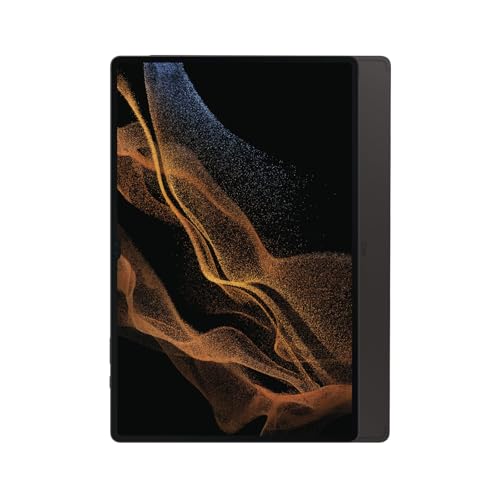
Samsung Galaxy Tab S9

At a glance: 11-inch Dynamic AMOLED 2X display, 2560×1600, 120Hz | Snapdragon 8 Gen 2 | 8GB RAM, 128GB storage | 8,400mAh battery, up to 15 hours of video.
Samsung Galaxy Tab S9 is a tablet with a SIM card slot, with a vivid OLED display. Its headline figures are 11-inch Dynamic AMOLED 2X display, 2560×1600, 120Hz | Snapdragon 8 Gen 2 | 8GB RAM, 128GB storage | 8,400mAh battery, up to 15 hours of video, and on paper that is a sensible balance for the money. What matters in practice is how those parts behave together: the screen you look at, the responsiveness when you switch apps, and whether the battery still has charge left at the end of the day.
What keeps the Samsung Galaxy Tab S9 competitive is a practical set of strengths. Deep-black OLED display with vivid colour and a fast refresh rate. Flagship-class chip that keeps games and heavy apps smooth. And stylus included in the box, ready for notes and sketching. None of these is dramatic on its own, but together they add up to a tablet that is pleasant to live with rather than merely adequate on a spec sheet.
Strengths:
- Deep-black OLED display with vivid colour and a fast refresh rate.
- Flagship-class chip that keeps games and heavy apps smooth.
- Stylus included in the box, ready for notes and sketching.
Trade-offs:
- No headphone jack, so wired listening needs an adapter.
- Flagship speed uses more battery under heavy load.
- Keyboard and case cost extra, so the full kit costs more than the tablet alone.
No tablet at this level is without trade-offs, and the Samsung Galaxy Tab S9 is no exception. No headphone jack, so wired listening needs an adapter. Flagship speed uses more battery under heavy load. And keyboard and case cost extra, so the full kit costs more than the tablet alone. If those limitations clash with how you plan to use the tablet, one of the other picks will serve you better.
Look beyond the headline figures with the Samsung Galaxy Tab S9 and the picture stays consistent: a device built for a particular job, with clear strengths in that job and clear limits outside it. Deep-black OLED display with vivid colour and a fast refresh rate. That focus is exactly why it belongs on this list.
For the right buyer, the Samsung Galaxy Tab S9 is an easy recommendation. Deep-black OLED display with vivid colour and a fast refresh rate. That matters more than any single specification, because it is the quality you notice every time you pick the tablet up. The trade-offs listed above are the cost of that focus, and for the audience this tablet is built for, they are a fair exchange.
Best for: a buyer who wants a fast Android tablet with a vivid screen and a pen in the box
Not suited for: demanding users who need the fastest chip and the most storage
Samsung Galaxy Tab S9 FE
Check price on Amazon: Samsung Galaxy Tab S9

At a glance: 10.9-inch LCD display, 2304×1440, 90Hz | Exynos 1380 | 6GB RAM, 128GB storage | 8,000mAh battery, up to 18 hours of video.
Positioned as a tablet with a SIM card slot, with a pen included in the box, the Samsung Galaxy Tab S9 FE offers 10.9-inch LCD display, 2304×1440, 90Hz | Exynos 1380 | 6GB RAM, 128GB storage | 8,000mAh battery, up to 18 hours of video. Those figures tell only part of the story. A tablet lives or dies on the details that never appear in a headline: how the screen handles glare, how comfortable it is to hold for an hour, and whether the software gets out of your way.
What keeps the Samsung Galaxy Tab S9 FE competitive is a practical set of strengths. Stylus included in the box, ready for notes and sketching. MicroSD slot, so storage can grow cheaply later. And strong built-in speakers that sound fuller than most tablets in this class. None of these is dramatic on its own, but together they add up to a tablet that is pleasant to live with rather than merely adequate on a spec sheet.
Strengths:
- Stylus included in the box, ready for notes and sketching.
- MicroSD slot, so storage can grow cheaply later.
- Strong built-in speakers that sound fuller than most tablets in this class.
Trade-offs:
- LCD panel rather than OLED, so blacks look grey in a dark room.
- No headphone jack, so wired listening needs an adapter.
- Keyboard and case cost extra, so the full kit costs more than the tablet alone.
No tablet at this level is without trade-offs, and the Samsung Galaxy Tab S9 FE is no exception. LCD panel rather than OLED, so blacks look grey in a dark room. No headphone jack, so wired listening needs an adapter. And keyboard and case cost extra, so the full kit costs more than the tablet alone. If those limitations clash with how you plan to use the tablet, one of the other picks will serve you better.
Look beyond the headline figures with the Samsung Galaxy Tab S9 FE and the picture stays consistent: a device built for a particular job, with clear strengths in that job and clear limits outside it. Stylus included in the box, ready for notes and sketching. That focus is exactly why it belongs on this list.
For the right buyer, the Samsung Galaxy Tab S9 FE is an easy recommendation. Stylus included in the box, ready for notes and sketching. That matters more than any single specification, because it is the quality you notice every time you pick the tablet up. The trade-offs listed above are the cost of that focus, and for the audience this tablet is built for, they are a fair exchange.
Best for: a buyer who wants a Samsung tablet with a pen at a mid-range cost
Not suited for: demanding users who need the fastest chip and the most storage
Samsung Galaxy Tab A9+
Check price on Amazon: Samsung Galaxy Tab S9 FE

At a glance: 11-inch LCD display, 1920×1200, 90Hz | Snapdragon 695 | 4GB RAM, 64GB storage | 7,040mAh battery, up to 14 hours of video.
Positioned as a tablet with a SIM card slot, with cellular data, the Samsung Galaxy Tab A9+ offers 11-inch LCD display, 1920×1200, 90Hz | Snapdragon 695 | 4GB RAM, 64GB storage | 7,040mAh battery, up to 14 hours of video. Those figures tell only part of the story. A tablet lives or dies on the details that never appear in a headline: how the screen handles glare, how comfortable it is to hold for an hour, and whether the software gets out of your way.
The case for the Samsung Galaxy Tab A9+ rests on how it handles ordinary days. MicroSD slot, so storage can grow cheaply later. Strong built-in speakers that sound fuller than most tablets in this class. And cellular version available, so it stays online away from wi-fi. That combination is what you notice after a week of use, long after the novelty of a new device has worn off.
Strengths:
- MicroSD slot, so storage can grow cheaply later.
- Strong built-in speakers that sound fuller than most tablets in this class.
- Cellular version available, so it stays online away from Wi-Fi.
Trade-offs:
- LCD panel rather than OLED, so blacks look grey in a dark room.
- Modest memory, so heavy multitasking can slow it down.
- No pen support, so handwriting and drawing need another device.
The compromises are real and worth knowing before you buy. LCD panel rather than OLED, so blacks look grey in a dark room. Modest memory, so heavy multitasking can slow it down. And no pen support, so handwriting and drawing need another device. None of these is necessarily a deal-breaker, but they are the reasons this tablet sits where it does in the ranking rather than higher.
Look beyond the headline figures with the Samsung Galaxy Tab A9+ and the picture stays consistent: a device built for a particular job, with clear strengths in that job and clear limits outside it. MicroSD slot, so storage can grow cheaply later. That focus is exactly why it belongs on this list.
Stepping back, the Samsung Galaxy Tab A9+ makes sense for a buyer who values microsd slot, so storage can grow cheaply later. over outright speed or the newest design. It is not the flashiest tablet on this list, and it does not try to be. Its appeal is narrower and more honest than that: it does one job well, at a cost that leaves room for the accessories that make a tablet genuinely useful.
Best for: a buyer who wants a big, cheap Samsung tablet for video
Not suited for: anyone who handwrites notes every day
Lenovo Tab P11 (2nd Gen)
Check price on Amazon: Samsung Galaxy Tab A9+

At a glance: 11.5-inch LCD display, 2000×1200, 120Hz | MediaTek Helio G99 | 4GB RAM, 64GB storage | 7,700mAh battery, up to 10 hours of video.
The Lenovo Tab P11 (2nd Gen) earns its place here by being a tablet with a SIM card slot, with cellular data. The specification sheet reads 11.5-inch LCD display, 2000×1200, 120Hz | MediaTek Helio G99 | 4GB RAM, 64GB storage | 7,700mAh battery, up to 10 hours of video, which is a fair summary of what you get, but the real question is whether the everyday experience holds up: scrolling, typing, watching video, and switching between apps without stuttering or waiting.
The case for the Lenovo Tab P11 (2nd Gen) rests on how it handles ordinary days. MicroSD slot, so storage can grow cheaply later. Strong built-in speakers that sound fuller than most tablets in this class. And cellular version available, so it stays online away from wi-fi. That combination is what you notice after a week of use, long after the novelty of a new device has worn off.
Strengths:
- MicroSD slot, so storage can grow cheaply later.
- Strong built-in speakers that sound fuller than most tablets in this class.
- Cellular version available, so it stays online away from Wi-Fi.
Trade-offs:
- LCD panel rather than OLED, so blacks look grey in a dark room.
- Modest memory, so heavy multitasking can slow it down.
- Stylus costs extra, so the pen experience adds to the total cost.
The compromises are real and worth knowing before you buy. LCD panel rather than OLED, so blacks look grey in a dark room. Modest memory, so heavy multitasking can slow it down. And stylus costs extra, so the pen experience adds to the total cost. None of these is necessarily a deal-breaker, but they are the reasons this tablet sits where it does in the ranking rather than higher.
Look beyond the headline figures with the Lenovo Tab P11 (2nd Gen) and the picture stays consistent: a device built for a particular job, with clear strengths in that job and clear limits outside it. MicroSD slot, so storage can grow cheaply later. That focus is exactly why it belongs on this list.
For the right buyer, the Lenovo Tab P11 (2nd Gen) is an easy recommendation. MicroSD slot, so storage can grow cheaply later. That matters more than any single specification, because it is the quality you notice every time you pick the tablet up. The trade-offs listed above are the cost of that focus, and for the audience this tablet is built for, they are a fair exchange.
Best for: a buyer who wants a large, cheap Lenovo tablet for films
Not suited for: anyone who multitasks heavily or plays demanding games
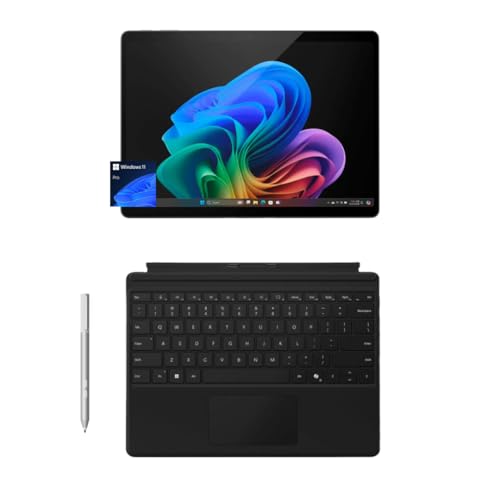
Microsoft Surface Go 4
Check price on Amazon: Lenovo Tab P11 (2nd Gen)

At a glance: 10.5-inch PixelSense display, 1920×1280 | Intel Processor N200 | 8GB RAM, 128GB storage | Up to 12.5 hours of use.
Microsoft Surface Go 4 is a tablet with a SIM card slot, with cellular data. Its headline figures are 10.5-inch PixelSense display, 1920×1280 | Intel Processor N200 | 8GB RAM, 128GB storage | Up to 12.5 hours of use, and on paper that is a sensible balance for the money. What matters in practice is how those parts behave together: the screen you look at, the responsiveness when you switch apps, and whether the battery still has charge left at the end of the day.
The case for the Microsoft Surface Go 4 rests on how it handles ordinary days. Cellular version available, so it stays online away from Wi-Fi. Keyboard support that turns it into a compact laptop. And capable mid-range chip that handles everyday apps and light games well. That combination is what you notice after a week of use, long after the novelty of a new device has worn off.
Strengths:
- Cellular version available, so it stays online away from Wi-Fi.
- Keyboard support that turns it into a compact laptop.
- Capable mid-range chip that handles everyday apps and light games well.
Trade-offs:
- LCD panel rather than OLED, so blacks look grey in a dark room.
- Stylus costs extra, so the pen experience adds to the total cost.
- Windows on a small screen, so touch-first use feels cramped.
The compromises are real and worth knowing before you buy. LCD panel rather than OLED, so blacks look grey in a dark room. Stylus costs extra, so the pen experience adds to the total cost. And windows on a small screen, so touch-first use feels cramped. None of these is necessarily a deal-breaker, but they are the reasons this tablet sits where it does in the ranking rather than higher.
Ownership is where the Microsoft Surface Go 4 either earns its keep or shows its limits. LCD panel rather than OLED, so blacks look grey in a dark room. That is worth weighing against the strengths above, because a tablet you use every day is judged by its worst day, not its best one.
Stepping back, the Microsoft Surface Go 4 makes sense for a buyer who values cellular version available, so it stays online away from wi-fi. over outright speed or the newest design. It is not the flashiest tablet on this list, and it does not try to be. Its appeal is narrower and more honest than that: it does one job well, at a cost that leaves room for the accessories that make a tablet genuinely useful.
Best for: a buyer who wants a small Windows tablet for work
Not suited for: anyone who wants a simple tablet for reading and video
Comparison table
Side by side, the differences between the six picks are easier to judge than from individual listings. The table below uses the headline figures for each model.
| Model | Display | Processor | Memory and storage | Best suited to |
|---|---|---|---|---|
| Apple iPad 10.9-inch (10th Generation) | 10.9-inch Liquid Retina display, 2360×1640 | A14 Bionic | 4GB RAM, 64GB storage | a tablet with a SIM card slot, with cellular data |
| Samsung Galaxy Tab S9 | 11-inch Dynamic AMOLED 2X display, 2560×1600, 120Hz | Snapdragon 8 Gen 2 | 8GB RAM, 128GB storage | a tablet with a SIM card slot, with a vivid OLED display |
| Samsung Galaxy Tab S9 FE | 10.9-inch LCD display, 2304×1440, 90Hz | Exynos 1380 | 6GB RAM, 128GB storage | a tablet with a SIM card slot, with a pen included in the box |
| Samsung Galaxy Tab A9+ | 11-inch LCD display, 1920×1200, 90Hz | Snapdragon 695 | 4GB RAM, 64GB storage | a tablet with a SIM card slot, with cellular data |
| Lenovo Tab P11 (2nd Gen) | 11.5-inch LCD display, 2000×1200, 120Hz | MediaTek Helio G99 | 4GB RAM, 64GB storage | a tablet with a SIM card slot, with cellular data |
| Microsoft Surface Go 4 | 10.5-inch PixelSense display, 1920×1280 | Intel Processor N200 | 8GB RAM, 128GB storage | a tablet with a SIM card slot, with cellular data |
Check price on Amazon: Microsoft Surface Go 4
Buying guide
Connectivity: SIM, Wi-Fi, and ports
Built-in mobile data is the difference between a tablet that works anywhere and one that hunts for Wi-Fi. If you need it, check which mobile bands the tablet supports, whether it takes a physical SIM or an eSIM, and whether the model you are buying is unlocked. For everyone else, Wi-Fi quality and Bluetooth matter more: a tablet that holds a stable connection and pairs cleanly with headphones, keyboards, and pens is simply less frustrating. Ports matter too. USB-C with video output lets a tablet drive an external display, which is a genuine productivity feature, while a headphone jack is still worth having if you use wired audio.
Storage and expansion
Storage is the spec buyers most often underestimate. Apps, cached video, photos, and documents add up, and a tablet that felt roomy on day one can feel cramped within a year. A microSD card slot is the cheapest fix, but not every tablet has one, and cards are slower than built-in storage, so they suit media better than apps. If there is no card slot, buy the larger storage tier. Cloud storage helps, but it needs a connection, and it does not help when you want video available offline on a flight.
Screen: size and quality matter most
Screen size shapes everything else about a tablet. A compact screen is easier to hold for long reading sessions and fits in a small bag, while a larger screen is better for split-screen work, handwriting, and video. Resolution matters too, but only up to a point: once text looks sharp at normal reading distance, extra pixels buy little. What does matter is brightness for outdoor or bright-room use, colour accuracy if you edit photos, and whether the panel handles reflections well. A high refresh rate makes scrolling and handwriting feel smoother, and it is worth having if you write a lot by hand. Glare is the quiet deal-breaker: a glossy screen that mirrors every window will tire your eyes faster than a slightly dimmer matte-friendly panel.
Value: total cost, not sticker cost
The cheapest tablet is not always the cheapest to own. Add the cost of the pen, the keyboard, the case, and any subscription the software pushes you toward, and the ranking can change completely. A tablet that includes the pen and offers years of updates can be better value than a cheaper rival that charges for every accessory and stops getting updates after a year. Think in terms of cost per year of useful life, and buy the tablet you will still be happy with in two years, not just the one that looks good on the day.
Performance: enough is enough
For browsing, video, notes, and office apps, a mid-range chip with enough memory is all you need, and paying for flagship speed buys little you can feel. Where performance does show up is in multitasking, large documents, and games: too little memory means apps reload when you switch between them, and a weak graphics chip stutters in demanding games. Storage is the more common bottleneck. A tablet with limited built-in storage fills up fast once you install apps, download video for offline viewing, and save documents, so a microSD slot or a larger storage tier is worth more than a slightly faster processor for most buyers.
One last point from the buying guide is worth repeating: buy the tablet for the use you actually have, not the use you imagine. A tablet bought for reading that ends up running video calls all day is a different purchase from the one on the box, and the same is true in reverse. If you can, handle the tablet before you buy it, check the return policy, and keep the receipt until you have used it for a full week. The right tablet should feel right on day seven, not just on day one.
Using and looking after your tablet
Keep the screen clean with a soft, dry cloth and avoid harsh cleaners. A screen protector and a case with a raised edge around the display prevent the two most common kinds of damage: scratches from keys in the same bag and cracked corners from short drops. Store the pen in its holder or attached to the tablet so it does not get lost.
Battery care is mostly about habits. Avoid leaving the tablet at full charge in a hot car or on a sunny windowsill, and do not let it sit dead for weeks. A partial charge kept between roughly a fifth and four fifths of capacity is kinder to the battery over years than constant full charges, and most tablets now offer a battery-protection setting worth turning on.
Learn the multitasking gestures for your tablet. Split-screen, floating windows, and quick app switching turn a tablet from a single-task device into a real work tool, and they take an afternoon to learn. Pair a Bluetooth keyboard and mouse if you write long documents; the combination is surprisingly capable.
Set the tablet up properly on day one and it will repay you. Install the updates, sign into your accounts, and set up cloud backup for notes and documents before you have anything to lose. Turn on automatic backups for anything handwritten, because a lost notes database is far harder to replace than a lost app.
Common mistakes to avoid
- Assuming all apps are available: Some tablets run a limited app store, and a specific app you rely on may be missing or behave differently. Check your must-have apps exist before you commit.
- Judging by benchmarks alone: Benchmark scores say little about how a tablet feels in daily use. Screen quality, speaker quality, and software polish matter more than a few points on a synthetic test.
- Choosing the wrong screen size: A screen that is too small makes handwriting and split-screen work cramped, while one that is too large is tiring to hold. Handle the size in a shop if you can, or measure against a book you read comfortably.
- Buying a cellular model you do not need: A tablet with mobile data costs more and needs a data plan. If you are almost always on Wi-Fi, the Wi-Fi-only model is the same tablet for less money.
- Skipping the case: Most cracked tablet screens happen in the first month, before the owner gets around to buying a case. Fit protection on day one; it is the cheapest repair you will ever buy.
Which pick suits which reader
The six picks overlap more than they differ on paper, so the choice comes down to who you are and what the tablet has to do every day. Use the short guide below to narrow the list to two or three, then read those sections in full.
Apple iPad 10.9-inch (10th Generation): best suited to a buyer who wants a simple, reliable iPad for everyday use. Think twice if you are anyone who needs expandable storage.
Samsung Galaxy Tab S9: best suited to a buyer who wants a fast Android tablet with a vivid screen and a pen in the box. Think twice if you are demanding users who need the fastest chip and the most storage.
Samsung Galaxy Tab S9 FE: best suited to a buyer who wants a Samsung tablet with a pen at a mid-range cost. Think twice if you are demanding users who need the fastest chip and the most storage.
Samsung Galaxy Tab A9+: best suited to a buyer who wants a big, cheap Samsung tablet for video. Think twice if you are anyone who handwrites notes every day.
Lenovo Tab P11 (2nd Gen): best suited to a buyer who wants a large, cheap Lenovo tablet for films. Think twice if you are anyone who multitasks heavily or plays demanding games.
Microsoft Surface Go 4: best suited to a buyer who wants a small Windows tablet for work. Think twice if you are anyone who wants a simple tablet for reading and video.
Final recommendation
If you want the best all-round pick here, start with Apple iPad 10.9-inch (10th Generation): it is the choice for buyers who want a simple, reliable iPad for everyday use. Samsung Galaxy Tab S9 is the alternative if you want the fastest tablet here with a SIM slot.
There is no single winner here, because the right tablet depends on the job. If you want the cheapest usable tablet, start at the budget end of the list and check the storage and screen first. If you write by hand every day, the pen experience matters more than the processor. And if the tablet has to work away from Wi-Fi, buy the connected model once rather than regretting the Wi-Fi-only one later. Whichever you choose, buy the storage tier you will still be happy with in two years, fit a case on day one, and check the update promise before you pay.
Frequently asked questions
Which SIM do tablets use?
Most modern tablets take a nano-SIM, and newer models may use an eSIM instead. Check which kind your carrier supports and whether the tablet is unlocked, because a locked tablet only works on one network.
Do I need a data plan for a tablet with a SIM slot?
Yes, if you want to use mobile data. The SIM slot alone does nothing without a plan. Many carriers offer a tablet plan or let you add a tablet to an existing phone plan, so ask your carrier before buying.
Can I use a phone SIM in a tablet?
Usually yes, if the tablet accepts the same SIM size and the plan allows it. Some carriers restrict phone plans to phones, so check the terms. A tablet plan or a data-only SIM is the cleaner option for regular use.
Is 64GB of storage enough?
It depends on how you use the tablet. For browsing, streaming, and light note-taking it can be enough, especially with cloud storage. If you download video for offline viewing, keep large documents, or install many apps, look for 128GB or a microSD slot.
Does screen size matter for reading?
Yes, but in opposite directions. A smaller screen is lighter to hold for long reading sessions, while a larger screen shows more text and suits split-screen work. For pure reading, comfort in the hand matters more than resolution.
How long should a tablet last?
A well-chosen tablet should serve for three to five years. The limiting factors are usually battery wear and the end of software updates rather than raw performance, so buy a model with a good update promise and a battery that comfortably covers your day.
What accessories should I budget for?
At minimum, a case and a screen protector. Add a pen if you handwrite and a keyboard if you type long documents. Buying those with the tablet is usually cheaper than adding them later, and it means the tablet is useful from day one.
Wi-Fi only or cellular?
Choose cellular if you regularly work away from Wi-Fi: commuting, fieldwork, or travel. The tablet costs more and needs a data plan. If you are usually at home, at work, or on campus Wi-Fi, the Wi-Fi model is the same device for less.
Keep reading on GizmoVerdict
best 10 inch sim tablets | best 10 1 inch tablets | best 10 1 samsung tablets