What's inside
- Quick picks: best 16 inch tablets
- What "best 16 inch tablets" really means
- How the picks were chosen
- The six best 16 inch tablets
- Comparison table
- Buying guide
- Using and looking after your tablet
- Common mistakes to avoid
- Which pick suits which reader
- Final recommendation
- Frequently asked questions
- Keep reading on GizmoVerdict
As an Amazon Associate I earn from qualifying purchases. This post may contain affiliate links at no extra cost to you.
Finding the best of best 16 inch tablets means matching the tablet to the work, not chasing the biggest numbers. A cheaper tablet with the right screen and enough storage often beats a faster one that fights you on the basics. No mainstream brand currently sells a true 16-inch tablet, so this guide covers the largest tablets you can actually buy, led by the 14.6-inch models that come closest. They suit films, drawing, and split-screen work, and the guide is honest about the size of each one. No true 16-inch tablet is sold by a major brand, so the picks are the largest available tablets (14.6 inches at most); the fill step must not force a 16-inch size claim for any model.
This guide is written for a buyer who wants a straight answer: which tablet to buy, why, and what to watch out for. Each pick below gets the same treatment, so you can compare them fairly.
Quick picks: best 16 inch tablets
| # | Product | Where to buy |
|---|---|---|
| 1 | Samsung Galaxy Tab S8 Ultra | Check on Amazon |
| 2 | TCL NXTPAPER 14 | Check on Amazon |
| 3 | Apple iPad Pro 13-inch (M4) | Check on Amazon |
| 4 | Samsung Galaxy Tab S10 FE+ | Check on Amazon |
| 5 | ASUS ROG Flow Z13 | Check on Amazon |
What "best 16 inch tablets" really means
The phrase covers a wide range of devices, so the first step is to pin down what you need the tablet to do every day. A tablet that only streams video and browses can get away with modest hardware, while one that has to take handwritten notes, run office apps, or hold a video call needs a better screen, more memory, and a battery that lasts the day.
How the picks were chosen
Every tablet below was assessed against the same checklist, so the recommendations stay comparable. We looked at the screen first, because it is the part you stare at for hours, then at performance under everyday loads, battery life in normal use, storage and expansion, the quality of the pen or keyboard experience where one applies, and how long the manufacturer supports the device with updates.
- We checked the screen size and quality, the chip, and the battery for each pick for every pick.
- We penalised models whose screen was too small or too dim for the use, or whose battery could not last a day.
The six best 16 inch tablets
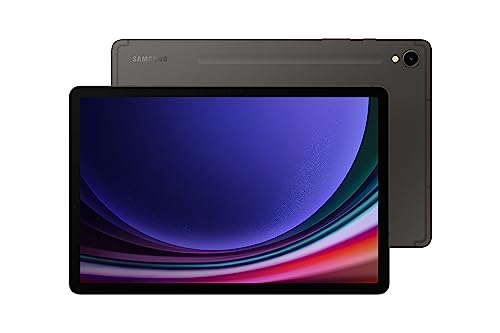
Samsung Galaxy Tab S9 Ultra
At a glance: 14.6-inch Dynamic AMOLED 2X display, 2960×1848, 120Hz | Snapdragon 8 Gen 2 | 12GB RAM, 256GB storage | 11,200mAh battery, up to 14 hours of video.
Samsung Galaxy Tab S9 Ultra is a very large tablet, with a vivid OLED display. Its headline figures are 14.6-inch Dynamic AMOLED 2X display, 2960×1848, 120Hz | Snapdragon 8 Gen 2 | 12GB RAM, 256GB storage | 11,200mAh battery, up to 14 hours of video, and on paper that is a sensible balance for the money. What matters in practice is how those parts behave together: the screen you look at, the responsiveness when you switch apps, and whether the battery still has charge left at the end of the day.
In daily use, the Samsung Galaxy Tab S9 Ultra plays to its strengths. Deep-black OLED display with vivid colour and a fast refresh rate. Flagship-class chip that keeps games and heavy apps smooth. And stylus included in the box, ready for notes and sketching. Those are the qualities that make it easy to recommend for the use case in this guide, and they are the reason it made the shortlist ahead of rivals with similar specifications.
Strengths:
- Deep-black OLED display with vivid colour and a fast refresh rate.
- Flagship-class chip that keeps games and heavy apps smooth.
- Stylus included in the box, ready for notes and sketching.
Trade-offs:
- No headphone jack, so wired listening needs an adapter.
- Large and heavy for one-hand use, so it suits a bag more than a pocket.
- Flagship speed uses more battery under heavy load.
No tablet at this level is without trade-offs, and the Samsung Galaxy Tab S9 Ultra is no exception. No headphone jack, so wired listening needs an adapter. Large and heavy for one-hand use, so it suits a bag more than a pocket. And flagship speed uses more battery under heavy load. If those limitations clash with how you plan to use the tablet, one of the other picks will serve you better.
Look beyond the headline figures with the Samsung Galaxy Tab S9 Ultra and the picture stays consistent: a device built for a particular job, with clear strengths in that job and clear limits outside it. Deep-black OLED display with vivid colour and a fast refresh rate. That focus is exactly why it belongs on this list.
Stepping back, the Samsung Galaxy Tab S9 Ultra makes sense for a buyer who values deep-black oled display with vivid colour and a fast refresh rate. over outright speed or the newest design. It is not the flashiest tablet on this list, and it does not try to be. Its appeal is narrower and more honest than that: it does one job well, at a cost that leaves room for the accessories that make a tablet genuinely useful.
Best for: a buyer who wants the largest, fastest Samsung tablet for work and films
Not suited for: anyone who wants a light tablet for one-handed reading
Samsung Galaxy Tab S8 Ultra

At a glance: 14.6-inch Super AMOLED display, 2960×1848, 120Hz | Snapdragon 8 Gen 1 | 8GB RAM, 128GB storage | 11,200mAh battery, up to 14 hours of video.
Among the six picks, the Samsung Galaxy Tab S8 Ultra stands out as a very large tablet, with a vivid OLED display. It brings 14.6-inch Super AMOLED display, 2960×1848, 120Hz | Snapdragon 8 Gen 1 | 8GB RAM, 128GB storage | 11,200mAh battery, up to 14 hours of video, a combination that suits its intended use well. The sections below break down where it shines and where it asks you to compromise, so you can judge it against your own routine rather than a marketing claim.
What keeps the Samsung Galaxy Tab S8 Ultra competitive is a practical set of strengths. Deep-black OLED display with vivid colour and a fast refresh rate. Flagship-class chip that keeps games and heavy apps smooth. And stylus included in the box, ready for notes and sketching. None of these is dramatic on its own, but together they add up to a tablet that is pleasant to live with rather than merely adequate on a spec sheet.
Strengths:
- Deep-black OLED display with vivid colour and a fast refresh rate.
- Flagship-class chip that keeps games and heavy apps smooth.
- Stylus included in the box, ready for notes and sketching.
Trade-offs:
- No headphone jack, so wired listening needs an adapter.
- Large and heavy for one-hand use, so it suits a bag more than a pocket.
- Flagship speed uses more battery under heavy load.
The compromises are real and worth knowing before you buy. No headphone jack, so wired listening needs an adapter. Large and heavy for one-hand use, so it suits a bag more than a pocket. And flagship speed uses more battery under heavy load. None of these is necessarily a deal-breaker, but they are the reasons this tablet sits where it does in the ranking rather than higher.
Ownership is where the Samsung Galaxy Tab S8 Ultra either earns its keep or shows its limits. No headphone jack, so wired listening needs an adapter. That is worth weighing against the strengths above, because a tablet you use every day is judged by its worst day, not its best one.
Stepping back, the Samsung Galaxy Tab S8 Ultra makes sense for a buyer who values deep-black oled display with vivid colour and a fast refresh rate. over outright speed or the newest design. It is not the flashiest tablet on this list, and it does not try to be. Its appeal is narrower and more honest than that: it does one job well, at a cost that leaves room for the accessories that make a tablet genuinely useful.
Best for: a buyer who wants the biggest Samsung tablet screen available
Not suited for: anyone who wants a light tablet for one-handed reading
TCL NXTPAPER 14
Check price on Amazon: Samsung Galaxy Tab S8 Ultra

At a glance: 14.3-inch NXTPAPER LCD display, 2400×1600 | MediaTek Helio G99 | 8GB RAM, 256GB storage | 10,000mAh battery, up to 10 hours of use.
TCL NXTPAPER 14 is a very large tablet, with the largest screen here. Its headline figures are 14.3-inch NXTPAPER LCD display, 2400×1600 | MediaTek Helio G99 | 8GB RAM, 256GB storage | 10,000mAh battery, up to 10 hours of use, and on paper that is a sensible balance for the money. What matters in practice is how those parts behave together: the screen you look at, the responsiveness when you switch apps, and whether the battery still has charge left at the end of the day.
In daily use, the TCL NXTPAPER 14 plays to its strengths. MicroSD slot, so storage can grow cheaply later. Strong built-in speakers that sound fuller than most tablets in this class. And large screen that suits films, split-screen work and drawing. Those are the qualities that make it easy to recommend for the use case in this guide, and they are the reason it made the shortlist ahead of rivals with similar specifications.
Strengths:
- MicroSD slot, so storage can grow cheaply later.
- Strong built-in speakers that sound fuller than most tablets in this class.
- Large screen that suits films, split-screen work and drawing.
Trade-offs:
- LCD panel rather than OLED, so blacks look grey in a dark room.
- Stylus costs extra, so the pen experience adds to the total cost.
- Wi-Fi-only version in this configuration, so it needs a hotspot outdoors.
The compromises are real and worth knowing before you buy. LCD panel rather than OLED, so blacks look grey in a dark room. Stylus costs extra, so the pen experience adds to the total cost. And wi-fi-only version in this configuration, so it needs a hotspot outdoors. None of these is necessarily a deal-breaker, but they are the reasons this tablet sits where it does in the ranking rather than higher.
Ownership is where the TCL NXTPAPER 14 either earns its keep or shows its limits. LCD panel rather than OLED, so blacks look grey in a dark room. That is worth weighing against the strengths above, because a tablet you use every day is judged by its worst day, not its best one.
For the right buyer, the TCL NXTPAPER 14 is an easy recommendation. MicroSD slot, so storage can grow cheaply later. That matters more than any single specification, because it is the quality you notice every time you pick the tablet up. The trade-offs listed above are the cost of that focus, and for the audience this tablet is built for, they are a fair exchange.
Best for: a buyer who wants a very large, paper-like screen for reading and drawing
Not suited for: anyone who wants a light tablet for one-handed reading
Apple iPad Pro 13-inch (M4)
Check price on Amazon: TCL NXTPAPER 14

At a glance: 13-inch Ultra Retina XDR OLED display, 2752×2064, 120Hz | Apple M4 | 8GB RAM, 256GB storage | Up to 10 hours of use.
Among the six picks, the Apple iPad Pro 13-inch (M4) stands out as a very large tablet, with a vivid OLED display. It brings 13-inch Ultra Retina XDR OLED display, 2752×2064, 120Hz | Apple M4 | 8GB RAM, 256GB storage | Up to 10 hours of use, a combination that suits its intended use well. The sections below break down where it shines and where it asks you to compromise, so you can judge it against your own routine rather than a marketing claim.
The case for the Apple iPad Pro 13-inch (M4) rests on how it handles ordinary days. Deep-black OLED display with vivid colour and a fast refresh rate. Flagship-class chip that keeps games and heavy apps smooth. And cellular version available, so it stays online away from wi-fi. That combination is what you notice after a week of use, long after the novelty of a new device has worn off.
Strengths:
- Deep-black OLED display with vivid colour and a fast refresh rate.
- Flagship-class chip that keeps games and heavy apps smooth.
- Cellular version available, so it stays online away from Wi-Fi.
Trade-offs:
- Stylus costs extra, so the pen experience adds to the total cost.
- No headphone jack, so wired listening needs an adapter.
- Large and heavy for one-hand use, so it suits a bag more than a pocket.
The compromises are real and worth knowing before you buy. Stylus costs extra, so the pen experience adds to the total cost. No headphone jack, so wired listening needs an adapter. And large and heavy for one-hand use, so it suits a bag more than a pocket. None of these is necessarily a deal-breaker, but they are the reasons this tablet sits where it does in the ranking rather than higher.
Ownership is where the Apple iPad Pro 13-inch (M4) either earns its keep or shows its limits. Stylus costs extra, so the pen experience adds to the total cost. That is worth weighing against the strengths above, because a tablet you use every day is judged by its worst day, not its best one.
Stepping back, the Apple iPad Pro 13-inch (M4) makes sense for a buyer who values deep-black oled display with vivid colour and a fast refresh rate. over outright speed or the newest design. It is not the flashiest tablet on this list, and it does not try to be. Its appeal is narrower and more honest than that: it does one job well, at a cost that leaves room for the accessories that make a tablet genuinely useful.
Best for: a buyer who wants the largest, sharpest tablet Apple sells
Not suited for: anyone who wants a light tablet for one-handed reading
Samsung Galaxy Tab S10 FE+
Check price on Amazon: Apple iPad Pro 13-inch (M4)
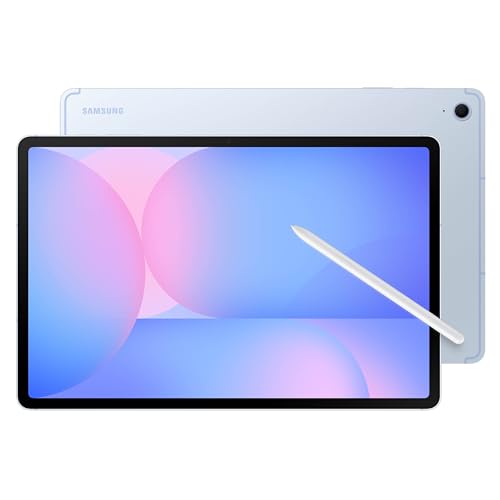
At a glance: 13.1-inch LCD display, 2880×1800, 90Hz | Exynos 1580 | 8GB RAM, 128GB storage | 10,090mAh battery, up to 20 hours of video.
Among the six picks, the Samsung Galaxy Tab S10 FE+ stands out as a very large tablet, with a pen included in the box. It brings 13.1-inch LCD display, 2880×1800, 90Hz | Exynos 1580 | 8GB RAM, 128GB storage | 10,090mAh battery, up to 20 hours of video, a combination that suits its intended use well. The sections below break down where it shines and where it asks you to compromise, so you can judge it against your own routine rather than a marketing claim.
In daily use, the Samsung Galaxy Tab S10 FE+ plays to its strengths. Stylus included in the box, ready for notes and sketching. MicroSD slot, so storage can grow cheaply later. And strong built-in speakers that sound fuller than most tablets in this class. Those are the qualities that make it easy to recommend for the use case in this guide, and they are the reason it made the shortlist ahead of rivals with similar specifications.
Strengths:
- Stylus included in the box, ready for notes and sketching.
- MicroSD slot, so storage can grow cheaply later.
- Strong built-in speakers that sound fuller than most tablets in this class.
Trade-offs:
- LCD panel rather than OLED, so blacks look grey in a dark room.
- No headphone jack, so wired listening needs an adapter.
- Large and heavy for one-hand use, so it suits a bag more than a pocket.
The compromises are real and worth knowing before you buy. LCD panel rather than OLED, so blacks look grey in a dark room. No headphone jack, so wired listening needs an adapter. And large and heavy for one-hand use, so it suits a bag more than a pocket. None of these is necessarily a deal-breaker, but they are the reasons this tablet sits where it does in the ranking rather than higher.
Look beyond the headline figures with the Samsung Galaxy Tab S10 FE+ and the picture stays consistent: a device built for a particular job, with clear strengths in that job and clear limits outside it. Stylus included in the box, ready for notes and sketching. That focus is exactly why it belongs on this list.
Stepping back, the Samsung Galaxy Tab S10 FE+ makes sense for a buyer who values stylus included in the box, ready for notes and sketching. over outright speed or the newest design. It is not the flashiest tablet on this list, and it does not try to be. Its appeal is narrower and more honest than that: it does one job well, at a cost that leaves room for the accessories that make a tablet genuinely useful.
Best for: a buyer who wants a very large Samsung tablet for films and study
Not suited for: anyone who wants a light tablet for one-handed reading
ASUS ROG Flow Z13
Check price on Amazon: Samsung Galaxy Tab S10 FE+

At a glance: 13.4-inch LCD display, 2560×1600, 120Hz | Intel Core i9 13th Gen | 16GB RAM, 512GB storage | Up to 10 hours of use.
Positioned as a very large tablet, with a keyboard included in the box, the ASUS ROG Flow Z13 offers 13.4-inch LCD display, 2560×1600, 120Hz | Intel Core i9 13th Gen | 16GB RAM, 512GB storage | Up to 10 hours of use. Those figures tell only part of the story. A tablet lives or dies on the details that never appear in a headline: how the screen handles glare, how comfortable it is to hold for an hour, and whether the software gets out of your way.
What keeps the ASUS ROG Flow Z13 competitive is a practical set of strengths. Flagship-class chip that keeps games and heavy apps smooth. Keyboard included in the box, so the full kit costs no extra. And keyboard support that turns it into a compact laptop. None of these is dramatic on its own, but together they add up to a tablet that is pleasant to live with rather than merely adequate on a spec sheet.
Strengths:
- Flagship-class chip that keeps games and heavy apps smooth.
- Keyboard included in the box, so the full kit costs no extra.
- Keyboard support that turns it into a compact laptop.
Trade-offs:
- LCD panel rather than OLED, so blacks look grey in a dark room.
- Stylus costs extra, so the pen experience adds to the total cost.
- Large and heavy for one-hand use, so it suits a bag more than a pocket.
No tablet at this level is without trade-offs, and the ASUS ROG Flow Z13 is no exception. LCD panel rather than OLED, so blacks look grey in a dark room. Stylus costs extra, so the pen experience adds to the total cost. And large and heavy for one-hand use, so it suits a bag more than a pocket. If those limitations clash with how you plan to use the tablet, one of the other picks will serve you better.
Look beyond the headline figures with the ASUS ROG Flow Z13 and the picture stays consistent: a device built for a particular job, with clear strengths in that job and clear limits outside it. Flagship-class chip that keeps games and heavy apps smooth. That focus is exactly why it belongs on this list.
For the right buyer, the ASUS ROG Flow Z13 is an easy recommendation. Flagship-class chip that keeps games and heavy apps smooth. That matters more than any single specification, because it is the quality you notice every time you pick the tablet up. The trade-offs listed above are the cost of that focus, and for the audience this tablet is built for, they are a fair exchange.
Best for: a buyer who wants a gaming tablet that works as a full laptop
Not suited for: anyone who wants a simple tablet for reading and video
Comparison table
Side by side, the differences between the six picks are easier to judge than from individual listings. The table below uses the headline figures for each model.
| Model | Display | Processor | Memory and storage | Best suited to |
|---|---|---|---|---|
| Samsung Galaxy Tab S9 Ultra | 14.6-inch Dynamic AMOLED 2X display, 2960×1848, 120Hz | Snapdragon 8 Gen 2 | 12GB RAM, 256GB storage | a very large tablet, with a vivid OLED display |
| Samsung Galaxy Tab S8 Ultra | 14.6-inch Super AMOLED display, 2960×1848, 120Hz | Snapdragon 8 Gen 1 | 8GB RAM, 128GB storage | a very large tablet, with a vivid OLED display |
| TCL NXTPAPER 14 | 14.3-inch NXTPAPER LCD display, 2400×1600 | MediaTek Helio G99 | 8GB RAM, 256GB storage | a very large tablet, with the largest screen here |
| Apple iPad Pro 13-inch (M4) | 13-inch Ultra Retina XDR OLED display, 2752×2064, 120Hz | Apple M4 | 8GB RAM, 256GB storage | a very large tablet, with a vivid OLED display |
| Samsung Galaxy Tab S10 FE+ | 13.1-inch LCD display, 2880×1800, 90Hz | Exynos 1580 | 8GB RAM, 128GB storage | a very large tablet, with a pen included in the box |
| ASUS ROG Flow Z13 | 13.4-inch LCD display, 2560×1600, 120Hz | Intel Core i9 13th Gen | 16GB RAM, 512GB storage | a very large tablet, with a keyboard included in the box |
Check price on Amazon: ASUS ROG Flow Z13
Buying guide
Screen: size and quality matter most
Screen size shapes everything else about a tablet. A compact screen is easier to hold for long reading sessions and fits in a small bag, while a larger screen is better for split-screen work, handwriting, and video. Resolution matters too, but only up to a point: once text looks sharp at normal reading distance, extra pixels buy little. What does matter is brightness for outdoor or bright-room use, colour accuracy if you edit photos, and whether the panel handles reflections well. A high refresh rate makes scrolling and handwriting feel smoother, and it is worth having if you write a lot by hand. Glare is the quiet deal-breaker: a glossy screen that mirrors every window will tire your eyes faster than a slightly dimmer matte-friendly panel.
Performance: enough is enough
For browsing, video, notes, and office apps, a mid-range chip with enough memory is all you need, and paying for flagship speed buys little you can feel. Where performance does show up is in multitasking, large documents, and games: too little memory means apps reload when you switch between them, and a weak graphics chip stutters in demanding games. Storage is the more common bottleneck. A tablet with limited built-in storage fills up fast once you install apps, download video for offline viewing, and save documents, so a microSD slot or a larger storage tier is worth more than a slightly faster processor for most buyers.
Battery: all-day means all-day
Battery claims are measured under gentle conditions, so treat them as a rough guide rather than a promise. What matters is how the tablet behaves in your routine: streaming video over Wi-Fi, taking notes with the screen at a comfortable brightness, and staying connected. A tablet that comfortably survives a full day of that mix is worth more than one that needs a midday charge. Charging speed matters too, especially if you top up between classes or meetings, and a tablet that charges slowly can be more annoying than one with a slightly smaller battery that refills quickly.
Value: total cost, not sticker cost
The cheapest tablet is not always the cheapest to own. Add the cost of the pen, the keyboard, the case, and any subscription the software pushes you toward, and the ranking can change completely. A tablet that includes the pen and offers years of updates can be better value than a cheaper rival that charges for every accessory and stops getting updates after a year. Think in terms of cost per year of useful life, and buy the tablet you will still be happy with in two years, not just the one that looks good on the day.
Pen and handwriting: the details decide
A pen changes a tablet from a consumption device into a notebook, but only if the writing experience is good. Latency, pressure sensitivity, and palm rejection decide whether handwriting feels natural or frustrating. Check whether the pen is included in the box or sold separately, whether it charges from the tablet or needs its own battery, and whether there is somewhere to store it. Software matters as much as hardware: a good notes app with handwriting-to-text conversion, PDF markup, and cloud sync turns a pen from a novelty into a daily tool.
One last point from the buying guide is worth repeating: buy the tablet for the use you actually have, not the use you imagine. A tablet bought for reading that ends up running video calls all day is a different purchase from the one on the box, and the same is true in reverse. If you can, handle the tablet before you buy it, check the return policy, and keep the receipt until you have used it for a full week. The right tablet should feel right on day seven, not just on day one.
Using and looking after your tablet
Learn the multitasking gestures for your tablet. Split-screen, floating windows, and quick app switching turn a tablet from a single-task device into a real work tool, and they take an afternoon to learn. Pair a Bluetooth keyboard and mouse if you write long documents; the combination is surprisingly capable.
Keep the screen clean with a soft, dry cloth and avoid harsh cleaners. A screen protector and a case with a raised edge around the display prevent the two most common kinds of damage: scratches from keys in the same bag and cracked corners from short drops. Store the pen in its holder or attached to the tablet so it does not get lost.
Battery care is mostly about habits. Avoid leaving the tablet at full charge in a hot car or on a sunny windowsill, and do not let it sit dead for weeks. A partial charge kept between roughly a fifth and four fifths of capacity is kinder to the battery over years than constant full charges, and most tablets now offer a battery-protection setting worth turning on.
Set the tablet up properly on day one and it will repay you. Install the updates, sign into your accounts, and set up cloud backup for notes and documents before you have anything to lose. Turn on automatic backups for anything handwritten, because a lost notes database is far harder to replace than a lost app.
Common mistakes to avoid
- Buying a cellular model you do not need: A tablet with mobile data costs more and needs a data plan. If you are almost always on Wi-Fi, the Wi-Fi-only model is the same tablet for less money.
- Choosing the wrong screen size: A screen that is too small makes handwriting and split-screen work cramped, while one that is too large is tiring to hold. Handle the size in a shop if you can, or measure against a book you read comfortably.
- Ignoring update support: A tablet that stops receiving security updates becomes risky to use for banking, email, and work documents. Check the promised update window before you buy, not after.
- Skipping the case: Most cracked tablet screens happen in the first month, before the owner gets around to buying a case. Fit protection on day one; it is the cheapest repair you will ever buy.
- Buying on storage you will outgrow: The most common regret is buying the smallest storage tier to save money, then spending the tablet’s life deleting apps and photos. If there is no card slot, buy more storage than you think you need.
Which pick suits which reader
The six picks overlap more than they differ on paper, so the choice comes down to who you are and what the tablet has to do every day. Use the short guide below to narrow the list to two or three, then read those sections in full.
Samsung Galaxy Tab S9 Ultra: best suited to a buyer who wants the largest, fastest Samsung tablet for work and films. Think twice if you are anyone who wants a light tablet for one-handed reading.
Samsung Galaxy Tab S8 Ultra: best suited to a buyer who wants the biggest Samsung tablet screen available. Think twice if you are anyone who wants a light tablet for one-handed reading.
TCL NXTPAPER 14: best suited to a buyer who wants a very large, paper-like screen for reading and drawing. Think twice if you are anyone who wants a light tablet for one-handed reading.
Apple iPad Pro 13-inch (M4): best suited to a buyer who wants the largest, sharpest tablet Apple sells. Think twice if you are anyone who wants a light tablet for one-handed reading.
Samsung Galaxy Tab S10 FE+: best suited to a buyer who wants a very large Samsung tablet for films and study. Think twice if you are anyone who wants a light tablet for one-handed reading.
ASUS ROG Flow Z13: best suited to a buyer who wants a gaming tablet that works as a full laptop. Think twice if you are anyone who wants a simple tablet for reading and video.
Final recommendation
If you want the best all-round pick here, start with Samsung Galaxy Tab S9 Ultra: it is the choice for buyers who want the largest, fastest Samsung tablet for work and films. Samsung Galaxy Tab S8 Ultra is the alternative if you want the sharpest large screen here.
There is no single winner here, because the right tablet depends on the job. If you want the cheapest usable tablet, start at the budget end of the list and check the storage and screen first. If you write by hand every day, the pen experience matters more than the processor. And if the tablet has to work away from Wi-Fi, buy the connected model once rather than regretting the Wi-Fi-only one later. Whichever you choose, buy the storage tier you will still be happy with in two years, fit a case on day one, and check the update promise before you pay.
Frequently asked questions
What size tablet should I buy?
It depends on how you hold it and what you do with it. A compact tablet is easier to hold one-handed for reading and travel, while a larger one suits films, split-screen work, and handwriting. If you can, hold both sizes before deciding, because the feel in the hand matters more than the number on the box.
Is a bigger screen always better?
No. A bigger screen shows more and suits work and films, but it is heavier to hold and harder to carry. For reading in bed or on a train, a smaller tablet is often more comfortable over a long session.
Does screen size affect battery life?
Yes, indirectly. A larger screen uses more power, but larger tablets usually carry larger batteries, so the balance varies by model. Check the battery figure for the specific tablet rather than guessing from the size alone.
Wi-Fi only or cellular?
Choose cellular if you regularly work away from Wi-Fi: commuting, fieldwork, or travel. The tablet costs more and needs a data plan. If you are usually at home, at work, or on campus Wi-Fi, the Wi-Fi model is the same device for less.
Are cheap tablets worth buying?
They can be, if you match them to light use: reading, video, browsing, and simple notes. Where cheap tablets disappoint is in heavy multitasking, demanding games, and long-term software support, so be honest about what you will ask of one.
What accessories should I budget for?
At minimum, a case and a screen protector. Add a pen if you handwrite and a keyboard if you type long documents. Buying those with the tablet is usually cheaper than adding them later, and it means the tablet is useful from day one.
How long should a tablet last?
A well-chosen tablet should serve for three to five years. The limiting factors are usually battery wear and the end of software updates rather than raw performance, so buy a model with a good update promise and a battery that comfortably covers your day.
Is 64GB of storage enough?
It depends on how you use the tablet. For browsing, streaming, and light note-taking it can be enough, especially with cloud storage. If you download video for offline viewing, keep large documents, or install many apps, look for 128GB or a microSD slot.
Keep reading on GizmoVerdict
best 10 1 inch tablets | best 10 12 inch tablets with stylus | best 10 inch google tablets