Our Top Picks
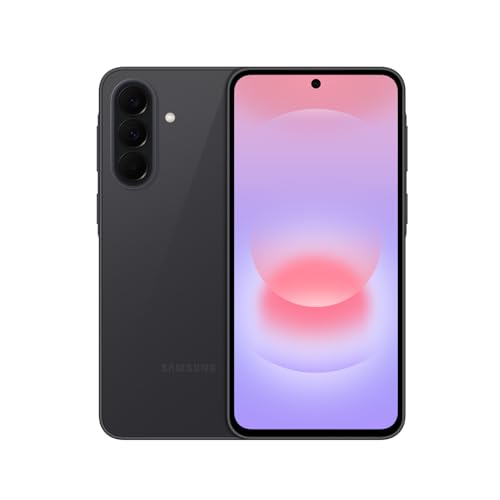
 Rogue R67S Unlocked 4G LTE Smartphone for T-Mobile6.78 x 3.13 x 0.39 inches0.5 poundsCheck on Amazon


What's inside
- One store name, two entirely different ways of buying a phone
- The prepaid counter: what is actually being sold
- The online and marketplace channel: unlocked phones on your own terms
- Network locks: the defining feature of counter phones
- Activation and moving a number: where patience pays
- Returns: a short clock that starts immediately
- Refurbished and pre-owned phones in the Walmart ecosystem
- IMEI and band checks: fifteen minutes that prevent most disasters
- Choosing between the counter and the website: a decision framework
- Plans, airtime cards, and the fine print beside the phones
- What the electronics department can and cannot do
- The counter brands, one by one
- The handsets themselves: what rotates through Walmart shelves
- Activation, step by step, without the usual detours
- Buying for someone else: gifts, children, and parents
- Seasonal surges and stock realities
- Accessories, protection plans, and the second basket
- Vetting a marketplace seller before the phone ships
- When the phone arrives: an inspection routine for online orders
- Troubleshooting the Walmart-specific failure modes
- Keeping the number, the account, and the paperwork aligned
- Switching later: leaving a counter brand gracefully
- Coverage conversations worth having before the purchase
- Phones for work crews, spares, and second lines
- Warranty reality for phones bought both ways
- Data migration: the part of switching nobody budgets time for
- A short glossary for the prepaid aisle
- The bottom line for Walmart phone shoppers
- Check prices on Amazon
- One more scenario: replacing a broken phone under time pressure
As an Amazon Associate I earn from qualifying purchases. This post may contain affiliate links at no extra cost to you.
A note on how this page is funded: some links here are affiliate links, so a purchase made through them may pay this publication a small referral fee. The fee comes from the seller’s margin, never from an added charge to the buyer, and sellers cannot pay to soften the warnings about locks, return windows, or compatibility that follow.
One store name, two entirely different ways of buying a phone
Walmart sells Android phones through two systems that share shelf signage and a website while operating on different rules. The first is the prepaid counter inside physical stores, where handsets arrive in carrier-branded packaging, tied to a specific wireless brand, and sold alongside plan cards and activation help from the electronics department. The second is the online catalogue, where factory unlocked phones are listed beside marketplace offerings from third-party sellers, shipped to a home or a store locker, and expected to work with a SIM the buyer supplies.
Confusing those two systems is the root of most Walmart phone regret. A shopper who picks a prepaid handset expecting unlocked freedom discovers a network lock at the worst moment, usually while trying to move a number. A shopper who orders an unlocked phone online expecting counter-style help discovers that activation is a self-service exercise. Neither phone is defective; each was bought under the other system’s assumptions. Everything in this guide exists to keep those assumptions straight before money changes hands.
Price tags, promotions, and plan bundles shift constantly in both systems, so this guide deliberately discusses structure rather than figures: which locks apply, how unlocking works, what the return clock looks like, and how to verify a specific handset. Those structural facts change slowly and decide satisfaction long after a promotional discount is forgotten. Readers building a wider shortlist can also browse best affordable android phones for the general budget landscape that Walmart’s shelves draw from.
The prepaid counter: what is actually being sold
The phones at the in-store prepaid counter are best understood as service starters rather than standalone hardware. Each box belongs to a wireless brand, includes that brand’s SIM, and is priced and promoted around activation on that brand’s plans. The handset subsidy logic of the old contract era survives here in a softer form: the device is inexpensive partly because the carrier expects the buyer to become a paying subscriber, and the network lock is the mechanism that protects that expectation.
Stock at the counter favours recognisable names and fast turnover. Samsung and Motorola models dominate many locations, joined by the carrier brands’ own-label devices and seasonal additions. Selection varies by store in a way the website does not always mirror, because local shelves reflect local buying patterns. A model shown as available online for pickup may still require a trip or a wait, and a model on the shelf may never appear online at all. Shoppers with a specific handset in mind should treat store inventory displays as a guide rather than a promise.
The wireless brands on the rack
Straight Talk is the largest name at the counter, selling plans that ride on major national networks and phones packaged for its own activation system. Total by Verizon, as its name announces, runs on Verizon’s network and targets households with multi-line prepaid arrangements. Walmart Family Mobile is the retailer’s own-associated brand, historically T-Mobile-based, pitched at families adding lines under one account. Tracfone serves light users with pay-as-you-go style plans and long service windows. Simple Mobile leans toward urban prepaid customers on T-Mobile infrastructure, and Boost Mobile competes aggressively for switchers with promotional plan offers. Each brand is a separate account, a separate activation flow, and a separate unlock policy in practice, even when the phones sit inches apart.
That separation matters during support calls. Walmart staff can help locate stock and complete a sale, but account problems belong to the brand on the box. A Straight Talk activation failure is Straight Talk’s queue; a Total by Verizon porting problem is that brand’s queue. Keeping the packaging, the SIM card numbers, and the receipt together until the line has worked for several days makes those conversations dramatically shorter.
The online and marketplace channel: unlocked phones on your own terms
Online, Walmart’s role shifts from carrier partner to marketplace host. Factory unlocked Android phones appear from familiar manufacturers and smaller brands, some sold and shipped by Walmart itself and others by independent marketplace sellers using Walmart’s storefront. The distinction is printed on the listing and matters for returns, warranty handling, and delivery reliability. A phone sold by Walmart follows Walmart’s return process; a marketplace purchase may route through the seller’s own policies within the marketplace framework.
The unlocked route suits buyers who already have a plan they like, who travel, or who resent asking permission to change carriers. It demands more of the buyer: band verification, IMEI awareness, and self-managed setup. In exchange it removes the lock question almost entirely, because a genuinely factory unlocked phone accepts any compatible SIM from the day it arrives. Shoppers comparing that route broadly should read best affordable android phones unlocked alongside the listings, since the same models often appear in both places under slightly different names.
Marketplace listings require a slower read than counter boxes. The seller name, the stated condition, the exact model number, and the return terms all sit on the page, and skipping any of them invites the classic disappointments of online phone buying: a regional variant with the wrong bands, a carrier model described loosely as unlocked, or a refurbished unit graded more generously in prose than its screen deserves. The sections below give each of those risks its own examination.
Network locks: the defining feature of counter phones
A locked phone refuses SIM cards from other carriers until its brand releases it. Counter phones from every brand named in this guide are sold locked, and the lock is a software control tied to the device’s IMEI rather than a physical restriction. Until release, the handset and the brand are a package deal, regardless of how the hardware might perform elsewhere. Buyers who understand that from the start can treat the lock as a known term of a cheap phone; buyers who learn it during a move experience it as a betrayal, which is why it leads this guide’s practical sections.
Unlocking policies across the prepaid industry share a common skeleton, with brand-specific flesh. The typical pattern requires the phone to have been active on the selling brand for a defined period of paid service, commonly structured around a year of use for many prepaid policies, with the account in good standing and the device not reported lost, stolen, or associated with fraud. Some brands have modernised toward automatic unlocking once the service requirement is met, sometimes signalled by a text message; others still require a call or an online request. The only version that counts is the current published policy of the specific brand, read before purchase if an eventual unlock is part of the plan.
- Buy the phone and the plan from the same brand, and keep that brand’s account active.
- Keep receipts and the box, which carry the IMEI and activation details support staff will request.
- Note the activation date somewhere durable; unlock eligibility is counted from service, not from the shopping trip alone.
- Ask for the unlock before porting the number away, because eligibility is judged while the account exists.
- After release, test with another carrier’s SIM before declaring success or cancelling anything.
Phones bought for immediate use on a different network should never be counter phones, full stop. No clerk’s optimism and no internet forum anecdote overrides a lock, and the service-period requirement means there is no legitimate shortcut available on day one. That scenario is precisely what the unlocked online channel exists for.
Activation and moving a number: where patience pays
Activation at the prepaid counter follows a ritual: choose the brand, choose the plan, provide the phone’s identifiers, and either take a new number or port an existing one. Porting deserves respect because it is the step where small errors cause big delays. A port requires the account number and transfer PIN or password from the losing carrier, the name and address exactly as that carrier holds them, and an existing line that stays active until the move completes. Cancelling the old service first is the classic unforced error; a cancelled number cannot be ported, and recovering one is rarely possible.
Transfers between prepaid brands can take longer than the optimistic estimates quoted at counters, particularly when the losing and gaining brands share underlying network parents or when account details mismatch by a single digit. During the wait, phones often sit in a mixed state where calls leave on one service and arrive on the other. Keeping the old SIM within reach until incoming calls, outgoing calls, texts, group messages, and mobile data have all been observed working on the new line is the discipline that separates smooth switchers from people who lose a day to support queues.
Number transfers also interact with two-factor authentication in ways shoppers forget. Banking and email accounts that text codes to the number will hiccup if the port stalls, so a prudent switcher ports early in a day, avoids Fridays before holiday weekends, and keeps a logged-in session on critical accounts until the number settles. None of this is difficult; all of it is easier planned than improvised.
Returns: a short clock that starts immediately
Electronics returns at Walmart run on a shorter fuse than general merchandise, and mobile phones sit in that tighter category, with the return window for phones measured in days rather than months under the retailer’s published policy. The practical meaning is blunt: a phone bought to try out is a phone on a deadline. The buyer should activate promptly, use the handset in the places life actually happens, and decide quickly, because a phone that sits in its box for a fortnight while its owner deliberates may age out of easy return eligibility before it is ever switched on.
Prepaid specifics complicate returns further. Opened plan cards and applied airtime are generally not refundable even when the hardware is, and activation fees or first-month service paid at the counter may follow the carrier brand’s rules rather than the store’s. A return conversation therefore has two halves: the device, which the store handles, and the service, which the brand handles. Buyers should ask, before paying, exactly which parts of the bundle come back if the phone goes back, and keep every receipt and card until the answer no longer matters.
Marketplace purchases add a third variation. Condition disputes, restocking practices, and return shipping can follow the seller’s terms, and the listing’s return statement is part of the product being bought. A slightly higher price from a seller with a clear, generous return policy is often the better purchase for a phone, because phones are unusually likely to reveal a mismatch — a band, a size, a camera — only after a day of real use.
Refurbished and pre-owned phones in the Walmart ecosystem
Refurbished Android phones appear online in quantity, and the word covers a spectrum from manufacturer-refreshed units with fresh batteries and warranties to lightly cleaned trade-ins graded by appearance alone. The listing should state who refurbished the device, what the warranty is, what accessories are included, and what cosmetic grade means in that seller’s vocabulary. Silence on any of those points is information too, and it points toward caution.
Battery health is the central refurbished question, because it is invisible in photographs and decisive in daily life. A two-year-old phone with a worn battery can be a worse purchase than a humbler new model, even with a faster processor, because its best hours are behind it and sealed designs make replacement a repair bill rather than a spare part. Buyers should favour refurbished stock with a stated battery standard or a warranty long enough to discover a weak cell, and should test endurance during the return window rather than after it.
Refurbished carrier phones carry the lock question in a second-hand form. A used Straight Talk or Tracfone handset may still be locked, may have partial service history toward an unlock, or may be released already, and only an IMEI check with the brand can say which. Sellers’ descriptions of used phones as unlocked are claims to verify, not facts to bank a number port on.
IMEI and band checks: fifteen minutes that prevent most disasters
The IMEI is the phone’s identity number, printed on the box, shown in settings, and retrievable by dialling the standard IMEI display code on the handset. Every carrier brand offers a compatibility or eligibility checker that consumes this number, and running it before a purchase — or inside the return window for an online order — answers three questions at once: whether the device is blocked as lost or stolen, whether its model is accepted on that network, and whether a lock still binds it to another brand.
Band checking is the IMEI’s partner discipline for unlocked purchases. A phone destined for T-Mobile-based service wants LTE bands 2, 4, 12, 66, and 71; a phone for Verizon-based service such as Total by Verizon must satisfy that network’s stricter acceptance, which is where an IMEI checker earns its keep most visibly; AT&T-based service adds its own approved-device expectations. Regional variants are the trap here, because a model name sold in several markets can carry different radios in each, and the listing photograph will look identical either way. The full model number from the manufacturer’s specification page, matched against the carrier’s published bands, is the only reliable route.
Shoppers eyeing a handset for T-Mobile-based plans in particular can compare candidates in best 250 00 t mobile android phones, and those weighing memory configurations across the budget shelf will find best 3gb ram android phones useful for judging what entry-level RAM means in daily use. Both comparisons matter at Walmart precisely because the shelf mixes generations and variants that look alike at arm’s length.
Choosing between the counter and the website: a decision framework
Start with the line, not the phone. A buyer who needs a number working today, values face-to-face help, and is content to stay with one prepaid brand for the unlock period is well served by the counter, where the bundle is coherent and the first month is handled in one transaction. A buyer who already holds a plan, travels, resells phones, or swaps carriers chasing coverage is buying freedom and should pay for it in the unlocked channel, accepting the self-service setup as the price of that freedom.
Then consider the user. A phone for a relative who will call support at the first oddity benefits from the counter’s single-brand simplicity: one number to ring, one account, one store that recognises the box. A phone for a confident teenager or a travelling worker benefits from unlocked flexibility and a protective case bought in the same order. Neither answer is the sophisticated one in the abstract; each is sophisticated relative to the household it serves.
Finally, consider time horizons. Counter phones reward staying; their economics improve the longer the line remains, because the lock period passes and the handset becomes genuinely portable. Unlocked phones reward leaving; their premium buys the right to change networks the week a better plan or a new job’s coverage map demands it. A buyer who knows which of those futures is likelier has effectively chosen a channel already.
Plans, airtime cards, and the fine print beside the phones
The wall of plan cards beside the counter is a menu of different promises wearing similar packaging. Unlimited labels coexist with hotspot caps, video resolution limits, and deprioritisation thresholds that apply when towers are busy. Two plans with near-identical headlines can behave very differently for a household that streams through a hotspot or a driver who navigates and listens all day. The card backs and the brands’ websites carry those terms, and five minutes with them prevents the common error of choosing a phone carefully and a plan carelessly.
Auto-pay arrangements deserve a mention because they interact with unlocking and with budgeting alike. Service that lapses for non-payment can complicate an unlock timeline that counts active service, and a household relying on a counter phone as its only connection should treat the renewal date with the seriousness of a utility bill. Many brands send reminders by text; enabling them, and keeping a backup payment method on the account, protects both the number and the unlock clock ticking quietly behind it.
What the electronics department can and cannot do
Store staff occupy a specific role: they sell devices and plans, scan activation barcodes, and perform the in-store steps the brands delegate to the retailer. They are not the carrier’s network support desk, and expecting them to resolve porting disputes, unlock exceptions, or account billing errors sets both sides up for frustration. The fastest route for account matters is the brand’s own support line, armed with the receipt, the SIM numbers, and the phone’s IMEI.
That division of labour also shapes where to buy which phone. A shopper who anticipates needing help should value the counter’s coherent bundle, while remembering that the help on offer is sales and activation help. A shopper buying online should confirm, before ordering, which warranty door they will knock on if the screen fails in month three: the manufacturer’s, the marketplace seller’s, or an optional protection plan bought at checkout. Protection plans themselves merit a sober read; for an inexpensive phone, the plan’s cost relative to a replacement handset sometimes argues for self-insuring and keeping the difference.
The counter brands, one by one
Straight Talk
Straight Talk is the brand most Walmart phone shoppers meet first, and its pitch is breadth: a wide shelf of handsets, plans pitched at heavy data users, and service riding on major-network infrastructure. Its phones are packaged for Straight Talk activation and locked to it under the brand’s unlock policy, which follows the industry pattern of a sustained active-service requirement. Households choosing Straight Talk should decide at purchase whether they are genuinely settling in, because the handset’s value outside the brand only unlocks after that service commitment has been honoured.
Total by Verizon
Total by Verizon sells the strength of its parent network to prepaid households, with multi-line arrangements aimed at families who would once have signed a postpaid contract. Its handsets face Verizon’s comparatively strict device environment, which cuts both ways: phones bought for Total are built for that network’s demands, while phones brought from elsewhere must pass its acceptance checks. Buyers attracted by rural Verizon coverage should still verify local performance with a borrowed phone or a coverage conversation with neighbours, because a brand’s national map and a particular valley’s reality can differ.
Walmart Family Mobile
Walmart Family Mobile wraps the retailer’s name around prepaid service aimed squarely at households adding several lines under one payer. Its phones live at the counter with the others and follow the same locked-until-eligible logic. The brand’s appeal is administrative as much as technical: one account view for a family’s lines, bought in the same store where the family already shops. Shoppers should confirm the underlying network for the current plans on offer, since brand arrangements have changed over the years and yesterday’s assumption may not describe today’s SIM.
Tracfone
Tracfone is the veteran of American prepaid, built for light and patient users: people who keep a phone for emergencies, who measure service in long validity windows, and who replace handsets rarely. Its counter phones are typically modest, which suits its audience, and its unlock policy again follows the active-service pattern. A Tracfone handset makes an excellent glovebox or grandparent phone provided the household understands that its plan structure rewards frugality rather than streaming marathons.
Simple Mobile and Boost Mobile
Simple Mobile courts city prepaid customers with straightforward plans on T-Mobile infrastructure and a shelf presence in many of the same stores. Boost Mobile competes as the scrappy switcher brand, frequently leading with promotional offers for customers bringing a number across. Both sell locked handsets under their own policies, and both illustrate why the brand on the box, not the store above the door, governs activation, support, and unlocking. A shopper choosing between them is really choosing plan terms and network fit; the phones at this tier are close cousins.
The handsets themselves: what rotates through Walmart shelves
Across both channels, the Android range resolves into three broad bands of hardware. Entry models handle calls, messaging, maps, and video at modest resolutions, and they dominate the counter because prepaid economics favour them. Mid-range models add better screens, more memory, and cameras that cope with indoor light, and they are where most households find the balance that lasts three years. Occasional upper-tier models appear online and in larger stores, usually as last-generation flagships or carrier variants, and they reward the IMEI discipline described earlier because their listings attract the loosest descriptions.
Storage and memory deserve the same scepticism at Walmart as anywhere else. A phone whose applications stutter because memory is tight will feel old within a year regardless of its screen size, and internal storage fills with photographs and application data at a rate that surprises first-time smartphone owners. Where two versions of a model sit side by side, the one with more memory is usually the purchase that ages gracefully, while the cheaper twin becomes the family’s next complaint.
5G has filtered down through both channels, but the label needs the same band literacy as any unlocked purchase. A counter phone’s 5G is provisioned for its brand’s network by design, which simplifies life. An online 5G phone must match the buyer’s carrier bands, and a variant built for another region can carry 5G hardware that is useless domestically while still displaying the badge proudly in its listing title.
Activation, step by step, without the usual detours
A calm activation begins before the box is opened. The buyer gathers the phone, the SIM included in the packaging, the plan card or first month purchased at the till, and — for a port — the old carrier’s account number, transfer PIN, and the old phone still powered on. Photographing the box’s identifiers with another device takes ten seconds and preserves numbers that support staff request in nearly every troubleshooting conversation.
The brand’s activation route, whether a website, an automated phone line, or counter assistance, then binds the SIM, the handset, and the plan together. New numbers usually come alive quickly. Ports proceed at the losing carrier’s pace, and the wise buyer schedules them when the number is not needed for a job interview, a medical callback, or a travel day. Once the line registers, the verification sequence is unglamorous and essential: an outgoing call, an incoming call from another phone, a plain text, a group text, a photograph message, and a web page loaded on mobile data with Wi-Fi off. Each passed check closes a category of later surprise.
Only after that sequence should the old service be allowed to lapse and the old handset be reset or traded. Buyers who reverse the order — wiping first, verifying later — occasionally discover that a two-factor code or a porting detail lived only on the wiped device. The old phone is a lifeboat until the new one has demonstrably floated in every kind of weather the household cares about.
Buying for someone else: gifts, children, and parents
Phones are frequent gifts, and Walmart’s counter is built for that traffic, but a gifted prepaid phone carries homework for the recipient: activation deadlines, plan choices, and a return clock that started at purchase, not at the birthday. A giver should either activate the line in advance with the recipient’s involvement or choose the unlocked online route and accept that setup becomes a shared afternoon. Wrapping a locked counter phone for a recipient who lives on another carrier’s coverage is the single most common well-meant mistake in this entire category.
For children, the counter’s economics are attractive and the controls conversation matters more than the handset. Android’s family management tools, content settings, and the carrier brand’s own line controls should be configured before the phone leaves the kitchen table, and the household should agree on what happens when — not if — the first screen cracks. For parents and grandparents, the gift should include the setup itself: contacts transferred, font sizes enlarged, emergency information entered, and a written note of the brand, the number, and the renewal rhythm kept somewhere findable.
Seasonal surges and stock realities
Walmart phone shelves breathe with the retail calendar. Holiday periods bring aggressive promotions, crowded electronics departments, and fast-moving stock; back-to-school weeks pull entry models for students; tax-refund season historically lifts prepaid sales as households replace ageing handsets. None of that changes the structural advice in this guide, but it changes tactics: during surges, activation queues lengthen, the exact model on a list may vanish by evening, and the temptation to accept a substitute variant grows. The IMEI and band checks matter most precisely when the store is busiest and the shopper is most hurried.
Clearance tags deserve a specific caution. A discounted previous-generation counter phone can be a fine purchase for its brand’s loyalist, but clearance sometimes signals a model approaching the end of its software support or a brand arrangement in transition. The buyer should ask the same questions of a clearance handset as of a full-price one, with extra attention to its Android version and its unlock path, because a bargain that cannot be unlocked on schedule or updated at all is a bargain with an expiry date printed in invisible ink.
Accessories, protection plans, and the second basket
The accessories wall beside the phones is not an afterthought; for a device carried everywhere, a case and screen protection are the highest-value items in the whole transaction after the handset itself. Fit must match the exact model and generation, since camera islands and button placements shift between releases of phones with near-identical names. Counter staff can confirm fit against the box in hand, one of the genuine advantages of buying in person.
Chargers and cables merit a glance as well, because many modern handsets ship with minimal box contents. A household replacing an older phone may find its drawer of cables belongs to a retired connector standard. Buying the right cable during the same trip, rather than discovering the mismatch at midnight, is a small mercy. Protection plans, by contrast, deserve arithmetic rather than impulse: compare the plan’s total cost and deductible against the price of simply replacing an entry handset, and let that comparison, not the queue’s momentum, decide.
Vetting a marketplace seller before the phone ships
Marketplace buying rewards the reader who treats a listing as a document rather than an advertisement. The seller’s name and history on the platform, the stated condition category, the warranty language, and the return terms form a single picture; strength in one area does not excuse silence in another. A listing that names the full model number, states whether the handset is factory unlocked or carrier released, and describes battery and cosmetic condition in plain terms is signalling the habits of a seller who expects scrutiny and welcomes it.
Photographs deserve a sceptical eye. Stock images show what the model looks like, not what the individual unit looks like, and for refurbished purchases the difference is the entire transaction. Sellers who photograph actual units, including the screen lit and the ports and corners visible, are demonstrating the condition they describe. Where photographs and prose disagree, believe the photographs, and where either is missing, price the risk accordingly or walk to the next listing.
Delivery method carries its own quiet risk. A phone shipped to a home should arrive to a person or a secure location, because a handset on a doorstep is both valuable and small. Store pickup, where offered, removes that exposure and adds a human checkpoint: the box can be opened, the model number compared with the order, and an obvious mismatch raised while the transaction is still warm. For higher-value online purchases, that checkpoint alone can justify choosing pickup over delivery.
When the phone arrives: an inspection routine for online orders
An online handset should be inspected the way a careful buyer inspects a used car: methodically, promptly, and before the paperwork is filed away. Compare the model number on the box and in the settings against the order. Check the IMEI in settings against the box label, because a mismatch complicates warranty and carrier checks alike. Insert the intended SIM early, even if the full transfer is planned for the weekend, because discovering a lock or a band problem inside the return window is a nuisance, while discovering it afterwards is an expense.
The screen should be examined on plain light and dark backgrounds for dead areas or uneven backlight, the cameras opened front and back, the charging port used rather than merely looked at, and a call placed to judge the earpiece and microphone. Refurbished units add battery observation to that list: a phone that sheds charge dramatically during a light first day is announcing its refurbishment standard more honestly than its listing did. Every one of these checks fits inside a single evening, and together they convert the return window from a formality into a genuine safeguard.
Troubleshooting the Walmart-specific failure modes
Certain problems recur so reliably in this ecosystem that naming them saves households hours. A counter phone that works for data but not calls after activation usually needs the brand’s support to finish provisioning voice services on the line, and repeated SIM reseating will not substitute for that call. A ported number that receives calls on the old phone and sends them from the new one is mid-transfer, not broken, and the remedy is time plus keeping both handsets charged and nearby.
An online phone showing strong signal but no data on a new carrier usually carries the wrong access point settings for that carrier, a fix measured in minutes once the correct published values are entered. An online phone showing no signal at all in a house where other phones on the same carrier work fine is telling a band or variant story, and the model number investigation described earlier becomes urgent while returns remain possible. A refurbished phone that randomly restarts under light use is not settling in; it is failing, and the return window is the place to resolve it, not a factory reset performed in hope.
Keeping the number, the account, and the paperwork aligned
Prepaid households change phones more casually than contract households, and that casualness creates a characteristic tangle: a number registered to one email, a brand account under another, a handset whose box was discarded, and a support call that stalls on identity questions. The antidote is a single household note, kept with important papers, recording the brand, the number, the account holder’s details as the brand holds them, the handset’s model and IMEI, and the activation date that starts the unlock clock.
That note also protects the number itself, which for many people is now the key to banking, medical, and government accounts. Losing a prepaid number through a lapsed account is a disproportionate disaster relative to the small renewal that would have prevented it. Households should know their brand’s grace rules for expired service, set renewal reminders before rather than after the deadline, and treat any brand migration as a deliberate project with the porting discipline described earlier, never as an impulse at a crowded counter.
Switching later: leaving a counter brand gracefully
Every counter purchase contains a future departure, whether that is an unlock after the service period, an upgrade to a newer handset on the same brand, or a port to a rival whose coverage improved. Departures go smoothly when they are prepared in the order the systems demand. First, confirm the unlock status while the account is active and the brand can still see the handset’s history. Second, obtain the account number and transfer PIN from the current brand before approaching the new one. Third, start the new service and verify it completely. Only then allow the old account to close, because a closed account converts simple requests into archaeology.
Upgrading within a brand is gentler but not automatic. The new handset activates on the existing line, the old handset’s unlock clock is its own affair, and balances or plan features generally follow the account rather than the device. Households sometimes assume the old phone becomes unlocked when replaced; it does not, unless it independently met the policy terms. Keeping the old phone as a Wi-Fi device or completing its unlock before gifting it avoids passing a locked surprise to a relative.
Coverage conversations worth having before the purchase
No specification sheet answers the most local question of all: whether the chosen brand’s network works in the buyer’s kitchen, workplace, and commute. Walmart’s national footprint means the same counter sells T-Mobile-based service to a Manhattan shopper and a Montana shopper with equal cheer, while their experiences will diverge completely. The reliable evidence is social and specific: coworkers on the same network in the same building, neighbours on the same brand in the same street, a family member’s phone borrowed for an evening at home.
Online coverage maps start the conversation but cannot finish it, because they model terrain and towers rather than the metal roof, the basement office, or the particular hollow in a rural road where signal dies. A buyer with genuine doubt should exploit the return window deliberately, activating promptly and carrying the phone through a normal week’s geography before the clock runs out. That is not abusing a returns policy; it is using the policy for exactly the uncertainty it exists to absorb.
Phones for work crews, spares, and second lines
A meaningful slice of Walmart phone sales never becomes anyone’s main handset. Delivery and trades businesses buy counter phones as crew devices, parents buy them as spares against the inevitable loss of a teenager’s primary phone, and households keep a cheap activated handset for visitors or emergencies. These roles reward the counter’s virtues — immediate availability, coherent activation, modest commitment — and forgive its lock, because a spare that lives on the same brand’s cheapest plan does not need to roam across carriers.
Second-line duty has its own pattern. A seller who wants a public number for marketplace listings, a landlord fielding tenant calls, or a coach separating team messages from family ones can run a counter phone as a dedicated line with its own voicemail and its own silence hours. The physical separation of a second handset beats dual-account juggling for many people, and the prepaid structure keeps the experiment reversible: if the second line proves unnecessary, the household simply lets the plan lapse at term rather than negotiating out of a contract.
Warranty reality for phones bought both ways
Manufacturer warranties follow the handset regardless of channel, but the experience of claiming differs. A counter phone’s problem in its first days is usually solved by exchange at the store within the return window, which is the fastest warranty ever devised. Beyond that window, the brand and the manufacturer divide responsibilities: network and account faults belong to the brand, hardware faults to the maker’s service process, and the owner shuttles between them unless the diagnosis is clear. Keeping the purchase receipt, which anchors the warranty start, is worth a photograph and a folder.
Marketplace refurbished phones sit at the other end of the spectrum, where the seller’s stated warranty may be the only coverage that matters and the manufacturer’s original warranty may have expired with the first owner. That is not a reason to avoid refurbished stock; it is a reason to price it honestly, favour sellers whose warranty terms are written plainly, and run the inspection routine while both the return window and the warranty are unquestionably alive.
Data migration: the part of switching nobody budgets time for
Moving photographs, messages, contacts, and application accounts consumes more of a phone change than activation ever does, and Walmart shoppers changing handsets in a hurry routinely underestimate it. Cloud backups should be confirmed complete on the old phone before the new one is activated, ideally the night before, on Wi-Fi and on charge. Messaging histories, authenticator applications, and banking sign-ins each have their own transfer behaviour, and the authenticator deserves special reverence: losing it can lock an owner out of accounts far more important than the phone itself.
The counter cannot perform this migration as a standard service, and the online channel obviously cannot either, so the household’s own hour of patience is the plan. A sensible order of operations keeps the old handset alive and signed in until the new one demonstrably holds the photographs, signs into the bank, receives a verification code, and places a call. At that point the old phone can be reset, traded, gifted, or retired to a drawer as a spare, in the comfortable knowledge that nothing essential left with it.
A short glossary for the prepaid aisle
- Locked: the handset accepts only its selling brand’s SIM until released under that brand’s policy.
- Factory unlocked: the handset was sold free of carrier locks and accepts any compatible SIM.
- Porting: moving an existing number between carriers, requiring the losing account’s number and transfer PIN.
- IMEI: the handset’s unique identity number, used for compatibility, lock, and lost-or-stolen checks.
- MVNO: a brand selling service on another company’s network, which is what most counter brands are.
- Deprioritisation: slower data during congestion for some prepaid plans, set by plan terms rather than the phone.
- Refurbished: a previously owned handset cleaned, repaired, or graded for resale, with quality set by whoever did the work.
Those seven terms decode nearly every sign, box, and listing in both Walmart channels. A shopper who can use them in a sentence can interrogate any offer in the store: asking whether a phone is locked or factory unlocked, what its porting requirements are, and who stands behind a refurbished unit separates the two systems more reliably than any price comparison.
The bottom line for Walmart phone shoppers
Walmart is neither a trap nor a shortcut; it is two honest systems sharing a roof, each excellent for the buyer it was designed for. The counter delivers a working line today, with help at hand, in exchange for loyalty measured by an unlock policy. The website delivers freedom and variety, in exchange for homework measured in band lists and IMEI checks. Dissatisfaction enters only when a buyer pays one system’s price while expecting the other system’s terms.
Decide which system fits the household, read the brand’s unlock and return terms before the till, verify the handset’s identity and radios while the return window is open, and keep the paperwork until the line has survived an ordinary week — do that, and a Walmart phone stops being a gamble and becomes simply the place the family buys its phones.
Check prices on Amazon
Live listings for the shortlist in this guide are pulled from Amazon below, so prices and availability are always current at the moment you look.


One more scenario: replacing a broken phone under time pressure
The most pressured Walmart phone purchase happens on the worst day: a handset drowned, crushed, or lost while its owner is midweek, mid-job, or mid-journey. Under that pressure the counter earns its existence, because a working line can be restored within the hour, contacts and all, provided the account details for the existing brand are reachable. The discipline that saves the day was created months earlier: a cloud backup that actually ran, an account password the owner can produce, and a household note with the brand and number recorded outside the dead phone.
Time pressure is also when variant mistakes happen, so the emergency buyer should still pause for the two checks that take under five minutes: confirm the replacement is the intended brand and model at the till, and place a test call before leaving the car park. A phone discovered to be wrong at home costs a second trip on a day that has already gone badly enough. And when the crisis passes, the emergency purchase should be reviewed calmly — plan renewed, backup verified, unlock date noted — so that one broken screen does not quietly become three years on the wrong terms.
Shop the channel that matches the life the phone will lead, and Walmart’s sprawling phone business resolves into a simple, workable choice.
There is a quieter version of that emergency worth planning for as well: the phone that belongs to an elderly parent in another town, reported silent by a worried neighbour. A household that knows the brand, the store where the handset was bought, and the account details can restore that line with a single support call and a replacement handset sent or collected the same day, while a household reconstructing those facts from memory loses days to verification questions. Prepaid phones are often bought precisely for relatives in that situation, and the five minutes spent recording the details at purchase is the real product being bought — the handset is almost incidental. Keep the note current when numbers or brands change, share its location with one trusted family member, and the sprawling, confusing, two-system Walmart phone aisle becomes a resource the whole family can use with confidence rather than a puzzle each person must solve alone at the worst possible moment.
Students heading to a first term away from home form one more group the aisle serves well, and their needs split neatly along this guide’s central divide. A student staying near home on a family-arranged prepaid brand can take the counter route, activate in an afternoon, and rely on a parent’s familiarity with the account when something goes wrong. A student moving across the country, into a city where the home brand’s coverage is an unknown, is better served by an unlocked handset that can change networks after the first month of lectures reveals which carrier actually reaches the dormitory, the library basement, and the train home. Either way, the decision made calmly in the store, with the coverage question asked out loud, beats the decision remade in a panic from a campus bench in October.
So walk into Walmart knowing which of its two phone businesses you are visiting, carry the questions about locks, bands, and return clocks with you, and the right handset will be the one still making sense long after the receipt has faded.
One closing habit ties every thread in this guide together: photograph the receipt, the box labels, and the completed settings screens, and store those photographs somewhere other than the new phone itself. If the handset is lost in its first month, those images reconstruct the purchase for warranty, insurance, and carrier conversations in minutes. If it serves for years, they become the record a future buyer, relative, or support agent needs. It is a two-minute ritual at the end of a long decision, and it is the cheapest protection in the entire transaction.


