Our Top Picks
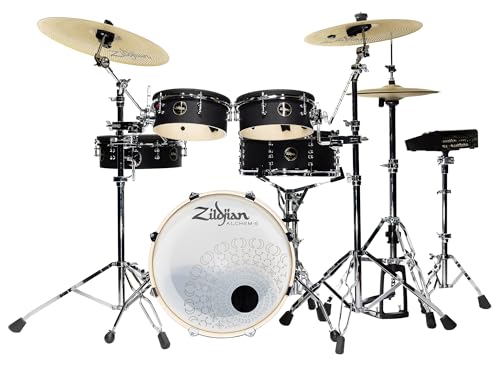
 Alesis Nitro Ultimate Zildjian Edition Electric Drum SetNitro Ultimate Zildjian Edition40 x 50 x 48 inches46.9 poundsCheck on Amazon
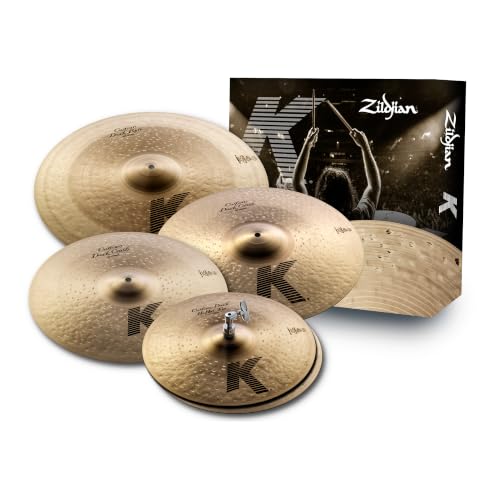
 Zildjian ZP4PK Planet Z Complete 14/16/20-Inch Cymbal Pack14'' pair, 16'', 20''25.6 x 25.2 x 4.5 inches14.2 poundsCheck on Amazon


What's inside
- What a Listing Means by a Zildjian Drum Set
- Cymbal Alloys: The Ladder From B8 to B20
- How Alloy and Hammering Change Sound
- Shell Woods and Ply Construction
- Rock Versus Fusion Size Configurations
- Bundle Hardware: Where the Corners Are Cut
- Bundle Versus Buying Cymbals Separately
- Checking Used Zildjian Cymbals Before Buying
- Heads, Tuning, and the Sound a Bundle Hides
- Who Each Tier Suits
- Cymbal Care, Cleaning, and Longevity
- Sticks, Bags, and the Accessories Bundles Include or Omit
- Recording and Playing With Others: The Bundle in Context
- Expansion Paths: Growing a Bundle Without Replacing It
- Check prices on Amazon
- A Decision Sequence That Works
As an Amazon Associate I earn from qualifying purchases. This post may contain affiliate links at no extra cost to you.
A drum set bundled with Zildjian cymbals sounds like a single product, yet it is really three purchases wearing one box: a shell pack, a cymbal set, and the hardware that holds both off the floor. Each of those three parts ages at a different speed, sounds different from room to room, and holds its value by different rules. A kit that looks balanced in a catalogue photograph can turn out to be strong shells paired with entry-level cymbals, or excellent cymbals perched on stands that wobble under a firm hit. This guide separates the bundle into its components and judges each one on published specifications: cymbal alloy and hammering, shell wood and ply construction, drum sizes, and the stands, throne, and pedal that listings tend to describe in the smallest print.
This guide is reader-funded: when a purchase follows a link to the retailer, a portion of that sale supports the research behind guides like this one, at no extra cost to the buyer and with no influence on which bundles our research recommends or criticises.
Zildjian’s name carries weight in these bundles because the company is the oldest and most widely recognised cymbal maker in the modern kit era, and because its product families form a clear ladder from sheet-bronze starter sets to cast professional lines with centuries of alloy heritage behind them. That ladder is the key to reading any bundle honestly. The same brand badge appears on cymbals made from quite different alloys, formed by quite different processes, aimed at quite different players. Knowing which family a bundle includes, and what that family’s specifications actually promise, tells a buyer more than the size of the logo on the bass drum head.
What a Listing Means by a Zildjian Drum Set
Zildjian does not manufacture complete drum kits. The company makes cymbals, drumsticks, and accessories, while the drums in a so-called Zildjian drum set come from a drum maker whose shell pack has been paired, by a retailer or distributor, with a Zildjian cymbal pack and usually a hardware pack. This arrangement is normal and often sensible, but it means the bundle has no single manufacturer standing behind the whole instrument. Warranty terms, spare parts, and quality control differ between the shells, the cymbals, and the stands, and the listing’s fine print, not its headline, reveals which maker covers what.
Listings assemble these bundles in several recurring patterns. The most complete pattern pairs a five-piece shell pack with a cymbal set containing hi-hats, a crash, and a ride, plus stands for each cymbal, a snare stand, a hi-hat stand, a bass drum pedal, and a throne. A leaner pattern supplies shells and cymbals but expects the buyer to provide hardware. A third pattern, common in starter packages, includes everything down to sticks and a tuning key. Each pattern can be fair value; the danger lies in comparing a complete package against a shells-and-cymbals package as though they were the same offer, because the missing hardware in the leaner deal represents a substantial second purchase waiting offstage.
Terminology needs care. A shell pack means drums only: bass drum, toms, floor tom, and usually a snare drum, with tom mounts but no stands. A kit or set in bundle language usually means shells plus hardware. A cymbal pack means a boxed set of cymbals chosen to work together, typically hi-hats, one or two crashes, and a ride, sometimes with a bonus effect cymbal or a bag. When a listing says a bundle includes a Zildjian cymbal pack, the exact pack name matters enormously, because the distance between the entry-level and professional packs is the distance between different instruments, not between trim levels of one instrument.
Our research reads these listings from the bottom up: first the cymbal pack’s family name, then the shell specification, then the hardware list item by item. Headline language about artist heritage or legendary sound applies to the brand generally and says nothing about the specific alloy in the box. The sections below follow that same bottom-up order, beginning with cymbals, because cymbals are the component a bundle buyer can least afford to misunderstand and the component least improved by later adjustment. A drum can be re-headed, re-tuned, and muffled into a new personality. A cymbal is the sound it was cast, hammered, and lathed to be.
Cymbal Alloys: The Ladder From B8 to B20
Cymbal bronze is described by a shorthand that counts tin content. B8 alloy contains roughly eight percent tin in copper; B12 contains roughly twelve percent; B20, the classic cymbal alloy, contains roughly twenty percent. The numbers are not quality scores in themselves, but they correlate strongly with how a cymbal can be made and how it tends to sound, because higher-tin bronze can be cast, rolled, and hammered into thinner, more complex instruments, while lower-tin sheet bronze is stamped and shaped from rolled blanks with tighter limits on profile and hammering.
Planet Z and the I Family: Sheet Bronze Starting Points
At the foot of the ladder sit Zildjian’s sheet bronze families, Planet Z and the I Family, both made from B8-class sheet material. Planet Z cymbals are the classic starter instruments: bright, cutting, and durable, with a focused sound that survives beginner dynamics and rehearsal-room abuse. The I Family, named for the Turkish city associated with the company’s origins, refined the formula with updated hammering and lathing for a somewhat warmer, more musical response while remaining firmly in the accessible tier. Spec sheets for both lines emphasise durability and projection, which is honest positioning: these are cymbals designed to be learned on, gigged cautiously, and eventually outgrown rather than collected.
Their sound character follows from the alloy and the forming process. Sheet bronze cymbals tend toward brightness and a narrower dynamic range: played softly they can sound reluctant, played firmly they open quickly into a brash, direct wash. For a beginner building basic coordination, that directness is almost a feature, because strokes register clearly. For recording or for quieter musical settings, the same directness becomes the ceiling that prompts an upgrade. Bundle buyers should therefore treat Planet Z or I Family cymbals as a deliberate first chapter, excellent for learning, priced within the bundle accordingly, and not mistake their presence for professional equipment merely because the logo matches the professional lines.
The S Family: B12 as the Middle Rung
The S Family occupies the middle of the ladder and is built from B12 alloy, a step up in tin content that allows more extensive hammering and a more complex profile. Zildjian’s documentation for the line stresses versatility: weights and sizes chosen to cross genres, with crashes that speak quickly, rides with defined stick articulation over a controlled wash, and hi-hats voiced to sit between the brightness of sheet bronze and the darkness of the cast lines. In bundle terms, an S Family pack lifts the whole offer into a category a developing player can keep for years, through lessons, school ensembles, and first serious bands, without the cymbals becoming the obvious weak link.
The practical difference shows most clearly in dynamics. B12 instruments respond at lower striking velocities, so ghost strokes, soft comping, and dynamic shading become available in a way sheet bronze discourages. They also blend better within the set itself, because the additional hammering evens out the harsh overtones that make entry-level crashes glare against a ride. A bundle pairing mid-level shells with S Family cymbals is often the most coherent combination in the entire market segment: neither component embarrasses the other, and both can be upgraded individually later.
A and K Lines: Cast B20 and the Professional Standard
The A Zildjian and K Zildjian families are cast from B20 bronze, the alloy the company has used for its professional instruments for generations. Casting matters because each cymbal begins as an individual ingot that is rolled, shaped, hammered, and lathed, producing the wide variation in character that drummers describe as complexity: a shimmering wash under a clear stick definition, crashes that bloom rather than bark, hi-hats that can whisper or bite depending on foot pressure and strike position. The A line voices that alloy brightly and classically, the sound of countless recordings across rock, pop, and jazz. The K line voices it darker and drier, with more complex hammering, lower profiles, and a smoky character favoured where warmth and subtlety outrank cut.
Bundles including genuine A or K cymbal packs are uncommon at starter level and appear mostly in premium packages or retailer-assembled combinations aimed at advancing players. When they do appear, they invert the usual bundle logic: the cymbals become the component most likely to be kept for a career, and the shells become the part a player might later upgrade around them. Buyers comparing such a bundle against buying separately should weigh that longevity heavily, because a cast B20 set bought once can outlast several shell packs, several hardware generations, and several changes of musical direction.
How Alloy and Hammering Change Sound
Alloy sets the raw material’s potential; hammering and lathing realise it. Hammering work-hardens the bronze unevenly across the cymbal’s surface, creating the tension patterns that govern how vibrations spread from the strike point. Dense, irregular hammering, characteristic of the K line and of many hand-finished instruments, breaks the wash into a darker, more complex shimmer and shortens sustain. Regular, symmetrical hammering, typical of machine-finished lines, yields a cleaner, brighter, more predictable response. Neither is objectively superior: a loud rock drummer may need the clean cut of a regular profile precisely because a dark, complex crash would disappear under amplified guitars.
Lathing, the grooves cut into the surface as the cymbal spins, controls the final brightness and feel under the stick. Deep, wide lathing opens the sound and gives the stick a sense of grip and definition; fine or partial lathing keeps the surface smoother, drier, and faster-decaying. Unlathed or partially lathed designs, which appear in earthier ranges, trade shimmer for dryness and are chosen deliberately for effect rather than as a compromise. When spec sheets describe a finish as traditional, brilliant, or raw, they are describing these surface decisions, and a brilliant finish’s polished grooves will sound measurably brighter than the same model in a traditional finish.
Weight completes the picture. Within any model line, thinner cymbals respond faster, open at lower volumes, and decay sooner; heavier cymbals project further, sustain longer, and demand firmer playing. Bundle packs choose weights for broad appeal, usually medium ranges that offend nobody, which is sensible for a first set and limiting for a specialist. A jazz player who needs a ride that crashes gracefully and a metal player who needs one that never washes out are both poorly served by the same medium ride, and both should read bundle cymbal weights as a genre signal, not merely a size list.
Size interacts with weight in predictable ways. Larger crashes speak more slowly and lower in pitch; smaller crashes are quicker, higher, and easier to control in small rooms. Larger rides offer more surface for varied stick positions and a bigger bell; smaller rides are tighter and drier. Hi-hat diameter changes foot feel and chick definition as much as open wash. These relationships hold across alloy tiers, which is why an advancing player often changes sizes before changing families: the alloy ladder governs character, while size and weight govern behaviour in a particular room and genre.
For related listening and amplification decisions, players comparing small speakers for practice spaces may find best 10 guitar speakers helpful background, since the same room that flatters or punishes a bright cymbal also shapes how any amplified instrument is heard alongside the kit.
Shell Woods and Ply Construction
If cymbals are a bundle’s voice, shells are its accent. The wood or wood blend in a shell, its ply count and thickness, its bearing edges, and its hardware together determine the drum’s pitch range, attack, and sustain. Manufacturer spec sheets state the headline material plainly, poplar, birch, maple, or a blend, and the honest reading of those words requires knowing what each wood tends to do and what blends are quietly doing underneath the badge.
Poplar and Mahogany Blends
Poplar is the classic entry and mid-level shell wood: light, workable, and warm-sounding, with a soft attack and a naturally short sustain that keeps beginner kits sounding tidy even before their owners master tuning. Many starter and intermediate shells described as mahogany are in fact blends, often poplar or other core plies with mahogany-family outer plies or mahogany-type woods from several botanical sources. True African mahogany has a long drum-making history and a rich low-mid character; the blended shells that borrow its name deliver part of that warmth at accessible cost, with the core wood doing much of the structural work. Listings that name a blend honestly are a good sign; listings that trumpet mahogany without stating ply composition deserve a closer read of the specification table.
Birch
Birch shells are associated with attack and clarity. The wood’s density emphasises higher frequencies and a focused fundamental, which made birch kits studio favourites in decades when engineers wanted drums that recorded with minimal coaxing. In a bundle context, birch shells tend to flatter players in amplified bands, because the kit cuts through without needing extreme tuning or heavy muffling. Birch also exposes sloppy tuning faster than warmer woods, since its clarity leaves nowhere for an uneven head to hide, so a birch bundle suits a buyer willing to learn tuning as part of learning drumming.
Maple
Maple is the benchmark shell wood of professional kits: balanced across the frequency range, warm without softness, articulate without harshness, and responsive across a wide tuning range. North American rock maple in multiple plies is the specification behind many flagship lines, and its presence in a bundle signals an offer aimed at serious players. Maple’s versatility is its defining trait; the same shells can be tuned low and fat for rock, medium and open for pop, or high and crisp for funk, which is why maple kits anchor so many backline and studio inventories. A bundle pairing maple shells with cast B20 cymbals is the complete professional proposition, and a bundle pairing maple shells with sheet bronze cymbals is an imbalance a buyer should notice and price accordingly in their judgement.
Ply Counts, Thickness, and Edges
Ply count alone does not rank a shell. Thin shells, often four to six plies with reinforcement rings in some designs, resonate freely, sing at lower tunings, and respond sensitively at low volumes. Thick shells, eight to ten plies or more, project strongly, focus the tone, and favour higher tunings and louder settings. What matters is the match between construction and purpose, plus the quality of the bearing edge, the rim where shell meets head. Edge profiles are rarely headline features in bundle listings, yet a clean, even edge tunes easily and stays in tune, while a rough edge defeats good heads and good technique alike. Spec sheets that state ply count, shell thickness, and edge type give buyers real information; sheets that state only a wood name and a finish colour are asking to be judged on photography.
Snare drums deserve separate attention within any shell discussion, because bundle snares vary more than bundle toms. A wood snare matching the kit’s shells gives a cohesive, warm backbeat. A metal snare, steel or aluminium in many mid-level packages, gives a brighter crack and wider tuning range. Depth and diameter shape the voice as much as material. Buyers who play one dominant genre should check the bundled snare’s specification as carefully as the cymbals, because the snare is the drum heard most often in any style.
Rock Versus Fusion Size Configurations
Bundle shell packs cluster into two classic configurations whose names describe their tom sizes and, by extension, their intended music. Rock configurations typically run larger toms, commonly a twelve and a thirteen over a sixteen floor tom in traditional setups, or a ten and twelve over sixteen in modern rock variants, with a twenty-two-inch bass drum as the anchor. Fusion configurations run smaller: ten, twelve, and fourteen-inch toms with a twenty-inch bass drum is the archetype, tuned higher and voiced for clarity and speed. The labels are conventions rather than laws, and manufacturers vary them, so the diameters in the specification always outrank the name on the box.
The playing differences are physical. Larger toms tune lower without losing tone, produce more volume per stroke, and space their pitches widely, which suits slower, heavier patterns. Smaller toms tune higher, articulate faster figures cleanly, sit closer together ergonomically, and leave more room around the kit, which suits busy playing, smaller stages, and smaller rooms. Bass drum diameter and depth set the kit’s foundation: larger drums give a deeper, slower-speaking thump with more headroom for loud music; smaller drums give punch, speed, and easier transport, and they amplify beautifully when volume is needed.
Room size should influence the choice as much as genre loyalty. A rock configuration in a small practice room spends its life muffled and played apologetically, while a fusion configuration can be played naturally in the same space and still sound like itself. Conversely, an unamplified fusion kit in a large hall may struggle to fill the room’s low end. Bundle buyers practising at home, recording in project studios, or playing small venues often get more music from the smaller configuration than genre marketing suggests, while buyers joining loud bands with rehearsal space to match will use every inch of the larger one.
Ergonomics follow size in ways beginners rarely anticipate. Larger, deeper toms mounted over a large bass drum sit high and angled, which can force a raised, reaching posture for shorter players and for children, the very players many bundles are bought for. Shallower modern tom depths and smaller fusion diameters let the whole kit sit lower and flatter, encouraging relaxed technique. A bundle that a young player cannot set up comfortably will be played less, whatever its specification promises, so diameter and depth figures deserve the same attention as wood and alloy.
Live sound reinforces these trade-offs at larger venues, where kits are amplified through systems of the kind compared in best 12 active pa speakers; a configuration that sounds balanced acoustically will also present a balanced set of signals to whoever is mixing, which is one more reason to choose sizes for the room and the music rather than for the label.
Bundle Hardware: Where the Corners Are Cut
Hardware is the least glamorous part of a bundle and the part most likely to fail first. Stands hold expensive cymbals above hard floors; the hi-hat stand and bass drum pedal are moving instruments in their own right, played by the feet on every note; the throne supports the player’s posture for hours. Listings describe hardware with reassuring adjectives and few specifications, so buyers need a checklist of concrete features to look for in the documentation: tube diameter and leg design, single or double bracing, the presence of memory locks, pedal drive type, and throne seat construction and height range.
Stands and Hi-Hat Stand
Double-braced legs, in which each leg is formed from two parallel struts, resist tipping and flex better than single-braced designs, at the cost of weight. For cymbal stands that will be set up and torn down weekly, that stability is worth carrying. Tube diameter matters similarly: heavier-gauge tubing flexes less under a large ride cymbal’s sway. The hi-hat stand deserves the closest look of all, because its clutch, spring tension, and pedal action shape the left foot’s entire vocabulary. A stand with adjustable spring tension and a secure, well-machined clutch will serve for years; a vague-feeling hi-hat stand makes tight foot work and crisp chick sounds needlessly difficult and is one of the most common quiet disappointments in starter bundles.
Bass Drum Pedal
The bundled pedal is frequently the weakest single component in an otherwise decent package. Chain drive is the expected standard, with a stable footboard, an adjustable spring, and a beater whose angle can be set independently. Pedals below that standard feel spongy, drift in their settings, and can slow a developing player’s foot technique by teaching compensation rather than control. Because pedals are relatively self-contained purchases, a mediocre bundled pedal is not a reason to reject an otherwise strong bundle, but it is a reason to plan an early, targeted upgrade and to value bundles whose makers bothered to include a respectable one.
Throne
Thrones are treated as packing material in too many bundles: a thin, small, wobbling seat on a spindle that slips. This is a false economy with physical consequences, because an unstable seat undermines balance, posture, and endurance, and drummers practise less when sitting hurts. A throne worth keeping has a thick, firm cushion of reasonable diameter, a threaded spindle or similarly positive height lock, and legs that do not rock on a flat floor. Spec sheets occasionally list seat dimensions and height ranges; where they do not, the throne’s weight in the shipping specification is an imperfect but real clue, since substantial thrones are rarely light.
The pattern across all hardware is the same. Bundles cut corners where listings are vaguest: thinner tubes, simpler pedals, lighter thrones, and mounting hardware with fewer adjustments. None of these economies appears in the headline, and all of them appear within the first year of playing. A buyer who reads the hardware list item by item, and mentally replaces the weakest piece, understands a bundle’s true shape far better than a buyer who stops at the cymbal family and shell wood. Hardware also has a long memory in resale and in practice rooms: good stands move from kit to kit across a drummer’s life, which is why experienced players speak of buying hardware once and buying it well.
Smaller practice and teaching spaces raise a related point about monitoring and playback, and the compact options surveyed in best 10 inch pa speakers illustrate how room size shapes equipment choices just as it shapes drum sizes and cymbal weights.
Bundle Versus Buying Cymbals Separately
The case for a bundle is coherence and simplicity. A cymbal pack is voiced to work as a set, so the hi-hats, crash, and ride arrive in compatible weights and characters, and the buyer avoids the classic beginner error of assembling individually exciting cymbals that fight each other. A bundle also collapses a dozen decisions into one, arrives in one delivery, and typically represents a saving relative to the combined cost of its components bought new, because pack pricing rewards buying the family together. For a first kit, or a return to drumming after years away, that simplicity has genuine musical value: the player starts playing sooner and learns on a balanced instrument.
The case for buying separately grows stronger with experience and with specificity. A player who knows they need a dark ride, a fast crash, and dry hi-hats will not find that exact combination in any standard pack, because packs are voiced for the broad middle of taste. Separate buying also allows staggered investment: strong hi-hats now, since they are played constantly; a ride next; crashes as funds allow. It opens the used market, where professional cymbals circulate widely and where a patient buyer can assemble a cast B20 set piece by piece for the relative outlay of a new mid-level pack. Relative value is the right frame throughout this comparison, because the meaningful question is never which route costs a particular sum, but which route delivers more years of suitable sound for a given level of spending.
Bundles also hide an imbalance problem that separate buying avoids. A package’s appeal is set by its most famous component, and sellers know that a recognised cymbal badge draws the eye. The result can be a bundle whose cymbals outclass its hardware by two tiers, or whose shells outclass its cymbals, with the weaker component quietly limiting the whole. Reading a bundle as three separate purchases, and asking whether each third would be chosen on its own merits, exposes the imbalance immediately. If two thirds pass that test and one fails narrowly, the bundle may still be the right buy with an upgrade planned. If the cymbals themselves fail it, no saving on stands will rescue the deal, because cymbals define the ceiling of the entire instrument’s sound.
There is also a growth argument. Drum kits are modular across a lifetime: shells change with genre, hardware accumulates, and cymbals, once a player finds voices they love, tend to stay. A bundle bought at the sheet-bronze tier will likely be replaced wholesale as a player develops, which is acceptable when the player’s commitment is still uncertain. A bundle bought at the S Family tier, or a separate-buying path that reaches cast B20 early, gives the player components that survive later upgrades, so later spending builds on earlier spending instead of replacing it. The cheapest kit, in the long view, is often the one bought at the tier the player will still respect in five years, provided the commitment to playing is real.
Retail context matters too. Seasonal packages, educational bundles for schools, and retailer-exclusive combinations can shift relative value significantly, and the specification discipline in this guide applies to all of them equally: identify the cymbal family, the shell construction, and the hardware list, and compare like with like. A bundle that names everything is competing on substance. A bundle that names only the brand and the number of pieces is competing on photography, and photography is the one specification no drummer has ever played.
Checking Used Zildjian Cymbals Before Buying
The used market is where many players reach cast B20 instruments, and Zildjian cymbals hold value well enough that careful inspection matters. A used cymbal can be a lifetime instrument or a cracked disc weeks from failure, and the difference is visible to a buyer who knows where to look. Inspection needs good light, a slow rotation of the cymbal in the hands, and attention to three classic danger zones: the centre hole, the edge, and the bell.
Keyholing at the Centre Hole
Keyholing is the elongation of the centre hole from round to oval or keyhole-shaped, caused by years of the cymbal resting directly on a stand’s threaded rod without a proper sleeve, so that metal wears metal with every sway. Mild keyholing is common on older instruments and mainly signals careless mounting; it can be stabilised by always using sleeves and felts afterwards. Severe keyholing, where the hole has worn toward the bell’s edge or the surrounding metal is thin and distorted, weakens the cymbal at its most stressed point and can progress into cracking. Buyers should sight down the hole’s rim, feel for thinness, and treat advanced keyholing as a structural defect rather than a cosmetic quirk, however charming the cymbal’s patina may be.
Edge Cracks, Dings, and Flea Bites
Edge damage is the most consequential flaw in a used cymbal. Small dents and tiny chips, often called flea bites, are common on working instruments and usually stable, though each one is a potential starting point for a crack. True cracks are disqualifying unless the price and the buyer’s intentions treat the cymbal as a short-lived effect: cracks grow under playing, they buzz and sizzle audibly, and repair by drilling or cutting shortens the cymbal’s life rather than restoring it. The reliable check is tactile as much as visual: run a fingertip slowly around the edge and along the grooves near it, because hairline cracks catch a nail before they catch an eye, and flex the cymbal gently while watching the edge in raking light. Any crack at the edge, and any crack radiating from the centre hole, should end the negotiation for a buyer seeking a durable instrument.
Dating by Logo and Stamp Eras
Zildjian’s long history means used cymbals span many manufacturing eras, and the logo and stamp details help date them. Trademark stamps pressed into the metal changed in size, wording, and detail across decades, from the early twentieth-century stamps through the mid-century marks associated with many prized jazz instruments, to later laser-etched logos and printed ink logos of recent decades. Ink logos wear away with cleaning and playing, so their absence proves little, while the pressed stamp endures and is the more reliable witness. Reference catalogues and collector documentation map these stamp variations to approximate periods, letting a buyer distinguish a genuinely older cast instrument from a modern one with artificial patina, and letting sellers’ era claims be checked rather than merely believed.
Dating matters for sound expectations as much as for authenticity. Production methods, hammering styles, and weight norms shifted across eras, so two cymbals carrying the same model name from different decades can behave quite differently. Older instruments are often thinner for their size, with the responsiveness and fragility that implies. A buyer assembling a set from used pieces should therefore listen, where possible, for compatibility rather than collecting eras, and should be wary of any listing that uses vintage language while showing only a modern laser-etched logo in its photographs.
Beyond the three danger zones, a general inspection covers warping, by spinning the cymbal on a stand and watching the edge’s plane; cracks around the bell, where mounting stress concentrates; and heavy cleaning or polishing, which can thin lathing grooves and brighten a cymbal away from its original voice while also removing the logos that help identify it. Patina itself is harmless and many players value it. The used cymbal to want is the honest one: played, unpolished, uncracked, with a round hole and a story its stamp can confirm.
Heads, Tuning, and the Sound a Bundle Hides
No bundle discussion is complete without heads, because the heads fitted at the factory are chosen for durability and appearance in a showroom, and they conceal much of what the shells can do. A mid-level shell pack with fresh, well-chosen heads and patient tuning can sound startlingly close to a premium pack wearing tired stock heads, which is why experienced players budget head replacement into any bundle purchase and why beginners should not judge a kit’s ceiling in its first week. Batter heads on toms and bass drum, a quality snare batter, and eventually a resonant-side refresh transform attack, sustain, and tuning range more cheaply than any other change available to a drummer.
Tuning is a skill with a method, not a talent. Even tension at each lug, checked by tapping near the lug and matching pitches, seats the head and clears the drum’s fundamental. The relationship between batter and resonant heads then sets pitch bend and sustain: matched tensions give a pure, long note; a resonant head tuned higher shortens and brightens; lower lengthens and darkens. Drums in bundle kits obey the same physics as flagship drums, and a player who learns methodical tuning on poplar shells carries the skill intact to maple ones, which is another reason the entry tier, honestly bought, is a legitimate education rather than a penalty box.
Cymbals need no tuning, but they reward placement and touch. Height and angle set so the stick meets the cymbal’s bow with the shoulder on crashes, rather than driving the edge into the stick, extends cymbal life dramatically; most edge cracks begin as technique, not metallurgy. Wing nuts snugged only enough to let the cymbal swing freely, sleeves on every stand post, and felts above and below are small disciplines that protect the most valuable metal in the bundle. A cymbal strangled tight on its stand cannot open properly and absorbs stress it was never meant to take, so the cheapest sound upgrade in drumming is simply mounting everything correctly.
Who Each Tier Suits
Planet Z and I Family bundles suit the true beginner, the parent buying for a young student whose commitment is unproven, the school programme equipping several stations, and the returning player who wants to confirm that drumming still fits their life before spending seriously. Their virtues are durability, clarity of response, and completeness: everything needed to start arrives together. Their ceiling is equally clear, and buyers should enter this tier expecting the cymbals to be the first upgrade if playing takes hold, with the shells and hardware often serviceable for longer.
S Family bundles suit the committed student, the school or church player ready for public performance, the home recorder who needs cymbals that behave at moderate volumes, and the gigging player in quieter genres who values versatility over specialisation. This is the tier at which a bundle stops being a starter purchase and becomes an instrument with a future: the cymbals can stay while shells are upgraded, or the shells can stay while a specialist cymbal joins them, and neither path wastes the original purchase. For many buyers this middle rung is not a compromise but the correct destination, because it matches the level at which they will actually play for years.
A and K line cymbals, whether in premium bundles or bought separately and used, suit advancing and professional players, serious recording hobbyists, and anyone whose musical identity depends on cymbal nuance: jazz, dynamic rock, worship, theatre, and studio work all expose the difference between adequate wash and expressive wash. These players should also expect to choose individual models rather than accept a pack’s general voicing, because at this level preference is specific and packs are starting points. A buyer at this tier is not shopping for permission to sound good; they are shopping for particular voices, and the bundle format serves them mainly when a retailer has assembled exactly the voices they would have chosen anyway.
Shell tiers map onto similar groups with one shift: shells are more forgiving than cymbals at every level. Poplar and blended shells serve beginners and many working players indefinitely when headed and tuned well. Birch serves players who need cut and clarity for amplified music and recording. Maple serves players who want one kit to cover everything and to remain satisfying as their tuning skill and musical range grow. The recurring mistake is inverting the priority, stretching for premium shells while accepting sheet-bronze cymbals, when the audible hierarchy of a kit runs the other way: cymbals and snare first, then heads, then shells, then the rest.
Venue and amplification complete the suitability picture. A drummer whose future is larger rooms should think about how the whole kit will present through reinforcement of the scale covered in best 15 powered speakers, because cymbals voiced to cut acoustically and drums sized to fill a hall behave differently under microphones than the same components chosen for a bedroom and a teacher’s studio.
Cymbal Care, Cleaning, and Longevity
Cast bronze cymbals can outlive their owners, and sheet bronze cymbals can serve for many years, provided both are spared the three great enemies of cymbal life: edge impacts, mounting stress, and aggressive cleaning. Edge impacts have already been covered in the context of technique, but storage deserves equal emphasis. Cymbals should travel in a padded bag with dividers or at least with cloth between instruments, never loose against hardware, and never stacked under stands in a trap case. At home, a cymbal rack or a bag kept upright keeps edges away from floors and door frames, the two surfaces responsible for a surprising share of flea bites.
Cleaning divides opinion, and the documentation from makers is more conservative than forum folklore. Dust and stick marks can be removed with warm water, mild soap, and a soft cloth worked along the grooves rather than across them. Commercial cymbal cleaners exist for brilliant finishes and restore shine effectively, but they also remove a little of the surface each time, and repeated polishing over years will soften lathing detail and erase printed logos entirely. Traditional-finish and darker instruments are usually best left to develop patina, which is a stable oxide layer rather than dirt, and which many players believe mellows the sound slightly. The one firm rule is to keep household abrasives, vinegar baths, and improvised chemical treatments away from any cymbal whose sound its owner already likes, because cleaning is irreversible in a way that dust is not.
Temperature and handling round out the care picture. Bronze does not appreciate being left in a freezing car and then played hard while still cold, and cymbals carried by their edges with bare, sweaty hands will show fingerprints in their patina within weeks. None of this requires ceremony: sleeves and felts on stands, dividers in the bag, a cloth wipe after playing, and a decision to leave the polish alone will keep a bundle’s cymbals sounding like themselves for the whole of their working life.
Sticks, Bags, and the Accessories Bundles Include or Omit
Starter bundles often include sticks, and the specification of those sticks tells a small, honest story about the bundle’s intent. A single pair of generic sticks is a token; a bundle that names a stick size, commonly 5A as the general-purpose standard, and includes a stick bag or a cymbal bag is planning for the player’s actual week, which involves carrying things to lessons and rehearsals. Drum keys, spare felts, and cymbal sleeves sound trivial until the first time one is missing at a venue, and their presence or absence in the box is worth a line in any comparison.
Cases and bags are the accessory category most often omitted and most often regretted. Shells travel badly without protection, hardware scratches everything it touches, and cymbals, as noted, need dividers. A bundle that includes even basic padded bags may be worth more, in total ownership terms, than a bundle with a marginally better crash and no bags at all, because protection bought later arrives after the first unprotected journey has already happened. Buyers comparing two otherwise similar offers should list the included accessories explicitly rather than assuming parity, since this is precisely the area where product photographs crop out the differences.
Practice accessories shape how much a kit gets played, which is the variable that decides whether any of this equipment matters. Mesh heads and low-volume cymbals exist for players whose housing cannot tolerate an acoustic kit at full voice, and some bundles offer quiet variants or add-on packs. A standard bundle can also be adapted later with pads and dampening, though adaptation always compromises feel to some degree. The honest advice is to decide the practice situation before choosing the bundle, not after: a kit that can be played daily at moderate volume teaches more musicianship in a year than a superior kit that can only be played on Sunday afternoons.
Recording and Playing With Others: The Bundle in Context
A kit’s specification reads one way in a catalogue and behaves another way in a band. Cymbals that seem polite alone can vanish under electric guitars, while cymbals that seem brash in a bedroom hold a mix together without effort. This is why genre context runs through every tier recommendation in this guide, and why buyers who already play with others should weight projection and cut more heavily than buyers whose near future is practice and recording at home. In recorded settings the balance shifts again: microphones reward complexity and punish harshness, so darker cast cymbals and moderate weights tend to flatter project-studio recordings, while very bright sheet bronze can demand heavy processing to sit comfortably.
Drums follow the same contextual logic. Smaller configurations record tidily and amplify predictably. Larger configurations give live sound more natural low end to work with and demand more from the player in small rooms. None of these observations ranks the configurations; they locate them. The bundle that suits a drummer is the one whose compromises occur in the areas that drummer’s music never visits, and identifying those areas, honestly, before buying is the closest thing to a guarantee this market offers.
Expansion Paths: Growing a Bundle Without Replacing It
A well-chosen bundle should have an obvious next step rather than a dead end. The most common expansion is a second crash in a complementary size and weight, giving the player distinct voices for accents rather than one crash asked to serve every bar. Effects cymbals follow for players whose music calls for them: a china for cutting accents, a splash for quick colour, or a stack built from an older cymbal for short, trashy punctuation. Each addition should be chosen against the existing set’s character, which is another argument for knowing the resident pack’s alloy and weight before shopping for company for it.
Hardware expands in parallel. A second cymbal stand, a boom conversion for the ride, a double pedal for players whose genres require one, and eventually a rack for drummers who set up identical configurations night after night all build on a bundle’s foundation when that foundation was sound. This is where the earlier warning about weak bundled hardware returns with interest: stands and pedals bought as expansions assume the originals are worth keeping, and a bundle whose hardware was planned for early replacement effectively charges its owner twice for the same function. Counting the expansion path as part of the original decision keeps that cost visible while it can still influence the choice.
Shells expand least often, and that is by design. An added tom in a matching finish may or may not remain available as ranges are revised, so players who know they will want an extra drum should check availability at the time of the original purchase rather than assume it. Snare drums are the honourable exception: a second snare in a contrasting material is the single most effective voice change a drummer can buy, and it fits every tier in this guide, from a student’s first alternative to a professional’s working collection.
Check prices on Amazon
Live listings for the shortlist in this guide are pulled from Amazon below, so prices and availability are always current at the moment you look.

A Decision Sequence That Works
Read any bundle in the order this guide has used. Name the cymbal family and alloy first, and place it on the ladder honestly. Read the shell specification second: wood or blend, ply construction, sizes, and the snare’s separate story. List the hardware third, item by item, and mark the pedal, hi-hat stand, and throne as keep or replace. Only then compare the bundle against its alternatives, including the separate-buying path and, for cymbals especially, the used market checked with the inspection routine above. A bundle that survives that sequence with its components individually respected is a bundle worth owning, whatever tier it occupies.
It is worth stating plainly what no bundle can do. No package removes the need to learn tuning, touch, and time, and no alloy tier compensates for a throne at the wrong height or a pedal that fights the foot. The drummers who sound good on modest kits share habits, not receipts: fresh heads, patient tuning, cymbals mounted to swing, and practice that treats dynamics as vocabulary. Equipment tiers widen what those habits can express; they do not replace the habits.
Choose the tier that matches the playing you will actually do this year, keep the components that deserve keeping as you grow, and let the cymbals you settle on become the familiar voices your hands reach for without thinking.


