Our Top Picks
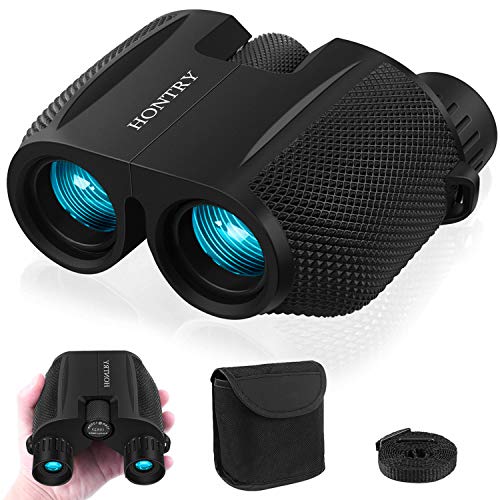
 Aurosports 10x25 Compact Binoculars for Bird Watching10x253.7 x 2.1 x 3.6 inches0.55 poundsCheck on Amazon


What's inside
- Why indoor concerts reward restraint rather than raw power
- Reading the two numbers printed on the housing
- Field of view: seeing the quartet, not just one chin
- Choosing magnification by seat, genre, and hand steadiness
- Opera glasses are their own instrument, not a toy
- Prisms, coatings, and what contrast looks like on stage
- Focus systems: wheels, levers, and fixed-focus claims
- Eye relief, glasses, and the disappearing edge
- Weight, balance, and holding a view through a long act
- How indoor optics differ from wildlife and astronomy models
- Matching configurations to common concert situations
- Seating geometry nobody prints on the box
- What to check on a product listing, line by line
- Handling etiquette and care inside the hall
- Budget tiers and where money genuinely shows
- Common mistakes that make good optics feel disappointing
- Genres revisited: what each stage picture demands
- A short decision path before ordering
- Questions subscribers ask most often
- Daylight checks that predict evening behaviour
- Check prices on Amazon
- Final judgement for concertgoers
As an Amazon Associate I earn from qualifying purchases. This post may contain affiliate links at no extra cost to you.
Affiliate disclosure: When readers buy through links on this page, this site may earn a commission from major retailers, and that support helps fund further research into optics and live-event gear without changing the price paid at checkout.
Why indoor concerts reward restraint rather than raw power
A violinist seated forty metres away does not need the magnification chosen for a hawk circling above cliffs. Inside a hall, distance stays bounded, lighting remains controlled, and the real obstacles are seat rake, a neighbour’s shoulder, low contrast on dark jackets, plus hands that tire during a ninety-minute symphony. Compact optics between 3x and 8x answer those constraints directly. Their modest enlargement keeps facial expressions readable without turning every heartbeat into visible shake, while a generous apparent scene lets a listener follow a soloist, glance toward the conductor, then return to the full string section without hunting through a narrow tunnel.
Consider a balcony row roughly thirty-five metres from the stage at a venue shaped like London’s Royal Albert Hall. At 3x, a singer’s face grows clearer yet the proscenium, harp, and percussion still share the view. Move to 6x and embroidery on a costume, fingers on a clarinet, and the turn of a page become distinct. Push beyond 8x in that same seat and breathing starts to move the image, especially after coffee or during a quiet passage where nobody wants to fidget loudly. Power therefore behaves like a seating decision: nearer rows favour lower numbers, rear stalls and upper circles justify the upper end of the range covered here.
Physical size matters just as much because concerts impose social limits that hillsides never do. A full-size 8×42 binocular can weigh around 650 to 700 grams, hang heavily on a neck cord, and bump armrests in narrow seating. Many opera glasses and compacts between 8×21 and 8×25 weigh roughly 180 to 350 grams, slip inside a jacket pocket, and rest lightly during an aria. That difference decides whether an optic actually travels to the theatre or stays at home in a drawer, however impressive its specification sheet may look under bright shop lighting.
Reading the two numbers printed on the housing
Every model carries a pairing such as 3×21, 6×30, or 8×25. The first figure states magnification: an object appears three, six, or eight times closer in angular terms. The second figure gives objective lens diameter in millimetres, meaning the front glass width that gathers light. Neither number alone predicts satisfaction. A 3×21 feels dimmer than a 3×30 under house lights dimmed for a ballet, whereas an 8×21 may look sharp at noon yet struggle when stage illumination drops to warm pools around a piano. Buyers should read both figures together, then ask how pupil size, coatings, and prism quality support that basic geometry at night.
Objective diameter also shapes bulk in ways brochures sometimes hide behind flattering angles. Doubling front lens area does not double housing width in a simple line, but larger glass needs larger prisms, stronger bridges, and thicker armour. A 30 millimetre compact can still fit a coat pocket, though it occupies more room than a slim 21 millimetre opera design built around a Galilean layout. For listeners who carry only a small evening bag, external dimensions in millimetres, folded width, and case thickness deserve the same attention as optical figures, because a beautiful instrument left behind delivers no view at all.
Exit pupil, worked through with real configurations
Exit pupil equals objective diameter divided by magnification, and it describes the bright disc projected toward each eye. An 8×25 yields 25 divided by 8, giving 3.125 millimetres, usually rounded to 3.1 millimetres in listings. A 6×30 produces exactly 5 millimetres. A 3×21 reaches 7 millimetres, matching a fully dark-adapted young eye on paper, although concert lighting rarely lets human pupils open that far. During a lit performance, many adult pupils sit near 3 to 5 millimetres depending on age, house brightness, and how often spotlights flare toward the audience.
Matching those figures explains several familiar disappointments. If an eye opens to 4 millimetres but an 8×21 supplies only a 2.6 millimetre exit pupil, part of the eye receives no image-forming light from the optic, and the scene can look muted despite decent glass. Conversely, a 5 millimetre beam feeding a 3.5 millimetre pupil wastes some collected light, yet alignment becomes forgiving: small head movements do not immediately black out one side. For older listeners, whose maximum pupil opening often shrinks toward 5 millimetres or less, chasing a 7 millimetre result brings little benefit indoors, while steadiness and contrast usually repay attention far sooner.
Brightness also depends on transmission losses at every air-to-glass surface. Two optics sharing an identical 8×25 layout can differ visibly because one uses fuller multi-coating, better prism treatment, and cleaner internal baffling. Phase correction on roof prisms helps preserve contrast where roof edges split light paths; porro designs avoid that particular issue through a different geometry but tend toward wider bodies. Specifications indicate the ceiling, coatings influence how closely a product approaches it, and dark scenes expose shortcuts quickly, especially around high-contrast edges such as a white shirt collar against a black tailcoat.
Field of view: seeing the quartet, not just one chin
Field width tells a buyer how much stage fits side to side. Listings express it as metres at 1,000 metres, degrees, or occasionally feet at 1,000 yards. A figure near 120 metres measured over a kilometre translates, at a forty-metre seat, to roughly 4.8 metres across: enough for a string quartet plus music stands, tight for a full choir spread. Wider designs near 150 metres at that reference distance show about 6 metres at forty metres, giving breathing room for dancers crossing a stage or a conductor stepping toward one orchestral section. Narrow 8x compacts sometimes fall below a 105-metre width over that kilometre baseline, which feels restrictive once performers move.
Angular language avoids distance arithmetic for some shoppers. A true field around 7 degrees suits many mid-hall seats; 8 to 10 degrees feels expansive and helps spectacle, opera ensembles, and musical theatre choreography. Apparent field, magnification multiplied by true field, shapes the sensation of immersion. A 3x optic boasting a very wide true field may still present a modest apparent window, like watching through an elegant doorway. An 8x model with a moderate true field can feel panoramic because magnification enlarges that window. Neither presentation is automatically superior; narrative focus matters. Chamber music rewards context, whereas a close study of a guitarist’s hands rewards concentration.
Edge behaviour separates pleasant width from mere width. Some inexpensive wide designs bend straight lines near the border, soften faces away from centre, or show colour fringing around spotlit edges. During Carmen, a dancer drifting toward stage left should remain recognisably sharp enough to follow costume and gesture, even if microscopic detail softens slightly. Sweet spot size, often described informally rather than printed, becomes obvious when scanning across a row of choristers: if only the middle third looks crisp, constant recentring grows tiresome. Our research compared published field figures against typical seating distances because headline width alone never tells that whole story.
Readers who photograph performances where venues permit cameras may also enjoy best 1080p action cameras for a very different, wide-angle record of travel days surrounding a concert trip.
Choosing magnification by seat, genre, and hand steadiness
Front stalls and small recital rooms
Seats within ten to eighteen metres rarely need more than 3x or 4x. At that range, unaided eyes already read posture and broad expression; gentle magnification reveals bow contact on strings, a pianist’s pedal work partly hidden by the instrument, or lettering on a soloist’s score folder. A 3x opera glass also tolerates movement when a listener leans forward, because the enlarged image does not leap wildly with each shift. Recital rooms holding two hundred people often place the farthest chair closer than a large hall’s front balcony, so restraint preserves atmosphere rather than surrendering detail that was never distant initially.
Jazz clubs present a related case with tables, low ceilings, and performers sometimes only eight metres away. A compact 4×30 can isolate a saxophonist’s embouchure without excluding the drummer entirely from awareness, provided field width stays generous. Smoke-free modern venues still use coloured gels and deep shadow, making a healthy exit pupil useful. Heavy 10x glass, by contrast, turns a nod to the beat into a swinging picture and crops a trumpet player at the shoulders. Genre changes the optimum because stage width, lighting design, and performer movement differ, not because one number carries a universal crown.
Mid-hall seats, the broad middle ground
Rows twenty to forty metres out form the happiest territory for 5x, 6x, and 7x designs. A 6×30 or 6×32 balances reach, brightness, and calm handling for orchestral concerts where soloists stand near the front edge while woodwind rows sit several metres behind. Depth perception through both eyes helps separate those layers, particularly when black clothing merges under subdued lighting. At 6x, programme text remains legible if a listener checks a movement title, though focusing down to half a metre is a separate specification covered later in this guide.
Musical theatre adds rapid blocking: actors cross, turn, kneel, and disappear behind set pieces. A 5×25 with a broad field can follow a lead through a doorway without losing orientation, while 7x rewards a stationary soliloquy from the rear stalls. Spectacle glasses sold cheaply at kiosks sometimes claim high power in tiny bodies; the resulting small exit pupil and dim view explain their disappointing performance once house lights fall. Paying attention to objective size protects against that trap more reliably than trusting an inflated magnification badge printed in gold foil.
Upper circles, opera, and ballet
Distance in a stacked auditorium includes height as well as horizontal metres. A seat forty-five metres from a dancer, elevated twelve metres above stage level, looks down across footlights and orchestra pit. Here 8x earns its place, provided the chosen model keeps weight low and field near or above roughly 110 metres at 1,000 metres. Ballet lovers often track feet, hands, and facial reaction in quick succession; a smooth central focus wheel and adequate eye relief reduce the effort of switching attention between a principal pair and the corps behind them.
Opera combines distance with surtitles, staging depth, and long acts. An 8×25 near 300 grams can be raised repeatedly without shoulder fatigue, while an 8×32 around 430 to 520 grams offers a brighter, more forgiving view at the cost of bulk. Which compromise wins depends on hand strength, coat storage, and whether intervals allow the optic to rest on a lap. Some listeners prefer a lanyard; others dislike anything around the neck over evening dress. A wrist loop can prevent a drop onto the row below, a courtesy consideration in tightly raked balconies where retrieving dropped items mid-performance disturbs everyone nearby.
Opera glasses are their own instrument, not a toy
Traditional opera glasses descend from Galilean telescopes: a convex objective and concave eyepiece produce an upright image without prisms. That simplicity yields short, light bodies, often with magnification near 3x and a decorative bridge or handle. Their limitations are equally physical. Field width tends to be narrower than modern prism compacts at similar power, close focus can be poor, and brightness depends heavily on small objectives. Yet for a front-row subscriber who values elegance, instant readiness, and almost no bulk, those trade-offs may be acceptable. Judging them against birding standards misses their purpose entirely.
Some designs add a tiny red light or a lorgnette-style handle, flourishes aimed at reading programmes in darkness. A handle changes balance: the optic hangs from fingers rather than pressing both hands around barrels, which can feel graceful for brief looks but tiring during a long scene. Chain length, hinge stiffness, and the finish under sweaty palms matter in practice. Mother-of-pearl and polished metal look splendid under lobby chandeliers, though smooth surfaces can slip; matte barrels grip better and reflect less stray light toward neighbouring seats when a spotlight sweeps the auditorium.
Modern roof-prism compacts borrow the opera role while adding sealed tubes, rubber armour, twist-up cups, and wider fields. They look less ceremonial, sometimes almost outdoorsy beside a velvet seat, but their optical flexibility is hard to deny. A listener attending both a matinee in a black-box theatre and an outdoor ceremony may prefer one versatile 6×32 over a jewel-like 3×25 reserved for formal nights. Wardrobe and ritual are legitimate buying factors here; an object handled in public, raised dozens of times an evening, should feel appropriate in the hand and unobtrusive to everyone sharing the row.
Prisms, coatings, and what contrast looks like on stage
Porro prisms offset the objectives wider than the eyepieces, creating a squat shape with strong depth cues. Roof prisms align the barrels straight, enabling the slim silhouette most concertgoers picture. Inside roof models, BaK-4 glass generally supports a rounder exit pupil and cleaner edges than BK-7 in comparable price tiers, although implementation quality still varies. A perfectly round, evenly lit exit pupil, visible when holding the binocular away from the eye toward a bright wall, suggests tidy internal alignment; clipped or grey-edged discs hint at undersized prisms vignetting the light path.
Coating language deserves translation rather than blind trust. Coated means some surfaces carry an anti-reflective layer. Fully coated extends treatment to every air-to-glass surface. Multi-coated adds multiple layers to at least key surfaces, while fully multi-coated applies that approach throughout. Each untreated surface can reflect a few percent of incoming light, and losses compound across a system containing ten or more elements. On stage, lost light becomes veiling glare: black curtains turn charcoal, a cello’s varnish loses depth, and subtitles bloom. Better coatings preserve those distinctions at the same nominal aperture.
Colour neutrality matters for skin tones and period costumes. Some budget optics tint the view yellow-green, others lean cool blue. Under tungsten stage lighting already rich in amber, a warm bias can make faces look muddy; under modern LED fixtures set near daylight, a cool bias may feel clinical. Product listings rarely quantify colour balance, so descriptions from our research emphasised neutrality where specifications indicate modern coating stacks, and flagged strongly tinted budget lines as risky for opera, where a soprano’s pale gown against crimson scenery depends on faithful hue separation for its visual effect.
Internal blackening and baffles rarely headline a listing, yet they govern stray light when footlights aim upward. A bright source just outside the field can bounce inside poorly finished tubes and wash the scene. Better designs use matte internal surfaces, threaded baffles, and lens edges darkened to absorb reflections. Concert halls create exactly the awkward geometry that exposes weak baffling: intense stage pools surrounded by near darkness. Looking toward a soloist beside a follow spot tests contrast more honestly than a daylight scene where everything sits within a narrower brightness range.
Focus systems: wheels, levers, and fixed-focus claims
A central wheel driving both barrels remains the most flexible arrangement. Travel range, smoothness, and direction become muscle memory after a few performances. Too loose, and a sleeve brushing the wheel ruins sharpness; too stiff, and cold fingers struggle between movements. Some compacts place a small lever under the bridge, elegant for opera glasses but slower across large distance changes. Individual eyepiece focusing suits set-and-forget viewing at fixed range, though it frustrates listeners who alternate between stage and programme because each eye needs separate adjustment every time distance changes substantially.
Close focus distance is easy to overlook until someone wants to read a programme, inspect a ticket, or admire embroidery on a nearby usher’s uniform. Values around 2 to 3 metres work for laps and armrests; models needing 5 metres or more cannot sharpen anything held in the hand. At the stage distance itself, depth of field helps: lower magnification forgives small focus errors because acceptable sharpness spans a broader zone. An 8x user may need to nudge the wheel as a singer walks from apron to rear scenery, whereas a 3x viewer can often set focus once and leave it untouched through an entire scene.
Fixed-focus or focus-free designs promise simplicity by relying on depth of field and the eye’s accommodation. Young eyes compensate readily; older eyes, or anyone wearing progressive lenses, may find the compromise soft at both extremes. For a borrowed pair passed along a row, fixed focus avoids arguments about settings, but a personal purchase deserves adjustable focus. Dioptre correction, usually a ring on one eyepiece, compensates for unequal eyes. Setting it correctly matters: focus the fixed side first using the central control, then adjust the dioptre side on the same distant target, and note the mark so a quick check restores it after lending the binocular to a companion.
Eye relief, glasses, and the disappearing edge
Eye relief measures how far behind the eyepiece an eye can sit while still seeing the complete field. Spectacle wearers generally need roughly 14 to 18 millimetres, depending on frame depth and facial structure. Insufficient relief produces a keyhole effect: the centre looks fine, but borders vanish, and pressing frames against cups to compensate risks scratching lenses. Twist-up cups offer repeatable positions; fold-down rubber suits older designs and shared use. Listeners who alternate between glasses for distance and bare eyes for reading should practise extending and retracting cups quietly, because clicking mechanisms can carry farther than expected in a hushed auditorium.
Interpupillary distance adjustment sets barrel spacing to match the eyes, commonly spanning about 56 to 72 millimetres on adult compacts, with some models reaching narrower for smaller faces. A single merged circle should appear when alignment is right; black crescents or a figure-eight outline signal poor fit. Children attending family concerts may need a hinge that closes below 56 millimetres, otherwise one eye loses the image. Shared household optics therefore benefit from a hinge that moves smoothly yet holds position, plus scale marks that let each person return quickly to a personal setting during the interval rush.
Eyecup diameter and softness influence comfort during long scenes. Hard narrow rims press on brow bones; oversized cups can touch the nose bridge awkwardly. Skin oils and makeup transfer onto rubber, so a gentle wipe with a dry microfibre cloth after each outing keeps surfaces pleasant and prevents grit from grinding into eyepiece coatings later. Storage in a soft pouch matters more than a hard case for most theatre trips, since rigid shells consume bag space and rattle against seat hardware, while a padded sleeve still guards against keys, coins, and programme staples.
Anyone documenting a city break around concert dates with a pocket camera might compare options through best 4k compact cameras before deciding how much optical gear one small bag should carry.
Weight, balance, and holding a view through a long act
Numbers on a scale tell only part of the fatigue story. A 280 gram compact concentrated in a short body feels different from a 320 gram design spread across longer barrels that rest against the palms. Balance near the bridge reduces the urge to grip tightly, and relaxed fingers shake less than clenched ones. Elbows tucked against the torso, or braced lightly on armrests where venue etiquette permits, create a stable triangle. Some listeners rest the binocular on folded programme paper atop a knee for brief passages, though smooth housings can slide and should never risk a noisy fall.
Shake grows with magnification in direct proportion to angular movement. A tremor moving the optic by a fraction of a degree appears eight times larger through an 8x instrument than to the naked eye. Age, medication, caffeine, and simple excitement all influence steadiness, so a specification that suited a friend may disappoint someone else in the adjacent seat. Where possible, handling a comparable size in a shop, raising it for a full minute, and watching a distant sign reveals more about personal stability than any advertisement. Sixty honest seconds expose fatigue that a five-second glance conceals completely.
Strap choice changes behaviour. A slim neck cord keeps the binocular ready between movements and frees hands for applause, but a dangling optic can swing against seat backs when standing for an ovation. Short wrist loops suit pocket storage and reduce swinging, though they occupy one hand while walking through crowded foyers. Padded straps spread load on heavier 32 millimetre models, yet width looks bulky with formal clothing. These are ergonomic decisions, not accessories afterthoughts, and they shape whether an evening feels effortless or full of small, accumulating annoyances.
How indoor optics differ from wildlife and astronomy models
Birding binoculars chase dawn light, fine feather detail at variable range, and weather sealing for rain. Typical choices such as 8×42 or 10×42 weigh considerably more, prioritise close focus near 2 metres for nearby perched birds, and assume outdoor clothing with roomy pockets. Their brightness at dusk is admirable, but inside a theatre that aperture buys bulk a listener may resent by the second act. Waterproofing still helps against spilled drinks or rainy walks to the venue; sheer objective size, however, answers a problem halls do not pose in the same punishing way.
Astronomy reverses several priorities again. Night-sky observers prize aperture above portability, often choosing 10×50, 15×70, or larger instruments used seated with support, because starlight is scarce and targets sit effectively at infinity. A 70 millimetre objective in a concert hall would be absurd: enormous, heavy, and impossible to raise discreetly. Its narrow field would exclude most of an ensemble, and minimum focus might exceed the distance to the stage in smaller rooms. The lesson is categorical rather than snobbish. Optical design follows photon supply, subject distance, and carrying context, so borrowing criteria across hobbies produces expensive mismatches.
Wildlife models also assume sudden movement across bright backgrounds, where a wide field and fast focus help track flight. Theatre movement is choreographed within a fixed proscenium; nobody needs to pan after a soprano as one would follow a swallow. Instead, low-light contrast, discreet size, quiet mechanics, and comfortable viewing over two hours dominate. Even the sound of a focus wheel matters indoors. A gritty or clicking control that would pass unnoticed on a windy headland becomes a genuine flaw when a pianissimo passage hangs in the air and two hundred listeners share the silence.
Matching configurations to common concert situations
The 3×21 and 3×25 opera format
Small Galilean or prism designs at 3x suit front seating, spoken theatre, and listeners who dislike the disorientation of strong enlargement. Their view feels like leaning politely closer rather than teleporting to the stage edge. Exit pupil can be generous relative to power, but tiny objectives limit total light, so a dimly lit play may still look subdued. Advantages include instant use by guests unfamiliar with focusing, minimal shake, and bodies that vanish into an evening clutch. Choose this class when proximity is guaranteed by a subscription seat, not when a bargain ticket might place the buyer beneath a distant balcony overhang.
The 4×30 and 5×25 middle-small options
A 4×30 yields a 7.5 millimetre exit pupil on paper and a notably calm image, making it forgiving for shared use and older halls with modest illumination. A 5×25 trims size while retaining a 5 millimetre pupil, a sweet arrangement for mid-priced seats at choral concerts where ranks of singers benefit from width. Both powers keep conductors and soloists in a single glance more readily than 8x. For chamber ensembles arranged in an arc, that context matters: seeing the cellist answer the first violin’s phrase completes the musical conversation in a way isolated close-ups cannot replicate.
The 6×30 and 6×32 all-rounders
If one purchase must cover orchestral nights, touring musicals, university recitals, and the occasional outdoor pageant, 6×30 or 6×32 deserves first consideration. Exit pupils near 5 millimetres support dim scenes, fields commonly remain broad, and weight stays manageable in better designs. A 32 millimetre roof model can approach the bulk of outdoor gear, so dimensions deserve checking, but optical headroom forgives uncertain seat assignments. School concerts photographed from the back of a sports hall, carol services in a stone church, and arena shows from elevated blocks all fall within this configuration’s comfortable operating envelope.
The 7×35 traditional compromise
Porro models at 7×35 carry a heritage stretching back decades, offering a 5 millimetre exit pupil and often a wide, three-dimensional view. Their offset barrels feel stable in two hands, and many listeners find depth rendition especially pleasing across orchestral rows. The penalty is width: a body spanning roughly 170 millimetres will not disappear into a small bag. For drive-to venues where the binocular travels in a tote rather than a pocket, that penalty shrinks. Traditionalists who enjoy mechanical focus wheels and generous eyecups may accept the footprint gladly in exchange for such an expansive presentation.
The 8×25 and 8×32 distance specialists
Rear-seat regulars gain the most from 8x, particularly for opera faces and ballet detail. An 8×25 gives that 3.1 millimetre pupil calculated earlier, adequate under typical stage brightness but less forgiving of misalignment. An 8×32 raises the figure to 4 millimetres and usually improves eye comfort, at a clear cost in grams and volume. For a listener with steady hands attending a vast arena, the smaller body may be perfect; for someone who noticed blackouts with a borrowed compact, the larger pupil of the 32 millimetre version can transform the experience even though headline magnification stays identical.
Seating geometry nobody prints on the box
Distance labels on tickets rarely state the true line of sight. A row marketed as twenty metres from the stage front may sit twenty-eight metres from a soloist positioned upstage behind scenery. Balcony overhangs can block the upper proscenium, so extra magnification only enlarges a truncated view. Under-balcony seats sometimes receive muffled sound and shadowed sightlines; no optic repairs architecture. Before a major purchase, regular attendees should note favourite venues, typical rows, and whether sightlines favour centre or side blocks, then choose power for those coordinates rather than an abstract notion of best performance.
Rake changes comfort as much as distance. Steeply tiered circles let viewers look over heads easily, but the downward angle means eyecups meet the eyes at a tilt; soft cups and adequate relief prevent pressure on one brow. Flat-floor recital seating can place a tall stranger directly ahead, forcing side glances where binocular width and quick handling matter. Aisle seats offer a small lateral advantage and easier elbow room, while centre seats deliver balanced stage composition. Matching an optic to personal seating habits sounds fussy until an entire season of concerts is viewed through that single decision.
Lighting direction interacts with seat position too. Side seats may catch reflections from follow spots or glossy scenery, exposing weak lens coatings as flare. Centre seats behind the lighting desk often enjoy the intended visual balance. In the round productions remove the proscenium altogether; performers turn toward different sections, distances vary by scene, and a moderate 5x or 6x with quick focus adapts better than a specialised 8x chosen for a conventional stage picture. Versatility earns value when a subscription mixes formats across a year.
For readers planning to film venue exteriors or travel segments where photography rules allow it, best 1080p video cameras covers a separate category built around recording rather than live magnified viewing.
What to check on a product listing, line by line
- Magnification and objective: confirm both numbers, then calculate exit pupil personally rather than trusting a rounded marketing claim buried in lifestyle copy.
- Field width: note the unit and reference distance; convert degrees cautiously, and distrust listings that omit whether a figure is true or apparent.
- Eye relief: spectacle wearers should look for roughly 14 millimetres or more, plus cups that lock at intermediate heights without wobbling.
- Close focus: a value near 2 to 3 metres supports programme reading, while longer minimum distances suit only stage viewing.
- Weight and dimensions: grams alone mislead, so compare folded width and thickness against the actual bag or pocket intended for concert nights.
- Prism glass and coatings: BaK-4, phase treatment for roof designs, and fully multi-coated language signal intent, though none guarantees execution quality by itself.
- Dioptre range: a span near plus or minus 3 to 4 dioptres covers many unequal-eye prescriptions encountered among adult listeners.
- Water resistance: sealed construction helps for travel between venues in rain, even if nobody plans to stand in a downpour watching wildlife.
Missing data is itself information. A listing that trumpets magnification in huge type yet hides weight, relief, and field width asks buyers to gamble on the very attributes that decide comfort. Reputable makers publish complete tables because their designs withstand scrutiny. Where a retailer page conflicts with a manufacturer sheet, trust the manufacturer document and note the discrepancy before ordering. Model years change silently, and a suffix letter can denote a revised coating or a cheaper bundle with a different case, so matching the exact variant name matters when comparing descriptions across major retailers.
Handling etiquette and care inside the hall
Arrive with focus roughly preset. During the tuning or opening applause, lift the binocular, centre a music stand or curtain emblem, and sharpen the image before the first quiet note. That preparation avoids fumbling when a solo entry begins. Keep the strap secured whenever the optic leaves the hands; a fall from a circle row can injure someone below, not merely crack a housing. If sharing with a companion, pass it during applause or a scene change, never mid-phrase with whispered instructions that travel farther than either person expects in a reverberant room.
Lens cleaning follows a gentle order: blow loose dust away, brush remaining particles with a soft lens brush, then use a clean microfibre cloth in small circles only if smears persist. Breath fog clears if the optic rests at room temperature for a few minutes; wiping a fogged surface repeatedly just spreads moisture. Cold winter travel creates condensation when a pocketed binocular enters a warm foyer, so leaving the case slightly open during the cloakroom queue lets temperatures equalise gradually and protects coatings from hurried rubbing.
Storage at home should be dry, away from radiators, and out of direct sun that can degrade rubber armour and internal lubricants. A silica gel sachet inside a drawer helps in humid climates, provided it stays separate from lens surfaces. Check hinge tension and focus smoothness at the start of each season; grit caught during summer travel can migrate into mechanisms. Small habits preserve an instrument for decades, which suits a purchase category where optical formulas change slowly and a well-kept compact from years ago can still serve a subscriber faithfully today.
Budget tiers and where money genuinely shows
Entry-level compacts can deliver a respectable centre image, especially at 6x in decent light, but savings usually appear at the edges: narrower sweet spots, simpler coatings, plastic focus assemblies, and cups that collapse under pressure. Listeners attending two concerts a year from mid-priced seats may accept those compromises happily. Frequent subscribers encounter edge softness and flare often enough that mid-tier glass earns its keep through contrast and mechanical confidence rather than any dramatic jump in headline magnification, which may remain exactly the same across a wide span of asking prices.
Premium compacts refine the last increments: blacker backgrounds around spotlit performers, smoother wheels, tighter quality control on collimation, and housings that feel machined rather than moulded. Collimation, the parallel alignment of the two optical axes, deserves emphasis because misalignment causes eyestrain or headaches that buyers sometimes blame on their own vision. A binocular can look sharp in each barrel separately yet exhaust the brain forced to fuse divergent images. Quality control at any tier should reject such samples; return policies from major retailers therefore form part of the product’s real value, particularly for a first purchase made without handling an identical unit beforehand.
Accessories bundled in a box rarely justify choosing one optic over another. A thin case, basic strap, and lens cloth cost little separately, whereas optical character cannot be upgraded later. Spend first on the configuration that fits seat distance and pupil needs, then on coating and build quality within that configuration. A fashionable finish sits last in priority, unless the purchase doubles as a gift where presentation carries meaning. Even then, a beautiful 3x opera glass given to a rear-balcony regular misses its recipient’s actual evenings, however delighted the unwrapping moment may feel at the time.
Common mistakes that make good optics feel disappointing
Choosing 10x or 12x because bigger numbers imply better views heads the list for indoor use. Beyond the range covered by this guide, shake multiplies, fields narrow, exit pupils shrink unless objectives grow unwieldy, and the social bulk problem returns. A second mistake is ignoring spectacle fit: a superb specification collapses into a tunnel when relief falls short. Third comes forgetting dioptre setup, which leaves one eye soft and persuades the owner that the product itself is defective. Each error arises from reading a listing as a contest of isolated numbers rather than a system fitted to a body, a seat, and a repertoire.
Another frequent misstep involves judging brightness at a brightly lit shop counter. Fluorescent retail lighting can make a 2.5 millimetre exit pupil look perfectly lively, because the shopper’s own pupils constrict and ambient illumination floods every display. The same optic at a candlelit carol service tells a harsher story. If a demonstration is possible, look into a shadowed corner, read dark lettering on a dim background, and check whether both eyes stay comfortable for a minute. Simulating the real environment, even imperfectly, exposes contrast and alignment problems that a glossy counter display is designed never to reveal.
Buyers also confuse digital zoom language from cameras with optical magnification. A binocular has no sensor crop trick; its stated power is fixed by the optical design unless a zoom mechanism is explicitly fitted. Zoom binoculars exist, often spanning ranges like 8x to 16x, but moving groups add weight, narrow fields at low settings, and potential synchronisation errors between barrels. At concert distances, a well-chosen fixed power almost always presents a cleaner, brighter picture than a bargain zoom stretched across an ambitious range. Simplicity is an optical virtue here, not a missing feature waiting for an upsell.
Genres revisited: what each stage picture demands
Choral music spreads performers across risers, sometimes eighty singers wide. Width and even illumination beat reach, because the pleasure lies in watching a section enter, a conductor cue a whispering pianissimo, or a soloist step forward from the ranks. A 5×25 or 6×30 keeps that architecture coherent. Oratorio in a cathedral adds stone reflections and candles; contrast around faces against dark wood stalls becomes the challenge, and coatings matter more than an extra step of power. Cathedral seating may also be a hard wooden chair, so a light body that can rest in the lap between movements earns gratitude by the final chorus.
Stand-up comedy and spoken word, though not concerts in the strict sense, share the same rooms. A performer’s timing lives in eyebrows and pauses; 4x from the rear of a cabaret room reveals expression without cropping the microphone stand and stool that frame the act. Cabaret tables introduce drink glasses and low lamps, making a compact body easier to lift without knocking anything. The same optic then serves a poetry reading in a library hall the following week, illustrating how theatre glass earns its place across an events calendar rather than within one narrow musical category alone.
Arena pop concerts invert the problem: distances can exceed eighty metres, screens flank the stage, and lighting strobes overwhelm subtlety. Even 8x cannot compete with a giant video wall for facial detail, yet it restores a direct, unmediated view of the performer rather than a camera director’s edit. Field width helps when dancers spread across ramps extending into the floor seats. Brightness is plentiful from LED arrays, so a small exit pupil matters less than at an acoustic recital, although rapid light changes make comfortable eye positioning valuable when pupils keep adjusting.
Readers curious about optics for outdoor hobbies on the same trip can browse best birding cameras and lens to see how completely the priorities shift once feathers, focal lengths, and dawn light enter the picture.
A short decision path before ordering
Start with the farthest seat realistically expected during the next season, not the best seat once enjoyed years ago. Under fifteen metres, shortlist 3x or 4x. Between fifteen and thirty-five metres, examine 5x and 6x first. Beyond thirty-five metres, or high in a circle, compare 7x and 8x while watching total weight. Next, filter by spectacle use: relief below roughly 14 millimetres removes a candidate for most glasses wearers regardless of glowing descriptions. Then calculate exit pupil and reject anything under about 2.5 millimetres for dim acoustic venues, unless arena brightness dominates the calendar.
After those filters, read field width as a final shaping choice rather than a headline. Choir, dance, and musicals push toward the wider end of each class; solo recitals tolerate narrower views. Check close focus if programmes will be read through the same instrument. Confirm return terms in case collimation or fit disappoints, because those faults reveal themselves only in personal use. Keep notes after the first outing: seat, distance estimate, lighting, and whether shake or dimness intruded. One honest evening of observation refines a second purchase, or a gift for a fellow subscriber, better than another hour of specification tables.
Questions subscribers ask most often
Can one binocular serve both opera and sport?
Stadium seating shares distance with upper theatre circles, and a 6×32 or 8×32 compact can follow play respectably, though dedicated sports viewers often prefer wider fields for fast lateral action. Bright daylight hides a small exit pupil that opera lighting would expose, so a model chosen for both should be specified for the darker task. Weather sealing also matters more outdoors. A single 6×32 kept in a coat pocket frequently becomes the pair that actually gets carried everywhere, which is a practical victory no specification table can capture on its own.
Do image stabilised models help indoors?
Electronic or mechanical stabilisation can calm an 8x or higher view, but it adds batteries, cost, weight, and a faint floating sensation some listeners dislike during slow pans across an orchestra. At 3x to 6x, most people gain little because natural shake remains modest relative to the image scale. Stabilisation suits a listener whose tremor is pronounced and whose seats are distant; for the majority, spending the same money on better glass in a calmer configuration yields a more satisfying evening. Trying a stabilised unit while seated, rather than standing in a shop aisle, gives the fairest impression.
Why do two 8×25 models feel so different?
Identical headline geometry can hide divergent prism sizing, coating quality, eyecup shape, focus gearing, and quality control. One sample may show a round, bright exit pupil and a broad sweet spot; another clips the pupil into a squarish shape and softens everything outside the centre. Weight distribution changes perceived shake, and hinge tension changes how often alignment drifts. This is why our research treated configuration as a starting filter, then weighed construction details heavily, instead of assuming every product sharing two numbers belongs in the same recommendation tier for concert use.
Daylight checks that predict evening behaviour
A buyer without access to a darkened hall can still learn a surprising amount during daylight, provided the checks target the right weaknesses. Point the binocular toward a shaded doorway across a street, roughly thirty metres away, and study a person wearing a dark coat against a darker background. If lapels, buttons, and hair merge into one silhouette, evening contrast will likely disappoint. Then swing toward a bright sign beside deep shadow. Purple or green outlines blooming around the sign’s letters reveal chromatic aberration that stage spotlights will provoke just as reliably, particularly on white costumes positioned against black scenery.
Focus travel deserves a timed trial rather than a casual twirl. Pick three targets at clearly different ranges, perhaps a poster at 3 metres, a doorway near 15 metres, and a rooftop feature beyond 60 metres, then move between them while counting the seconds each transition demands. A wheel needing more than a full turn between programme distance and stage distance will annoy during a performance, even if its action feels beautifully damped in isolation. Note also whether sharpness arrives with a decisive snap or fades in gradually; vague focus peaks invite constant fiddling, and fiddling is precisely what a quiet auditorium punishes most.
Comfort checks should last longer than politeness usually allows in a shop. Hold the binocular raised for ninety seconds while following a slow-moving subject, such as a bus pulling away or clouds crossing a tower. Numb fingertips, a hinge creeping narrower, cups pressing into one brow, or a neck cord sawing at skin all forecast second-act misery with uncanny accuracy. Swap hands, lower the instrument, raise it again, and observe whether the dioptre ring or wheel has shifted unnoticed. Mechanisms that wander during ordinary handling will certainly wander inside a soft evening bag pressed between a coat and a programme.
Finally, examine the exit pupils against a bright ceiling before paying. Hold the binocular at arm’s length, eyepieces facing you, and look at the two glowing discs. Round, evenly bright discs suggest prisms large enough for the design; squared corners or grey crescents warn that internal apertures are trimming the beam. That single observation explains why a nominally bright configuration can feel dim in a circle seat, and it takes ten seconds once learned. Shops that sell serious optics expect such inspection, so nobody should feel embarrassed performing it under fluorescent light on a Saturday afternoon.
One further daylight exercise predicts how a pair will behave when a soloist steps from shadow into a follow spot. Stand indoors near a window on a bright afternoon, look first at a dim interior corner, then quickly toward a sunlit building roughly fifty metres outside. Pupils constrict, glare floods lesser coatings, and the speed with which the scene settles into readable contrast mirrors that theatrical transition surprisingly well. If faces near the window bleach into featureless shapes while interior detail drowns in haze, a stage picture mixing black drapes with brilliant costume highlights will expose the same weakness after sunset, regardless of how impressive the magnification figure sounded in the shop.
Check prices on Amazon
Live listings for the shortlist in this guide are pulled from Amazon below, so prices and availability are always current at the moment you look.


Final judgement for concertgoers
The strongest choice for most indoor listeners sits in the middle of the range explored here: moderate power, an exit pupil near 4 or 5 millimetres, a field wide enough to hold an ensemble, and a body light enough to raise without thinking twice. Opera glasses keep their charm for nearby seats and formal rituals, while 8x compacts serve the high rows where faces would otherwise dissolve into gesture. What matters is fit between instrument, eyes, hands, and hall. A binocular chosen on those terms disappears during the performance, leaving attention where it belongs: on a bow drawing a single sustained note across a silent room, and on the friend beside you who hears that note differently because, for once, they can also see the rosin dust catch the light.


