Our Top Picks
 Amazon Basics AAA Long-Lasting Alkaline Batteries8 Count (Pack of 1)0.39 x 0.39 x 1.73 inches0.2 poundsCheck on Amazon
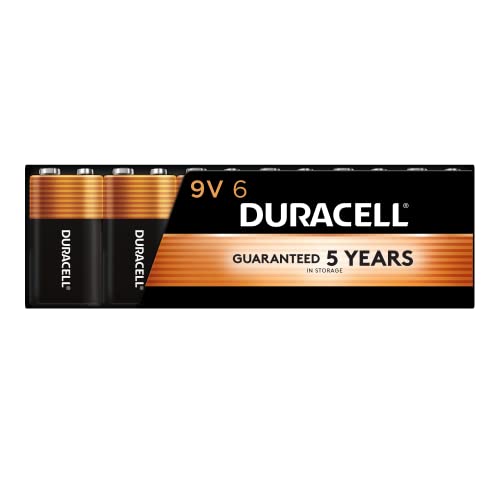 DURACELL Coppertop 9V Battery9V - 6 Count (pack of 1)0.63 x 6.26 x 1.81 inches0.6 poundsCheck on Amazon


What's inside
- Why AAA power inside a detector deserves unusual care
- How a detector actually drains a small cell
- Shelf life and the calendar inside every cell
- Self-discharge, the quiet thief
- Alkaline AAA cells in alarm service
- Lithium AAA cells and their different bargain
- Why alarm makers sometimes name a specific cell
- Replacement intervals that respect both chemistry and common sense
- The chirp, decoded properly
- AAA cells inside door contacts and motion sensors
- Contacts, corrosion, and the compartment nobody inspects
- Storing spare cells like you mean it
- Reading datasheets without an engineering degree
- Installation habits that quietly determine results
- Common mistakes collected from owner reports
- A short buying checklist for the next pack
- Voltage supervision circuits and the meaning of a threshold
- Heat, humidity, and the rooms that punish batteries quietly
- What long-term owner accounts consistently teach
- Choosing pack sizes and planning for the whole home
- Check prices on Amazon
- Closing perspective on a small cylinder with a serious job
As an Amazon Associate I earn from qualifying purchases. This post may contain affiliate links at no extra cost to you.
Some links in this guide are referral links, and the publisher may earn a commission when readers buy through them, at no added cost to the reader.
Why AAA power inside a detector deserves unusual care
A smoke alarm asks almost nothing from its cells for months at a time, then expects an instant answer. The sensing chamber, the standby circuit, and the periodic self-check sip current in tiny amounts, yet the horn must sound at full volume the moment smoke or heat crosses a threshold. That contrast defines every buying decision in this guide. A cell that performs brilliantly inside a toy car or a camera flash can still be a poor guardian for a hallway ceiling, because the detector rewards patience, stability, and predictable decline rather than brief bursts of enthusiasm.
Households often treat replacement cells as interchangeable cylinders pulled from a kitchen drawer. For a remote control, that casual habit rarely matters. For a life-safety device, it matters a great deal. The battery is not an accessory attached to the alarm. It is part of the alarm system itself, as essential as the sensor, the horn, and the test button mounted on the cover. Choosing well means understanding slow discharge, calendar aging, temperature exposure near ceilings, and the warning behavior a detector uses when reserve energy fades.
This guide stays focused on AAA cells serving smoke detectors, combination alarms, heat alarms where the maker specifies that size, and wireless security sensors that sip power in a similar pattern. Advice draws on manufacturer datasheets, published discharge curves, detector instruction manuals, and documented owner feedback about service life in real homes. No heroic claims are needed. A dependable AAA cell earns its place by sitting quietly for a long stretch, holding voltage under a light load, and still delivering current when the horn demands it without warning.
How a detector actually drains a small cell
Most of the time, an alarm lives in standby. Ionization and photoelectric chambers monitor air while drawing microamp-level current, and many wireless units wake briefly to report status to a panel before sleeping again. Published specifications for typical residential detectors describe standby draws so small that a fresh alkaline AAA can theoretically support them for well over a year. Reality trims that figure through self-discharge inside the cell, occasional test signals, temperature swings, and the energy spent chirping once reserve capacity runs low.
The alarm event itself is short but demanding. A piezo horn drawing far more current for a few minutes can pull voltage down sharply in a tired cell that seemed adequate during standby. That is why a battery can appear alive on a simple tester yet fail to sustain a full alarm tone. Voltage measured with no load tells only part of the story. Internal resistance rises as a cell ages, and under horn load that resistance turns into voltage sag, weaker sound, and in some models a rapid return to fault warnings.
Standby draw versus alarm load
Think of the detector as two devices sharing one housing. The watcher is frugal, patient, and nearly invisible in energy terms. The announcer is loud, urgent, and comparatively thirsty. A suitable AAA must satisfy both personalities across seasons. Datasheets express this through discharge curves at several constant currents, and the low-current curves matter most for estimating standby life, while the higher-current curves reveal whether an aging cell can still drive the horn without collapsing below the detector cutoff voltage.
Cutoff behavior deserves attention because detectors do not use every last fraction of stored energy. Electronics need a minimum voltage to operate reliably, and manufacturers set low-battery thresholds above that floor to guarantee warning time. A cell whose curve slopes gently spends more of its life above the threshold. A cell whose curve dives early wastes capacity sitting below the level the device accepts, even though chemical energy technically remains trapped inside the can.
Shelf life and the calendar inside every cell
Shelf life describes how long an unused cell retains useful capacity while sitting in storage, usually quoted by makers under controlled room-temperature conditions. Premium alkaline AAA lines commonly publish retention windows stretching toward a decade, while lithium AAA cells often claim even longer storage horizons. Those figures assume moderate temperatures and intact seals. A multipack stored above a hot garage workbench will not follow the brochure, because heat accelerates the same side reactions that slowly consume capacity on the shelf.
For detector duty, shelf life matters twice. First, the spare set waiting in a drawer must still be healthy when installation day arrives. Second, once installed, the cell continues aging on the same calendar while the detector sips its standby current. Total service is therefore a blend of drain and decay. A household that buys fresh stock, stores it cool and dry, and installs it promptly captures far more of the published lifespan than a household installing cells already halfway through their printed storage window.
Reading printed dates without guesswork
Packaging may show a best-before year, an expiration-style date, or a coded production stamp on the cell wrapper itself. Brands differ in format, and some print the year prominently while burying the month inside a factory code. The practical habit is simple. Prefer packs displaying the furthest date available on the shelf, record the installation month on a small label near the battery door, and treat any cell with an illegible or missing date as unsuitable for a detector, however tempting the bargain bin looks that afternoon.
Production codes also help explain mismatched performance inside one pack. Cells manufactured in different runs can age at slightly different rates, which is one reason experienced technicians replace a full set together rather than mixing old and new cylinders in the same compartment. Mixing invites the weakest cell to set the ceiling for the whole group. In series arrangements, a depleted cell can even be driven into reverse conditions by its stronger partners, raising leakage risk and confusing the low-battery logic watching combined voltage.
Self-discharge, the quiet thief
Every primary cell loses charge while doing nothing. Internal chemical pathways slowly consume active material, and the rate depends on chemistry, construction quality, and storage temperature. Alkaline cells are respectable here, typically losing only a small percentage of capacity per year at room temperature according to manufacturer storage data. Lithium iron disulfide cells, the chemistry behind common lithium AAA products, lose even less, which partly explains their reputation in devices expected to serve unattended for years between visits.
Heat multiplies self-discharge dramatically. A widely used rule of thumb in battery engineering holds that reaction rates roughly double with each moderate rise in temperature, and ceiling-mounted detectors already live in the warmest air layer of a room. Summer attic-adjacent ceilings, kitchens near cooking heat, and sun-baked upper hallways all shorten real service compared with laboratory estimates. When a detector near a bathroom or kitchen chirps sooner than its twin in a cool bedroom, environment is often the explanation rather than a defective alarm.
Why low self-discharge beats raw capacity here
Capacity ratings grab headlines, yet a detector may retire a cell long before standby drain empties it. Calendar losses and threshold voltage decide the ending. A modest-capacity lithium cell with extremely slow self-discharge can outlast a higher-capacity alkaline rival in a rarely visited holiday property simply because more of its energy survives the waiting. Conversely, in a busy wireless sensor reporting many times daily, drain dominates and capacity regains importance. Matching the cell to the duty pattern matters more than chasing the largest number printed in an advertisement.
Published owner feedback echoes that pattern. Reports from landlords and facility managers repeatedly describe lithium cells stretching replacement intervals in remote cabins and rental units, while alkaline cells satisfy most occupied homes where annual changes are easy to schedule. Neither account makes one chemistry universally superior. It shows that access frequency, travel distance, and tolerance for unscheduled chirping at midnight should shape the purchase as much as chemistry loyalty or brand habit formed by flashlight use.
Alkaline AAA cells in alarm service
Alkaline chemistry pairs a zinc anode with a manganese dioxide cathode in a potassium hydroxide electrolyte, delivering a nominal one and a half volts per cell. Under the feather-light load of a detector, a quality alkaline AAA offers a long, sloping discharge curve and a gentle decline that gives low-battery circuits plenty of time to warn occupants. Datasheets measured under international primary-cell standards typically show capacities around a thousand milliamp-hours at very low drain, falling noticeably as current rises toward horn-like loads.
Cost and availability explain much of the alkaline appeal. Nearly every hardware counter, supermarket, and pharmacy stocks fresh multipacks, so a chirping alarm on a Sunday evening rarely waits days for a remedy. Major brands publish guaranteed storage periods and leak-resistance construction for their flagship lines, and those construction details matter in a device that may hold the same cells through several summers. Seals, vent design, and can quality separate a dependable detector cell from a bargain cylinder built for toys that empty it within weeks.
Alkaline weaknesses appear at temperature extremes and across very long intervals. Voltage sags more readily in cold rooms, and the discharge curve slopes continuously downward, so a detector spends its later months working with steadily diminishing headroom. Leakage risk also grows when alkaline cells sit fully depleted inside equipment, because internal pressure and seal stress increase near end of life. Prompt replacement at the first sustained chirp, rather than silencing the alarm and forgetting it, keeps that risk small in normal household service.
Lithium AAA cells and their different bargain
Lithium AAA cells sold for consumer devices use iron disulfide chemistry, also nominally rated near one and a half volts, though fresh open-circuit readings often sit slightly higher. Their discharge curve stays remarkably flat for most of service life, then falls comparatively quickly near the end. Manufacturers promote capacities approaching roughly twelve hundred milliamp-hours under light loads, together with storage claims extending well beyond typical alkaline windows and operating ranges reaching far colder and hotter conditions than alkaline tolerates gracefully.
That flat curve cuts both ways inside an alarm. On the positive side, the detector receives consistent voltage for years, sensors transmit reliably, and cold garages or unheated stairwells stop being hostile territory. On the cautious side, the low-battery warning window can feel shorter, because voltage hovers near full and then drops through the threshold region with less lingering. Households choosing lithium should respect scheduled replacement dates instead of waiting casually for a chirp that may arrive closer to genuine exhaustion than an alkaline chirp would.
Weight and construction add smaller advantages. Lithium cells feel noticeably lighter, which hardly matters on a ceiling, yet their sealed construction has earned a strong reputation for resisting leakage during long installations. Published feedback from property managers overseeing dozens of units often singles out that trait, since one leaked cell can corrode contacts and condemn an otherwise sound detector. The premium paid per cell buys insurance against a particular kind of slow, hidden damage that only becomes visible at the next battery change.
Choosing between the two chemistries by location
Occupied homes with easy access usually thrive on quality alkaline cells changed on a fixed annual rhythm tied to a memorable date. The economics are friendly, the warning behavior is gradual, and fresh stock is everywhere. Difficult locations argue for lithium: detectors above tall stairwells, alarms in seasonal properties, sensors in outbuildings, and any unit whose replacement requires a ladder, a caretaker visit, or coordination with tenants. There, stretching the interval safely is worth more than saving a little on each individual cell.
Climate sharpens the decision further. A detector in a mountain cabin enduring freezing winters will draw far more reliable service from lithium, whose datasheets rate operation deep below freezing. A detector in a consistently air-conditioned apartment faces no such stress, and alkaline performs entirely respectably. Reading the room, literally, before buying a large multipack prevents the common mistake of stocking one chemistry for every location regardless of the conditions each alarm actually endures through the year.
Why alarm makers sometimes name a specific cell
Owners occasionally open a manual and find the manufacturer recommending one or two exact battery models, sometimes with a warning against substitutes. That specificity is not mere marketing partnership. Detector makers certify their products with particular cells whose discharge curves, internal resistance, and physical dimensions they have characterized thoroughly. A cell that swells slightly, presents an unusual nipple geometry, or collapses under horn load at a different voltage can undermine the certified behavior even while fitting the compartment and lighting the indicator.
Listing standards for alarms evaluate the complete product, battery included, under defined conditions. When a maker states an approved cell, that statement reflects the combination that passed low-battery supervision tests, alarm audibility requirements, and endurance expectations. Substituting a random rechargeable, whose nominal voltage sits lower, can leave the detector perpetually near its warning threshold. Substituting an unbranded cell of unknown provenance introduces variance the certification never contemplated, which is a poor trade against the modest savings involved.
Households comparing broader security equipment will notice similar discipline elsewhere, and readers planning a full system can see how power choices fit the wider picture in our guide to the best alarm system with cameras category before settling individual sensor details. The principle travels well. Components that must cooperate during an emergency deserve matched specifications, documented compatibility, and conservative choices, whether the component is a camera hub, a siren, or the humble cylinder inside a bedroom smoke alarm.
Rechargeable cells and why manuals resist them
Nickel-metal hydride AAA cells deliver roughly one point two volts nominal, below the level most primary-cell detectors expect, so many units flag them as low almost immediately or behave unpredictably as voltage slides. Lithium rechargeable variants with regulated output exist, yet their electronics can shut down abruptly when protection triggers, removing the graceful warning period alarm design depends upon. Unless a detector manual explicitly blesses a rechargeable model, primary cells remain the correct answer, full stop, regardless of how well rechargeables serve torches and game controllers elsewhere in the home.
There is also a human factor. A rechargeable rotation invites half-charged cells, mixed states, and spares sitting in a charger cradle instead of inside the alarm during a swap that got interrupted. Primary cells impose a simpler discipline: remove the old set, install a fresh dated set, test the horn, record the date. Safety equipment rewards boring procedures that a tired person can execute correctly at ten in the evening after a long day, without consulting a charging spreadsheet or hunting for the one pair that finished cycling.
Replacement intervals that respect both chemistry and common sense
Fire safety guidance in many jurisdictions converges on a simple household rhythm: test alarms monthly, and replace removable batteries at least once a year unless the manufacturer directs otherwise or a sealed long-life unit is installed. That annual habit suits alkaline cells beautifully, because it retires them with comfortable reserve remaining and creates a predictable moment to inspect contacts, vacuum dust from the sensing chamber cover, and confirm the detector itself has not passed its own printed end-of-life date, commonly a decade after manufacture.
Lithium installations invite a longer leash, and some detector makers publish multi-year expectations for approved lithium cells. Longer never means indefinite. A sensible household still tests monthly, notes the installation date, and sets a firm outer limit based on the shorter of the cell maker guidance and the alarm maker guidance. Stretching beyond published expectations to save the price of two small cells misunderstands the entire economics of a device whose only job is readiness on the worst night of a decade.
Building a household replacement calendar
Anchor the annual change to an event nobody forgets: a birthday, the start of the heating season, or the weekend clocks shift where that custom applies. Write the date inside the battery door with a fine marker, and keep a simple list on the refrigerator naming each detector location and its cell type. Rental managers and families caring for elderly relatives benefit most from written records, because memory quietly edits itself and a detector installed during a busy renovation can otherwise drift years past its intended service interval without anyone noticing the omission.
Staggering can help large properties. A facility with forty sensors might divide replacements across quarters, provided every unit stays inside its rated interval and records track each location precisely. Small homes gain nothing from such complexity. Changing every detector on the same weekend guarantees matched cell ages, one shopping trip, one ladder session, and no ambiguity about which bedroom unit received fresh cells and which one merely received a hopeful glance during a busy Saturday.
The chirp, decoded properly
A single sharp chirp repeated at regular intervals, often every thirty to sixty seconds depending on model, is the classic low-battery signal. Detector manuals describe the exact cadence for each unit, and some models add a flashing indicator pattern or a voice announcement naming the problem. The chirp is deliberately irritating. It is engineered to defeat procrastination, because a silenced warning that nobody acts on leaves the household unprotected while creating a false sense that the issue has been handled.
Not every nighttime chirp means dying cells. End-of-life signals for the detector itself, sensor faults, loose battery doors, and poor contact pressure can produce similar complaints. The manual distinguishes them by cadence and indicator behavior, so the first diagnostic step is reading that page rather than swapping cells blindly and hoping. If fresh dated cells, firmly seated with clean contacts, fail to restore quiet within the period the manual specifies, the detector itself becomes the suspect, and replacement of the unit deserves priority over further battery experiments.
What to do at two in the morning
Start by identifying the exact unit, which is harder than it sounds when sound bounces through hallways. Stand beneath each alarm in turn, or use a household member stationed in another room to triangulate. Press the hush control only as a temporary measure while fetching the ladder and the spare pack, never as the solution. Install the fresh set, close the door fully, and run the test button until the horn sounds at full voice. If the chirp returns quickly with genuinely fresh cells, note the detector manufacture date and plan its replacement rather than feeding it further batteries.
Never remove the cells and leave the detector empty until the weekend. An empty alarm protects nobody, and the intention to fix it later evaporates under weekday pressure with remarkable reliability. Households that keep dated spares within reach of the ladder location almost never face that temptation. The entire episode, from first chirp to confirmed test tone, can close inside fifteen minutes when the right cells live in a known drawer instead of requiring a midnight drive to a petrol station with questionable stock rotation.
AAA cells inside door contacts and motion sensors
Wireless security sensors share the detector philosophy in miniature. A door contact sleeps until the magnet separates, a motion sensor wakes when its infrared element sees a moving heat signature, and both report events to a panel while spending most hours idle. Manufacturers publish battery-life estimates spanning one to several years for such sensors, heavily dependent on traffic. A front door opened forty times daily ages its contact cells far faster than a rarely opened storage-room window contact in the same house.
Placement shapes sensor battery life in subtler ways too. A motion sensor aimed across a busy living room triggers constantly, while its twin in a quiet guest wing may report a handful of events weekly. Cold entryways slow alkaline chemistry, and weak radio paths force some systems into repeated transmission attempts that quietly multiply energy use. When one sensor in a system consistently dies early, investigating its traffic, temperature, and signal strength usually reveals more than blaming the cell brand stamped on the wrapper.
Panel supervision changes the risk profile for the better. Supervised sensors report low-battery states to the keypad or app before they fail outright, giving households a graceful window to act. That grace only helps if someone reads the notifications. During the annual detector battery weekend, walking the sensor list in the panel app and replacing any flagged cells turns a scattered chore into a single coherent maintenance session covering both fire and intrusion protection in one pass.
Matching cells across a sensor fleet
Consistency simplifies everything downstream. Stocking one trusted alkaline line, or one lithium line for harsh locations, means every sensor behaves predictably and every spare in the drawer fits the maintenance plan. Mixing exotic chemistries across a fleet invites installation errors, especially when family members help. Label sensors that require lithium with a small note inside the cover, since the reason for the exception will not be obvious to whoever climbs the ladder next year when the original installer is away.
Households maintaining many cells eventually think about charging infrastructure for other devices, and our overview of best 16 bay battery chargers explains how high-bay units serve rechargeable fleets in workshops and offices. That world stays separate from detector primaries on purpose. Chargers belong to torches, radios, and tools around the property, while the alarm drawer holds dated primary cells exclusively, a boundary that prevents the one dangerous mix-up this entire category cannot afford.
Contacts, corrosion, and the compartment nobody inspects
Battery performance ends at two small metal contacts, and those contacts deserve inspection at every change. Look for dull film, greenish deposits, or spring tabs bent flat by years of pressure. A dry cloth handles dust; a pencil eraser gently lifts light oxidation from nickel-plated surfaces in many manuals’ guidance. Springs should press firmly against both terminals, because a loose contact can imitate a dying cell, producing intermittent chirps that vanish when the housing warms and metal expands slightly during the day.
Leakage changes the conversation from cleaning to judgment. Potassium hydroxide escaping an exhausted alkaline cell leaves white crusty residue and attacks plated contacts aggressively. If corrosion is confined to the compartment and the detector passes its test sequence after careful cleaning with protective gloves, some owners return the unit to service. Deep pitting, damaged springs, or residue reaching internal boards argue for retiring the detector outright. Its replacement cost is trivial compared with trusting a compromised life-safety device through another decade of silent duty.
Why cells leak more often in neglected alarms
Leakage rarely strikes a healthy cell mid-service. It stalks cells left installed long after depletion, where continued standby drain drives the chemistry into states its seals were never designed to endure, and gas generation raises internal pressure. Annual replacement is therefore also leak prevention. The household that changes cells on schedule almost never opens a compartment to find crust and corrosion, while the household that waits for total silence from the alarm eventually meets exactly that scene, usually during an already stressful chirping episode.
Storage neighbors matter as well. Loose cells rattling in a junk drawer can short against keys or coins, dent their cans, and arrive at installation day quietly damaged. Keeping spares in original packaging until use protects terminals, preserves date legibility, and prevents the mixed-age chaos that loose cells guarantee. A small labeled box dedicated to alarm spares, holding one full replacement set per detector type in the home, is among the cheapest reliability upgrades any household can make this year.
Storing spare cells like you mean it
Cool, dry, and stable wins every storage argument. Manufacturer guidance consistently favors room temperature away from radiators, sunny sills, and damp utility rooms. Refrigeration, once folk wisdom, earns no endorsement from modern makers for primary cells and introduces condensation risks when cold packs meet warm humid air during installation. A hallway cupboard or bedroom drawer at ordinary indoor conditions already sits close to the storage environment datasheets assume when printing their retention figures.
Rotation discipline keeps stock honest. Place new packs behind existing spares so the oldest dates install first, and audit the box annually when detector batteries change. Any cell approaching its printed limit can migrate to a remote control or a toy, where its remaining life still serves usefully, while detector compartments receive only stock with generous date margin. That cascade wastes nothing and maintains a bright line between safety-grade spares and general-purpose leftovers sharing the same drawer.
Bulk buying deserves a cool head. A warehouse club pack sized for a scout troop makes sense for a landlord maintaining thirty alarms, but a small household may watch half the pack age past prime before installation. Calculate honestly: count detectors and sensors, multiply by cells per device, and buy roughly one full change plus one emergency set. Readers who maintain rechargeable cells for other gear can compare that discipline with the specialized world covered by our best 18650 chargers guide, where rotation tracking matters just as much for cylindrical lithium cells in torches and fans.
Travel, rentals, and second homes
Properties visited infrequently deserve a written battery log kept on site, ideally taped inside a kitchen cupboard door where a caretaker will find it. Record detector locations, cell chemistry, and installation dates, and leave a sealed fresh set beside the log. Tenants should receive clear instructions at move-in: chirps get reported immediately, hush buttons are temporary, and battery swaps follow the manual rather than improvisation. Landlords in many jurisdictions carry explicit duties around working alarms, and dated records demonstrate diligence if questions ever arise after an incident.
Seasonal shutdowns tempt owners to remove cells entirely, which trades one risk for another if anyone stays overnight during the closed season. A better pattern installs fresh lithium cells before the quiet months, tests every unit at closing and at reopening, and replaces on a calendar regardless of apparent health. Smoke does not check whether a property is in season. The detector either stands guard with trustworthy power or it is decoration screwed to a ceiling, and only the maintenance record distinguishes the two states honestly.
Reading datasheets without an engineering degree
Three numbers on a datasheet repay a shopper’s attention. Capacity at low discharge current estimates standby endurance. The discharge curve shape shows whether voltage glides or plunges toward cutoff. Storage and self-discharge figures reveal how much of that capacity survives waiting. International standards for primary cells, maintained under the IEC framework, define test conditions so figures from different makers can be compared with reasonable confidence, provided the comparison uses the same load and endpoint voltage rather than cherry-picked marketing summaries.
Temperature ratings deserve equal billing. A datasheet operating range tells where the maker stands behind performance claims, and detectors in garages, workshops, or sunrooms can stray outside the comfort zone of ordinary alkaline cells during seasonal extremes. Weight, terminal dimensions, and chemistry designation round out the useful data. Shoppers who learn to scan those fields quickly stop being vulnerable to packaging adjectives, because adjectives cannot argue with a discharge curve printed by the manufacturer itself.
Spotting stock that should stay on the shelf
Walk away from dented cans, torn wrappers, corroded terminals visible through blister packs, and any pack whose date printing looks suspiciously fresh compared with its dusty neighbors. Counterfeit cells circulate in every popular size, mimicking major branding while delivering erratic capacity and poor seals. Buying through reputable retailers with visible stock rotation protects against both stale genuine stock and outright fakes. For a safety device, provenance is a specification, not a snobbery, and the few coins saved on mystery cells purchase risk in exactly the wrong place.
Online listings require the same skepticism applied to dates. Sellers should state chemistry clearly, show packaging dates where possible, and ship cells protected rather than loose in an envelope. Reviews mentioning early chirps across many buyers can signal old stock moving through a discount channel. One complaint means little; a chorus describing identical short service in detectors points toward inventory age, since standby applications expose calendar losses that high-drain toys would mask by emptying cells quickly anyway.
Installation habits that quietly determine results
Mind polarity markings molded into the compartment rather than relying on memory from the previous set, because manufacturers orient AAA pairs in opposing directions in some models and parallel directions in others. Seat each cell fully, close the door until it latches, and wait for the indicator sequence the manual describes. Then press the test control and listen for an undiminished horn, not a feeble croak. A strong test tone after installation is the only handshake that confirms cells, contacts, and electronics agree with one another.
Interconnected systems add one wrinkle. When one alarm sounds during testing, companion units should follow according to the system design, and a silent companion deserves investigation while the ladder is still out. Wireless interconnect depends partly on each unit’s own power health, so battery weekend is the natural moment to verify the chorus rather than a solo. Households with hearing-impaired occupants should also confirm strobe accessories and bed-shaker modules during the same session, since those lifelines share the maintenance calendar even when their power arrangements differ.
Disposal and recycling without drama
Spent alkaline cells are accepted by many municipal household-waste streams in some regions, while other regions direct all batteries to collection points, and lithium primary cells almost universally belong in battery recycling rather than ordinary bins. Local rules govern, so check the municipal guidance once and write the drop-off location on the spare-box label. Tape over terminals of lithium cells before transport if the collection program requests it, keep removed cells away from children, and never toss a swollen or leaking cell into a kitchen bin to be forgotten.
Removed detector cells often retain partial charge, which creates a household temptation to redeploy them anywhere. Reserve that cascade for clearly low-stakes devices and mark redeployed cells with a dot of tape so nobody returns them to an alarm later by mistake. Better still, recycle the full removed set and keep the safety chain clean. The remaining energy in two small cells is worth pennies, while a confused reinstallation can silently consume the warning margin an entire maintenance routine exists to protect.
Common mistakes collected from owner reports
The first mistake is silencing a chirp repeatedly across weeks, training the household to ignore the very signal designed to protect them. The second is replacing only the chirping unit in a home where every detector received cells on the same forgotten date years earlier, guaranteeing a rolling chirp season. The third is installing bargain cells with near-term dates, then blaming the detector when service disappoints. Published owner discussions repeat these patterns with rueful consistency, and each one dissolves under a dated log and a stocked spare box.
A subtler error involves mixing chemistries inside one device or across interconnected units and expecting uniform behavior. Alkaline and lithium curves decline on different schedules, so warnings arrive unevenly and troubleshooting becomes guesswork. Pick a chemistry per device, guided by its manual and location, and stay with it until a deliberate review. Likewise, keep other household charging habits separate; the bedside world of phones and pads, explored in our look at best 10w wireless chargers options, runs on entirely different power logic and should never blur the primary-cell discipline alarms depend on.
When the detector itself is the problem
Batteries cannot rescue an alarm past its service life. Sensors drift, chambers accumulate contamination beyond cleaning, and electronics age. If a unit exceeds the manufacture-date limit printed on its label, chirps without a low-battery pattern, or fails its test sequence with fresh approved cells, replacement is the correct maintenance act. Note that new detectors may use sealed decade batteries or different cell sizes entirely, so read the replacement unit’s manual before assuming the AAA spares in the drawer will serve the next generation of protection.
False alarms follow a similar logic of honest diagnosis. Cooking fumes, steam, dust, and insects produce nuisance soundings that fresh batteries will not cure, though low voltage can make some electronics twitchier near thresholds. Relocation guidance in the manual, gentle vacuuming of the chamber vents, and correct detector type selection for kitchens and bathrooms solve more midnight dramas than any battery upgrade. Keep the diagnosis ordered: power first, placement second, age third, and replacement whenever evidence points past the first two explanations.
A short buying checklist for the next pack
Confirm the detector manual’s specified chemistry and any named models before shopping. Choose packs with the furthest printed dates on the shelf and intact factory packaging. Prefer flagship lines from established makers whose datasheets publish storage guarantees and discharge data openly. Match quantity to one full household change plus a modest emergency reserve. Store the purchase cool and dry, log the planned installation date, and retire removed cells through the correct local channel. Five small disciplines, repeated calmly, outperform any single miracle product claim printed in oversized type.
Price comparisons still have a place, just in their proper rank. Cost per year of reliable service is the meaningful figure, and it folds purchase price together with interval length, leakage risk, and the value of your own ladder time. By that measure, premium alkaline often wins in accessible homes, lithium wins where access is painful or temperatures bite, and anonymous bargain cells lose almost everywhere once a single corroded detector enters the ledger. The arithmetic is not close, and it never really was once all the costs are counted honestly.
Voltage supervision circuits and the meaning of a threshold
Inside many detectors, a supervision circuit samples battery voltage on a schedule and compares the reading against a reference the designers chose. That reference is not the point where the cell is empty. It is the point where the maker wants the warning campaign to begin, leaving enough reserve for weeks of chirping plus a full alarm event if fire arrives during those weeks. Understanding that design intent reframes the chirp entirely: it is not the detector announcing failure, it is the detector spending its reserve exactly as planned to recruit a human into replacing the cells.
Sampling behavior explains a few puzzling reports. A borderline cell may pass a morning check, then trigger warnings overnight when cooler air nudges its voltage downward, then fall silent again by breakfast. Owners sometimes interpret the pattern as a haunted alarm. It is electrochemistry meeting a threshold in changing temperatures. The correct response is not to wait for a unanimous verdict across the whole day. A cell hovering near the threshold has already delivered its service, and replacing it ends the nightly negotiations permanently.
Series pairs and the mathematics of combined voltage
Detectors using two AAA cells in series present roughly three volts to their circuits when the cells are fresh. The supervision logic watches the combined figure, which conceals individual weakness: one strong cell can temporarily mask a fading partner. That masking is another argument for replacing paired cells together from a single pack. A fresh cell installed beside a tired one produces a combined reading that looks respectable while the tired partner slides toward the leakage-prone territory described earlier, quietly undermining the reliability the replacement was supposed to restore.
Parallel arrangements, less common in detectors but present in some sensors, behave differently. Cells share the load and the stronger unit carries more of the work, which can equalize or exaggerate differences depending on construction. The maintenance lesson survives both layouts unchanged. Matched age, matched chemistry, and matched brand give the supervision circuit a clean signal to interpret, and give the household a replacement rhythm that does not require remembering which side of which compartment received the odd leftover cell from a television remote.
Heat, humidity, and the rooms that punish batteries quietly
Bathroom-adjacent detectors endure steam cycles that condense on cooler surfaces, and while the alarm housing shields its compartment reasonably well, years of humidity still test contact plating and cell wrappers. Kitchens add airborne grease that settles into a film over everything, including the sensing chamber and the battery door seams. Manuals for such locations recommend more frequent cleaning, and the battery check should ride along with that cleaning schedule rather than waiting for the household-wide annual date that suits drier, cleaner rooms elsewhere in the building.
Attics and unconditioned spaces push temperature rather than moisture. A heat alarm guarding a garage workshop may bake through summer afternoons far beyond the conditions assumed by alkaline storage data, then face winter nights that sap voltage from the same cells. Lithium chemistry earns its premium fastest in exactly these postings. Owners who track replacement dates by location often discover a clear map emerging after two cycles: the comfortable rooms forgive almost anything, while the harsh rooms dictate the household’s chemistry policy one chirp at a time.
Dust, insects, and maintenance that batteries cannot replace
A detector’s sensing chamber accumulates household dust drawn in by convection, and contaminated chambers drift toward false alarms or reduced sensitivity depending on technology. Gentle vacuuming around the vents with a soft brush, following the manual’s method, belongs in the same session as the battery change because the ladder is already out and the unit is already in hand. Compressed air blasts, sometimes suggested online, can drive debris deeper or damage delicate elements, so the manual’s gentler instruction wins whenever the two approaches disagree.
Insects occasionally nest inside housings in warm climates, producing faults no battery can cure. Screens and seals deserve a glance during each opening. None of this maintenance is elaborate, yet its absence explains a share of the detector complaints blamed on batteries in published discussions. A fresh cell installed in a filthy, aging alarm produces a fresh cell’s voltage and the same old alarm behavior, and the owner walks away convinced the brand failed when the device was asking for retirement all along.
What long-term owner accounts consistently teach
Reading across years of published owner feedback, a few lessons recur with striking regularity. Households that adopt a fixed annual date almost never report midnight chirp emergencies after the first cycle, because the schedule retires cells while they still hold comfortable reserve. Households that rely on the chirp as their only reminder report the opposite pattern indefinitely. The difference is not the brand either group buys. It is whether a system exists, and the system costs nothing beyond a calendar entry and a stocked drawer.
Landlords managing many units report a second lesson: standardizing on one detector model and one approved cell across a portfolio collapses maintenance time dramatically. Spares fit everything, tenants receive one simple instruction sheet, and records reduce to a single column of dates. The same logic scales down gracefully to a family home with mixed detector brands inherited from different renovation years. At the next natural replacement of each aging unit, converging on fewer models quietly simplifies every battery decision that follows for a decade.
Cost accounting across a decade of ownership
Stretch the horizon and the numbers become almost comic. A detector protecting a bedroom for ten years might consume ten annual alkaline sets or two lithium sets, and the difference between the cheapest and finest options across that entire decade amounts to less than a single family takeaway meal. Against that backdrop, agonizing over small per-pack differences while neglecting dates, storage, and contacts is a misallocation of attention. Spend the attention on the system, buy respectable cells, and let the decade pass without a single battery story worth retelling.
The one expense that dwarfs all others in owner accounts is the corroded detector replaced early after a leak, followed by the call-out fee for an alarm company visit triggered by a neglected sensor battery. Both trace back to cells left in service beyond their welcome. Prevention, priced honestly, is a dated pack bought on an ordinary shopping trip. That is the entire economic argument of this guide compressed into one sentence, and it holds for the smallest studio flat and the largest rental portfolio alike.
Choosing pack sizes and planning for the whole home
Shopping for detector cells improves when the household counts first and buys second. Walk the property with a notebook, listing every alarm and sensor, the number of AAA cells each one holds, and the chemistry its manual prefers. The total usually surprises people, because sensors accumulate quietly over years of small security additions. Buying one coordinated purchase against that list eliminates the familiar mid-task discovery that the final bedroom detector needs cells nobody bought, which historically ends with a mismatched leftover pressed into service and a promise to fix it later that nobody keeps.
Pack sizes should follow the count with a modest surplus, not exceed it wildly. One complete change for every device, plus a sealed emergency set for the most critical hallway alarm, covers realistic needs for a year in most homes. Larger surpluses make sense only where a caretaker maintains several properties on a route, and even then the dates on every pack deserve recording at purchase. A spreadsheet is unnecessary; a photograph of the packs beside the installation list, saved with the household documents, preserves everything a future helper needs to reconstruct the plan.
Teaching the household the routine
A maintenance system that lives in one person’s head fails during holidays, illnesses, and house-sits. Show another adult where the spares live, how the test button behaves, and what the low-battery chirp sounds like compared with the full alarm tone. Teenagers old enough to be home alone should recognize the chirp and know the rule: report it immediately, never simply close the bedroom door against the noise. When everyone in the building shares that literacy, the detector’s warning system gains the human half it was always designed to depend on.
A final word on sealed long-life alarms
Some modern detectors arrive with sealed batteries rated for the unit’s entire service life, removing replacement from the household routine altogether. Those designs suit many homes, yet they do not make the knowledge in this guide obsolete. Millions of removable-cell alarms remain in service, rentals change hands with older units installed, and sensors across security systems continue to depend on AAA cells chosen by somebody. Wherever a compartment door exists, a decision exists, and the quality of that small recurring decision is what separates quiet decades from chirping ones.
Check prices on Amazon
Live listings for the shortlist in this guide are pulled from Amazon below, so prices and availability are always current at the moment you look.
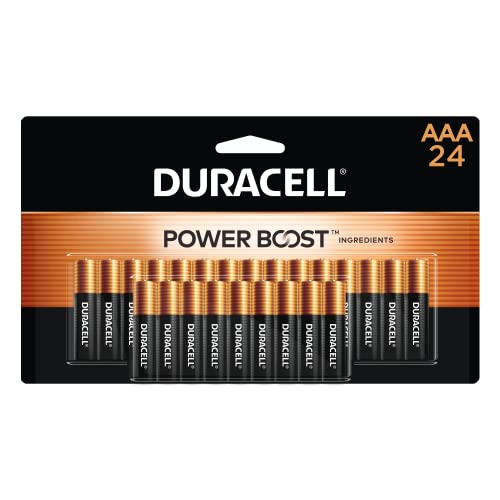


Closing perspective on a small cylinder with a serious job
Stand in a quiet hallway at dusk and notice the tiny indicator blink that says a detector is awake. Behind that blink sits a chain of decisions: chemistry chosen for the climate, dates read before purchase, contacts inspected, intervals recorded, spares stored with intention. None of it is glamorous, and all of it is cheap compared with what the device protects. The best AAA battery for a fire detector is ultimately the fresh, approved, correctly installed cell whose replacement date somebody in the household actually remembers and honors without exception.