Our Top Picks
 Rogue R67S Unlocked 4G LTE Smartphone for T-Mobile6.78 x 3.13 x 0.39 inches0.5 poundsCheck on Amazon


What's inside
- Why network bands decide more than benchmarks
- Telcel, AT&T Mexico and Movistar in everyday terms
- 5G in Mexico: useful, growing and still uneven
- Why two SIMs matter so much in Mexico
- Buying official Mexican stock
- The real risks of grey-market and hand-carried phones
- Spanish language support is deeper than a menu setting
- Choosing a class of phone for Mexican life
- Battery, heat and charging in a warm climate
- Software updates and safety over a long ownership cycle
- A practical buying checklist for Mexico
- How families, students and workers use phones differently across Mexico
- Understanding Mexican retail seasons without chasing noise
- Check prices on Amazon
- One last check at the counter
As an Amazon Associate I earn from qualifying purchases. This post may contain affiliate links at no extra cost to you.
A quick note before we begin: some links in this guide may earn us a small commission if you buy through them, and that support never decides which phones we discuss or how we judge them. Buying an Android phone for use in Mexico is not quite the same task as buying one for use in the United States or Europe, even when the handset itself looks identical on a shelf. The screen, processor and cameras may travel well across borders, but the radios inside, the warranty behind the box and the language support on the first setup screen are all shaped by where the device was intended to be sold. A phone that feels fast in a shop can become frustrating on a bus outside Puebla if it cannot hold the right LTE band, and a bargain imported from another region can turn expensive when a local service centre declines to repair it. This guide works through those Mexico-specific questions in plain language, so you can judge any model on the things that will actually decide your daily experience.
Start with the country as it is, not as a generic map. Mexico combines dense cities with excellent coverage, mountain highways where signal fades between towns, small communities served by a single tower and coastal regions where humidity and heat test hardware in ways a laboratory never quite reproduces. Many buyers keep a phone for several years, pass handsets between family members and rely on prepaid plans that can change from month to month. Dual SIM matters here for practical reasons rather than as a luxury feature, because a work line, a family line and a data-focused line often need to live in the same pocket. Spanish is not an optional extra layered on top of the system; it is the language of setup, support calls, retail advice and most repair conversations. A sensible purchase therefore begins with compatibility and service, and only afterwards moves to cameras and gaming performance.
Why network bands decide more than benchmarks
A processor benchmark tells you how quickly a phone opens applications, while a band list tells you whether those applications can reach the internet at all. Mexican carriers build their LTE networks mainly around bands 2, 4 and 5, often written as B2, B4 and B5 on specification sheets, and a handset intended for Mexico should support all three comfortably. Band 2 sits in the 1900 MHz range and carries a great deal of urban capacity. Band 4, sometimes described through its AWS frequencies, is another workhorse for cities and larger towns. Band 5 uses lower 850 MHz spectrum, which tends to travel farther and penetrate walls better, making it especially valuable outside dense centres and inside concrete buildings.
Missing one band does not always mean a phone shows no signal, which is why this problem confuses so many buyers. A device lacking the right combination may connect in a central district of Mexico City, stream video happily during a demonstration and then fall back to slower service on a trip to visit relatives. Carrier aggregation adds another layer, because modern networks combine bands to improve speed and stability, and a foreign variant may support the individual frequencies without supporting the combinations Mexican networks actually use. Checking a model name is therefore not enough; you need the exact regional variant, since manufacturers often sell versions of the same phone with different radio configurations for different markets. The safest habit is to match the full variant code on the box with the band information published for the Mexican market.
Reading a specification sheet without guesswork
Look first for an explicit LTE list rather than a vague promise of global compatibility. Write down B2, B4 and B5, then compare them line by line with the variant you are considering, paying attention to whether the listing describes that exact model or a family of related devices. Retail pages sometimes copy specifications from an international edition, so a screenshot from a foreign store is weaker evidence than the manufacturer page for Mexico or the label on local retail packaging. If a seller cannot confirm the variant, treat that uncertainty as part of the cost. A phone is a poor bargain when its most important feature, dependable connection to your carrier, remains a matter of hope.
Voice calling deserves its own check because data working on screen does not guarantee clear calls everywhere. Voice over LTE depends on carrier support and device configuration, and imported handsets occasionally handle data while behaving inconsistently with local calling features. Ask whether the specific variant is sold through Mexican channels, since that is usually the strongest sign its calling profile has been prepared for local networks. Friends using the same carrier in your own neighbourhood can also offer useful evidence, provided they own the identical variant rather than a phone with a similar commercial name. Small differences in suffixes and regional codes can hide meaningful differences in radio behaviour.
Telcel, AT&T Mexico and Movistar in everyday terms
Telcel is the carrier many buyers measure others against because of its broad national footprint, extensive retail presence and long history in the Mexican market. For a buyer who travels between states for work, visits family in smaller communities or spends weekends beyond a major city, that reach can matter more than a marginal difference in camera processing. Telcel shops are also easy to find, which helps when you need a replacement SIM, help moving a number or advice in Spanish at a counter rather than through a distant call centre. None of that removes the need to check bands, but it explains why Telcel compatibility is often the first question asked about a handset in Mexico.
AT&T Mexico has built its position around urban coverage, combined offers and customers who may move between Mexican and cross-border routines. Its network also relies on the familiar LTE bands discussed above, and phones sold for its Mexican service are configured accordingly. Travellers who cross into the United States should separate two ideas that are often blurred in sales talk: a phone that works on AT&T in Mexico is not automatically identical in behaviour to one prepared for service north of the border, and roaming terms belong to your plan rather than to the handset alone. Check both the device bands and the plan conditions if your life regularly crosses that border.
Movistar serves many price-conscious and prepaid customers in Mexico, and its users face the same basic compatibility questions even though plan structures and local coverage strengths differ by area. Coverage maps from every carrier should be read as guides rather than promises, because a street shaded as covered can still contain a basement office, a thick-walled house or a market hall where signal struggles. Ask people who live or work where you spend your time, since their experience at your school, warehouse or apartment building is more relevant than a national average. A carrier that is excellent in Guadalajara may be less convincing on your particular route through a rural part of Oaxaca, and the reverse can also be true.
Coverage where you actually live
Before choosing a model, spend a few minutes mapping your own week. Note your home, workplace, school runs, regular bus routes and the towns you visit during holidays, then compare those places with the experience of current customers on each network. Indoor coverage deserves special attention in Mexico because many homes use concrete, block and tile construction that can weaken higher-frequency signals. Lower-frequency support helps in those settings, yet placement still matters; a phone may work beside a window and lose stability in an interior bedroom. If your household depends on mobile data during power cuts or fixed-line outages, dependable indoor reception becomes a core feature rather than a technical footnote.
Public transport reveals another side of coverage that shop tests hide. A handset moving between towers along a metro line, a suburban train route or a highway must hand over connections repeatedly without dropping calls or stalling maps. Buyers rarely test that behaviour before purchase, but they can reduce risk by choosing a variant properly prepared for local networks and by avoiding obscure imports with incomplete carrier settings. Reading recent experiences from Mexican owners of the exact model can reveal patterns involving dropped calls, delayed messages or trouble with mobile hotspots. Treat isolated complaints cautiously, while paying attention when several owners on different carriers describe the same radio weakness.
5G in Mexico: useful, growing and still uneven
5G service in Mexico is real, but it is still being rolled out and its availability varies sharply by city, neighbourhood and carrier plan. Early deployment has concentrated on major urban areas and selected zones where newer spectrum and equipment can serve large numbers of people. That means a 5G badge on a box should be treated as an invitation to check local service, not as proof that your daily streets already have it. Many buyers will spend most of their time on LTE for now, and a phone with excellent LTE support will feel better than a phone with fashionable 5G support and weaker everyday coverage.
There is also a difference between a phone that lists a 5G band and a phone whose Mexican variant is prepared for the 5G service sold locally. Imported models may emphasise bands used in Asia or Europe, while local models focus on the frequencies and network settings relevant here. If 5G is a major reason for your purchase, confirm the exact variant, ask the carrier whether your plan includes access and check whether your usual districts appear in current rollout information. Readers comparing wider categories may find best 5g phones useful for general background, but local band confirmation should always come before any shortlist built from international reviews.
For many households, the sensible question is timing rather than excitement. If you replace phones every four or five years, buying a locally sold 5G model now can make sense because the network will mature during the life of the device. If you change phones frequently or live where LTE remains the only realistic service, paying extra attention to 5G today may deliver little immediate benefit. Battery behaviour matters too, since searching for weak next-generation signal can drain a handset faster than staying on a stable LTE connection. Most phones let you prefer LTE when 5G coverage is patchy, and learning that setting can improve a travel day considerably.
Prepaid plans and flexibility
Prepaid service shapes phone buying in Mexico in a way visitors sometimes underestimate. People top up in small amounts, switch promotions, share data through hotspots and sometimes move a SIM between carriers when a household budget changes. An unlocked phone sold for the Mexican market protects that flexibility, letting you respond to coverage problems or family needs without replacing hardware. Carrier-locked devices can still suit a buyer who is certain about staying with one network and values the support attached to that purchase, but the restriction should be understood before signing anything. Ask plainly whether the phone is unlocked, whether both SIM slots are usable and whether any promotional condition ties the handset to a single carrier.
Dual SIM and prepaid flexibility reinforce each other. One slot can hold a long-standing personal number that relatives and banks know, while the other carries a data-oriented plan chosen for a particular month or region. That arrangement also helps during network outages, because a second carrier may still provide messaging or maps when the first is struggling. It is not a perfect backup, since towers and power failures can affect several networks at once, yet it gives households another option at moments when communication matters most. When comparing models, check whether the second slot shares space with a memory card, because some designs force you to choose between extra storage and a second line.
Why two SIMs matter so much in Mexico
Dual SIM is sometimes presented abroad as a travel convenience, but in Mexico it often solves ordinary weekly problems. A delivery driver may keep a personal number for family while using a separate work number that can be silenced after a shift. A shopkeeper may receive customer calls on one line and keep banking, school and medical contacts on another. Students may preserve an old number while testing a different carrier near a new campus. Parents may place a household line in a phone carried by an older relative so help is always one call away. These are not edge cases invented by marketers; they reflect how work, family and prepaid services overlap in daily Mexican life.
The feature also helps people manage coverage honestly. No carrier is strongest everywhere, and a second SIM lets a phone adapt to a home town and a work city that favour different networks. Someone who spends weekdays in Monterrey and weekends visiting family elsewhere may value that choice more than a slightly brighter screen. Dual standby is the usual arrangement, meaning both lines can receive calls while only one handles an active call or data session at a time, depending on settings. Read how a model handles data selection, because you will choose which SIM provides mobile internet and may need to change it quickly when travelling.
Physical SIM, eSIM and shared trays
Many phones sold for Mexico still provide physical nano-SIM slots, which suit prepaid buyers who swap cards at a shop counter or move a line into a spare handset after an accident. eSIM is growing, especially on higher-end models, and it can be convenient when a carrier supports it smoothly, but it changes the repair and replacement experience. Moving an eSIM after a screen failure may require carrier help, whereas a physical card can often be lifted into another phone within minutes. Neither approach is automatically better; the right choice depends on how your carrier handles transfers and how comfortable you feel managing digital profiles.
Ask three concrete questions before buying any dual SIM model. First, can both slots work on Mexican LTE at the same time in standby, rather than one being limited to older service? Second, does using two cards remove the option of a memory card you were counting on for photographs and downloaded media? Third, does the phone clearly label calls, messages and data by line, so you do not send a work message from a personal number by mistake? Good software labelling matters every day, with coloured icons, clear contact defaults and a prompt that lets you choose a line before dialling unfamiliar numbers.
Buyers watching storage should think about those tray choices early, and the general discussion in best 64gb android phones can help you decide whether built-in capacity alone will be enough before you sacrifice a slot to expansion. In Mexico, photographs of family gatherings, school documents, work receipts and offline music accumulate quickly, so storage pressure arrives sooner than many first-time buyers expect. A model with generous internal space may be the cleaner answer even when a memory card slot looks attractive on paper. Conversely, a photographer who regularly backs up to a computer may happily trade expansion for a second active line.
Buying official Mexican stock
Official stock means a phone imported and sold through channels intended for Mexico, with packaging, warranty terms and network preparation aligned to this market. You will find such devices through carrier stores, manufacturer shops and established electronics and department retailers across the country, where staff can explain plans, activation and after-sales service in Spanish. The advantage is not a mysterious badge of prestige; it is a chain of accountability. If the phone develops a fault, you know which company sold it, which warranty applies and where to begin a claim. If a carrier feature misbehaves, support staff cannot dismiss the device as an unknown foreign edition.
Keep the receipt, box labels and warranty information together, ideally photographed and stored somewhere separate from the phone itself. Mexican consumer purchases are easier to resolve when you can show when and where the device was bought and which exact variant changed hands. Check that the model code on the receipt matches the code in the phone settings and on the packaging, because mistakes are easiest to correct on the day of purchase. Also confirm what the warranty covers locally, how long it lasts and whether accidental damage is excluded, since assumptions borrowed from another country may not apply.
Retail conversations worth having in the shop
A good shop visit should involve more than holding the phone under bright lights. Ask the assistant to insert or simulate your carrier setup if the store permits it, and watch whether the device recognises the network cleanly. Ask which service centre handles repairs for that brand in your state and whether common parts are usually available locally. Ask whether the phone receives software updates through the Mexican release channel and whether the assistant can show the update screen. These questions reveal whether the retailer understands the product beyond its display card, and vague answers are useful information in themselves.
Large Mexican retailers and carrier shops can be especially helpful for buyers who prefer paying and resolving problems in person, while manufacturer stores tend to explain their own software features in greater depth. Smaller authorised sellers may offer personal service and long relationships with neighbourhood customers, which can matter when you return with a question months later. In every case, judge the channel by clarity rather than by enthusiasm: clear statements about locking, warranty, returns and SIM behaviour are worth more than a hurried promise that everything will work everywhere. Write down the name of the person who made any important promise, along with the date, in case a later dispute needs detail.
Online buying from established Mexican storefronts can be equally legitimate, provided the listing identifies the seller, the exact variant and the warranty route with unusual precision. Be suspicious of listings that hide the model code behind attractive photographs or describe several regional editions as if they were interchangeable. Delivery convenience does not compensate for receiving a handset prepared for another continent. When a listing uses words such as international version, ask what that phrase means for bands, charger, language, warranty and carrier features in Mexico specifically. A careful seller should answer each point separately rather than hiding behind a general assurance.
The real risks of grey-market and hand-carried phones
Phones brought in through informal channels, often called grey imports or hand-carried devices, can look tempting because the hardware appears familiar and the seller may describe it as the same model sold locally. Sometimes such a phone works adequately, especially in a large city, and honest guidance should acknowledge that possibility. The risk lies in the details you cannot see during a short test: incomplete band support, missing carrier aggregation combinations, delayed updates, unfamiliar region settings or a warranty that must be pursued in another country. A short demonstration with a strong nearby signal tells you almost nothing about those long-term issues.
Region locking and activation policies create another trap. Some devices are prepared for first activation in a particular territory or with a particular carrier family, and a seller may not understand the policy attached to the unit being offered. A phone can power on, connect to Wi-Fi and still behave unexpectedly when a Mexican SIM is inserted or when the owner travels and tries to change lines. Chargers can also differ, from plug shape to the charging standard the bundled accessory supports, and a missing adapter is the least serious version of that problem. More important is whether fast charging works with the equipment in the box or requires an accessory sold separately in the original market.
Warranty gaps appear at the worst moment
Nobody thinks much about warranty paperwork while a new screen is bright and unmarked. The difference between official and informal stock becomes painfully concrete after a fall in a market, a charging fault during a work trip or a microphone failure before an important family call. A local warranty gives you a defined route, even if the repair itself takes time. An imported unit may need to return to its original market, rely on the informal seller’s goodwill or be repaired independently without manufacturer support. That uncertainty should be priced into your decision mentally, even though this guide does not attach numbers to it.
Software support can diverge as well. Regional variants receive updates on different schedules, and some carrier-specific features may never be enabled on a unit built for elsewhere. Security patches matter because phones carry banking applications, school accounts, health information and family photographs. A handset that saves money at purchase but stops receiving timely protection can become the more dangerous object in your pocket. Before buying an import, search for the exact variant code together with the brand’s Mexican support information and see whether local pages recognise it. Silence in those results is itself an answer worth respecting.
There is also the question of resale and hand-me-down value inside a family. A phone that works on every major Mexican carrier and can be repaired locally is easier to pass to a parent, sell to a neighbour or keep as a household spare. An unusual variant with partial coverage narrows those future options. Mexican families often extract remarkable life from devices through battery replacements, protective cases and careful sharing between siblings, so long-term serviceability is part of the original value. Choosing the Mexican edition protects that second and third life, not merely the first month of ownership.
Spanish language support is deeper than a menu setting
Almost every modern Android phone can switch its menus into Spanish, so the real test goes beyond a language toggle. A locally prepared device should offer natural Mexican Spanish in setup prompts, carrier messages, voicemail guidance and manufacturer help pages. Keyboard prediction should handle everyday Mexican vocabulary, accents and place names without constantly correcting you into another regional style. Voice input should understand Spanish spoken at normal speed in a noisy kitchen or street, although accuracy will always vary by speaker and environment. These details shape whether older relatives and first-time smartphone users feel confident or quietly excluded.
Families often buy phones for grandparents whose previous device was set up by a relative years earlier. For those users, large text, clear Spanish labels, simple call screens and reliable contact photos matter more than advanced camera modes. A handset sold through Mexican channels is more likely to arrive with the right language selected, local emergency information prepared and support materials that a family member can follow without translating foreign instructions. If you are configuring a phone for someone else, complete the setup in Spanish from the beginning rather than switching later, because permission prompts and safety explanations are easiest to understand in the language the owner will actually use.
Support conversations and repair language
When something fails, the owner may need to describe a swollen battery, a cracked digitiser or an intermittent SIM fault to a technician in Spanish. Official channels reduce friction because their forms, diagnostic categories and warranty language are built for that conversation. Independent repairers in Mexico can be highly skilled, yet they still benefit from a model whose parts and documentation circulate locally. An obscure import may force a technician to order unfamiliar components or decline the job entirely. Ask about parts availability for the exact model before purchase if you plan to keep the phone through several years of family use.
Spanish support also includes the digital shelf around the phone. Manufacturer communities, carrier help pages and retailer chat services for Mexico can explain local promotions, service interruptions and update timing in context. Owners of foreign variants sometimes land on support pages for another country where instructions mention features or offices that do not exist here. That confusion wastes time during an already stressful fault. A local edition keeps the whole support ecosystem pointed at the same country, which is an unglamorous advantage you appreciate only when you need help quickly.
Choosing a class of phone for Mexican life
Once compatibility, SIM behaviour and warranty are settled, you can think about the class of device that fits your routine. Samsung Galaxy A models are widely recognised in Mexico and often appeal to buyers who want familiar software, broad retail availability and a clear path to accessories and repairs. Motorola has deep recognition in the Mexican market too, with Moto G models frequently chosen by families who value straightforward software and practical features. Xiaomi and its Redmi Note line attract buyers who enjoy strong hardware lists, although variant checking becomes especially important because global naming can be complicated. Each family can serve Mexico well when the specific unit is the Mexican edition.
Google Pixel phones inspire interest for their photography and clean software, but buyers in Mexico should be particularly careful about official availability, service routes and regional preparation before treating one as a routine local purchase. Enthusiasts who understand those trade-offs may still choose a Pixel knowingly, while a buyer who needs a guaranteed local repair path may prefer a brand with established Mexican storefront support. That distinction is not a judgement on camera quality; it is a reminder that ownership includes the months after the excitement fades. Ask where the phone goes when the screen breaks, not only how beautifully it photographs a sunset in Chapultepec Park.
Readers whose main pressure is keeping costs manageable without giving up local compatibility may start with best affordable android phones unlocked, then apply the Mexican band and warranty checks in this guide to every candidate that survives that first filter. Unlocked matters because it preserves carrier choice, and affordability matters because a phone is only one part of household spending that also includes cases, data, transport and repairs. A slightly older Mexican model with full support can be a wiser purchase than a newer foreign variant with uncertain service. Judge the whole ownership picture rather than chasing the freshest announcement.
Performance that feels right after two years
Everyday performance depends on the processor, memory, storage speed and software care working together, not on a single headline component. A phone used for messaging, banking, maps, school platforms, video calls and social photography needs enough memory to switch between tasks without constantly reloading them. Buyers who keep many applications open or help children with homework on the same device will notice memory pressure sooner than light users. Those comparing modest memory configurations can read best 3gb ram android phones for context, while remembering that software optimisation and update support can make two phones with similar figures feel quite different in practice.
Storage deserves the same long view. Photographs taken at birthdays in a family home, videos from school festivals, voice notes from relatives and downloaded episodes for long bus journeys all compete for space. Cloud backup helps when connectivity and household budgets allow, but it should not be the only plan for treasured family media. Choose capacity for the person you will be in two years, not only for the empty phone you hold in the shop. If a model offers card expansion alongside dual SIM without forcing a compromise, note that advantage clearly; if it forces a choice, decide which feature your household will miss more often.
Displays should be judged under Mexican sunlight as well as under shop lighting. A screen that looks rich indoors may become hard to read at a bus stop in Mérida at midday or while checking directions outside a market in León. Brightness, reflection handling and font scaling matter for delivery riders, market traders, field workers and anyone guiding family members through unfamiliar streets. Try increasing text size during a shop test and see whether menus remain sensible, because accessibility settings can expose weak software design quickly. A phone that stays readable outdoors will feel premium every day even if its panel lacks fashionable extras.
Battery, heat and charging in a warm climate
Much of Mexico asks a lot from batteries. Heat accelerates wear, navigation during long drives keeps screens active, weak signal makes radios work harder and video calls with family can run for an hour without anyone noticing. A large battery helps, but efficient software and stable network connection help just as much, which returns the conversation to buying the right regional variant. A phone hunting for a band it barely supports can waste energy all day while appearing to suffer from a mysterious battery defect. Good coverage is therefore also a battery feature, even though it never appears in the battery section of a specification sheet.
Charging habits can extend the useful life of any model. Avoid leaving a phone baking on a car dashboard, remove a thick case if the device becomes uncomfortably warm during a long charge and treat swelling or a lifting back panel as a reason to stop using the handset and seek service. Many modern phones include battery protection settings that limit the final portion of charging overnight, and those settings suit owners who keep devices for years. Fast charging is valuable before a journey or during a short break at work, yet the gentlest routine is usually the one that avoids heat whenever possible.
Cameras for family, work and documents
Camera marketing often focuses on distant landmarks and dramatic night scenes, but Mexican buyers also need a phone that photographs documents clearly, captures school performances from the back of a hall and handles bright contrast between shade and sun. Optical stabilisation helps with video of children and street festivals, while a reliable autofocus system matters when scanning receipts or identity documents for administrative tasks. Ultrawide lenses can be genuinely useful in small homes and crowded celebrations where stepping backwards is impossible. Judge sample photographs by skin tones and indoor detail rather than by saturated colours alone.
Front cameras carry a heavy social load through video calls with relatives in other states or abroad, remote classes and workplace meetings from a kitchen table. A phone that handles those calls smoothly, keeps faces exposed sensibly under mixed lighting and works well with popular calling applications will earn its place daily. Microphone quality belongs in the same judgement, since wind outside a market or noise from a bus can ruin an otherwise clear picture. If possible, record a short test video in the shop and play it back at modest volume, listening for whether speech remains intelligible.
Software updates and safety over a long ownership cycle
A phone bought in Mexico may stay in service through several owners, so update policy is not a concern only for technology enthusiasts. Security patches protect banking and payment applications, while system updates can improve battery behaviour, camera processing and compatibility with carrier services. Ask how long the manufacturer supports the specific model, and distinguish promises made for a flagship line from those attached to an entry-level device with a similar name. Retail assistants sometimes speak about a brand in general terms when update commitments actually vary considerably by series and launch year.
Regional timing adds another reason to prefer Mexican stock. An update released first in Europe may arrive later here, but it should still follow a recognisable path for local owners. Foreign variants can be stranded on a different schedule or require manual intervention that ordinary owners should not need to attempt. Before buying, look at the update information published for the exact model in Mexico and check the current patch level displayed on the shop unit. A phone already far behind at launch may never become the long-term companion its hardware suggests.
Protecting accounts and family information
Set up a screen lock, fingerprint or face unlock and a recovery method you can actually access if the phone is lost in a taxi or stolen at a crowded event. Teach every family member who uses the device how to locate it, lock it remotely and contact the carrier about the SIM, because panic makes complicated instructions hard to follow. Two SIMs complicate that plan slightly, since each line may need separate attention from its carrier. Write down which number belongs to which network and keep that note at home, not only inside the phone that has disappeared.
Parents should also discuss application permissions with children in Spanish, using examples from their real routines rather than abstract warnings. A game does not need access to contacts, a flashlight tool does not need location history and a photo editor should explain why it wants storage access. Mexican households share devices more often than many software designers assume, so separate user profiles or careful application locks can protect a parent’s banking tools when a child borrows the phone for homework. The best security feature is often a calm family habit practised before anything goes wrong.
A practical buying checklist for Mexico
- Confirm the exact variant supports LTE bands 2, 4 and 5 for Mexican networks.
- Ask whether both SIM slots are active and whether expansion shares a tray.
- Verify that the warranty can be claimed through a service route inside Mexico.
- Check that setup, keyboard prediction and support materials work naturally in Spanish.
- Test screen readability outdoors and call clarity with your intended carrier.
- Keep the receipt, packaging labels and model code together after purchase.
Use that checklist in order, because a phone that fails the first three points should not be rescued by an impressive camera demonstration. Compatibility, line flexibility and service form the foundation; performance, photography and design are the rooms built on top of it. If a seller resists answering foundation questions, walk away and find a channel that treats them as normal. Mexico has enough good retail options that no buyer needs to accept mystery as part of the transaction. Patience at this stage prevents the most expensive disappointments.
Also think about accessories before you leave the shop. A case suited to local heat, a screen protector fitted correctly and a charger that matches the phone’s supported standard can prevent early damage and frustration. Replacement parts and accessories are easier to find for models sold widely through Mexican channels, another quiet benefit of official stock. Ask whether the store stocks covers for the exact model rather than a near fit from a sibling device, because button cut-outs and camera openings differ in ways that matter. Small details handled on purchase day save return trips later.
For buyers who travel within Mexico
If your work takes you between states, favour the carrier and handset combination that colleagues already trust on those routes rather than relying on promotional maps. Download maps, tickets and hotel details before leaving areas of strong coverage, and carry a charging cable in hand luggage rather than burying it in a suitcase. Dual SIM gives you a fallback, but a charged battery and offline preparation give you independence when every network is thin. Rural travel rewards humility: tell family your route, share arrival windows and do not assume a video call will work from every roadside stop.
Coastal and southern heat also argue for a phone you can grip securely with damp hands and protect from sand, rain and sudden downpours. Water resistance ratings, where a model offers them, describe controlled conditions rather than permission to swim with the device. Rinse guidance, charging-port moisture warnings and warranty exclusions should be read in the manufacturer’s Mexican support material. A rugged case may look less elegant at a family dinner, yet it can preserve a phone through years of markets, workshops and school runs.
In the end, the best Android phone for Mexico is the one whose radios, SIM tray, language, warranty and service network were all chosen with Mexico in mind, because a handset earns trust not on launch day but on an ordinary rainy Tuesday when you need a call to go through in Spanish, on your own carrier, far from the shop that sold it.
How families, students and workers use phones differently across Mexico
A university student in Mexico City may care most about metro coverage, quick access to class platforms and a front camera that handles calls from a shared apartment. A nurse working rotating shifts in Tijuana may judge the same phone by whether alarms remain reliable, whether the screen stays readable during a bright commute and whether a second line separates hospital messages from family chats. A market vendor in Mérida may need loud call audio, a battery that survives payment messages all day and a handset that tolerates heat inside a stall. None of these people is wrong about priorities, because a national guide should illuminate choices rather than flatten every routine into one ranking.
Students often move between home towns and term-time cities, which makes unlocked dual SIM especially valuable when a family plan stays behind in one state and a local promotion suits another. They also depend on phones for identity checks, scholarship paperwork, part-time work coordination and photographs of lecture boards, so dependable storage and clear document scanning matter quietly. A cracked screen during examination season can disrupt far more than entertainment, making local repair access a genuine educational concern. When relatives contribute toward a purchase, they should discuss warranty and service as part of the gift, not as an afterthought once classes begin.
Older buyers may evaluate a handset through trust built over years with a particular shop or carrier counter. They might prefer a slightly familiar interface, a physical place to ask questions and printed instructions in Spanish that match the menus on screen. Younger relatives can help by removing unnecessary applications, enlarging text and placing the most important contacts on the home screen before handing the device over. They should also practise answering calls, adjusting volume and charging safely together, because confidence grows through rehearsal rather than through a thick manual left in a drawer. A phone that respects that learning process will be used more fully and kept longer.
Small businesses run on ordinary handsets
Across Mexico, a single Android phone often serves as shop counter, appointment book, camera, payment terminal companion and delivery coordinator for a small business. The owner may photograph products in the morning, answer customer questions through messaging at midday, navigate to a supplier in the afternoon and reconcile orders after closing. Reliability under that mixed load depends on stable signal, honest battery behaviour and enough storage for product images that should not vanish when memory fills. A second SIM can separate customer enquiries from private family life, allowing the business line to rest on Sundays while relatives can still reach the owner.
For traders who move between markets or fairs, coverage along highways and in unfamiliar towns becomes part of earning a living. Missing a message about a changed pitch, a delayed delivery or a customer waiting at another entrance can cost a day’s work. Those buyers should test their chosen carrier on the routes they actually drive and keep important addresses saved offline before departure. They should also consider how easily a case, cable or replacement charger can be found away from home, because widely sold Mexican models tend to travel with a healthier accessory ecosystem. Practical availability often beats exotic features when a phone is a business tool.
Delivery and ride work adds vibration, rain, constant navigation and repeated charging to the daily burden placed on a handset. A secure mount, a case that protects corners and a battery routine that avoids extreme heat can matter as much as the processor inside. Screen brightness must compete with glare at traffic lights, while gloves, damp hands or a hurried stop can make fiddly unlocking frustrating. Buyers in these jobs should test fingerprint placement and face unlock with their real routine in mind, remembering that face systems may struggle with some helmets or coverings. The right phone is the one that remains usable at the kerb, not merely elegant on a desk.
Understanding Mexican retail seasons without chasing noise
Phone buying in Mexico often gathers around school returns, holiday gifting, workplace bonuses and major retail events when shops extend hours and promote bundles. Those moments can be convenient for comparing several models in one visit, yet the atmosphere can also rush families into decisions about variants and warranties that deserve slower attention. Prepare a short list before entering the store, including your carrier, required SIM arrangement, storage needs and the towns where coverage matters most. A written list protects you from being steered toward a device that shines in a demonstration but ignores your foundation checks.
Bundles deserve careful reading because a case, headphones or an extra line may be useful while another included item simply gathers dust. Ask whether each part of an offer changes the warranty, locking status or return conditions for the handset itself. If a promotion depends on a particular plan, separate the value of the phone from the obligations of that plan in your mind before agreeing. Staff should be able to explain the distinction without pressure, and a reputable retailer will give you time to discuss the decision with family. Urgency created by a countdown clock is rarely a good reason to accept an unfamiliar regional variant.
Handing a phone down within the family
Before passing a handset to a relative, remove accounts properly, reset the device, clean the charging port gently and check whether the battery still holds a sensible charge through a normal day. Confirm that the receiving person’s carrier works well in the phone and that both SIM slots still recognise cards without intermittent warnings. Include the original charger if it remains safe, explain any known quirks honestly and help the new owner set up Spanish language preferences, contacts and emergency information. A thoughtful handover turns an older device into a dependable gift rather than a bundle of hidden problems.
That second life is another reason to buy models with parts and knowledge circulating widely in Mexico. A local technician is more likely to have replaced the screen, battery or speaker on a common Mexican edition than on a rare import with slightly different internal fittings. Even when a repair is possible for an unusual variant, waiting for components can leave a student or worker without their main connection to family and employment. Longevity is therefore a social feature as much as a technical one, because a repairable phone keeps people reachable. Choose with the whole lifespan in view, including the hands that may hold the device after yours.
So take the band list, the SIM questions and the warranty conversation with you, and let the phone that answers them plainly for your streets, your carrier and your family become the one you carry home.
Check prices on Amazon
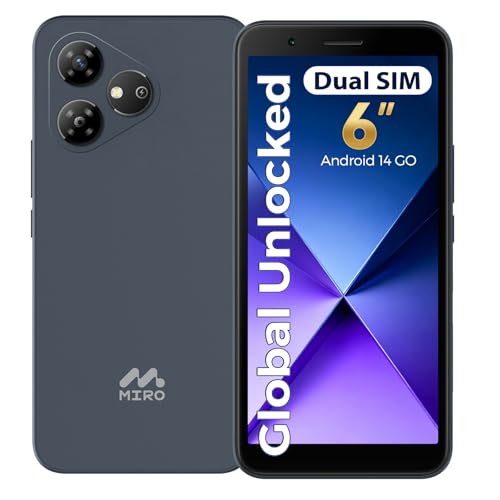
Live listings for the shortlist in this guide are pulled from Amazon below, so prices and availability are always current at the moment you look.

One last check at the counter
Before paying, pause for one calm minute and repeat your carrier, your towns, your SIM plan and your warranty questions aloud with the seller, because hearing those answers together can reveal a contradiction that separate conversations concealed. Confirm the language is set as you expect, glance at the model information in settings and make sure the box you are handed is the box you discussed. That small ritual takes almost no time, yet it closes the gap between a confident recommendation and the particular handset leaving the shop in your bag today.


