Our Top Picks
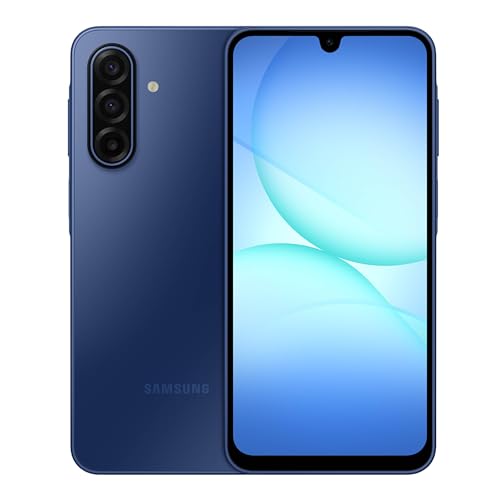
 Samsung Galaxy A16 4G LTE 128GB+4GB SM-A165F/DS Factory3.07 x 0.31 x 6.47 inches0.4 poundsCheck on Amazon
What's inside
- What unlocked actually means, and what it does not
- Carrier compatibility: bands, lists and fine print
- Same name, different phone: regional variants explained
- The notable new unlocked phones, by segment
- Update policies on the newest models
- Dual SIM, travel and switching networks
- How to choose your new unlocked phone
- Frequently asked questions
- eSIM in depth: the unlocked advantage grows up
- Warranties, returns and resale for unlocked buyers
- Security and privacy benefits of buying direct
- Understanding 5G tiers on unlocked handsets
- Hotspots, tethering and working from anywhere
- Buying channels compared honestly
- Buyer profiles: matching freedom to real lives
- A first week testing checklist
- Common mistakes even careful buyers make
- Check prices on Amazon
- Final verdict for flexible buyers
As an Amazon Associate I earn from qualifying purchases. This post may contain affiliate links at no extra cost to you.
Buying a phone unlocked used to mark you out as an enthusiast, the sort of person who imported handsets and read band charts for fun. Today it is simply the most flexible way to own an Android phone. An unlocked model answers to you rather than to a carrier store: you choose the network, change it when coverage or pricing disappoints, travel with local service instead of expensive roaming, and sell the handset later without a permission slip from anyone. This guide explains how to buy the newest unlocked Android phones well, without falling into the compatibility traps that catch rushed shoppers.
A quick word about how we fund guides like this one: purchases made through links on this page can earn a small commission for us on qualifying orders, which helps pay for the time spent checking specifications and carrier policies, and it never adds anything to the price you pay. It also never guarantees a phone a place in this roundup. A model with poor band support for major networks, a confusing regional variant or a weak update pledge will be criticised here regardless of how popular it happens to be with retailers this season.
The pages ahead start with what unlocked really means, because the word is used loosely in listings. Then comes the technical heart of the subject: bands, carrier approval lists, and the differences hiding inside identical model names sold on different continents. After that we tour the notable new unlocked phones by segment, discuss update policies and dual SIM life, and finish with a step by step choosing method, questions readers ask most often, and a closing verdict for different kinds of buyers.
What unlocked actually means, and what it does not
A factory unlocked phone ships without a carrier lock, so it can accept a SIM or eSIM profile from any compatible network. That freedom is about the lock, not about universal compatibility. Radio hardware, software features and carrier approval still decide whether a given handset works fully on a given network. Treating unlocked as a synonym for works everywhere is the single most expensive misunderstanding in this market, and much of this article exists to replace that assumption with a short, reliable checking routine.
Carrier financing creates a second source of confusion. A phone bought on a monthly plan may be technically capable yet locked until the balance is cleared and an eligibility window passes. Conversely, a handset described as unlocked by a third party seller might be an ex carrier model that was unlocked later, which can affect update timing and feature support. Factory unlocked retail models, sold as unlocked from the start by the manufacturer or an authorised retailer, are the cleanest purchase and the focus of this guide.
Unlocked versus carrier models in daily life
In everyday use, an unlocked phone usually carries less preinstalled carrier software, receives its system updates directly from the manufacturer, and can move between networks in minutes. Carrier models sometimes counter with deeper testing on their home network, exclusive colour or storage options, and promotions that make the handset cheaper when bundled with a plan. Neither route is automatically superior. The unlocked route wins when flexibility, travel or resale matters; the carrier route can win when a specific promotion or network feature is the whole point of the purchase.
There is also a psychological difference owners mention often. An unlocked phone feels owned outright, even before any financing elsewhere is considered, because its usefulness does not depend on one company goodwill. People who relocate for work, study abroad, or keep a second line for business tend to feel that difference immediately. People who stay on one family plan for a decade may barely notice it, which is why this guide keeps asking about your habits rather than preaching that everyone must buy the same way.
Carrier compatibility: bands, lists and fine print
Compatibility checking has three layers, and skipping any one of them can leave a phone half working. The first layer is radio bands: the frequencies the handset can use for LTE and 5G in your country. The second is carrier approval: whether the network allows that exact model on its system, which matters greatly in the United States. The third is feature support, covering voice over LTE, Wi-Fi calling, visual voicemail and 5G access tiers. A phone can pass the first layer, fail the second, and leave its owner with data but unreliable calls, so each layer deserves its own verification.
Reading band support without a headache
Band numbers look intimidating until you reduce them to a comparison task. Your carrier publishes the LTE and 5G bands it uses in your market; the phone maker publishes the bands for each regional model number. Lay the two lists side by side and look for coverage of the main capacity bands and, crucially, the low frequency bands that reach indoors and across rural distances. Missing an extra high frequency band in a city you rarely visit is a footnote. Missing the low band your home area depends on is a deal breaker disguised as a bargain.
Mid band 5G deserves particular attention because it delivers most of the real world speed improvement people notice. Different regions label and allocate those frequencies differently, which is why a phone built for one continent may show a 5G icon abroad yet run slower than expected, or never connect to the fastest local tier at all. Readers comparing broadly should start with our overview of the best 5g android phones at best 5g android phones, then verify the precise variant rather than trusting the family name on the box.
The United States approval problem
American networks add a wrinkle that surprises importers. Some carriers maintain lists of approved devices and will refuse activation, or quietly disable calling, for models not on the list, even when the radio hardware overlaps. Others are more permissive but still gate features such as Wi-Fi calling behind certification. Before buying any unlocked phone for use in the United States, enter its exact model number, and where possible its IMEI once you have it, into the carrier own compatibility checker. A retailer assurance is not a substitute for that check.
This is also why grey import flagships with dazzling specifications can disappoint stateside. A variant built for another region may lack a key band, miss approval, or lose emergency calling reliability on a particular network. Buyers who travel frequently between the United States and other regions should favour models officially sold unlocked in the United States, because those versions are engineered and certified for that environment first, and usually still roam perfectly well overseas for trips measured in weeks rather than years.
Features that can differ even when signal works
Bars on the screen are only the beginning. Wi-Fi calling might be absent on an otherwise compatible handset, which matters in basements, hospitals and thick walled apartment buildings. Visual voicemail may fall back to dial in retrieval. Carrier aggregation combinations can differ, changing speeds in congested areas. None of these gaps appears in most listings, so the practical move is to search the carrier support pages for the exact model, read recent owner reports for that pairing, and test every feature you care about during the returns window, not after it closes.
Same name, different phone: regional variants explained
Manufacturers reuse a successful name across territories while quietly changing the hardware underneath it. The processor can differ, with one region receiving a Snapdragon chip and another an Exynos or Dimensity equivalent. SIM arrangements change too: a model sold with dual physical SIM slots in one market may arrive elsewhere with a single slot plus eSIM, or with eSIM only. Even the box contents and supported fast charging standards vary. None of this is secret, but it is scattered across regional specification pages that few shoppers think to compare.
Why variants exist
Radio regulations, carrier relationships, component supply and local price sensitivity all push makers toward regional builds. A market where dual physical SIM cards are essential gets the tray to match. A market dominated by carrier eSIM provisioning gets a different arrangement. Certain regions expect a charger in the box; others have normalised buying one separately. Understanding that logic helps buyers read listings calmly: the goal is not to hunt a mythical global edition, but to select the variant engineered for the networks and habits of the place you actually live.
How to identify the exact variant
Always work from the model number, a short code printed on the box, in settings and on regulatory labels, rather than the marketing name alone. Enter that code on the manufacturer support site and read the specification page it returns, noting bands, SIM format, storage and update region. If a marketplace listing hides the code or mixes photographs from several versions, ask the seller directly and keep the reply. A reputable seller treats variant questions as normal, because returns from confused buyers cost them money as well.
Software follows the hardware split. Update timing can vary by region even for the same launch, and a variant built for another continent may receive builds on a slower cadence or carry services you will never use. Readers who value tidy software should weigh that alongside price, since an imported saving can be repaid in small annoyances every month. Our wider look at the best 5g phones at best 5g phones can help you shortlist families first, after which the variant check decides the exact box to order.
The notable new unlocked phones, by segment
Segment language in this section stays deliberately verbal, because needs differ more than price labels suggest. Flagships chase camera and display excellence, upper mid range models balance polish against cost, and value focused phones prioritise battery, updates and clean software over spectacle. Every family named below sells an officially unlocked version in at least several major markets, which is the entry ticket for consideration here. Within each segment, the right choice depends on camera taste, software preference and how long you intend to keep the phone.
Premium flagships for camera led buyers
The Samsung Galaxy S series in its latest generation remains the default unlocked flagship recommendation for many people, thanks to broad carrier approval, a long update pledge, bright displays and a versatile multi lens camera system. The Ultra tier adds a more capable zoom and a stylus for note takers, while the standard and Plus sized models suit buyers who want the polish without the bulk. Samsung heavier software layer rewards patience during setup, after which most owners stop noticing it and simply enjoy the hardware breadth.
Google newest Pixel Pro models answer with computational photography that still leads for point and shoot confidence, especially with moving subjects and tricky indoor light. Their unlocked versions are also the reference point for clean Android, early feature drops and call handling intelligence such as screening and hold assistance in supported regions. Battery endurance and charging pace trail the fastest rivals, and some AI features vary by country, so travellers should confirm which tools follow their account region before assuming a favourite feature will work everywhere they land.
OnePlus latest flagship competes on speed in every sense: rapid charging, fluid performance and a clean, quick interface that enthusiasts appreciate. Its unlocked availability is strong through the maker own store in several markets, camera results have matured considerably, and the alert slider tradition continues to win loyal fans. Update length has improved yet still sits a step behind the longest pledges, and carrier feature support deserves the same exact model check described earlier, particularly for buyers on stricter American networks.
Upper mid range: the sweet spot for many
The standard Pixel and the Galaxy FE style models occupy the ground where most buyers should linger longest. You keep the long software support, strong main cameras and quality displays, while surrendering exotic zoom hardware, premium frame materials or the very fastest silicon. For messaging, photography, navigation and streaming, the lived experience is remarkably close to a flagship, and the unlocked versions move between carriers just as freely. Readers whose budget thinking starts here usually end up satisfied for years rather than months.
Nothing Phone models bring design theatre to this tier, with transparent styling and light based notifications that make the handset recognisable across a room. Recent generations have improved cameras and kept software refreshingly light, and the unlocked route is central to the brand sales model in many regions. Check band support carefully for your specific network, since a smaller maker cannot match the certification breadth of Samsung or Google everywhere, but do not dismiss the option: for style conscious buyers it is a genuine alternative rather than a novelty.
Motorola Edge family deserves mention here as well, particularly for buyers who like near stock software, capable displays and thoughtful gestures. Motorola unlocked distribution in North America is well established, and its mid range hardware often feels smoother in daily use than spec sheet comparisons predict. Camera processing and update speed are the usual compromises to weigh, so keen photographers should compare sample galleries for the exact generation rather than relying on brand reputation from several years ago in either direction.
Value focused unlocked phones that respect your wallet
Below the glossy tiers sits the segment where unlocked buying arguably helps most, because carrier promotions are thinner and freedom to chase a cheaper plan saves real money over time. The Pixel A series continues to set the pace for camera quality and update length among phones that cost less than flagships, while Samsung Galaxy A models answer with strong screens, big batteries and wide retail availability. Either can be bought unlocked from major retailers, activated on a low cost network, and kept for years without feeling like a punishment.
Motorola Moto G family remains a staple recommendation in this bracket for clean software and dependable basics, and recent models have added welcome touches such as smoother displays and better speakers. Readers mapping this tier in depth should also read our dedicated guide to the best affordable android phones unlocked at best affordable android phones unlocked, which separates the genuinely good value handsets from the merely cheap ones that frustrate within a season. Storage is a common trap at this level, so consider our roundup of the best 64gb android phones at best 64gb android phones only as a minimum baseline, and choose a larger capacity or expandable storage if you shoot much video.
Compact, foldable and other special tastes
Foldable phones from Samsung and Motorola are sold unlocked in many markets and solve a real problem for readers who want a tablet like canvas or a pocketable flip format. Their unlocked freedom pairs naturally with travel, since a larger inner screen makes maps, documents and split screen work far easier on the move. Durability has improved generation by generation, yet repair costs and case choices still lag slab phones, so buy with protection and insurance questions answered in advance rather than after the first drop.
Truly small Android phones have become rare, with mainstream models clustering around larger displays and compactness now meaning a standard rather than mini size. Buyers with small hands should prioritise width and weight over diagonal measurements, try a case fitted grip in store where possible, and consider a flip foldable if one handed use dominates their day. Gaming focused phones form another unlocked niche, offering cooling and shoulder triggers, but their camera and update compromises make them specialist tools rather than general recommendations.
Update policies on the newest models
Software longevity has become the quiet headline feature of recent Android generations. Google and Samsung now pledge support windows for their flagships that stretch across most of a decade, with several years for their mid range lines, while OnePlus, Nothing and Motorola offer shorter but improving commitments that vary by tier. For an unlocked buyer this matters doubly, because updates arrive from the manufacturer rather than through a carrier queue, removing one layer of delay and one common excuse when a promised build lands late.
How to read an update promise properly
Separate system upgrades from security patches when comparing pledges, and count both from the model launch date rather than the day you buy. A phone purchased two years into its life at a discount may be excellent value, yet its remaining runway is shorter than the headline number suggests. Also note whether a maker commits to a schedule, such as monthly or quarterly patches for a given tier, because cadence affects how quickly serious vulnerabilities are closed on the handset in your pocket.
Feature availability adds a final layer. Some headline capabilities arrive first, or only, on the newest generation, and regional licensing can delay others. If a specific camera trick, AI assistant feature or satellite service motivates your purchase, verify that it is live for your model and country today rather than promised for an unspecified future rollout. Phones should be bought for what they do on delivery day, with later additions treated as pleasant surprises instead of prepaid expectations.
Dual SIM, travel and switching networks
The lifestyle case for unlocked phones becomes concrete the first time you land in another country, open the settings, and add a local eSIM while your home number stays reachable for bank codes and family calls. No shop queue, no carrier permission, no roaming shock at the end of the trip. Dual SIM management on modern Android handles the details gracefully: choose which line provides data, label contacts by number, and set calling preferences per person so work and personal life stop colliding on a single line.
Physical SIM, eSIM and regional quirks
SIM format is where regional variants bite hardest for travellers. Some markets favour dual physical trays, others pair one tray with eSIM, and a few models remove the tray entirely in certain territories. Before a long trip, confirm how your exact variant accepts a second line, practise adding an eSIM profile at home on Wi-Fi, and screenshot your home carrier settings. Travellers who rely on local physical SIM cards bought at kiosks should favour a variant with a real tray, because not every destination has embraced digital provisioning equally.
Switching carriers without drama
Switching on an unlocked phone is mostly an exercise in preparation. Back up messages and two factor accounts, confirm your number porting details with the new carrier, and keep the old service active until the number lands safely. Test data, calls, Wi-Fi calling and message delivery on the new line before cancelling anything, and remember that some messaging services tie identity to a number and need their own change process. Done in that order, a switch that once consumed a weekend in stores becomes an evening task at the kitchen table.
Families feel the benefit multiplied. Each member can sit on the plan that suits their usage, a teenager can move to their own account without a handset change, and a parent working abroad for a season can add a local line while keeping the family number alive. The phone stops being a contract artefact and becomes household infrastructure, which is a healthier way to think about a device that holds photographs, documents, payments and half of modern social life inside one slab of glass.
How to choose your new unlocked phone
Method beats instinct in this category because the wrong variant can undermine an otherwise excellent handset. Work through the steps in order, and resist the urge to fall for a design before the compatibility questions are answered. A beautiful phone that cannot hold Wi-Fi calling in your building is not a bargain at any tier, while a plainer model that passes every check will quietly satisfy you for years.
Step one: lock down your networks
Write down your current carrier, any carrier you might plausibly join within two years, and the countries you visit most. Check each shortlisted model number against those networks using the carriers own tools, paying special attention to approval lists in the United States and to low band coverage where you live. Eliminate failures without regret. This single step prevents the majority of unlocked buying disasters, and it costs nothing except twenty minutes of careful reading before money moves.
Step two: pick a segment by habits, not hype
Photographers who print or crop should weight flagship cameras. Readers who mostly message, browse and stream will not feel the difference and should keep their spending in the upper mid range or value tiers. Mobile gamers need sustained performance and cooling more than camera count. Frequent travellers should rank SIM flexibility and band breadth above almost everything. Matching segment to habit is how unlocked buyers end up with money left for the cheaper plan that made unlocked buying attractive in the first place.
Step three: decide storage and longevity together
Applications, offline video and camera rolls grow every year, so buy storage for the phone you will own in year three, not the empty device you unbox. If a model lacks expandable storage, step up a capacity tier when your library is large. Pair that decision with the update pledge: a handset you intend to keep for five years deserves both the longer support window and the larger drive, while a two year phone for a teenager can sensibly economise on both fronts.
Step four: buy from a channel you can return to
Prefer the manufacturer store or an authorised retailer with a clear returns window, full variant disclosure and warranty handling in your country. Marketplace bargains on imported variants can be legitimate, but only when the seller states the model number, origin and warranty arrangement in writing. During the first days, test calls in weak signal areas, Wi-Fi calling, Bluetooth in your car, payment apps and both SIM slots or eSIM profiles. Discovering a mismatch inside the window is an inconvenience; discovering it afterwards is an expense.
Frequently asked questions
Does unlocked mean the phone works on every carrier?
No. Unlocked removes the software lock, while bands, carrier approval and feature certification still govern real world compatibility. Always check the exact model number against your network, especially in the United States where approved device lists can decide whether activation succeeds. A phone can be genuinely unlocked and still be the wrong variant for your carrier, which is why this guide treats model numbers as more important than marketing names throughout.
Will I get updates faster on an unlocked phone?
Usually, because builds come directly from the manufacturer without a carrier testing stage for that specific variant. Speed still depends on the maker and region, and a long pledge matters more than a few weeks of timing on any single release. Buyers who care about longevity should compare written commitments for the exact tier, counting remaining years from the model launch rather than from the purchase date.
Can I use two numbers on one unlocked phone?
Most modern unlocked Android phones support two lines in some combination of physical SIM and eSIM, though the exact arrangement varies by regional variant. Confirm the format before buying if a second line is essential, and test both profiles early. Dual line use suits travel, separating work from personal calls, and keeping a home number active for verification codes while a local line handles data abroad.
Is it cheaper to buy unlocked?
The handset itself can cost more upfront than a carrier promotion, yet the freedom to choose lower cost plans, avoid unwanted bundles and resell without restrictions often wins over the full ownership period. The maths depends on your plan choices, so compare the total across two or three years rather than the shelf figures on day one. Households that switch providers when deals change usually benefit most from the unlocked route.
What should I check before travelling with an unlocked phone?
Confirm destination bands for your variant, decide between a local physical SIM and an eSIM before departure, and add any digital profile while on trusted Wi-Fi at home. Keep your primary number reachable for account codes, set data to the travel line, and download offline maps and translation packs as insurance. A few minutes of preparation turns arrival day into a simple settings change instead of a hunt for a phone shop.
Are imported unlocked phones a good idea?
They can be, for informed buyers who verify bands, approval, SIM format and warranty in writing, and who accept that returns may be slower. They are a poor idea as an impulse purchase based on a headline specification or a tempting discount. If any key detail cannot be confirmed for the exact variant, choose the officially sold unlocked version for your market and treat the price difference as payment for certainty.
eSIM in depth: the unlocked advantage grows up
Embedded SIM technology has quietly become the strongest argument for buying unlocked in the last few phone generations. Instead of a plastic card posted by a carrier or bought at a kiosk, a network profile is delivered digitally and activated by scanning a code or approving a transfer inside settings. For unlocked owners the process is entirely self directed: profiles from several providers can sit on one handset, ready to be enabled when a border is crossed, a contract changes, or a work line needs to appear on Monday morning and disappear on Friday evening.
Transferring profiles when you change phones
Moving an eSIM to a replacement handset used to involve carrier support calls in many markets, but newer Android versions and carrier systems increasingly support direct transfer during device setup. The smooth path is to keep the old phone powered, connected to Wi-Fi and nearby while the new one activates, then confirm the number works for calls and data before erasing anything. Keep the original activation code or account login accessible until the transfer is proven, because recovering a deleted profile without those details can still involve identity checks and delays.
How many profiles and lines can you manage
Most current flagships store several eSIM profiles while allowing two lines to stay active at once, in combinations that vary by model and region. That distinction between stored and active matters for frequent travellers, who might keep home, work and two favourite destination profiles on the phone yet only run two simultaneously. Check the exact behaviour of your shortlisted variant if juggling three networks sounds like your life, and remember that battery use rises slightly when two lines hunt for signal in weak coverage areas.
When a physical SIM still wins
Physical cards retain loyal fans for good reasons. They swap between phones in seconds without network involvement, which helps when a handset breaks abroad or a family shares a spare device. Some smaller carriers and rural providers still provision physical cards more reliably than digital profiles. Buyers who change test phones often, lend handsets to relatives, or visit regions where kiosk cards dominate should weigh tray format heavily, and may prefer a variant offering both a tray and eSIM rather than choosing a side in a format debate.
Warranties, returns and resale for unlocked buyers
Freedom does not remove consumer homework; it relocates it from a carrier contract to your own purchase records. An unlocked phone bought from the manufacturer or an authorised retailer in your country normally carries the standard regional warranty, with service centres or mail in repair arranged by the brand. Keep the invoice, note the model number and purchase date somewhere safe, and register the device if the maker offers theft or support tools tied to registration. Those boring steps decide how painless a fault in month fourteen becomes.
Grey imports and warranty reality
Imported variants often rely on the seller own warranty rather than the manufacturer regional network, which can mean posting the phone away for weeks or accepting a replacement of a different variant. Read the warranty wording as carefully as the specification list, ask where repairs physically happen, and consider whether the saving compensates for that distance. For a primary phone carrying work and family life, most readers should value local support over a modest import saving, however attractive the foreign colour option or bundled accessory may look in photographs.
Resale: where unlocked phones shine
An unlocked handset addresses the widest possible second hand audience, because any buyer on any compatible network can use it without unlocking fees or waiting periods. That breadth supports stronger resale interest, especially for well kept flagships with long update runways remaining. Present the phone honestly, include the box and cable where possible, state the exact variant and battery condition, and remove every account before sale. Buyers pay for certainty, and an unlocked phone with clean paperwork is the most certain purchase in the used market.
Security and privacy benefits of buying direct
Carrier software is not inherently harmful, but every additional preinstalled application is another thing to update, audit or ignore. Factory unlocked models typically ship with a lighter software load, which privacy conscious owners appreciate, and manufacturer direct updates close the window between a vulnerability being patched and the fix reaching your pocket. Combine that with sensible habits, such as reviewing permissions quarterly and removing forgotten apps, and the unlocked route supports a tidier, more deliberate relationship with the device that holds your most personal information.
Two factor accounts when switching
Number changes and carrier switches interact with account security in ways that surprise people. Authenticator applications travel with backups or device transfer, while services tied to your phone number need the number itself to remain stable during a port. Never cancel the old line until banking, health and work accounts have been tested on the new arrangement. An unlocked phone makes the technical switch easy, which is exactly why the administrative checklist deserves respect: the easier the move feels, the easier it is to forget one small account that matters enormously later.
Understanding 5G tiers on unlocked handsets
Not all 5G connections deliver the same experience, and unlocked buyers importing across regions feel the differences first. Low band 5G travels far and penetrates buildings, offering modest speed gains over LTE across wide areas. Mid band service is the transformation most people imagine, with clearly faster downloads and capacity in towns and suburbs. High band millimetre wave delivers spectacular speed in dense venues and selected city blocks in a few countries, notably parts of the United States, while remaining irrelevant in many other markets entirely.
Why the same phone feels faster in one city than another
Network build out, spectrum holdings and even stadium infrastructure vary street by street, so a handset cannot be judged by a speed test in a single location. When comparing unlocked models, favour broad mid and low band support for your home market over exotic bands you may never encounter. Travellers should accept that roaming often lands on partner networks with their own priorities, and that a local travel profile usually unlocks the fuller local experience, which loops back to the central theme of this guide: control over the line is control over the experience.
LTE is not a failure state
A strong LTE connection with good aggregation still handles streaming, calls, navigation and hotspot duties comfortably for most people. Buyers in areas where 5G coverage remains patchy should not overpay for radio bragging rights at the expense of battery, camera or storage. Choose the phone that serves your actual map of daily movement, from home to office to family homes, rather than the map in a network advertisement filmed in a flagship district of a distant capital city.
Hotspots, tethering and working from anywhere
Unlocked phones pair naturally with flexible data plans for laptop tethering, and carrier branded restrictions on hotspot allowances are one of the frustrations switchers often leave behind, subject always to the fair use terms of the plan actually purchased. Remote workers should check hotspot data allowances, band support in the places they genuinely work, and battery endurance under sustained tethering, because a phone acting as a router drains quickly and warms noticeably. A small power bank and a sensible data warning complete a mobile office that fits in a jacket pocket.
Households also use unlocked spares as emergency connectivity. An older unlocked handset in a drawer, kept charged and updated, can accept any family member SIM during a broadband outage or a lost phone crisis. That quiet resilience rarely appears in marketing, yet owners who have lived through one chaotic week with a broken primary phone tend to value it highly. Keeping one versatile unlocked device in the home is cheap insurance compared with the cost of urgent replacements bought in a panic.
Buying channels compared honestly
Manufacturer stores offer the clearest variant information, straightforward returns and occasional trade in or bundle incentives, making them the benchmark channel for unlocked purchases. Large authorised retailers add physical presence, which helps buyers who want to hold a handset, test a case fit or collect in person. Carrier stores occasionally sell unlocked capable models, but shoppers must confirm the lock status and update path rather than assuming equivalence with the factory unlocked version on the maker website.
Marketplaces and the questions to ask
Independent marketplace sellers range from excellent specialist importers to careless listings assembled from mismatched photographs. Ask for the model number, country of origin, SIM format, warranty provider and return terms, and treat evasive answers as a decision already made for you. Payment protection matters on any high value purchase, as does keeping the conversation inside the platform where records exist. A small saving is never worth an undocumented handset whose history and support route cannot be established when something goes wrong.
Trade ins and timing a purchase
New generations arrive on fairly predictable annual rhythms for the major families, and unlocked prices often soften as a successor approaches or during seasonal promotions. Buyers who do not need the newest camera system can time a purchase around those moments, while readers who value maximum update runway should buy near launch, when the support clock has its full length ahead. Either strategy is rational; the mistake is paying launch money late in a cycle without realising the calendar has quietly shortened the value on offer.
Buyer profiles: matching freedom to real lives
Abstract flexibility becomes valuable when it meets a specific calendar, job or family pattern. The profiles below describe readers who gain the most from the newest unlocked models, and the features each profile should rank first. If none of them resembles your life, a carrier promotion may genuinely serve you better, and recognising that is part of honest buying advice rather than a failure of enthusiasm for unlocked phones in general.
The frequent traveller and the student abroad
Travellers need band breadth, dependable eSIM provisioning and a camera that reduces the need to carry a second device. Students spending a semester or a full degree overseas need the same things plus restraint on storage and tier, because a lost mid range phone abroad is painful while a lost flagship can derail a budget. Both should buy the variant officially sold in their home market when home remains their base, set up travel profiles before departure, and keep a written record of the model number and purchase documents in cloud storage for insurance or support conversations far from home.
The remote worker with two lines
Separating a work number from a personal number on one handset protects evenings and simplifies expenses. Rank dual line reliability, call quality features such as Wi-Fi calling on both networks where supported, and battery endurance during hotspot use. A larger standard flagship or an upper mid range model with a big battery usually beats an exotic design here. Set quiet hours per line if your software allows it, label contacts clearly, and test conference calling on each network during the first week rather than discovering a quirk minutes before an important client call.
Parents, teenagers and grandparents
Families benefit when each handset can move to whichever plan fits a changing household. A teenager leaving for university can keep the same phone on a new account, while a grandparent can join a simple low usage plan without surrendering a familiar device. For younger users, durability, storage discipline and update length outweigh camera spectacle. For older users, screen readability, speaker clarity and a setup session with a patient relative matter more than any specification headline, and an unlocked mid range model configured calmly will be loved far longer than a flagship handed over in a rush.
The deal hunter who switches yearly
Some readers treat networks the way others treat energy suppliers, moving whenever a better plan appears. For them the unlocked phone is not a lifestyle accessory but a negotiating tool: no exit barrier on the handset side means every provider must compete on service and price alone. These buyers should favour models with the broadest approval across networks in their country, keep packaging and accessories tidy for resale, and maintain a simple spreadsheet of plan dates so enthusiasm for switching never creates accidental overlap charges or a forgotten line quietly renewing in the background.
A first week testing checklist
The returns window is part of the product, so use it deliberately. On day one, activate your main line, restore accounts and place test calls from home, work and one known weak spot. On day two, pair every Bluetooth device you own, from car systems to hearing accessories and fitness watches, because pairing quirks hide until real hardware meets. Photograph indoors, outdoors and at night across the first weekend, review the results on a larger screen, and decide whether the camera matches the memories you actually intend to capture.
Midweek, test the second line or travel profile, run a hotspot session with your laptop, and confirm payment applications, transit cards and banking tools behave exactly as expected. Charge overnight on your usual charger and note the morning percentage pattern across several days rather than judging battery life from the excited first afternoon of constant setup. If anything essential fails, contact the seller while options remain open and goodwill is plentiful. A methodical first week converts buyer remorse from a vague feeling into specific, fixable evidence either way.
Keeping records that future you will thank you for
Save the invoice, a photograph of the box label showing the model number, and a note of which carrier checks you performed, all in one folder named for the phone. Add the warranty end estimate and the update pledge you relied on when choosing it. Those few files simplify support calls, insurance claims, resale listings and even family hand me downs years later, when nobody remembers which variant Aunt Maya phone actually is or why it works beautifully on one network and refuses another across the ocean.
Common mistakes even careful buyers make
Experience helps, yet certain errors recur among shoppers who consider themselves technical. The first is checking the family name against a carrier list while ordering a different regional variant from the one that was checked. The second is assuming a software feature seen in a review filmed in another country will be present at home, when assistants, call tools and even camera modes can be region gated. The third is buying storage for today photographs while planning to keep the phone through years of growing video files, school projects and offline entertainment downloads.
A fourth mistake involves timing the switch badly. Porting a number on a Friday evening before a holiday weekend leaves no support desk open if something stalls, while cancelling the old plan before the new line proves itself can strand verification codes in limbo. A fifth is forgetting accessories: cases, protectors and chargers for a brand new generation may be scarce in the first weeks, and an unprotected glass handset is at its most vulnerable exactly when its owner is handling it constantly during setup and exploration.
When to walk away from a listing
Walk away when the model number is missing, when the seller describes every variant as identical, when warranty language dissolves into vague reassurance, or when the price depends on paying outside protected channels. Walk away also when your carrier checker rejects the device and a forum post is the only evidence offered that it might work anyway. Another phone, sold cleanly and checked properly, will always appear. Urgency is the ally of bad listings and the enemy of the calm, methodical purchase this entire category rewards so reliably.
Finally, resist keeping a phone that fails your real life tests simply because returning it feels like admitting defeat. The returns process exists for precisely the mismatches that specification pages cannot reveal: a grip that cramps your hand, a screen that strains your eyes, a camera that disappoints at your children actual indoor lighting. An unlocked buyer has more choice than almost anyone in this market. Using that choice fully, including the choice to send something back and select again, is not indecision. It is the entire point of buying freely.
One more quiet advantage deserves recording before the verdict: unlocked phones simplify lending and handing down. A parent can pass a handset to a teenager on a different plan, a traveller can lend a spare to a visiting relative with a local profile, and a small business can reassign devices between staff without negotiating with a carrier each time. That everyday transferability, repeated across years of family and work changes, is where the purchase quietly repays its homework many times over for ordinary households everywhere.
It also changes how people think about longevity itself. When a handset is not chained to a contract calendar, owners tend to keep it until the device genuinely stops meeting their needs, replacing a battery, refreshing a case and continuing happily rather than upgrading because a store schedule suggested the moment had arrived. That slower, need led rhythm is better for wallets and for waste bins alike, and it may be the most underappreciated benefit in this whole discussion.
Keep that rhythm in mind while shortlists tempt you toward ever newer hardware. The best unlocked purchase is rarely the most dramatic launch of the season; it is the handset whose bands, support years, storage and SIM arrangement still look quietly correct when the excitement of unboxing has faded into ordinary Tuesdays.
Check prices on Amazon
Live listings for the shortlist in this guide are pulled from Amazon below, so prices and availability are always current at the moment you look.


Motorola Moto G Stylus - 2025 | Unlocked | Made for US 8/256GB | 50MP Camera | Pantone Surf The Web


Final verdict for flexible buyers
The newest unlocked Android phones reward buyers who do a little homework with years of quiet freedom. A Galaxy or Pixel flagship suits those who want the longest support and the broadest carrier acceptance, the upper mid range delivers most of that experience for less, and the value tier pairs happily with inexpensive plans for sensible households. Across every segment the rules stay constant: verify the variant, respect the approval lists, buy storage and updates for the years ahead, and test everything important while returns are still easy.
Choose that way and the phone becomes what it should have been all along, a personal tool that follows your life rather than a contract that directs it. Numbers can change, jobs can move cities, families can scatter across borders, and the handset in your pocket simply adapts, one SIM profile at a time, without asking permission from anyone.


