Our Top Picks
 Bang & Olufsen Beosound Emerge Wi-Fi Multiroom SpeakerOne Size6.5 x 2.6 x 8.9 inches3 poundsCheck on Amazon
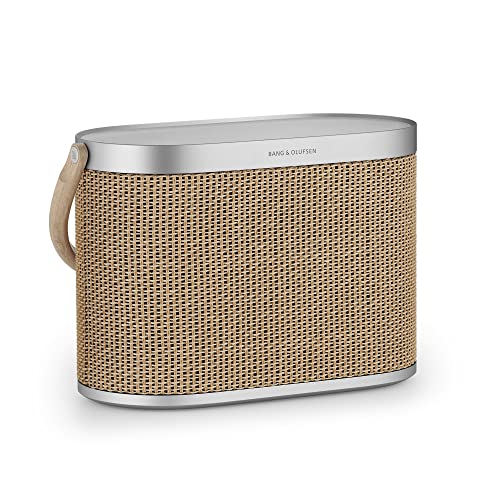 Bang & Olufsen Beosound A5 Portable Bluetooth Speaker5.1 x 11.2 x 7.4 inches8.2 poundsCheck on Amazon
 Bang & Olufsen Beosound Explore Portable Bluetooth Speaker3.2 x 3.2 x 5 inches1.4 poundsCheck on Amazon


What's inside
- How to Choose a Bang & Olufsen Wireless Speaker
- Bang & Olufsen Beolit 20 Portable Bluetooth Speaker
- Bang & Olufsen Beosound A1 3rd Gen Portable Waterproof Bluetooth Speaker
- Bang & Olufsen Beosound Emerge Wi-Fi Multiroom Speaker
- Bang & Olufsen Beosound A5 Portable Bluetooth Speaker
- Bang & Olufsen Beosound A1 (2nd Generation) Wireless Portable Waterproof Bluetooth Speaker
- Bang & Olufsen Beosound Explore Portable Bluetooth Speaker
- Comparing the Six Models Side by Side
- Sound Character and Room Fit
- Setup, Care, and Ownership Tips
- Frequently Asked Questions
- Check prices on Amazon
- Final Verdict
As an Amazon Associate I earn from qualifying purchases. This post may contain affiliate links at no extra cost to you.
Bang & Olufsen occupies a very particular corner of the wireless speaker market. Where most brands compete on loudness per dollar or on the longest list of smart features, this Danish company competes on materials, industrial design, and a tuning philosophy that treats a speaker as a piece of furniture as much as a piece of electronics. That approach makes its catalogue both appealing and confusing. The names sound similar, the shapes range from a pocketable disc to a slim bookshelf tower, and several models overlap in size while serving completely different rooms and routines. This guide works through six distinct models, each treated as its own product: the Beolit 20, the Beosound A1 3rd Gen, the Beosound Emerge, the Beosound A5, the Beosound A1 2nd Generation, and the Beosound Explore. Colour variants of the same model are not separate products, and they are not counted as such here.
Our research for this guide compared the six models on the things that actually separate them in daily use: where the speaker is meant to live, how it connects, whether it is built to travel or to stay at home, how it handles calls, and what kind of listening it suits. We checked manufacturer positioning for each model, compared the feature sets named in each product listing, and organised the differences so that a reader can shortlist quickly rather than decode a naming system. No single model here is best for everyone. The right choice depends on whether the speaker will sit on a shelf for years, ride in a tote bag, join calls from a desk, or spend weekends outside.
A useful starting point is to divide the six into three groups. First, the true portables designed to move around the home and beyond: the Beolit 20, the Beosound A5, and the Beosound Explore, plus both generations of the Beosound A1. Second, the home speaker: the Beosound Emerge, which is a Wi-Fi multiroom model made to stay in one place, not a speaker to carry to the park. Third, within the portables, there is a further split between design-led all-rounders and the one deliberately rugged option, the Explore, which carries an IP67 waterproof rating and a stated battery life of 27 hours in its listing. Keeping those groups in mind makes the rest of this guide much easier to navigate.
How to Choose a Bang & Olufsen Wireless Speaker
Start with location, not with sound. A speaker that lives in one room can rely on Wi-Fi, a wired power connection, and a fixed position that lets its drivers work with the walls and shelves around it. A speaker that moves needs a battery, a shape that is easy to grip or pack, and controls that make sense when a phone is in another room. The Emerge belongs firmly in the first camp. Everything else in this guide belongs in the second, although the Beolit 20 and the A5 are substantial enough that most owners will move them between rooms rather than carry them on a commute.
Next, consider connection type. Bluetooth is the common thread across the portable models and remains the simplest way to play music from a phone, tablet, or laptop without a home network. Wi-Fi, offered by the Emerge, suits multiroom listening, where the same music can play in several rooms or different music can play in each, managed through a home setup rather than a single phone connection. If your listening is mostly at home and you value a stable, network-based system, Wi-Fi matters. If your listening follows you from kitchen to garden to a friend’s house, Bluetooth portability matters more.
Then think about water and the outdoors. Only some models here are described as waterproof. The Beosound A1 in both generations and the Beosound Explore are positioned as waterproof portable speakers, with the Explore carrying the specific IP67 rating in its listing. The Beolit 20 and the A5 are described for home and outdoor use, which is a different claim from a waterproof rating, and they should be treated as speakers for a patio or picnic rather than for poolside splashes or rain. The Emerge, as a home speaker, should stay indoors and dry. Matching the speaker to the wettest environment it will realistically face avoids the most common and most expensive mistake in this category.
Calls are another dividing line. The Beosound A1 3rd Gen lists three microphones, and the A1 2nd Generation also includes a microphone, which makes the A1 family the natural pick for listeners who take calls, join meetings from a desk, or use a speakerphone in a small room. The other models are primarily music speakers. If calls matter to you, that microphone detail should weigh heavily; if they do not, it should not distract from choosing on size, placement, and sound character.
Finally, consider charging and long-term design. The Beolit 20 and the Beosound A5 both offer wireless charging, a convenience that fits a speaker used as a household hub as much as a music device. The A5 adds a modular design approach, which speaks to repairability and longevity rather than to a single listening session. The A1 3rd Gen carries Cradle to Cradle certification, noted in its listing as C2C Certified, which signals attention to materials and product lifecycle. For a premium purchase that you expect to keep for years, those ownership details can matter as much as the first day of listening.
Readers comparing this brand against the wider premium market may also find it useful to browse best high end portable bluetooth speakers for context on how design-led portables are positioned against one another. That broader view helps clarify whether you are paying for materials and design, for ruggedness, or for a home multiroom system, since those are three different kinds of value.
Bang & Olufsen Beolit 20 Portable Bluetooth Speaker
The Beolit 20, in Black Anthracite, is the classic Bang & Olufsen portable in spirit: a substantial Bluetooth speaker built for loud, room-filling sound at home and for outdoor gatherings, with 360-degree sound named in its listing. The 360-degree approach means the speaker is designed to disperse sound around itself rather than fire it in one direction, which suits how portable speakers are actually used. People gather around them, move around them, and rarely sit in a single sweet spot. A speaker placed on a kitchen counter, a dining table, or a patio table benefits from that even spread, because the listening experience stays consistent as people shift chairs or cross the room.
Who the Beolit 20 suits
This model suits a household that wants one strong portable to serve several rooms and the occasional outdoor gathering, rather than a tiny speaker for a bag. Its positioning for home and outdoor use, combined with loud 360-degree sound, points to shared listening: family meals, small parties, working in the garage, or an evening on the deck. It is less about personal, close-up listening and more about filling a space for a group. If your current portable sounds thin once four or five people are talking over it, the Beolit 20 is the kind of step up this range offers.
Wireless charging and everyday convenience
Wireless charging is the Beolit 20 feature that changes daily habits. A speaker with a charging surface on top becomes a natural place to set a compatible phone down, which means the speaker tends to live in a central spot and get used more often. That matters more than it first appears. The best speaker in a home is usually the one that is already where people are, already charged, and already playing. By combining music and a charging point in one object, the Beolit 20 earns its place on a counter or side table instead of being stored in a cupboard between uses.
Placement and listening tips
Because the sound disperses in all directions, placement near a wall is not required for the Beolit 20 to sound full, and central placement often works best. On a table, keep the area immediately around the speaker reasonably clear so objects do not block or rattle against it at higher volumes. Outdoors, a hard, flat surface underneath helps the speaker project, while soft ground absorbs energy. For group listening, moderate volume in the middle of the group usually sounds better than high volume from a corner, a general principle for portable speakers that the 360-degree design rewards.
- Best for: shared home listening and outdoor gatherings
- Key features from its listing: Bluetooth portability, wireless charging, loud 360-degree sound
- Consider instead: the Explore for a rated waterproof build, or the A1 models for a much smaller carry
The Beolit 20 is not the rugged pick in this line-up and it is not the smallest. Its case rests on presence, shared sound, and the charging convenience that keeps it at the centre of a home. For buyers who want one confident portable that rarely leaves the house except for the garden, it is a strong anchor model for the whole range.
Bang & Olufsen Beosound A1 3rd Gen Portable Waterproof Bluetooth Speaker
The Beosound A1 3rd Gen is the current generation of the company’s small, round portable speaker. Its listing highlights three microphones and Cradle to Cradle certification, noted as C2C Certified, alongside waterproof portable Bluetooth design. That combination tells a clear story: this is the A1 refined for calls, for everyday carry, and for buyers who care about how a product is made and what happens to its materials over its life. It is the model in this guide that most clearly blends personal listening, work calls, and considered design in a single small object.
Three microphones and call quality
Three microphones in a small portable speaker is a deliberate emphasis. A multi-microphone arrangement generally helps a speaker separate a voice from surrounding noise and pick up speech from different positions around the device, which is useful when a speaker sits in the middle of a desk or a small meeting table. For remote workers who take calls away from a laptop, for students in shared housing, or for anyone who prefers a speakerphone to holding a phone during a long call, the A1 3rd Gen is the most call-focused model in this guide. Music may be the headline for most speakers, but for this one, voice is a genuine part of the proposition.
Portability and waterproof design
The A1 format has always been about a speaker that can be picked up with one hand, hung up, or slipped into a bag, and the 3rd Gen continues that idea as a waterproof portable. Waterproofing in a small speaker changes where it can live: a bathroom shelf, a kitchen counter near the sink, or a bag that might get caught in rain. It removes the low-level anxiety that makes people leave a nice speaker at home. Combined with its size, that makes the A1 3rd Gen a genuine daily-carry candidate rather than a speaker that only travels on special occasions.
Cradle to Cradle certification
The C2C Certified note in the listing distinguishes this generation on sustainability grounds. Cradle to Cradle certification addresses how materials are selected and how a product can be handled at the end of its life, among other criteria. Not every buyer will choose a speaker on this basis, but for those who do, it is a concrete, checkable credential rather than a vague claim about being eco-friendly. In a premium price tier, where a purchase is expected to last, that kind of documented approach to materials is a legitimate part of the value.
- Best for: daily carry, desk calls, and personal listening
- Key features from its listing: three microphones, waterproof portable design, Cradle to Cradle (C2C) Certified
- Consider instead: the A1 2nd Generation if you find it available and do not need the newest generation, or the Explore for the toughest outdoor brief
For readers weighing smaller premium portables against a set budget, best 200 dollar bluetooth speakers offers useful market context on what that segment generally provides. The A1 3rd Gen sits in a design-led position within the portable category, and its case is strongest for buyers who will actually use the microphones, carry the speaker often, and value the certification.
Bang & Olufsen Beosound Emerge Wi-Fi Multiroom Speaker
The Beosound Emerge, in Gold Tone, is the outlier in this guide, and it is important to present it accurately: this is a home speaker, not a portable. Its listing describes a Wi-Fi multiroom speaker with Bluetooth as well, ultra-wide sound, and a slim design for the home. There is no carry-it-to-the-park brief here. The Emerge is made to be placed, plugged in, and lived with, in the way a lamp or a bookshelf object is lived with. Judging it by portable standards would miss its point entirely, and choosing it for travel would be a mistake. Chosen for the right room, however, it solves a problem the portables cannot.
Wi-Fi multiroom listening explained
Multiroom listening means a speaker works as part of a home system rather than as a lone device tied to one phone. Music can follow you from a living room to a bedroom, play in sync across rooms for a gathering, or play separately in different spaces. Wi-Fi is the connection that makes that practical, because it runs over the home network instead of a short-range link to a single handset. The Emerge also includes Bluetooth, which keeps it flexible for a quick play from a phone or a guest’s device, but Wi-Fi multiroom is its defining capability and the main reason to choose it over the portable models.
Slim design and ultra-wide sound
The slim profile is functional, not just decorative. A narrow speaker can sit on a bookshelf, a windowsill, a kitchen worktop with limited depth, or a bedside surface where a wide box would not fit. Bang & Olufsen pairs that footprint with what it describes as ultra-wide sound, a dispersion approach intended to make a slim speaker fill a room more broadly than its size suggests. For smaller homes, flats, and secondary rooms such as a study or bedroom, that combination of a small footprint and room-aware sound is often more valuable than raw size. It also makes the Emerge a natural second speaker in a home that already has a main system elsewhere.
Where the Emerge works best
Think of the rooms where music is wanted daily but a large speaker would dominate: a reading corner, a home office, a kitchen where counter space is precious, or a bedroom where the speaker shares a shelf with books. The Emerge suits a listener who stays in one home, values how an object looks for years, and wants the option to grow into multiroom listening over time. It does not suit travel, outdoor use, or any situation that needs a battery. Buyers should also plan its position near power and within reliable Wi-Fi coverage, since a network speaker is only as dependable as the network it joins.
- Best for: fixed home placement, bookshelves, and multiroom systems
- Key features from its listing: Wi-Fi multiroom, Bluetooth, ultra-wide sound, slim home design
- Consider instead: any other model in this guide if you need a battery and portability
The Emerge is best understood as the beginning of a home system rather than as a speaker purchase in isolation. If that is the direction you want, it is the only model among these six built specifically for it.
Bang & Olufsen Beosound A5 Portable Bluetooth Speaker
The Beosound A5, in Nordic Weave, is the design statement of the portable range. Its listing highlights a modular build, wireless charging, and loud sound for home and outdoors. Where the Beolit 20 feels like a modern household appliance, the A5 leans into furniture and craft, with a woven finish that is meant to be seen rather than hidden. It is portable, but in the sense of moving gracefully between a living room, a terrace, and a holiday home, rather than disappearing into a jacket pocket.
Modular design and longevity
Modularity is the A5 idea that matters most over time. A modular product is designed so that parts can be replaced or updated rather than the whole object being discarded when one element ages or fails. For a premium speaker, that philosophy aligns the purchase with how people actually keep good objects: for many years, through changes in rooms, tastes, and technology habits. It does not change what you hear on the first day, but it changes the ownership story, and it is a meaningful contrast with sealed, disposable electronics. Buyers who keep equipment for a long time should weigh this heavily.
Wireless charging and home-and-outdoor sound
Like the Beolit 20, the A5 offers wireless charging, reinforcing its role as a household centrepiece that can top up a compatible phone while it plays. Its loud sound positioning for home and outdoors makes it a shared-listening speaker: it is intended to serve a room or a terrace gathering, not just one listener at a desk. That combination of presence, charging convenience, and a finish designed to sit visibly in a room makes the A5 the choice for a buyer who wants the speaker to be part of the interior, not an accessory stored out of sight.
Carrying and placement in practice
A larger portable like the A5 rewards a small amount of thought about where it will live. A stable surface, clear space around it, and a regular charging routine keep it ready for the moments that matter, from a slow breakfast to guests arriving. Outdoors, place it on a firm surface and treat it as a home-and-outdoor speaker rather than a waterproof adventure speaker; for genuinely wet or rough outings, the Explore in this guide is the appropriate tool. Indoors, its finish suits rooms where textiles and wood are already part of the decor, which is exactly the context its Nordic Weave presentation suggests.
- Best for: design-led homes, shared listening, and long-term ownership
- Key features from its listing: modular design, wireless charging, loud sound for home and outdoors
- Consider instead: the Beolit 20 for a more conventional portable form, or the A1 models for true everyday carry
The A5 asks the most of a buyer’s budget and space among the portables here, and it returns the most in presence and design intent. For the right home, that trade is the entire appeal of the brand, expressed in a single object.
Bang & Olufsen Beosound A1 (2nd Generation) Wireless Portable Waterproof Bluetooth Speaker
The Beosound A1 2nd Generation, in Anthracite, is the previous generation of the A1 family, and its relationship to the 3rd Gen model above should be clear: this is the earlier version of the same small, waterproof, portable speaker concept, complete with a built-in microphone. It remains a coherent product in its own right, not a lesser oddity. Many buyers encounter both generations while shopping, sometimes side by side, and the sensible question is not which one is real, but what the newer generation adds and whether those additions matter for the way you will use the speaker.
How the two A1 generations relate
Think of the 2nd Generation as the established design and the 3rd Gen as its successor. The core promise is shared: a compact, waterproof Bluetooth speaker for personal listening and carry, with microphone support for calls. The 3rd Gen listing makes two points more explicitly: it names three microphones, and it carries Cradle to Cradle certification. The 2nd Generation listing names a microphone without that three-microphone emphasis and without the C2C credential. That is the cleanest way to read the generational step: the newer model leans harder into call performance and into documented materials responsibility, while the earlier model delivers the original A1 idea in a proven form.
Who should consider the 2nd Generation
The 2nd Generation makes sense for a buyer who wants the A1 size and waterproof portability, takes occasional calls rather than running a day of meetings through the speaker, and finds this generation available on terms that suit them. It also suits a second-speaker purchase: a household that already owns newer equipment may simply want another small, good-looking portable for a different room or for travel. What it should not be is an accidental purchase. Check the generation in the listing title carefully before buying, because the two models share a name and a shape, and buying the older one while expecting the newer microphone arrangement or certification would be an avoidable disappointment.
Everyday use of the earlier A1
In daily life, the 2nd Generation covers the same ground that made the A1 popular: music at a desk without taking over the desk, a speaker that can move to the bathroom or kitchen without worry about splashes, and a carry-anywhere option for trips where a larger speaker would be left behind. Its microphone keeps it useful for calls and voice interactions in a small space. Paired with a phone, it is the kind of speaker that gets used in short, frequent bursts throughout the day, which is a different and equally valid pattern from the long, shared sessions the Beolit 20 and A5 are built for.
- Best for: compact waterproof carry and occasional calls, in the earlier A1 form
- Key features from its listing: wireless portable design, waterproof build, built-in microphone
- Consider instead: the A1 3rd Gen for the three-microphone arrangement and C2C certification
Neither generation is a mistake. The 2nd Generation is the original recipe, still well matched to personal listening and travel, while the 3rd Gen is the refined successor. Choose deliberately between them, based on calls, certification, and availability, and either can serve well.
Bang & Olufsen Beosound Explore Portable Bluetooth Speaker
The Beosound Explore, in Green, is the rugged member of this family, and its listing makes the brief plain: waterproof to IP67, 360-degree sound, and a battery life of 27 hours. Those three points, taken together, describe a speaker built to leave the house properly, not just to visit the garden. Where the A5 and Beolit 20 are home speakers that can go outdoors, the Explore is an outdoor speaker that also happens to carry a famous design badge. That reversal of priorities is what makes it distinct, and it is why it should not be treated as interchangeable with the other portables here.
IP67 waterproofing and outdoor durability
An IP67 rating is a specific, standardised claim about protection against dust and water immersion, and it is the strongest environmental rating named in any listing in this guide. In practical terms, it is the difference between a speaker you protect from the weather and a speaker you place at the centre of an outdoor day: by a pool, on a boat, at a campsite, or on a work site where dust and splashes are normal. No speaker should be treated carelessly, and charging ports and controls still deserve basic attention, but the Explore is the only model here that a buyer should shortlist specifically for wet and dusty conditions.
Battery life and 360-degree sound outdoors
The stated 27 hours of battery life in the Explore listing suits the way outdoor listening actually happens: long days, weekends away, and places where a charging cable is not within reach. A speaker that can cover a full day and keep going removes the need to plan music around a socket. Its 360-degree sound also suits outdoor use particularly well, because groups outdoors are rarely arranged in a neat row facing a speaker. People move, cook, play, and talk from every side, and even dispersion keeps the music present for everyone without anyone sitting in a dead spot.
Readers planning outdoor setups more broadly can compare approaches in best outdoor wireless bluetooth speakers, which covers the wider category this model belongs to. Within the Bang & Olufsen range itself, though, the Explore has no direct rival for this brief.
Carry, placement, and realistic expectations
Outdoors, placement still matters. A speaker on a stable surface at roughly the height of the group will project better than one left in the grass, and keeping it within a comfortable Bluetooth range of the phone avoids dropouts when people and objects move between them. The Explore is also the natural travel pick of this range for active trips: hiking weekends, beach days, and festivals, where its protection and battery matter more than furniture-grade finishes. Buyers whose outdoor needs are more unusual, such as speakers disguised for a garden landscape, can explore best outdoor rock bluetooth speakers as a separate niche, but for a conventional, carry-it-anywhere outdoor speaker, the Explore is the answer in this line-up.
- Best for: outdoor days, travel, poolside and campsite listening
- Key features from its listing: IP67 waterproof rating, 360-degree sound, 27 hours of battery life
- Consider instead: the A1 models for a smaller, more urban daily carry
If your listening life includes real weather, real dust, and long days away from a socket, the Explore is not just the toughest option here; it is the only one designed from the start for that life.
Comparing the Six Models Side by Side
With all six described, the pattern of the range becomes clear. For a fixed home position and a possible multiroom future, the Emerge stands alone. For shared home listening with the convenience of wireless charging, the choice is between the Beolit 20, with its classic portable form and 360-degree sound, and the A5, with its modular design and furniture-like finish. For personal carry, the A1 family is the answer, with the 3rd Gen adding a three-microphone arrangement and Cradle to Cradle certification over the 2nd Generation’s original formula. For the outdoors in earnest, the Explore, with IP67 protection and its stated 27-hour battery life, is in a class of its own within this brand.
It helps to be honest about what you will not do with a speaker. Many buyers overvalue ruggedness they will never use, or multiroom features they never set up, while undervaluing the simple question of where the speaker will sit on an ordinary Tuesday. A speaker bought for a kitchen that ends up too large for the counter will be used less, however good it sounds. A speaker bought for travel that is too precious to pack will stay at home. The most reliable predictor of satisfaction in this category is fit with routine, and each model above was described in routine terms for exactly that reason.
Sound Character and Room Fit
Bang & Olufsen speakers are generally chosen by listeners who prefer a composed, design-conscious presentation over maximum volume for its own sake, although the Beolit 20 and A5 are both positioned for loud sound when a gathering needs it. Room fit still matters. A small speaker in a large, open-plan space will work hard and sound smaller than the same speaker in a bedroom or study. A large portable in a tiny room can overwhelm the space at modest volume. Matching speaker scale to room scale, a principle that applies across all portable speakers, will do more for your enjoyment than any single feature on a listing.
Source quality matters too. Keep the phone within a sensible range of the speaker, and give a new speaker a few days of varied listening, across music, podcasts, and calls where relevant, before judging it on a single track. Speech is a particularly honest check: if voices sound natural at conversational volume, the speaker is well matched to everyday use.
Setup, Care, and Ownership Tips
Setup for the Bluetooth portables is straightforward: charge fully before first use, pair from the phone’s Bluetooth settings, and confirm the speaker’s name so that future connections are automatic. For the Emerge, allow more time, since joining a home Wi-Fi network and any multiroom arrangement is a deliberate setup step rather than a quick pairing. In both cases, keeping the speaker’s software current through the manufacturer’s channels, where updates are offered, is good practice for connection stability.
Care is mostly common sense, applied consistently. Keep home speakers dry and out of prolonged direct heat. For waterproof portables, rinse or wipe away grit after outdoor use as appropriate, let ports dry before charging, and do not charge a wet speaker. Store portables partly charged if they will sit unused for a long period, a general habit that suits rechargeable batteries. Treat finishes as you would any designed object: the woven and metal surfaces that make these speakers attractive also reward gentle handling, even on the models built for the outdoors.
Frequently Asked Questions
Which Bang & Olufsen speaker is best for travel?
For everyday travel and carry, the Beosound A1 models are the natural choice because of their compact, waterproof portable design. For active, outdoor travel where weather and dust are real factors, the Beosound Explore is the better fit, thanks to its IP67 rating and stated 27-hour battery life. The choice between them is really a choice between urban carry and outdoor durability.
Which model should I buy for calls and working from home?
The Beosound A1 3rd Gen is the most call-focused model in this guide, with three microphones named in its listing. The A1 2nd Generation also includes a microphone and can handle calls in a small space. The larger portables and the Emerge are primarily music speakers, so buyers who spend hours on calls should start with the A1 family.
Is the Beosound Emerge a portable speaker?
No. The Emerge is a home speaker with Wi-Fi multiroom and Bluetooth, a slim design, and ultra-wide sound, made for a fixed position in a room. It has no brief as a battery portable. If you need to carry a speaker between places, choose one of the other five models in this guide.
What is the difference between the A1 2nd Gen and the A1 3rd Gen?
They are two generations of the same small waterproof portable concept. The 3rd Gen is the successor, and its listing emphasises three microphones and Cradle to Cradle certification. The 2nd Generation is the earlier model, with a built-in microphone and the original A1 formula. Check the generation in the product title carefully before buying, since the name and form are shared.
Which models offer wireless charging?
The Beolit 20 and the Beosound A5 both list wireless charging. On each, the feature supports the speaker’s role as a household centrepiece that can also top up a compatible phone. The other models in this guide do not list wireless charging among their headline features.
Which speaker is the most waterproof?
The Beosound Explore carries the specific IP67 rating in its listing, the clearest and strongest environmental claim among these six. The A1 models are described as waterproof portables. The Beolit 20 and A5 are positioned for home and outdoor use without a waterproof rating in their listings, and the Emerge is an indoor home speaker.
Check prices on Amazon
Live listings for the shortlist in this guide are pulled from Amazon below, so prices and availability are always current at the moment you look.

Final Verdict
There is no single winner in this range, and that is a strength rather than a weakness. Bang & Olufsen has built distinct answers to distinct questions. Choose the Emerge for a slim home speaker and a multiroom direction. Choose the Beolit 20 for shared, 360-degree home listening with wireless charging, or the A5 if design, modularity, and presence matter most. Choose the A1 3rd Gen for compact carry with the strongest call setup and C2C certification, or the A1 2nd Generation for the original version of that same idea. Choose the Explore when the outdoors is the point. Matched to the right routine, any of these six can be a long-term keeper, which is ultimately what a premium speaker should be.
Disclosure: This article contains affiliate links to products on Amazon. As an Amazon Associate we earn from qualifying purchases made through links on this page, at no additional cost to you. Prices and availability on Amazon can change at any time and may differ from the moment you read this guide, so please check the product page before buying. This disclosure was written specifically for this Bang & Olufsen speaker guide on this site, and our recommendations above are based on research and comparison of the models’ stated features, not on any payment from the manufacturer.

