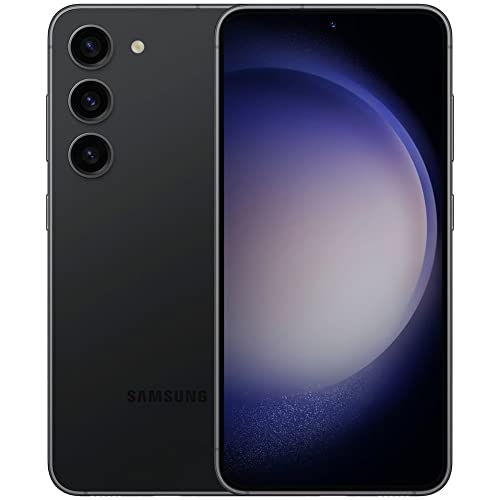
What's inside
- Where to buy
- Key Takeaways
- Quick Picks
- What should you check before buying a budget phone for T-Mobile?
- The picks in detail: which budget Android suits your life on T-Mobile?
- Why does band support matter more than any other spec here?
- How do you move a line onto one of these phones without drama?
- Comparison table
- What mistakes do budget phone buyers keep making?
- What does each pick feel like after a month of real use?
- How can you make a budget phone last years instead of months?
- Does it matter whether your T-Mobile line is prepaid or postpaid?
- What should you honestly expect from cameras at this level?
- What will the phone really cost once you add the essentials?
- Should you care whether the phone uses eSIM or a physical SIM?
- What changes when you are buying the phone for someone else?
- How should you judge signal quality in the places you actually live?
- What 5G speeds should you actually expect at this budget?
- Final Recommendation
- Frequently Asked Questions
- Related Guides
As an Amazon Associate I earn from qualifying purchases. This post may contain affiliate links at no extra cost to you.
gizmoverdict.com is reader-supported. When you buy through links on our site, we may earn an affiliate commission.
Where to buy
All six phones below are listed on Amazon in the US. One is sold specifically as a T-Mobile device; the other five are unlocked models that work on T-Mobile’s network and its prepaid offshoots such as Metro and Mint. Several listings are renewed units, and we flag those where they appear — at this end of the market a checked, warrantied renewed phone is often a smarter buy than a bottom-shelf new one, but only if you use the return window to test it properly.
Searching for the best 250.00 t mobile android phones sounds simple until you discover what the budget actually has to survive: T-Mobile’s network leans hard on specific 5G bands, and a cheap phone missing the right ones is not a bargain, it is a paperweight with a data plan. The $250 line in the keyword is the frame for this whole guide — we are not attaching prices to individual models, because street prices drift weekly, but every pick here belongs to that budget neighbourhood and was chosen to give you the most phone inside it. What “most phone” means at this level is refreshingly concrete: a screen you can read outdoors, a battery that ends the day alive, a camera that handles a birthday party, and 5G that actually connects to the towers T-Mobile built.
There is one decision to make before the picks make sense. A carrier-native phone like the TCL below is provisioned for T-Mobile out of the box — Wi-Fi calling, network features and updates all flow through the carrier’s own channel. An unlocked phone trades a little of that integration for freedom: it works on T-Mobile today and on another carrier tomorrow, and it is yours outright. Neither is automatically better. If you are buying for a parent who will call support when something confuses them, carrier-native has real value. If you switch plans or travel, unlocked wins. The guide keeps both doors open.
Key Takeaways
- The TCL 50 XL 5G is the anchor pick: a phone built for T-Mobile specifically, with a big 120Hz screen and a battery sized for long days.
- The Samsung Galaxy A36 5G is the unlocked pick whose listing explicitly confirms T-Mobile and MVNO compatibility — the safest unlocked choice here.
- Motorola’s Moto G Power 2025 is the battery champion of the group; the standard Moto G 2025 is its smaller-budget sibling for lighter users.
- The Galaxy A16 5G brings Samsung’s long software support and an AMOLED screen to the bottom of the budget.
- The Redmi Note 14 Pro 5G offers hardware that embarrasses the rest of this list, but it demands a careful band check before you order.
- At this budget, band support is the specification that matters most — verify T-Mobile’s key 5G bands on any phone not sold by the carrier itself.
Quick Picks
| Pick | Badge | Why it is here |
|---|---|---|
| TCL 50 XL 5G (T-Mobile) | Best Carrier-Native Choice | Built and provisioned for T-Mobile, with a large smooth screen and a battery that shrugs off long days. |
| Samsung Galaxy A36 5G | Best Unlocked All-Rounder | Listing-confirmed T-Mobile compatibility, generous memory and Samsung polish in the middle of the budget. |
| Motorola Moto G Power 2025 | Best Battery Life | The phone for people whose day outlasts other people’s phones — drivers, carers, anyone away from sockets. |
| Samsung Galaxy A16 5G | Best Long-Term Value | AMOLED screen, expandable storage and years of updates at the gentle end of the budget. |
| Motorola Moto G 2025 | Best for Light Users | Simple, clean and undemanding — the right first smartphone or backup phone in this group. |
| Xiaomi Redmi Note 14 Pro 5G | Best Hardware Per Dollar | A camera and display from a class above, for buyers willing to verify bands before ordering. |
What should you check before buying a budget phone for T-Mobile?
Band support first, everything else second. T-Mobile’s 5G is built largely on its mid-band spectrum, and its extended-range layer reaches the rural areas where a cheap phone earns its keep; a handset that lacks the relevant bands will fall back to patchy LTE and you will blame the network for the phone’s shortcoming. Carrier-sold phones are guaranteed by definition. For unlocked models, the listing should name T-Mobile or its bands explicitly — two of our picks do exactly that in their verified listing titles, which is why they rank where they do. If a listing is vague about bands, treat that vagueness as your answer.
Second, decide how the phone will be supported. Carrier-native devices get their updates and feature provisioning through T-Mobile, and Wi-Fi calling works without fiddling. Unlocked phones get updates from their makers — Samsung and Motorola both have decent records in this class — and Wi-Fi calling on T-Mobile works on the mainstream unlocked models here, but it is worth confirming on the exact listing if that feature is load-bearing for you, for example in a home with weak indoor signal. Third, think about who the phone is for: a phone bought for a teenager and a phone bought for a grandparent are different purchases wearing the same budget, and the picks below are labelled accordingly.
Finally, respect the renewed listings for what they are. At this budget, renewed stock is common and often excellent — a returned carrier phone, checked and resold, can beat a new ultra-budget model on screen, camera and build. The discipline is in the first week: test signal in your real places, check the battery’s stamina, and keep the packaging until you are sure.
The picks in detail: which budget Android suits your life on T-Mobile?
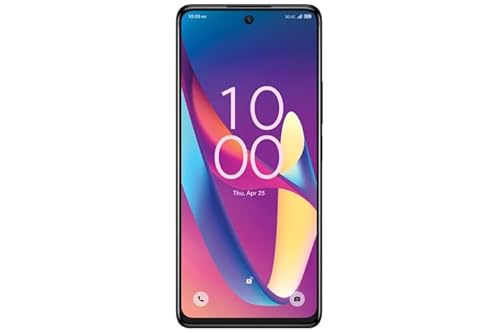
TCL 50 XL 5G (T-Mobile) — Best Carrier-Native Choice
Start with the phone that removes the compatibility question entirely. The TCL 50 XL 5G in our pool is the T-Mobile version — sold for this network, provisioned for this network, and updated through this network. That sounds like a limitation until you have watched a relative struggle with an imported phone that will not enable Wi-Fi calling; for the large group of buyers who simply want a big, modern phone that works on their existing T-Mobile line, carrier-native is not the cautious choice, it is the correct one. Activation is a SIM swap, network features behave as the carrier intends, and support has one throat to choke — the carrier’s — when something misbehaves.
The hardware comfortably fills the budget frame. The 6.78-inch FHD+ display runs at 120Hz, which at this price level is still not a given, and it transforms the feel of the phone: scrolling a news feed or a photo library stops stuttering and starts gliding, and the large canvas suits video, maps and the big-text settings many owners sensibly use. The 50MP main camera handles daylight and indoor family shots with more competence than TCL’s budget reputation suggests, and the battery — a large cell by any standard — is matched to the big screen so the phone ends long days with margin. Performance is everyday-grade rather than gaming-grade, and that is the honest trade: this phone spends its budget on screen, battery and network fit, which are the three things its buyers will notice daily, rather than on benchmark numbers they will never see.
- Network: T-Mobile version — carrier provisioned, no band guesswork
- Display: 6.78-inch FHD+, 120Hz refresh
- Camera: 50MP main camera
- Battery: large cell matched to the big screen
- Colour on this listing: Slate Gray
Strengths
- Zero compatibility anxiety — it is a T-Mobile phone in the fullest sense.
- The big, smooth screen makes it the best media and maps device in this guide.
- Battery endurance that suits delivery days, long shifts and forgetful chargers.
Trade-offs
- Locked to T-Mobile’s world; it is not the phone for a future carrier switch.
- Everyday performance is fine for communication and media, modest for heavy games.
- TCL’s update cadence trails Samsung’s in length and predictability.
Best for: existing T-Mobile customers who want the biggest, easiest upgrade inside the budget. Not suited for: carrier switchers, travellers needing a second network, or keen mobile gamers.

Samsung Galaxy A36 5G — Best Unlocked All-Rounder
The Galaxy A36 5G is the pick for buyers who want unlocked freedom without the usual unlocked anxiety, because its verified listing says the quiet part out loud: this device is compatible with T-Mobile networks and its MVNOs in the United States. That sentence is worth more than any single hardware feature in this guide. It means the phone was specced with this network in mind — the bands are there, the provisioning works, and the Metro or Mint line in your family is covered by the same purchase. Inside the budget frame, that certainty plus Samsung’s software polish makes the A36 the default recommendation for anyone who does not have a specific reason to choose otherwise.
The rest of the package is balanced in the way Samsung’s A-series does best. The configuration in our pool pairs generous memory with ample storage, so the phone does not wheeze when the photo library grows or when a dozen apps juggle in the background. The camera system is tuned for the shots this phone will actually take — people, food, documents, the dog — with Samsung’s processing giving bright, shareable results without editing. The display is the bright, colourful panel the A-series is known for, readable at a bus stop in July. As an international unlocked dual-SIM model, it also moonlights as a travel phone: a local SIM for data abroad while your T-Mobile line stays reachable is a trick carrier-locked phones simply cannot do. For a family buying two or three phones at once, that flexibility compounds.
- Network: unlocked, listing-confirmed for T-Mobile and its MVNOs
- Memory/storage on this listing: 8GB RAM, 256GB storage
- SIM: dual SIM — handy for travel or a second line
- Software: Samsung’s One UI with a solid update record
- Colour on this listing: Black
Strengths
- Explicit T-Mobile compatibility removes the biggest unlocked-phone risk.
- Memory and storage headroom that keeps the phone smooth for years.
- Dual-SIM travel flexibility no carrier-locked rival here can match.
Trade-offs
- International model: confirm the warranty terms on the listing before buying.
- No carrier store to walk into — support runs through Samsung and the seller.
- Charging speed and camera zoom are everyday-grade, not flagship-grade.
Best for: unlocked buyers on T-Mobile, Metro or Mint who want one phone that simply covers everything. Not suited for: buyers who want carrier financing or in-store support.

Motorola Moto G Power 2025 — Best Battery Life
Some phones are bought with the head; the Moto G Power is bought with the calendar. Its reason to exist is the day that starts at five in the morning in a depot, runs through twelve hours of navigation, calls, photos of deliveries and a hotspot session in a lay-by, and ends with a phone still alive for the drive home. Motorola’s Power line has owned this brief for years, and the 2025 model continues it: a battery-first design, an efficient processor that sips rather than gulps, and software clean enough not to waste charge on bloat. For carers doing overnight check-ins, drivers, site workers and anyone whose job happens far from a wall socket, this is the pick that respects the actual shape of their day.
It is not a one-trick phone, which is what separates it from the disposable battery bricks of old. The 50MP camera is genuinely decent — Motorola’s processing has become quietly reliable, and the shots this phone takes of job sites, family and documents need no apology. The display is large and clear, the build shrugs off the knocks of a working life better than glass-backed fashion phones, and because this listing is the US-made-for-US unlocked model, T-Mobile band support is a designed-in fact rather than a hope. It works on the other major US networks too, which makes it the natural spare phone for a household: the one in the drawer that can join any line in an emergency. You give up the fastest charging and the fanciest screen in the guide; you get back the evening hours other phones spend tethered to a cable.
- Network: unlocked, made for US networks including T-Mobile
- Battery: the endurance focus of the whole design
- Camera: 50MP main camera
- Memory/storage on this listing: 8GB RAM, 128GB storage
- Software: near-stock Android, light and uncluttered
Strengths
- Multi-day stamina for light users; a full brutal day for heavy ones.
- Clean software and US band support make it a dependable household spare.
- A working phone’s priorities: durable, readable, unfussy.
Trade-offs
- Charging is steady rather than rapid by flagship standards.
- The display is good, not gorgeous — Samsung’s AMOLED panels outshine it.
- Motorola’s update window is shorter than Samsung’s on the A-series.
Best for: drivers, carers, tradespeople and anyone whose day outlasts a normal battery. Not suited for: buyers who prioritise screen beauty or the longest software support.

Samsung Galaxy A16 5G — Best Long-Term Value
The Galaxy A16 5G makes an argument no other phone in this guide can: it will still be receiving software support when phones bought alongside it have been abandoned. Samsung extended its update commitment down the range, and at this budget that changes the maths completely — the cheapest phone to own over four years is the one you do not have to replace in year two because its banking app stopped trusting it. For a phone bought for a parent, a young teenager or a small business line, that longevity is not an abstract virtue; it is the difference between a purchase and a subscription to future purchases.
The daily experience is better than the price-led reputation suggests. The large AMOLED display is the screen bargain of this guide — deep blacks, strong colours and outdoor legibility that LCD rivals at this level cannot match — and it makes everything from video calls to photo review more pleasant than the budget implies. Storage expands with a memory card, an increasingly rare mercy that suits people who keep photos on the device rather than in a cloud. The camera covers the everyday repertoire honestly: daylight shots are bright and detailed, indoor shots are fine for the family chat, and nobody should expect stage-zoom heroics. This is the US version, unlocked, so T-Mobile fit is assured. If your instinct is to buy once and buy sensibly, this is your phone.
- Network: unlocked US version, 5G
- Display: large AMOLED — the best screen technology in this guide
- Storage: expandable by memory card
- Software: Samsung’s long update commitment for the class
- Charging: fast charging support for quick top-ups
Strengths
- Software longevity that makes it the cheapest phone here to own for years.
- AMOLED display quality the rest of the budget cannot touch.
- Expandable storage for photo hoarders and offline media.
Trade-offs
- Performance is adequate, not brisk — heavy multitaskers will feel it.
- The camera is an honest daylight tool, not a low-light instrument.
- Plastic build feels plain next to the A36’s finish.
Best for: parents, first phones and small-business lines that must last. Not suited for: gamers or anyone who upgrades for speed every year.

Motorola Moto G 2025 — Best for Light Users
Not every phone needs to survive a double shift or impress a spec sheet. The Moto G 2025 is for the person whose phone life is calls, messages, a banking app, the weather, some photographs of grandchildren and the occasional map — and who wants all of that to work without a learning curve or a frightening bill. Motorola’s gift in this class is restraint: the software is close to plain Android, the home screen is not a billboard, and the phone behaves the same way on day ninety as on day one. For a first smartphone, a replacement for a dying handset, or a clean second phone for a work line, that predictability is worth more than specifications.
The 2025 model covers the essentials properly rather than minimally. The display is large enough for comfortable reading and video, the camera handles daylight and indoor family moments without drama, and the battery comfortably spans a light user’s day and well into a second. The listing in our pool is a renewed unlocked unit, which suits this pick’s purpose — as a spare or a starter phone, a checked renewed unit stretches the budget furthest, provided you run the usual first-week checks on battery and signal. On T-Mobile the US-oriented Moto G line is a known quantity, and the phone also plays well with the other major networks if the line ever moves. It will not thrill a teenager raised on flagships, and it is not meant to; it is meant to be the phone nobody in the family ever has to think about, and at that job it is quietly excellent.
- Network: unlocked, US-oriented model for T-Mobile and others
- Memory/storage on this listing: 4GB RAM, 128GB storage
- Software: near-stock Android, minimal bloat
- Condition on this listing: renewed — run first-week checks
- Role: first phone, spare phone or light-use main phone
Strengths
- The simplest, calmest software experience in this guide.
- Covers every everyday essential without charging for extras.
- Renewed pricing makes it the lowest-risk spare phone here.
Trade-offs
- 4GB of memory shows its limits with heavy app switching.
- Not a gaming or photography enthusiast’s phone in any sense.
- Renewed condition varies — battery checks in week one are essential.
Best for: light users, first smartphones and household spares. Not suited for: teenagers expecting flagship speed or heavy multitaskers.

Xiaomi Redmi Note 14 Pro 5G — Best Hardware Per Dollar
Every budget guide has one phone that makes the others look timid, and here it is the Redmi Note 14 Pro 5G. A 200MP main camera, a 6.67-inch 120Hz display, fast charging and a spec sheet that reads like a phone from the class above — Xiaomi builds its Note line to win comparison tables, and on paper it wins this one walking away. Its verified listing is aimed at T-Mobile, Mint and Tello users, which is why it is in this guide at all. But this is the pick that comes with homework, and the homework is not optional: Redmi models are built for global markets, and band coverage varies by variant, so the exact unit’s support for T-Mobile’s key 5G bands must be confirmed against the listing before money moves.
Do that homework and the reward is real. The camera’s high-resolution sensor captures detail that survives cropping — the budget traveller’s substitute for a zoom lens — and the display is the kind of panel that makes owners of more expensive phones quietly annoyed. The dual-SIM flexibility suits the same travel trick as the A36, and the battery and charging combination is built for people who top up in bursts. The compromises are ecosystem ones: Xiaomi’s software is busier than Motorola’s or Samsung’s, its US support footprint is thinner, and resale value here is modest. Buy it as an informed enthusiast purchase — the most hardware this budget can hold, accepted with open eyes — and it is the most exciting phone in the guide. Buy it casually, skipping the band check, and it is the only pick that can genuinely disappoint.
- Network: unlocked dual SIM, listing aimed at T-Mobile/Mint/Tello — verify bands on the exact unit
- Camera: 200MP main camera, exceptional detail for the class
- Display: 6.67-inch, 120Hz
- Memory/storage on this listing: 8GB RAM, 256GB storage
- Extras: NFC for contactless payments
Strengths
- Camera detail and display quality from a price class above.
- Generous memory, storage and fast top-up charging.
- Dual-SIM flexibility for travel and second lines.
Trade-offs
- Band verification is mandatory homework, not a formality.
- Busier software and a thinner US support network than Samsung or Motorola.
- Not the pick to hand to a non-technical relative.
Best for: informed buyers who want maximum hardware inside the budget and will check the details. Not suited for: gift purchases or anyone who skips fine print.
Why does band support matter more than any other spec here?
Because a phone that cannot hear the network cannot do anything else. T-Mobile built the widest mid-band 5G footprint in the US, and that layer is where the network’s real-world speed and capacity live; its low-band layer is what reaches into rural areas and deep indoors. A budget phone missing the mid-band piece will show a 5G icon in some places, crawl in others, and leave its owner convinced the carrier oversold them — when the truth is the handset was never fluent in the local language. This is also why the second-hand market needs care: a model name sold in three regions may carry three different band sets under identical branding.
The practical method takes five minutes. Find the exact model number of the unit you are buying, find its band list on the listing or the maker’s specification page, and compare it against the bands your carrier publishes for its 5G service. Carrier-sold phones skip the exercise entirely. Mainstream US unlocked models from Samsung and Motorola are designed with the US networks in mind. Global models like the Redmi are where the exercise earns its keep. Do it once, in writing, before the order — it is the cheapest insurance in this entire guide.
How do you move a line onto one of these phones without drama?
Start before the new phone arrives. Back up the old phone completely — photos, messages, authenticator apps and banking logins are the four things people forget in ascending order of pain. Note which apps hold your two-factor codes, because moving a line before moving your authenticators is how people lock themselves out of their own accounts on a Sunday evening. If your current line uses a physical SIM, the swap itself is the easy part: power down, move the SIM, power up, and give the phone a few minutes to provision. If you are on an eSIM, follow T-Mobile’s transfer flow from the new phone with the old one nearby and on Wi-Fi.
After the line lands, test the four things that actually matter in the places they matter: a call from the room with the weakest signal in your home, Wi-Fi calling with mobile data switched off, a photo sent to a family member, and your banking app’s login. Then keep the old phone, charged and un-wiped, for one week. That overlap week is the difference between a migration and a rescue mission. Once the new phone has survived it, wipe the old one properly and pass it on, sell it or drawer it as the household spare — at this budget, a working spare is worth more than its resale value the first time a screen meets a pavement.
Comparison table
| Phone | Network fit | Headline strength | Best at | Watch out for |
|---|---|---|---|---|
| TCL 50 XL 5G | T-Mobile native | Big 120Hz screen, big battery | Easy carrier upgrade | Locked to one carrier’s world |
| Galaxy A36 5G | Unlocked, T-Mobile confirmed | Memory, storage, dual SIM | Unlocked all-round use | International warranty terms |
| Moto G Power 2025 | Unlocked, US model | Battery endurance | Workdays away from sockets | Slower charging |
| Galaxy A16 5G | Unlocked, US version | AMOLED screen, long support | Keeping a phone for years | Modest performance |
| Moto G 2025 | Unlocked, US-oriented | Simple, clean software | Light users and spares | 4GB memory ceiling |
| Redmi Note 14 Pro 5G | Unlocked, check bands | 200MP camera, 120Hz display | Maximum hardware per dollar | Band homework required |
What mistakes do budget phone buyers keep making?
The expensive mistake is buying on screen size and camera numbers while skipping the band list — a global model with a dazzling spec sheet and the wrong radios is the classic budget heartbreak, and it is entirely avoidable with five minutes of checking. The second mistake is the opposite snobbery: assuming carrier-native means inferior. The TCL in this guide is the easiest phone here to own precisely because it was built for one network; freedom you never use is not a feature.
Third, buyers forget the total cost of the drawer. A case, a screen protector and possibly a new charger are part of the purchase, and at this budget they are a meaningful fraction of it — include them in the plan rather than discovering them at the till. Fourth, people hand a renewed phone to its new owner without the first-week checks, then blame the concept of renewed when a weak battery surfaces in month two. And finally, do not buy a phone with storage you have already filled in your head: photographs and apps grow, and the model with room to spare is the one still pleasant in year three.
What does each pick feel like after a month of real use?
Month-two impressions are where budget phones separate. The TCL 50 XL settles into the role of household big screen: it is the phone that ends up propped on the kitchen counter for video calls and recipes, because its display and battery make it the natural choice for anything longer than a glance. Owners stop noticing the carrier integration, which is precisely the point — nothing ever asks them a question they cannot answer. The Galaxy A36, by contrast, keeps revealing small competences: a document scan that just works, a photo that needed no edit, a travel week where the second SIM quietly saved the data budget. It is the phone people recommend to colleagues without caveats, which in this price class is a rare sentence.
The Moto G Power’s month is measured in uncharged evenings — its owners develop the slightly smug habit of leaving the charger at home on overnight trips. The A16’s month is measured in support: it is the phone bought for a parent that generates the fewest phone calls to you, because Samsung’s interface is the one they have seen on relatives’ phones and the updates arrive without incident. The Moto G 2025 becomes invisible in the best way, a spare that is simply there, charged and current, the day a main phone goes swimming. And the Redmi’s month divides its owners cleanly: those who did the band homework enjoy the best screen and camera in the guide daily, while the rare buyer who skipped it learns why the homework existed. A month in, nobody regrets the five minutes of checking; a few people regret skipping it.
How can you make a budget phone last years instead of months?
Longevity at this level is mostly housekeeping. Keep storage below roughly eighty percent full — Android slows and updates fail on a crammed phone, and the fix is boring: let photos back up to the cloud, delete the video duplicates, and move the offline music habit to a memory card where the phone allows it, as the A16 does. Keep the phone out of the two environments that age batteries fastest, which are a hot car dashboard and a nightly eight-hour bake on a fast charger it does not need; a slow overnight charge on a cheap cable is genuinely kinder to a budget battery than repeated full-speed top-ups.
Software housekeeping matters just as much. Install updates when they arrive rather than letting them queue into a frightening pile, remove the apps you stopped opening in spring, and resist the booster and cleaner apps that promise speed and deliver advertising. Physically, a case and a screen protector are not accessories at this budget, they are the insurance policy — a cracked screen on a phone in this class usually costs a meaningful share of the phone’s value to repair, which is how a two-year phone becomes a nine-month phone. Treat the device gently, keep it current, and every pick in this guide has a realistic path to three or four years of service.
Does it matter whether your T-Mobile line is prepaid or postpaid?
For the phone itself, less than people expect. The radios do not know what kind of plan is paying for them, and every pick here will run a prepaid line from T-Mobile’s own prepaid arm or an MVNO like Metro or Mint with the same signal as a postpaid line in the same place. Where the distinction shows up is around the edges: carrier-native devices are sold through postpaid channels and may carry activation expectations tied to them, some promotional features launch on postpaid first, and support experiences differ — an MVNO’s customer service is a different organisation from T-Mobile’s, with different tools.
The practical guidance is simple. If your line is with an MVNO, favour the unlocked picks whose listings speak to that world directly — the A36 names the MVNOs in its own listing, and the US unlocked Motorolas and Samsungs are the stock-in-trade of prepaid counters everywhere. If your line is postpaid and you value the carrier handling everything, the TCL’s native route is the smoothest. And if you are considering switching between the two worlds, an unlocked phone is the one purchase that never has to be repeated: it is the only item in this guide guaranteed to survive your next plan change unchanged.
What should you honestly expect from cameras at this level?
Budget cameras have quietly become good at the photographs people actually take. In daylight, every pick in this guide produces bright, detailed images that survive being shared, printed small or shown on a television — the gap to a flagship in sunshine is now mostly about taste in colour rather than competence. The Redmi’s high-resolution sensor adds a genuine party trick: crop into a daylight shot and the detail holds, which turns one wide photograph of a group outing into several usable tighter ones. Samsung’s pair process skin and skies the most pleasingly out of the box, and Motorola’s recent tuning is more honest than its old reputation.
Where the budget still shows is after dark and in motion. Night modes across these six are serviceable — a lit street, a restaurant table, a birthday cake will all come home recognisable and often charming — but a flagship’s stacked processing is visibly cleaner, and no honest guide should pretend otherwise. Moving children and pets in indoor light will defeat every autofocus here sometimes. The technique that closes most of the gap is free: brace the phone, tap to focus on the face, and take three frames instead of one. Budget cameras reward small kindnesses, and the photographers who learn that get results their friends assume came from a more expensive phone.
What will the phone really cost once you add the essentials?
The handset price is the beginning of the purchase, not the whole of it, and at this budget the extras are proportionally large enough to plan for. A case and a tempered-glass screen protector are close to mandatory — budget phones are dropped exactly as often as expensive ones and repaired far less economically. A charger may or may not be in the box depending on the model, and a longer cable for the bedside is the quality-of-life purchase nobody regrets. If the phone will live in a car, a proper mount that does not cook it against the windscreen vent pays for itself in battery health alone.
There are also two costs people forget entirely. The first is time: moving lines, logins and photographs takes an hour or two done carefully, and rushing it is how accounts get locked. The second is the old phone’s remaining value — a wiped, working handset is a household spare, a trade-in credit or a donation, and all three beat the drawer. Budget the money, budget the hour, and the purchase stays inside the spirit of the keyword: a good phone, honestly accounted for, with nothing important discovered later. Keep the receipts and the box until the first month is out — at this end of the market, the paperwork is part of the product, and the buyers who keep it are the ones returns and warranties actually work for.
Should you care whether the phone uses eSIM or a physical SIM?
At this budget, mostly no — and the exception is worth knowing. Physical SIMs remain the budget market’s default, and they carry a humble superpower: when a phone dies, the SIM moves to any spare handset in a kitchen drawer and the line is alive again in two minutes, no carrier call, no app, no verification code sent to the very number that is down. For families and small businesses running on thin margins of time, that resilience is a feature no specification sheet lists. eSIM is tidier and increasingly common further up the range, and the dual-SIM unlocked picks here can pair a physical home line with digital flexibility in various combinations.
The moment eSIM genuinely matters is travel and second lines. An unlocked dual-SIM phone lets a traveller keep the T-Mobile number reachable for bank codes while a local SIM or travel eSIM carries cheap data — the A36 and Redmi both play this game. If that is your life, buy for it deliberately. If it is not, do not pay a premium or reject a good phone over the question; the SIM format will not be what you remember about any of these devices in three years.
What changes when you are buying the phone for someone else?
Half the phones in this budget class are bought by one person for another — a parent, a teenager, an employee — and the right answer changes with the recipient. For a parent, the ranking inverts toward support and familiarity: the A16’s long updates and Samsung’s widely-known interface mean fewer confused phone calls to you, and the TCL’s carrier-native setup means the carrier’s shop can help when you cannot. Buy the phone you can troubleshoot from memory, because you are the support department now.
For a teenager, durability and storage outrank elegance: the Moto G Power survives the lifestyle and its battery survives the school day, and whichever model you choose, the case budget doubles. For an employee, the calculus is standardisation — three identical A36s are easier to manage than three individually perfect phones, and the listing-confirmed network fit means no activation surprises across the set. In every case, set the phone up with the recipient present, move the authenticators together, and write the account passwords down somewhere physical and safe. Then do the kindest thing a family tech department can do: put your own number on the phone’s lock-screen message or in its emergency contacts, set the text size to what the recipient actually reads comfortably rather than what looks tidy, and delete the promotional apps before handing it over, so the first week with the new phone feels like an upgrade rather than a puzzle. The best budget phone is the one whose owner never has to call you about it, and that outcome is decided more by the setup afternoon than by the model number.
How should you judge signal quality in the places you actually live?
Carrier coverage maps are optimistic documents, and the only map that matters is the one drawn by your own week. When a phone from this guide arrives, run a deliberate circuit before the return window closes: the corner of your home where calls go to die, your workplace’s interior, the supermarket with the metal roof, the stretch of road where streaming always stutters. Note where the phone holds a usable connection, where it drops to a slower layer gracefully, and where it gives up entirely. A good budget phone is not the one with the fastest speed test in a car park beside a tower; it is the one that keeps a call intelligible in the basement laundry room. Write down what you find, spot by spot, while the test week runs — memory flatters new purchases, and a short honest list is what turns a vague feeling about signal into a decision you can defend.
Compare honestly against the phone you are replacing, on the same line, in the same spots. If the new handset matches or beats it everywhere, the network fit is proven and the band question is settled by evidence rather than paperwork. If one location collapses that the old phone handled, that is exactly what the return window exists for — swap the unit or step to a different pick while the option is free. This small ritual, twenty minutes spread across a week, is the difference between buyers who trust their budget phone for years and buyers who spend those years blaming the network for a handset’s shortcomings.
What 5G speeds should you actually expect at this budget?
Expect the network, not the phone, to set the pace. Every pick here carries a modern 5G modem capable of speeds far beyond what any app you own can use; the differences between them appear at the margins — a weak-signal basement, a crowded stadium — rather than in headline numbers. On T-Mobile’s mid-band layer, which covers most populated areas, any of these six will stream, upload and hotspot at speeds that make the old LTE era feel like dial-up nostalgia. On the extended-range layer that reaches rural areas, speeds are humbler but coverage is the entire point: a map that loads at a trailhead beats a gigabit that does not exist there.
The budget-relevant truth is that modem quality has equalised faster than any other part of the phone. A flagship’s radio may cling to a fading signal a few seconds longer or aggregate more bands in a dense city, but for the messaging, browsing, streaming and navigation that fill a real day, the six phones here are functionally the network’s equals. Spend your attention on the things that have not equalised — screens, batteries, cameras, software support — and let the 5G take care of itself, provided you did the band check that guarantees it can. That division of worry is the whole philosophy of buying well at this price: verify the invisible, enjoy the visible. It is also worth saying plainly that a hotspot session for a laptop, a feature budget-phone buyers often assume is reserved for flagships, works across this entire guide — the radios and the plans permitting, any of these six can keep a laptop, a tablet or a child’s homework session online from a train seat or a parked car, which quietly doubles their value to families who travel.
Final Recommendation
For most T-Mobile customers reading this guide, the decision resolves into one question: do you want the carrier to own the details, or do you want to own the phone? If the carrier should handle it, the TCL 50 XL 5G is the honest, big-screen answer. If the phone should be yours, the Galaxy A36 5G is the unlocked pick with its compatibility stated in writing, with the A16 beneath it for the long haul and the two Motorolas covering endurance and simplicity. The Redmi is the enthusiast’s wildcard, rewarding exactly the kind of buyer who reads guides to the end. Whichever you choose, check the bands, run the first-week tests, and keep the old phone charged for seven days — the budget is small, but a phone chosen this carefully will never feel like it.
Frequently Asked Questions
Will an unlocked phone really work on T-Mobile?
Yes, when it carries the right bands — which is why this guide favours listings that state T-Mobile compatibility explicitly, like the Galaxy A36’s, or US-market models from Samsung and Motorola that are built for these networks. The check is the model number and band list, not the word “unlocked” on its own.
What about Metro, Mint and other T-Mobile-based services?
They run on T-Mobile’s network, so a phone that is right for T-Mobile is right for them. The A36’s listing names the MVNOs directly. Carrier-native T-Mobile devices like the TCL are generally intended for T-Mobile’s own lines, so check with the prepaid brand before assuming it will activate there.
Is a renewed phone a false economy at this budget?
Not when you treat the return window as an inspection period. Test signal in your real locations, watch the battery across two normal days, and check the screen and ports. A renewed unit that passes those tests — like the Moto G 2025 listing here — is often better value than a new phone built to a lower standard.
How much storage should a budget phone have?
Treat 128GB as the working minimum and 256GB as comfortable, especially without a memory-card slot. The A16’s expandable storage is the exception that forgives a smaller internal size. Photos, offline maps and app caches grow steadily, and a full phone is a slow phone.
Can these phones handle games and video calls?
Video calls, easily — all six. Games, honestly: casual and mid-weight titles run fine across the guide, while the heaviest 3D games will want settings turned down on every phone here. The A36 and Redmi have the most headroom; the Moto G 2025 has the least, by design.
Do these phones support Wi-Fi calling on T-Mobile?
The carrier-native TCL does by design. The mainstream US unlocked Samsung and Motorola models generally support it on T-Mobile as well, but because provisioning can vary by exact model and firmware, confirm it on the specific listing if your home has weak indoor signal and Wi-Fi calling is essential rather than nice to have.
Can I finance one of these through the carrier instead?
Carrier financing applies to phones the carrier sells, which in this guide means the TCL route. The unlocked picks are bought outright — which is precisely their long-term economy: no monthly device payment, no payoff balance when you switch plans, and a phone that is yours from the day the box opens.
What happens to my number and plan when I swap phones myself?
Nothing changes. Your number, plan and billing live with the carrier and follow the SIM or eSIM, not the handset. Swapping phones yourself does not start a new contract, alter your plan or require a store visit — you are simply moving your line’s key into a new lock. The one exception is a carrier-native promotional device bought on a financing agreement, whose payments continue regardless of which phone the SIM sits in.
Are any of these phones good for a small business?
Yes — the A36 for standardisation and the Moto G Power for field staff are the two we would issue. Buy identical units, set them up from one checklist, keep one charged spare per team, and the fleet manages itself. The A16 suits desk-and-counter roles where the phone rarely leaves the building.
Should I wait for a sale instead of buying now?
Budget Android prices drift rather than crash, and the renewed listings move with stock rather than seasons. If your current phone is dying, buy the right phone now; if it is merely old, the five-minute band check matters more than a few dollars of timing.
Related Guides
Keep researching with our guides to the best unlocked Android phones for any carrier, budget phones with the longest battery life, and how to check 5G band compatibility before you buy.