Our Top Picks
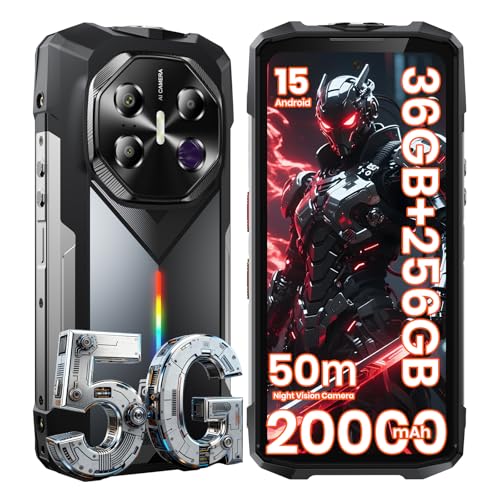
 OUKITEL C62 Unlocked Phones Dual-Screen Android 16 Smartphone2.97 x 2.9 x 6.1 inches0.78 poundsCheck on Amazon


What's inside
- The generations, translated into plain language
- Victus changed the conversation, not the laws of physics
- Drop resistance and scratch resistance are different fights
- Which phones use which glass
- How to check the glass on a model before you buy
- Why a case and protector still make sense
- The myth of unbreakable tempered glass
- A practical buying guide, step by step
- Living with each generation, year after year
- Care habits that quietly extend a screen’s life
- Reading drop tests and scratch tests like a sceptic
- Check prices on Amazon
- Frequently asked questions
As an Amazon Associate I earn from qualifying purchases. This post may contain affiliate links at no extra cost to you.
Glass is the part of a phone you touch, trust, and eventually betray. You press it hundreds of times a day, slide it across cafe tables, drop it into bags beside keys and coins, and one ordinary afternoon you watch it slip from a coat pocket toward concrete with that slow, helpless clarity reserved for expensive objects. The best android phones with gorilla glass cannot repeal gravity, yet the sheet bonded above their displays decides whether that fall ends as a scare, a scratch, or a repair bill. That single component deserves far more attention than the one line it usually receives on a specification sheet.
A short disclosure belongs near the top: links on this page may earn us a small commission on qualifying purchases, money that supports our writing without altering which handsets we praise, question, or leave aside. With that settled, the real subject is confusion. Corning has sold its strengthened glass under overlapping names for more than a decade, and phone makers quote those names as though each were a simple score. Gorilla Glass 5 sounds better than 3, Victus sounds tougher than both, and Armor sounds tougher still, but the numbers and badges describe different mixtures of drop survival, scratch resistance, thickness, and marketing timing. Untangling them is the difference between buying protection and buying a word.
Start with a basic truth that manufacturers rarely emphasise. All phone glass can break, and all phone glass can scratch. Strengthened glass is engineered to shift the odds, postponing failure and changing how damage appears, not granting immunity. A sheet that survives repeated falls onto rough pavement may still collect a bright scar from quartz dust in a pocket. Another formulation that resists keys and coins impressively may surrender when its corner strikes a kerb at exactly the wrong angle. Protection is therefore a profile of strengths and weaknesses, never a single virtue, and every generation discussed below should be read that way.
Corning makes its glass through chemical strengthening, bathing thin sheets in a hot potassium salt solution so larger ions crowd into the surface and place it under compression. Picture a tightly packed crowd leaning inward: a crack needs extra force to prise the surface apart, and shallow flaws struggle to spread. That compressive layer is the quiet hero of every drop test and scratch demonstration. Its depth, the underlying composition, the thickness chosen by the phone maker, and the shape of the surrounding frame all influence real outcomes as much as the headline generation printed in advertising copy.
Context from the wider market helps, because glass never works alone. Buyers comparing handsets through our guide to best 5g android phones will notice that modern radios, large batteries, and multiple cameras have made phones heavier than the slim devices of a decade ago. Extra mass raises impact energy. Curved edges expose more glass to the ground. Camera bumps tilt a falling handset in unpredictable ways. A Victus panel set into a raised metal frame may fare better than a nominally newer sheet stretched over a sharply curved edge, which is why this article keeps returning to design rather than treating the badge as destiny.
The generations, translated into plain language
Gorilla Glass 3 belongs to the era when strengthened front panels moved from luxury to expectation. It introduced a composition Corning promoted for improved scratch resistance and retained strength after damage, qualities that mattered on devices such as older Samsung Galaxy models and early premium handsets from several makers. By current standards its drop protection is modest, partly because phones of its period used thinner sheets and less sophisticated frames. Encountering Glass 3 today usually means looking at an ageing handset, a budget device using older stock, or a rear panel where the front uses something else entirely. Treat it as serviceable history rather than a reason to buy.
Gorilla Glass 4 arrived with a sharper focus on falls, particularly the short drops onto hard, rough surfaces that happen when a phone escapes a hand at waist height. It represented a change in priorities: surviving the accident became at least as important as resisting the scratch. Some makers adopted it widely, others skipped quickly past, and its lifespan in flagship conversation was comparatively brief. If you meet it on a used phone, the important questions concern the individual unit rather than the label. Has the panel already been replaced with unbranded glass? Are there chips along an edge where future cracks love to begin? Age degrades nothing in the sheet itself, but accumulated micro damage absolutely changes its future.
Gorilla Glass 5 widened the drop story, with Corning describing survival from greater self-level heights onto rough ground in laboratory conditions. It became a familiar sight across late twenty-teens flagships and midrange phones, appearing on generations of Samsung Galaxy S and Note devices, Google Pixel models, and numerous handsets from LG, Sony, and others. Glass 5 remains a respectable baseline when shopping used, provided the specific phone carries it on the front rather than only across the back. Its weakness, discussed openly by owners for years, is that prioritising drop survival did not make it unusually hard to scratch. Fine lines from grit appear readily, especially without a protector.
Gorilla Glass 6 pushed laboratory drop claims further, emphasising survival across multiple falls rather than a single heroic plunge. That distinction mirrors real ownership. Most phones do not die in one cinematic accident; they endure a clumsy year of small knocks, each fall potentially seeding damage the next one completes. Glass 6 appeared on devices including Samsung Galaxy S10 and Note 10 families, Google Pixel 4 models, and OnePlus handsets of that period. In practice it felt like a refinement rather than a revolution, and owners learned the familiar lesson again: impressive drop statistics coexisted with surfaces that could still pick up shallow scratches from everyday abrasive dust.
Between the numbered generations sits Gorilla Glass DX and related variants, names aimed less at surviving falls and more at optics and wearable-style applications, though versions have appeared in phone camera coverings and other components. Their presence in a listing can mislead hurried readers into assuming the main display enjoys the same specification. Always ask which surface a claim describes. A handset may pair a modern Victus display with a different glass over its camera lenses, an older formulation on its back, and plastic around a secondary screen. Marketing summaries compress those distinctions; careful buyers expand them again before paying.
Victus changed the conversation, not the laws of physics
Gorilla Glass Victus, launched in 2020, mattered because Corning claimed meaningful gains in both drop performance and scratch resistance at once. Earlier generations often felt like a seesaw, one quality rising while the other idled, so a combined advance deserved attention. Samsung adopted Victus on the Galaxy S21 family and many successors, Google used it across Pixel generations, and it spread through premium Android quickly. In daily life, Victus phones do tend to shrug off the shallow scuffs that marked older panels sooner, while still demanding respect around gravel, tiles, and exposed corners.
Victus 2 followed with attention to rougher, heavier realities, including falls onto concrete-like surfaces and the growing weight of flagship hardware. It appears on devices such as Samsung Galaxy S23 and S24 families and Google Pixel 8 generation handsets, among many others. The improvement is best understood as margin rather than magic. A Victus 2 phone dropped from pocket height onto smooth wood may walk away unmarked where an older panel cracked, yet the same phone landing screen-down on a single raised pebble concentrates force so brutally that no consumer glass should be expected to win. Surface texture matters enormously, which laboratory averages tend to hide.
Then there is Gorilla Armor, introduced with the Samsung Galaxy S24 Ultra, which pairs toughness claims with an anti-reflective surface that noticeably calms glare outdoors. Armor illustrates where premium glass is heading: protection blended with optical behaviour, so the panel is judged by readability in sunlight as well as survival on pavement. Its reduced reflections are easy to appreciate in person and impossible to capture in a spec table. Availability remains narrow compared with Victus, tied to a particular flagship partnership, so shoppers should not treat its absence from other phones as a defect. It is a halo technology, not yet a market baseline.
Gorilla Glass 7i arrived from the opposite direction, aiming to bring improved durability to midrange and more affordable devices rather than reserving progress for flagships. That matters because buyers in the middle tiers have historically received vague descriptions such as strengthened glass with no generation named at all. A named 7i panel gives those shoppers something verifiable to compare, and its stated focus on drops and scratches suits phones likely to be carried without expensive accessories. Readers browsing best 1440p android phones will mostly meet Victus-class panels, since high-resolution displays cluster at the premium end, but 7i is the badge to welcome when the budget will not stretch there.
One more naming trap deserves attention before we leave the generations. Some phones advertise Corning glass without stating that the newest formulation covers only one side. A glass back looks luxurious, enables wireless charging, and photographs beautifully, but it doubles the area that can shatter and sometimes uses an older, cheaper sheet than the display. When a listing says a model features Victus, find the detailed specifications and confirm whether that promise applies to front, back, or both. Repair pricing follows the same split: replacing a curved front assembly costs far more than swapping a rear panel, so front protection deserves priority in your decision.
Drop resistance and scratch resistance are different fights
Imagine two enemies attacking the same wall by unrelated methods. Drop resistance concerns sudden energy: the panel must flex microscopically, distribute force, and stop cracks forming or racing from an impact point or edge flaw. Scratch resistance concerns surface hardness and abrasion: hard particles dragged under pressure gouge or fracture tiny tracks across the coating and glass. A formulation can excel against one enemy while merely coping with the other, because the material qualities and test procedures differ. This is why owners report phones that survived three falls yet look sandpapered, and pristine-looking phones that cracked in their first tumble.
What actually scratches a modern display
Keys and coins star in folklore, yet common mineral dust is the more persistent villain. Quartz, present in sand and much household grit, ranks harder than the materials phone glass comfortably resists, so a few grains trapped between screen and pocket lining can carve lines during an ordinary walk. Ceramic tiles, concrete dust from a workshop, beach sand, and the abrasive slurry inside a work bag all do similar work. Metal objects usually leave material deposits or shallow marks rather than deep grooves, though a sharp burr can still bite. Understanding the real culprit changes behaviour: shaking grit from a pocket matters more than banishing keys from it.
Scratch depth decides whether damage is cosmetic or structural. Hairline marks visible only under a lamp at one angle annoy perfectionists but rarely weaken the panel meaningfully. Deeper grooves you can feel with a fingernail deserve respect, because they interrupt the compressive surface and may act as starting lines when impact arrives. Camera lens covers suffer their own version of this problem, producing flare and soft patches in photographs long before they crack. Buyers drawn to best 5g camera phones should check lens glass specifications with the same care as display glass, since a brilliant sensor behind a scarred cover yields permanently hazy highlights.
Why corners and edges decide most drops
Ask repair technicians where cracks begin and the answer returns again and again: edges and corners. The middle of a strengthened sheet is remarkably resilient, able to absorb strikes that surprise people in demonstration videos. Edges, however, carry manufacturing stresses, tiny chips from previous knocks, and direct exposure when a phone rotates during its fall. A corner strike also concentrates energy into a small area while the frame twists. Once a crack starts there, internal stress and the panel geometry can carry it across the display in a branching pattern within milliseconds.
Frame design therefore acts as the glass’s bodyguard. A metal rail standing slightly proud of the panel intercepts the first contact on flat ground. Flexible polymer buffers inside a case absorb energy before it reaches the sheet. Even the adhesive and internal supports beneath the display influence whether force spreads or concentrates. Two phones sharing identical Victus branding can produce different outcomes from the same kitchen floor because one wraps its panel in a forgiving chassis while the other exposes a polished, curved edge for the sake of a seamless feel in the hand. Beauty and survivability negotiate constantly, and the invoice arrives later.
Height claims need translating as well. Laboratory drops use controlled orientations, fresh samples, and defined surfaces, while your phone falls from a moving hand, strikes at an angle, bounces, and sometimes lands twice. A claim about surviving drops from a given height describes comparative progress under test conditions, not a promise calibrated to your staircase. Treat bigger numbers as evidence that engineers bought you extra margin. Then spend that margin wisely rather than behaving as though it were infinite, because the unlucky variable in a real fall is rarely height alone; it is the pebble, the tile edge, the exposed corner, the prior invisible chip.
Which phones use which glass
Samsung’s flagship lines offer the clearest public map. Recent Galaxy S models have progressed through Victus, Victus 2, and, for the S24 Ultra, Gorilla Armor, while foldable Galaxy Z devices complicate the picture because their inner folding displays use flexible plastic-based coverings that must never be judged by rigid glass standards. The outer cover screens on those foldables do use strengthened glass, but the folding panel demands entirely different care: no hard stylus pressure unless designed for it, no protector removal against instructions, and no illusion that Victus logic applies. Galaxy A series models vary widely by year and region, ranging from named Gorilla Glass generations to unspecified strengthened panels.
Google’s Pixel line has used Victus and Victus 2 across its recent premium generations, with Pro and standard models sometimes differing in back panel specification even when their fronts match. Pixel A series devices have historically stepped down to older named generations, such as Gorilla Glass 3 on some models, reflecting cost control in a line that prioritises camera software and updates. That trade can be entirely sensible. A buyer who always fits a protector may happily accept older front glass in exchange for years of software support, while a careless outdoor worker should weigh the panel more heavily than benchmark scores.
Motorola spreads its choices across a broad catalogue. Premium Edge models have used recent Gorilla Glass generations, while Moto G phones often specify an older generation or a competing strengthened product depending on the year’s model and market. Nothing in the brand name alone guarantees a tier, so check each variant rather than assuming last year’s specification carried forward. The same caution applies to OnePlus, Xiaomi, Sony, and Asus, all of which mix Corning generations across price bands and occasionally use glass from other suppliers on particular surfaces. Regional variants occasionally differ too, which is why a review filmed with one market’s unit should not settle a question about yours.
Competing glasses deserve a fair mention, because Corning does not own the concept of strengthening. Some Android makers fit panels from suppliers such as Asahi, whose Dragontrail line has a long history, or use proprietary-sounding descriptions developed with partners. A phone lacking the Gorilla name is not automatically fragile, just as a phone wearing it is not automatically robust. What matters is verifiable information: the supplier, the generation or product line, which surfaces it covers, and any independent evidence about thickness and frame design. Vague phrases like premium toughened glass tell you almost nothing and should lower your confidence accordingly.
A quick orientation by buyer type
Outdoor workers, field engineers, delivery riders, and anyone whose phone lives beside tools should hunt for Victus-class front glass at minimum, flat rather than deeply curved edges, and a chassis with raised rails. Parents handing a phone between small, enthusiastic hands should value the same things and add a grippy case from day one, because drop frequency beats drop drama in the damage statistics of family life. Office workers whose handsets travel from desk to car mount may reasonably prioritise scratch behaviour and anti-reflective coatings, especially if they dislike protectors and read outdoors during lunch or on trains.
Photographers should inspect both ends of the device. A tough display helps in the field, but lens cover glass, camera bump height, and the availability of lens protectors that do not degrade images matter just as much on a windswept hillside. Small phones raise a separate point: readers curious about best 4 inch screen android phones are looking at older or niche hardware where Glass 3-era panels are common, replacement parts are scarce, and a surviving unbroken example may be worth protecting precisely because its screen is effectively irreplaceable. In that corner of the market, condition reports matter more than generation numbers.
Used buyers should learn to read listings like insurers. Phrases such as small line on screen, minor crack at corner, or replaced display hide enormous differences in future durability. A genuine original panel with light surface wear often outlasts a cheap replacement fitted last month, even if the replacement looks flawless in photographs. Ask for images with the screen off under angled light, images of all four corners, and a plain statement about whether the display is original. Sellers who answer those requests precisely are telling you something about how the phone was owned, not merely about the glass.
How to check the glass on a model before you buy
Begin with the manufacturer’s own specification page, not a retail listing, a forum signature, or a comparison site that may have copied an early error into permanence. Search within that page for the display section and read exactly which surface is described. Some brands place glass information under durability, others under design, and a few bury it in downloadable specification documents. Write down the full claim, including whether it names the front, the back, or both. If the page says only that the phone uses Corning glass, you have learned the supplier and nothing about the tier, which is a meaningful gap.
Next, cross-check with Corning’s own product listings, where the company names devices carrying its materials. A match there carries weight because the supplier has little reason to inflate a partner’s specification. Absence is not automatic proof that a claim is false, since listings lag launches and regional variants multiply, but it is a prompt to keep digging rather than a detail to ignore. Reviewers who handle physical units sometimes confirm glass type in detailed specifications, though even reputable reviews occasionally repeat press material uncritically. Two independent confirmations should be your minimum before the glass influences a buying decision.
Questions to ask a seller or support agent
Ask which generation covers the front display, using those exact words. Ask whether the rear panel uses the same material. Ask whether the camera cover differs. If buying used, ask whether the screen has ever been replaced and, if so, with an original assembly or a third-party panel. Put the questions in writing where possible, because a written answer creates a record if the phone arrives contradicting it. Vague replies such as it is the strongest one or same as new are not answers; they are weather reports from someone hoping you will stop asking.
In person, inspection beats interrogation. Power the display down and tilt it beneath a bright light, moving slowly so hairlines reveal themselves as the reflection changes. Run a clean fingertip gently across suspicious marks: deposits sit on the surface, scratches interrupt it, and cracks often catch at one precise point. Examine corners against a dark background, where chips show as pale crescents. Check that touch responds evenly along edges and that colours stay uniform, signs that a previous replacement, if any, was competently fitted. None of this requires tools, only patience that hurried marketplaces are designed to discourage.
Model numbers deserve more respect than marketing names. The same commercial name can cover variants with different displays, storage, radios, and occasionally glass, sold through different carriers or regions. Confirm the exact model code from settings or packaging and search specifications for that code specifically. This habit also protects you when shopping for cases and protectors, which are cut for precise dimensions and button placements. A protector designed for a sibling variant may lift at the edges, interfere with an under-display fingerprint reader, or leave the most vulnerable curve exposed while looking almost right.
Why a case and protector still make sense
Some owners treat accessories as an admission of defeat, as though buying Victus and then fitting a case means the technology failed. Reframe it: the glass is engineered to handle accidents, and the case exists to make accidents rarer and gentler. Raised lips keep the panel off flat abrasive surfaces. Textured sides reduce the chance of the phone squirting from a damp hand. Corner bumpers sacrifice themselves at precisely the location where rigid glass is weakest. None of that duplicates what the panel does; all of it changes the conditions under which the panel must perform.
Screen protectors play a different role, acting as a renewable sacrificial layer. A tempered glass protector absorbs scratches that would otherwise mark the original surface, and in some falls it fractures while dissipating energy that might have reached the display. It will not save every phone, and sellers who promise otherwise are selling theatre. Its real value is economic and psychological: replacing a protector is cheap and calm, while replacing an original curved display assembly can approach the value of an older phone. Film protectors scratch sooner but conform beautifully to curves and preserve touch feel for people who dislike added thickness.
Choosing protection that suits the panel
Flat displays accept glass protectors gracefully, with full adhesive and clean edges. Curved displays complicate everything, rewarding protectors designed for that exact model, sometimes with adhesive only at borders, sometimes with full glue systems that demand careful fitting. A poorly fitted protector that lifts at one edge collects dust, weakens touch response, and can fool an ultrasonic fingerprint reader into inconsistency. Before blaming a phone for unreliable unlocking after fitting an accessory, remove the protector and test again. Compatibility lists from the phone maker are dull reading that saves genuine frustration.
Cases involve their own compromises. Heavy-duty shells with port covers suit building sites and hiking packs but add bulk that changes how a phone sits in a pocket, sometimes increasing the chance of it being left behind or fumbled during removal. Slim cases preserve the design you paid for while offering modest corner help. Clear cases yellow with age and sunlight, a cosmetic flaw owners should expect rather than dispute. Wallet cases shield the front when closed yet expose it completely during use, which is when most drops happen. Choose for your actual routine, not for an imagined catastrophe with cinematic staging.
There is also the question of grip before any fall begins. Polished glass backs are beautiful and treacherous in roughly equal measure, sliding on sofa arms, car seats, and slightly angled desks with a patience that feels personal. A matte skin, a textured case, or even a simple finger loop can prevent the drop that no generation of glass was consulted about. Prevention rarely appears in durability marketing because it cannot be branded as a laboratory statistic, but the toughest phone is the one still in your hand. Treat friction as a feature and be suspicious of any handset you cannot hold confidently one-handed.
The myth of unbreakable tempered glass
Every few years a demonstration video renews the fantasy: a phone hammered, keyed, dropped from a balcony, and held smiling to the camera. Demonstrations are edited environments. They choose impact points, surfaces, and surviving takes, and they rarely show the same unit enduring months of accumulated abuse afterward. The phrase unbreakable belongs to advertising folklore, not materials science. Strengthened glass fails less often and in more controlled ways than ordinary glass, sometimes cracking into relatively blunt fragments rather than dangerous shards, but failure remains part of its design envelope. Believing otherwise encourages exactly the carelessness that finds the envelope’s edge.
Another persistent misunderstanding equates hardness with toughness, as though a single number could rank both. Hardness describes resistance to surface penetration and scratching. Toughness describes the ability to absorb energy without fracturing. A material can be hard yet brittle, resisting a blade while shattering under a sharp blow, and phone glass lives precisely in that tension. Engineers balance composition, ion exchange, thickness, and lamination to serve both masters without fully satisfying either. When a headline announces a harder generation, ask what happened to drop behaviour, and when drop claims soar, ask about scratching. The follow-up question is where honesty lives.
People also overread the word tempered when shopping for accessories. Many inexpensive protectors describe themselves with hardness ratings borrowed from pencil scales or mineral comparisons that sound scientific while meaning little in practice. A protector’s real qualities are fit, adhesive behaviour, edge finishing, oleophobic coating durability, and whether its maker will replace a botched first attempt. Those mundane virtues protect more phones than a heroic number printed on a box. Similarly, a replacement display described as tempered may be far weaker than the original chemically strengthened assembly it replaces, a downgrade invisible until the next fall.
A practical buying guide, step by step
First, decide how you actually damage phones, using evidence rather than aspiration. Scroll your memory and your photo library of past handsets. If previous screens died by cracking, prioritise drop credentials, flat edges, and frame design. If they retired covered in fine lines but structurally sound, scratch behaviour and protector plans matter more. If both fates visited equally, you belong to the majority, and a Victus-class front with a sensible case is your honest answer. Self-knowledge sounds unglamorous beside laboratory statistics, yet it predicts your next three years better than any advertisement.
Second, verify the exact generation on the exact variant, following the checking routine described earlier, and note which surfaces it covers. Third, look at the phone’s silhouette. Prefer raised metal rails, modest curves, and a camera arrangement that does not rock the device face-up on a table. Fourth, price the accident in advance: research what an official display replacement involves for that model, because a tough panel on a phone with ruinous repair costs is only half a protection strategy. Fifth, budget accessories into the purchase from the beginning, not as an afterthought purchased weeks after the first drop.
Matching tiers to real budgets of worry
Think in tiers of concern rather than tiers of spending. At the highest concern level sit people whose work or adventures routinely expose a phone to concrete, grit, heights, and weather; they should chase the newest Victus or Armor-class fronts, choose flat glass, and accept flagship bulk. In the middle sit commuters, students, and parents, well served by Victus or Glass 6-era devices plus disciplined accessory use. At the relaxed end sit careful desk-based owners and second-phone buyers, for whom Glass 5 remains perfectly rational, especially on a used handset whose battery health and software support have been checked with equal care.
Do not let glass outrank the fundamentals it protects. A phone with a superb panel but a fading battery, abandoned software, or a camera you dislike will be replaced early, wasting its durability entirely. Longevity is a system: updates keep the device safe to use, battery health keeps it useful through a day, storage headroom keeps it pleasant, and the screen merely needs to survive long enough for those other virtues to pay off. Rank glass highly, interrogate it thoroughly, and still place it fourth or fifth on a sane checklist rather than first. That ordering is not a dismissal; it is how adults buy tools.
Finally, consider repairability as a durability feature in its own right. Some designs allow a cracked back to be swapped without disturbing the display assembly, while others bake every surface into one expensive unit. Independent repair availability, official parts programmes, and the local presence of technicians who know your model all change the true cost of bad luck. A slightly older glass generation on a phone your city can repair affordably may serve you better than the newest panel on an exotic import nobody nearby will touch. Durability includes what happens after durability runs out.
Living with each generation, year after year
Specifications describe a phone on its first morning, yet glass earns its reputation across winters, holidays, house moves, and job changes. A Glass 5 handset carried carefully in a jacket’s inner pocket can look younger after four years than a Victus device that spent eighteen months sliding around a tradesperson’s van. Ownership patterns compound quietly. Every habit, from where the phone sleeps at night to which pocket shares space with loose change, writes a small entry in the panel’s ledger, and the total eventually becomes visible. This is why two owners of the identical model can argue online about durability and both be reporting the truth.
Seasonal life tests glass in ways laboratories rarely discuss. Cold mornings make hands clumsier and gloves slicker, so winter drops often begin with a fumble rather than a clean release. Summer brings beach grit, sunscreen-slick fingers, and phones balanced on picnic benches or boat decks. Travel adds airport security trays, rental car cupholders full of crumbs and gravel, and the hurried pocketing of a handset while dragging luggage. A panel that survives your ordinary Tuesday may meet its defining accident during the one week a year when routine collapses, which argues for protection chosen for your worst regular week, not your best.
Children and pets rewrite the risk calculation entirely. A toddler treats a phone as a glowing treasure to be seized, waved, and occasionally launched toward tile. Dogs knock tables, cats conduct gravity experiments from shelves, and both species scatter abrasive household dust into every corner a device might land. Households like these should read generation labels through a simple multiplier: whatever the laboratory claimed, your environment will test it sooner and stranger. In such homes the humble routine of a charging spot safely away from table edges prevents more damage than any material upgrade ever announced on a stage.
Water resistance is a neighbour, not a sibling
Buyers often lump every durability claim together, assuming a phone advertised as water resistant must also be drop proof, or that a toughened panel implies sealed construction. These properties come from different engineering: gaskets, adhesives, and mesh guards handle liquid, while glass chemistry and frame design handle impact. A cracked panel quietly cancels much of the water protection a phone once had, because the breach gives liquid a path the seals were never designed to defend. After any significant drop, treat water resistance as suspect even if the screen still works, and keep the device away from pools and showers until it has been inspected.
Dust resistance interacts with glass in a subtler way. Fine particles that cannot penetrate a sealed phone can still gather on its surface and grind across it during cleaning or pocket travel. Wiping a dusty screen with a dry, dirty cloth is one of the most reliable ways to manufacture hairline scratches at home, a small tragedy of good intentions. Shake or blow loose grit away first, then use a clean microfibre cloth, slightly dampened if the surface feels grimy. The ritual takes seconds and preserves the oleophobic coating that keeps fingerprints easy to remove and touch feeling smooth.
Coatings wear out before glass does
That oleophobic layer deserves its own paragraph because owners often mistake its decline for screen damage. Fresh from the box, water beads and fingerprints wipe away with a single pass. After a year or two of thumbs, pockets, and cleaning, the coating thins unevenly, smudges linger, and the panel can feel draggy in the centre where scrolling happens most. The glass beneath may be structurally perfect. Replacement protectors carry their own fresh coating, which is one reason a phone can feel strangely new after a protector swap. Judging a used handset, separate coating wear from genuine scratching by cleaning the surface thoroughly and viewing it under several angles of light.
Anti-reflective treatments, most visible on Armor-equipped flagships, add another layer to evaluate. Reduced glare outdoors is a genuine quality-of-life gain for navigation, photography, and reading in bright places, and it can lower the brightness you need, which in turn eases battery strain on sunny days. Such coatings are engineered to be durable, yet they are still surfaces living in pockets, and owners should follow the maker’s cleaning guidance rather than experimenting with solvents or abrasive pads. When comparing an Armor phone against a Victus rival in a shop, take both to the window; the difference announces itself there more honestly than under ceiling lights.
Care habits that quietly extend a screen’s life
Give the phone a home. A consistent resting place, ideally a soft surface away from edges, removes dozens of improvised placements on washing machines, car roofs, garden walls, and bathroom sinks. Most owners can name a drop that began with setting a handset somewhere temporary and slightly absurd. A shallow tray or fabric mat by the door, a dedicated pocket in a work bag, and a stable car mount together form a protection system no laboratory measures. Habits scale across every generation of glass you will ever own, which makes them the highest-return investment in this entire guide.
Carry with intention. The back pocket invites sitting accidents and bending stress; the front pocket shared with a multi-tool invites abrasion; the loose handbag compartment invites everything at once. A separate sleeve or compartment costs little and changes the panel’s daily environment completely. Cyclists and runners should consider how vibration and a sudden dismount treat a phone in a jersey pocket, while gym users should banish handsets from the floor beside benches, where a rolling weight needs only a short journey to end a screen. None of these choices requires vigilance, only a decision made once and repeated automatically.
Clean the case, not just the phone. Grit migrates inside cases and stays there, pressed between shell and glass back, grinding patiently with every step you take. A case that was never removed can hide a constellation of scratches on the rear panel and occasionally trap a particle against the front edge. Once a month, remove the case, wash it according to its material, let it dry fully, and wipe the phone before reassembly. The same routine lets you spot early edge chips while they are still small curiosities rather than the opening chapter of a full crack.
When damage happens anyway
Stay calm and assess before acting. Note whether touch still registers everywhere, whether the display shows lines, blotches, or flicker, and whether fragments are loose. Photograph the damage for insurance or warranty conversations, then protect the surface and your fingers with a temporary covering. Back up photographs and messages while the phone still cooperates, because a wounded display can fail completely days later without further provocation. Decide about repair with the phone’s remaining software life in mind: a costly screen on a device nearing its final update may be money better directed toward a replacement handset.
Choose repair channels with the same scepticism you applied to buying. Authorised repairs preserve water resistance ratings more reliably and fit panels matching the original specification, while independent shops vary from superb specialists to anonymous part swappers. Ask any repairer, in writing, what glass the replacement uses, whether the fingerprint reader and brightness calibration are tested afterward, and what guarantee covers the work. A cheap quote that cannot answer those questions is not cheap; it is a lottery ticket with your photographs as the stake. After repair, treat the phone as a new surface and fit fresh protection before leaving the counter.
Insurance and protection plans fit into this picture as financial tools rather than physical ones. They do not stop a single crack; they decide who pays and how quickly. Read the excess, the claim limits, and whether repairs use original parts, then compare the total against simply setting aside a repair fund. Frequent travellers and people with a documented history of broken screens may find plans genuinely worthwhile, while careful owners often discover they have insured three phones across a decade to cover one incident. Either answer can be right, provided it comes from your own record rather than a salesperson’s raised eyebrow.
Reading drop tests and scratch tests like a sceptic
Independent testing can help, provided you read it as evidence rather than entertainment. A useful drop test names the surface, the height, the orientation, and how many samples were sacrificed, then shows failures as willingly as survivals. A useful scratch test explains its tools and pressure instead of dragging random objects across a panel for dramatic effect. When a video offers neither method nor repetition, treat it as theatre with a phone in the cast. Single samples prove almost nothing in a field governed by angles and prior flaws, and honest testers say so plainly.
Manufacturer claims deserve the same structured reading. Note the comparison being offered: against the previous generation, against ordinary glass, or against a competitor’s unnamed product. Note whether the figure describes drops, scratches, or a combined laboratory score, and whether the surface in the test resembles the ground in your life. A claim measured on rough concrete speaks differently to a warehouse worker than to someone whose phone only ever meets carpet and laminate. Matching the test to your environment turns marketing arithmetic into usable information, and mismatching it explains many disappointed reviews written by people who believed a number instead of a context.
One final sceptical habit costs nothing and catches many errors: read the date on everything. Glass specifications change between a phone’s announcement, its regional launches, and its mid-life revisions, and an article written at unveiling may describe a panel that a later production run quietly altered. Check that the review or listing you rely on is recent, that it names the same storage and regional variant you intend to buy, and that any correction notices have been applied. Durability information ages just as surely as software does, and a careful buyer treats a two-year-old specification claim about a revised model with the same suspicion as a two-year-old map of a rebuilt road.
Owner forums complete the triangle, imperfectly but valuably. Patterns repeated across months, such as a model collecting edge chips or a protector lifting on one corner, reveal design truths no launch review could know. Single dramatic stories reveal less, because you cannot see the prior damage or the true height involved. Read for patterns, discount for emotion, and remember that owners of unbroken phones rarely post celebrations. With lab claims, structured tests, and long-term reports triangulated, the glass on any shortlisted model stops being a badge and becomes a biography you can actually use.
Check prices on Amazon
Live listings for the shortlist in this guide are pulled from Amazon below, so prices and availability are always current at the moment you look.


Frequently asked questions
Does a higher generation always mean fewer scratches?
No, and expecting that pattern sets buyers up for disappointment. Numbered generations improved several properties over time, but the Victus line made the clearest combined claim for drop and scratch progress, while some earlier steps concentrated mainly on surviving falls. Two panels from different generations can also behave differently because of thickness and chassis choices made by the phone maker. Judge a specific model by its stated generation, its physical design, and owner reports over months of use, rather than assuming the bigger label wins every category automatically.
Can strengthened glass be repaired once it cracks?
The glass itself is replaced, not healed. Polishing compounds and liquid fillers can disguise hairline scratches or temporarily smooth a chip, yet they remove material, disturb coatings, and do nothing to restore the compressive engineering that gave the original panel its strength. A cracked display assembly is swapped as a unit on most modern phones, which is why repair pricing shocks owners who imagine a simple pane replacement. Protect a cracked screen with clear tape or a protector to keep moisture and glass fragments at bay, back up your data, and treat replacement as a planned expense rather than an emergency.
Is the back panel as important as the front?
Less important, but far from irrelevant. A shattered back can shed fragments, compromise water resistance, interfere with wireless charging alignment in severe cases, and cut resale value sharply. It is also the surface that slides across desks and decides grip. Many owners solve the asymmetry sensibly: serious protector on the front, case covering the back, no protector film on the rear at all. If a model uses a notably older glass on its back than its front, that is not a scandal, just information your case choice should absorb.
Do foldable phones follow the same rules?
Only on their outer cover screens. The folding inner display relies on flexible materials engineered to bend thousands of times, trading hardness for pliability, and it can be dented by pressure that rigid glass would ignore. Follow the maker’s guidance for that inner panel precisely, keep the factory-applied layer in place unless instructed otherwise, and never fit a rigid protector across a hinge. Foldables ask owners to hold two mental models at once: treat the outside like a tough modern slab, and the inside like the delicate instrument it honestly is.
Should I skip a phone I love because its glass is one generation older?
Almost never on that ground alone. One generation of difference, softened by a good case and a fresh protector, will matter less across three years than battery health, update policy, camera satisfaction, and whether the size fits your hand securely. Phones are dropped by hands, and an unwieldy handset with the newest glass may hit the ground more often than a comfortable one wearing last year’s panel. Use glass as a tiebreaker between close contenders and as a warning flag when a listing hides it entirely, not as a single-issue veto.
Step back and the picture simplifies. Gorilla Glass generations chart genuine engineering progress from the Glass 3 era through Glass 5 and 6, into Victus, Victus 2, Armor, and the more accessible 7i, with each step buying margin against particular kinds of misfortune. None of them repeals chance. The buyers who fare best verify which panel a model really carries, respect the difference between scratching and falling, protect edges without resenting the accessories involved, and choose a phone whose whole design they can live with daily. Do that, and the next time your handset slips, you will likely be picking up a story to tell rather than a screen to replace, and few upgrades in mobile technology are worth more than that quiet, unglamorous relief.


